Lina Wu
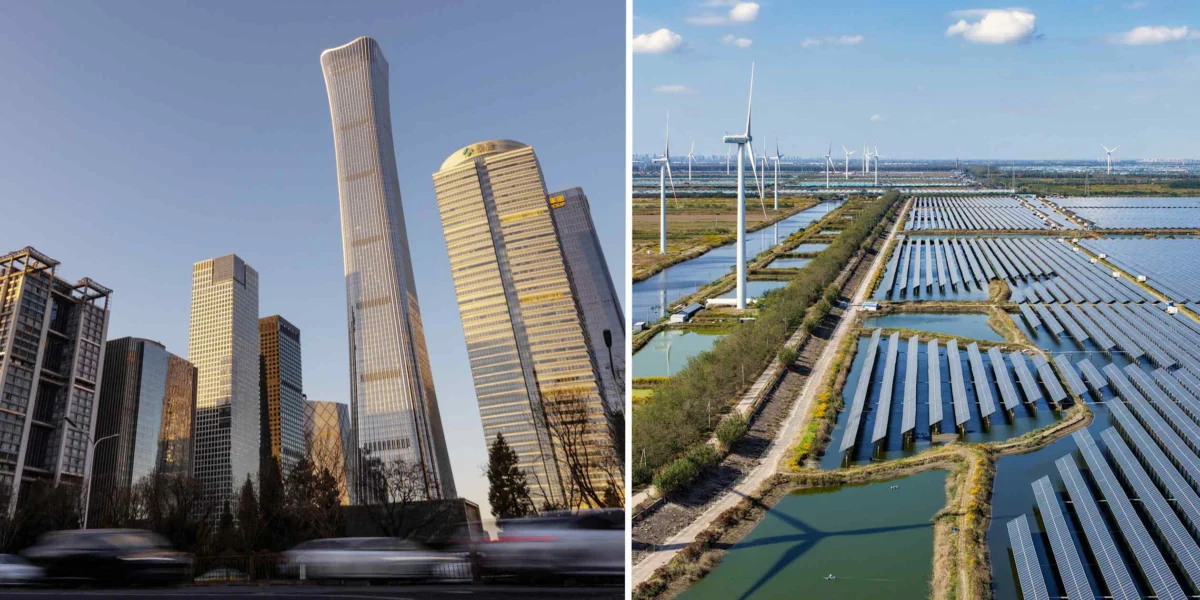
Asia is emerging as a new center for corporate climate pledges, led by a sharp rise in target-setting among Chinese companies even as global net-zero commitments plateau and some major U.S. businesses retreat from earlier goals. The share of tracked publicly listed Chinese companies with targets of achieving net-zero greenhouse gas emissions rose to 28% in 2026 from 24% a year earlier, according to Net Zero Tracker, a prominent independent research initiative. This notable uptick positions China as a key driver in Asia’s evolving climate action landscape, contrasting with a more hesitant or even regressive trend observed in some Western economies.
The Shifting Landscape of Global Climate Commitments
The past year has witnessed a significant divergence in corporate approaches to climate action. While the global momentum towards net-zero targets had been building steadily in the preceding years, recent data suggests a period of recalibration, or in some cases, a partial unwinding of these commitments. This trend is particularly pronounced in the United States, where economic headwinds, policy uncertainties, and a renewed focus on short-term profitability have led several high-profile corporations to review, delay, or even scale back their ambitious climate goals. These retrenchments, often framed as "reassessments" or "adjustments" to align with "realistic timelines," have raised concerns among environmental advocates and investors about the long-term viability of corporate climate action.
In stark contrast, the Asian market, and specifically China, has demonstrated a more robust and upward trajectory in net-zero target adoption. The increase from 24% to 28% among publicly listed Chinese companies, as reported by Net Zero Tracker, signifies a substantial acceleration. This growth is not merely incremental; it reflects a deepening integration of climate considerations into corporate strategy and a growing recognition of both the risks associated with inaction and the opportunities presented by a low-carbon transition.
China’s Growing Climate Ambitions: Data and Drivers
The Net Zero Tracker’s findings provide a granular view of this burgeoning trend. In 2025, 24% of tracked publicly listed Chinese companies had established net-zero targets. By 2026, this figure had climbed to 28%. While this still leaves a majority of companies without formal net-zero commitments, the consistent upward trend, particularly against a backdrop of global stagnation, is a significant development.
Several factors are likely contributing to this accelerated adoption of climate targets in China. Firstly, government policy plays a crucial role. China’s national commitment to achieving carbon neutrality by 2060 and peaking emissions before 2030 has created a powerful top-down impetus for businesses to align their strategies. Regulatory frameworks are being strengthened, and incentives for green technologies and sustainable practices are becoming more prominent. The "dual carbon" goals are no longer abstract aspirations but are increasingly translated into tangible policies that impact corporate operations and investment decisions.
Secondly, the economic landscape within China is also shifting. The nation is heavily investing in renewable energy, electric vehicles, and other green industries, creating both market opportunities and competitive pressures for companies to decarbonize. Businesses that are proactive in their climate strategies may find themselves better positioned to access green financing, attract talent, and gain a competitive edge in both domestic and international markets.
Thirdly, investor sentiment is evolving. While perhaps not as uniformly vocal as in some Western markets, a growing segment of Chinese and international investors operating in China are incorporating environmental, social, and governance (ESG) factors into their investment criteria. Companies demonstrating credible climate action are likely to be viewed as more resilient and less exposed to regulatory and reputational risks.
A Chronology of Shifting Corporate Climate Commitments
The journey towards corporate net-zero targets has been a multi-year process. The initial wave of ambitious pledges gained significant traction in the late 2010s and early 2020s, often spurred by increasing scientific consensus on climate change, public pressure, and the growing influence of climate-focused advocacy groups.
- Late 2010s – Early 2020s: A surge in net-zero commitments globally, particularly among large multinational corporations in developed economies. This period was characterized by aspirational goals, often with target dates of 2050 or earlier.
- 2023-2024: Growing awareness of the challenges in achieving these ambitious targets, coupled with economic uncertainties and shifts in political landscapes in some regions, led to a reassessment of commitments. Some U.S. companies began to publicly signal a slowdown or review of their net-zero strategies.
- 2025-2026: While some Western companies exhibit caution or retrenchment, data from Asia, notably China, indicates a sustained and accelerating adoption of net-zero targets. The Net Zero Tracker’s latest figures reflect this divergence, highlighting China’s increased engagement.
This timeline illustrates that the current situation is not a static one but a dynamic evolution in corporate climate strategy, influenced by a complex interplay of economic, political, and social factors.
Supporting Data and Trends
The Net Zero Tracker’s analysis, which typically draws from company disclosures, sustainability reports, and financial filings, provides crucial quantitative evidence. The 4-percentage-point increase in Chinese companies with net-zero targets between 2025 and 2026 is a significant jump in a single year. To put this into perspective, if this rate of acceleration were to continue, a substantial majority of publicly listed Chinese companies could have net-zero targets within the next decade.
Furthermore, the quality and scope of these targets are also critical. While the current data focuses on the existence of targets, future analyses will likely delve into the credibility, interim milestones, and the rigor of the methodologies employed by these companies. Early indications suggest that the targets set by Chinese companies are increasingly being informed by evolving national standards and international best practices, though the degree of alignment and transparency can vary.
Globally, the plateauing of commitments suggests that the initial, easier gains in target setting may be behind us. The next phase involves the harder work of implementation, decarbonization of supply chains, and innovative solutions for hard-to-abate sectors. The divergence in progress between regions underscores the uneven nature of the global climate transition.
Reactions and Implications
The rise of China as a leader in corporate climate target-setting is likely to elicit varied reactions from different stakeholders.
- Environmental Organizations: Many will welcome this progress as a positive sign, emphasizing the importance of continued action and accountability. However, they will also likely urge for greater transparency and robust implementation plans to ensure these targets translate into real emissions reductions.
- International Investors: For investors with an ESG focus, this trend could present new opportunities and a recalibration of their investment strategies in Asia. They may see Chinese companies with strong climate commitments as more attractive long-term investments.
- Competitors in Other Regions: Companies in regions where net-zero commitments are faltering might face increased pressure to demonstrate their own climate credentials, especially if China gains a competitive advantage through green innovation and market leadership in sustainable sectors.
- Governments: National governments, particularly those in Asia, may see this as validation of their climate policies and a potential catalyst for further green industrial development. They may also seek to learn from China’s experience in driving corporate climate action.
The implications of this shift are far-reaching. It suggests that the future of global climate leadership in the corporate sphere may be increasingly centered in Asia. This could reshape global supply chains, influence technological innovation, and redefine corporate responsibility in the 21st century. For companies operating internationally, understanding and engaging with the evolving climate landscape in China will become increasingly critical for long-term success. The challenge now lies in ensuring that these ambitious targets are not just aspirational statements but are backed by concrete actions that lead to verifiable emissions reductions, contributing meaningfully to the global effort to combat climate change.