Lina Wu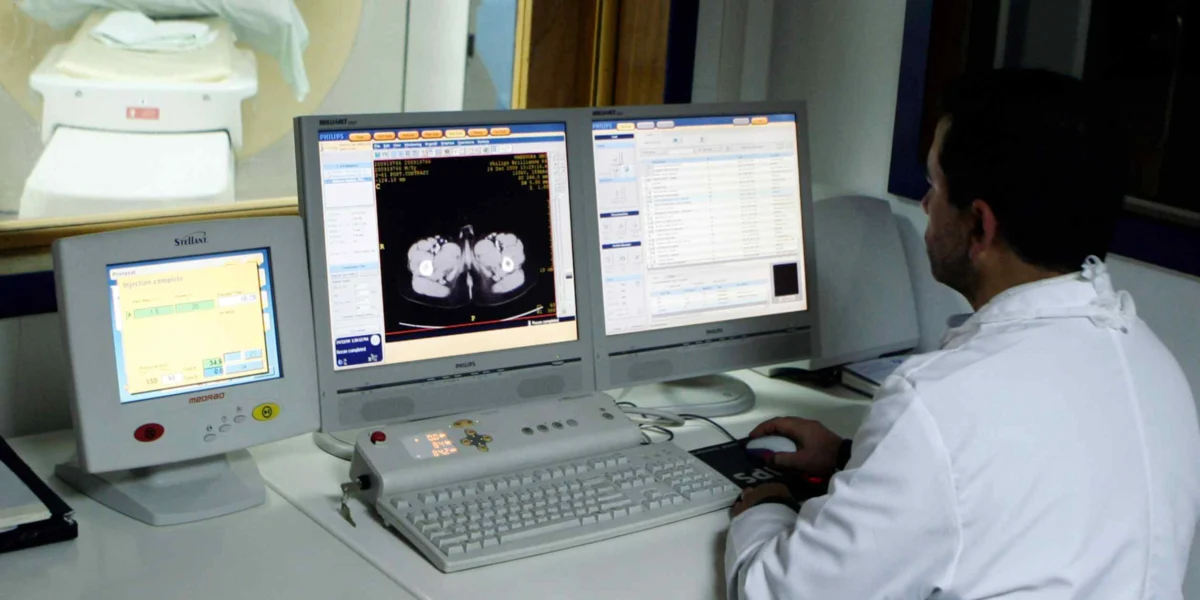
The stark reality of Japan’s organ transplant system, characterized by a decade-long waiting list for many patients, has unfortunately given rise to a clandestine network of intermediaries facilitating illegal organ transplant operations abroad. While official channels struggle to meet the burgeoning demand, desperate individuals are increasingly turning to these shadowy brokers, seeking a lifeline in overseas markets where the ethical and legal frameworks surrounding organ procurement may be less stringent. This growing trend highlights a critical failure in domestic healthcare provision and raises profound ethical, legal, and medical concerns.
The Desperate Search for a Second Chance
Japan’s organ donation rate has historically lagged behind many other developed nations. This disparity, coupled with a complex consent system and a cultural reluctance to discuss organ donation, has resulted in a severe shortage of available organs for transplantation. For patients with end-stage organ failure, such as liver cirrhosis, kidney disease, or severe heart conditions, a transplant is often the only hope for survival. However, the reality for many is a protracted and often agonizing wait, with some facing waits of up to 10 years for a suitable organ. This extended period of waiting not only diminishes the patient’s quality of life but also significantly reduces their chances of a successful transplant due to deteriorating health.

The emotional and psychological toll on patients and their families is immense. The constant anxiety of waiting, coupled with the physical decline, creates a desperate environment where conventional solutions appear insufficient. It is within this context of profound need and limited domestic options that the allure of overseas transplant services, even those procured through illicit means, begins to take hold.
The Rise of Illegal Intermediaries
The network of illegal brokers operates in the shadows, often advertised through discreet online channels or word-of-mouth. These intermediaries promise expedited access to organs, often claiming to have connections in countries with more readily available organ sources, or where regulations are less robust. The process typically involves a substantial financial outlay, with costs escalating significantly due to the illicit nature of the transactions. Patients are often presented with packages that include travel, accommodation, the surgery itself, and post-operative care, all orchestrated by these brokers.
The destinations for these illegal transplants are varied and often undisclosed to regulatory bodies. While some may involve countries with established, albeit sometimes ethically questionable, transplant programs, others could be operating in less regulated environments, posing significant risks to patient safety. The lack of transparency and oversight in these overseas operations makes it incredibly difficult to ascertain the origin of the organs, the medical qualifications of the surgeons, or the quality of the facilities.

A Shadow Economy Fueled by Scarcity
The demand for organs is a global phenomenon, and the scarcity in Japan creates fertile ground for a shadow economy to flourish. The ethical dilemmas are manifold. Firstly, there is the grave concern of organ trafficking, where organs may be procured from vulnerable individuals, potentially through coercion or exploitation, in exchange for financial incentives. This raises serious human rights issues and implicates Japan in a system that could be contributing to such abuses.
Secondly, the medical risks associated with these illegal transplants are substantial. Without proper screening of donors, there is an increased risk of transmitting infectious diseases. The quality of surgical procedures, post-operative care, and the availability of essential immunosuppressant drugs can be compromised, leading to higher rates of complications, organ rejection, and ultimately, increased mortality. The long-term health outcomes for patients who undergo such procedures are often poorly documented, leaving them vulnerable to unforeseen complications.
Supporting Data and Global Context
Globally, organ transplantation is a complex medical procedure fraught with challenges. According to the World Health Organization (WHO), the demand for organs far outstrips supply worldwide. While official organ donation rates vary significantly by country, Japan consistently ranks lower than many Western European nations and North America. For instance, in 2022, the United States reported over 40,000 organ transplants, facilitated by a robust donation system. In contrast, Japan’s figures, while growing, remain considerably lower. The number of registered organ donors in Japan has been on an upward trend, with efforts made to raise public awareness. However, the cultural and societal factors continue to present significant hurdles.

The ethical framework surrounding organ transplantation is guided by principles of fairness, equity, and the prevention of exploitation. The Declaration of Istanbul, a consensus statement on organ trafficking and transplant tourism, explicitly condemns the commercialization of organs and calls for robust legal frameworks to prevent such abuses. Japan, as a signatory to various international health conventions, is expected to uphold these principles.
Official Responses and Challenges
Japanese authorities are aware of the issue, though addressing it presents significant challenges. The primary difficulty lies in prosecuting illegal activities that occur outside of Japanese jurisdiction. While domestic laws prohibit the unauthorized facilitation of organ transplants, tracking and intercepting arrangements made with overseas entities is a complex undertaking.
The Ministry of Health, Labour and Welfare has implemented various measures to increase organ donation rates, including public awareness campaigns and the establishment of organ transplant networks. However, these efforts, while commendable, have not been sufficient to bridge the vast gap between demand and supply. The legal framework in Japan, particularly regarding brain death declaration and consent for organ donation, has also been subject to review and reform over the years to encourage more donations. Despite these advancements, the cultural nuances and patient-to-patient waiting lists remain significant bottlenecks.

The Broader Impact and Implications
The rise of illegal transplant brokers has several far-reaching implications for Japan’s healthcare system and its international standing.
- Erosion of Public Trust: When official systems fail to provide timely and life-saving treatments, and individuals resort to illicit means, it can erode public trust in the healthcare infrastructure. This can lead to further disillusionment and a perception that the system is not working for all its citizens.
- Ethical and Legal Quagmire: Japan risks becoming complicit in a global organ trafficking network if it does not adequately address the demand for illegal transplants. This raises serious questions about its commitment to human rights and ethical medical practices.
- Public Health Risks: The lack of oversight in overseas operations poses significant public health risks. Patients may return to Japan with infections or complications that could strain the domestic healthcare system and potentially spread to the wider population.
- Exacerbation of Inequality: The high cost of these illegal transplants means that only the wealthy can afford to circumvent the domestic waiting list. This creates a two-tiered system where access to life-saving treatment is determined by financial status, further exacerbating existing inequalities.
- Strain on Diplomatic Relations: If evidence emerges of systematic organ trafficking facilitated by Japanese nationals, it could strain diplomatic relations with countries where these operations are taking place, particularly if those countries are attempting to crack down on such practices.
The Path Forward: A Multifaceted Approach
Addressing the issue of illegal organ transplant brokers requires a multifaceted approach that tackles both the supply and demand sides of the problem.
- Enhancing Domestic Donation Rates: Continued and intensified efforts are needed to increase organ donation rates within Japan. This includes further public education campaigns to demystify organ donation, address cultural taboos, and simplify the consent process. Greater support for donor families and improved coordination among transplant centers are also crucial.
- Strengthening Legal Frameworks and International Cooperation: Japan needs to bolster its legal frameworks to more effectively deter and prosecute individuals involved in brokering illegal transplants, even when the transactions occur abroad. This may involve enhanced collaboration with international law enforcement agencies and health organizations to share information and coordinate efforts to combat organ trafficking.
- Patient Support and Counseling: For patients facing long waiting lists, enhanced psychological and emotional support is vital. Providing comprehensive counseling about the risks associated with overseas transplant tourism, as well as exploring all available domestic options and palliative care, is essential.
- Ethical Oversight and Regulation: The government should consider implementing stricter regulations and oversight mechanisms for any medical tourism agencies that operate within Japan, ensuring they do not facilitate illicit organ procurement. A robust reporting system for suspicious activities would also be beneficial.
The current situation underscores a critical juncture for Japan’s healthcare system. While the desperation of patients is understandable, the reliance on illegal brokers operating in the shadows poses significant ethical, medical, and societal risks. A comprehensive and sustained effort, involving governmental, medical, and societal stakeholders, is imperative to reform the domestic system, uphold ethical standards, and ultimately provide a safe and equitable path to life-saving treatments for all Japanese citizens. The image of a doctor in an operating theater, as depicted in the accompanying photograph, should represent a beacon of hope within a regulated and ethical system, not a symbol of a desperate gamble taken in the face of systemic failure. The challenge ahead is to ensure that such images reflect a reality grounded in integrity and compassion, rather than the desperate machinations of a black market.