Lina Wu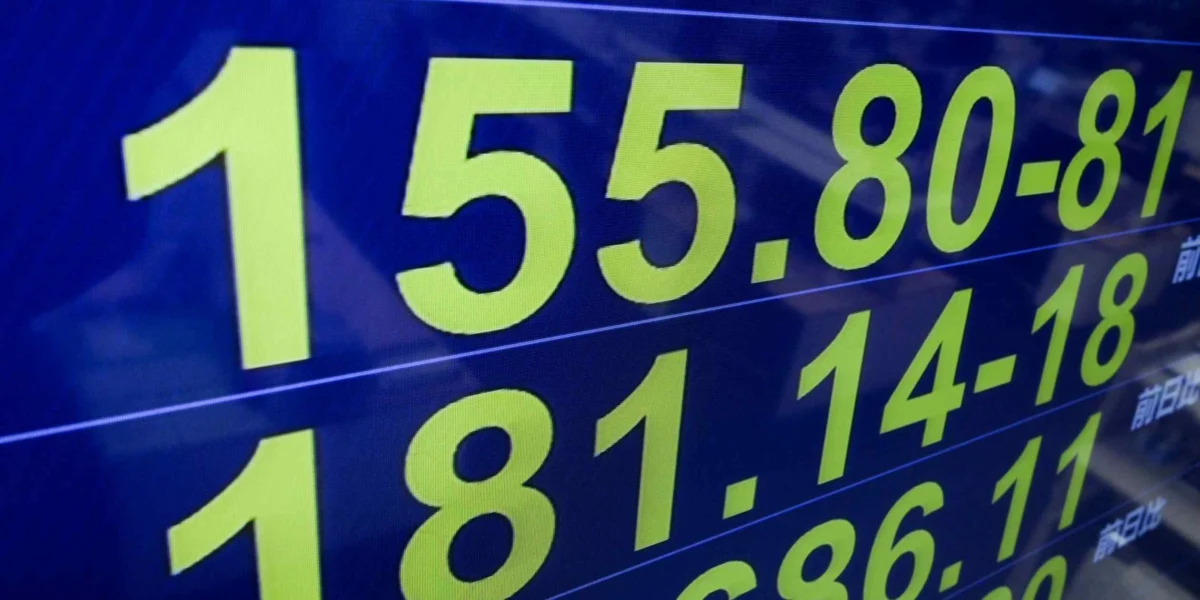
TOKYO/NEW YORK — The yen experienced a notable strengthening, trading in the upper 155 range against the dollar on Friday, a continuation of its upward momentum from the previous day’s level of 157 yen. This appreciation has fueled market speculation that the Bank of Japan (BOJ) might accelerate its pace of interest rate hikes, deviating from earlier expectations. The unusual convening of Japan’s Government Pension Investment Fund (GPIF) for an extraordinary August meeting has become a focal point of this speculation, with market participants interpreting it as a potential precursor to increased buying of yen-denominated assets.
The Significance of the GPIF’s August Convocation
The Government Pension Investment Fund (GPIF), the world’s largest public pension fund, typically adheres to a structured schedule for its investment strategy reviews. An unscheduled meeting during August, a period traditionally characterized by lighter trading volumes and a pause in major economic policy announcements, immediately caught the attention of financial markets. While the GPIF has not publicly disclosed the specific agenda or outcomes of this extraordinary meeting, its occurrence has been widely interpreted as a signal of a significant shift in its investment outlook.
Historically, the GPIF’s investment decisions, particularly its allocation to domestic versus international assets, have exerted considerable influence on currency markets. A decision to increase its allocation to Japanese assets, especially bonds and equities, would necessitate the repatriation of foreign currency holdings into yen. This increased demand for yen, coupled with a reduced supply on the foreign exchange market, could lead to a sustained appreciation of the Japanese currency. The timing of the meeting, against a backdrop of a weakening yen and rising inflation concerns in Japan, further amplifies its potential impact.
Yen’s Recent Trajectory and Market Drivers
The yen has been under significant pressure for much of the preceding year, largely driven by the widening interest rate differentials between Japan and other major economies. The U.S. Federal Reserve, for instance, has maintained an aggressive monetary tightening cycle, raising interest rates significantly to combat inflation. In contrast, the Bank of Japan has maintained its ultra-loose monetary policy, characterized by negative interest rates and yield curve control, to stimulate domestic economic growth and achieve its inflation targets.
This divergence in monetary policy has made yen-denominated assets less attractive to international investors seeking higher yields. Consequently, a substantial carry trade has emerged, where investors borrow yen at low interest rates to invest in higher-yielding currencies and assets abroad. The unwinding of these carry trades, either due to perceived shifts in monetary policy or increased risk aversion, can lead to a rapid appreciation of the yen. The recent strengthening of the yen, therefore, could be an early indicator of such an unwinding process, possibly triggered by subtle signals from Japanese policymakers or a reassessment of global economic conditions.
Supporting Data: Inflation and Economic Indicators
Japan’s economic landscape has been evolving. While the economy has shown signs of recovery, inflation has become a more persistent concern. The latest Consumer Price Index (CPI) figures, excluding volatile fresh food, have shown a steady upward trend, approaching or even exceeding the BOJ’s 2 percent target in certain months. This persistent inflation, coupled with a weakening yen that exacerbates import costs, creates a complex dilemma for the central bank.
For instance, in the second quarter of 2026, Japan’s real GDP growth was recorded at an annualized rate of 1.2%, a moderate expansion. However, the core CPI, which excludes fresh food and energy, registered an increase of 2.8% year-on-year in August, signaling underlying inflationary pressures. This contrasts with the average inflation rate of 0.5% observed in the same period of the previous year. The depreciation of the yen has also contributed to rising import prices for energy and raw materials, further feeding into domestic inflation. This economic backdrop provides a more compelling rationale for the BOJ to consider a recalibration of its monetary policy, potentially moving towards normalization sooner than previously anticipated.
Potential Implications of Increased Yen Asset Buying
An increase in the GPIF’s allocation to Japanese assets would have several significant implications for the domestic and global financial markets.
-
Domestic Bond Market: A substantial influx of capital into the Japanese government bond (JGB) market would likely lead to lower yields. This could make it more challenging for the Japanese government to finance its debt, but it would also reduce borrowing costs for corporations. The BOJ’s current yield curve control policy, which aims to keep 10-year JGB yields around 0%, might face renewed pressure if increased demand from the GPIF pushes yields lower.
-
Japanese Equity Market: Increased domestic investment could provide a boost to the Japanese stock market. As foreign investors potentially reduce their holdings of Japanese equities in favor of domestic assets, the market might become more domestically driven. This could lead to a more stable and potentially less volatile equity market, though it might also reduce the influence of international investor sentiment.
-
Yen Appreciation: As mentioned, the most direct impact would be on the yen. A sustained increase in demand for yen would likely lead to its appreciation against major currencies. This could make Japanese exports more expensive, potentially impacting the competitiveness of Japanese companies in international markets. Conversely, it would lower the cost of imports for Japanese consumers and businesses, which could help to curb inflation.
-
Global Carry Trade Dynamics: A stronger yen could trigger a significant unwinding of existing yen-denominated carry trades. This could lead to substantial capital flows back into Japan, further bolstering the yen and potentially causing volatility in other currency markets as investors scramble to exit their positions.
Timeline and Chronology of Events
The recent market movements and speculation can be traced through a series of events:
- Early 2025 – Mid-2026: The yen experienced a prolonged period of depreciation against the dollar, trading consistently in the 140-157 range. This was largely attributed to the divergence in monetary policy between the BOJ and other major central banks.
- Late August 2026: Reports emerged of the GPIF holding an unscheduled board meeting. The exact date of this meeting, while not publicly detailed, is understood to have occurred within the last two weeks of August.
- September 1, 2026: The yen began a noticeable upward trend, moving from the 157 yen level against the dollar.
- September 4, 2026 (Friday): The yen continued its strengthening trajectory, trading in the upper 155 range against the dollar. Market participants actively discussed the implications of the GPIF’s meeting and potential BOJ policy shifts.
Official Responses and Market Reactions
While official statements from the GPIF regarding its August meeting remain scarce, the market’s interpretation has been swift and impactful. The Japanese Ministry of Finance has historically intervened in currency markets to curb excessive yen depreciation, but its stance on yen appreciation is generally more neutral, as it can benefit consumers and control import inflation. However, any rapid or sharp appreciation could prompt commentary or even action if it is deemed detrimental to export-oriented industries.
Bank of Japan officials have reiterated their commitment to maintaining accommodative monetary policy for the time being, emphasizing the need to achieve sustainable 2% inflation driven by domestic demand. However, the persistent inflation data and the potential for significant capital flows associated with a shift in GPIF strategy could force the BOJ to re-evaluate its forward guidance and potentially signal a more hawkish stance sooner than anticipated.
The market’s reaction has been characterized by increased volatility in currency pairs involving the yen. Traders are closely monitoring economic data releases from Japan and policy signals from both the BOJ and international central banks for further direction. The sharp appreciation in the yen could also indicate signs of a reversed carry trade, as investors who previously borrowed yen to invest elsewhere are now buying yen back to close their positions.
Broader Impact and Future Outlook
The potential shift in the GPIF’s investment strategy, signaled by its rare August meeting, represents a significant development in the global financial landscape. It could mark a turning point for the yen, moving away from its prolonged period of weakness. The implications extend beyond currency markets, potentially influencing global capital flows, asset valuations, and trade dynamics.
For Japan, a stronger yen could help to curb imported inflation, but it might also pose challenges for its export-dependent economy. The BOJ will need to carefully navigate the delicate balance between controlling inflation and supporting economic growth. The actions of the GPIF, as a major institutional investor, will be closely watched as they are likely to shape the future trajectory of the yen and the broader Japanese economy. Investors worldwide will be scrutinizing any further disclosures from the GPIF and the BOJ for clarity on the sustainability of this yen appreciation and the potential for a more profound shift in Japan’s monetary policy and investment landscape. The coming months will be critical in determining whether this recent yen strength is a temporary correction or the beginning of a more sustained upward trend, driven by fundamental policy shifts and significant capital reallocation.