Lina Wu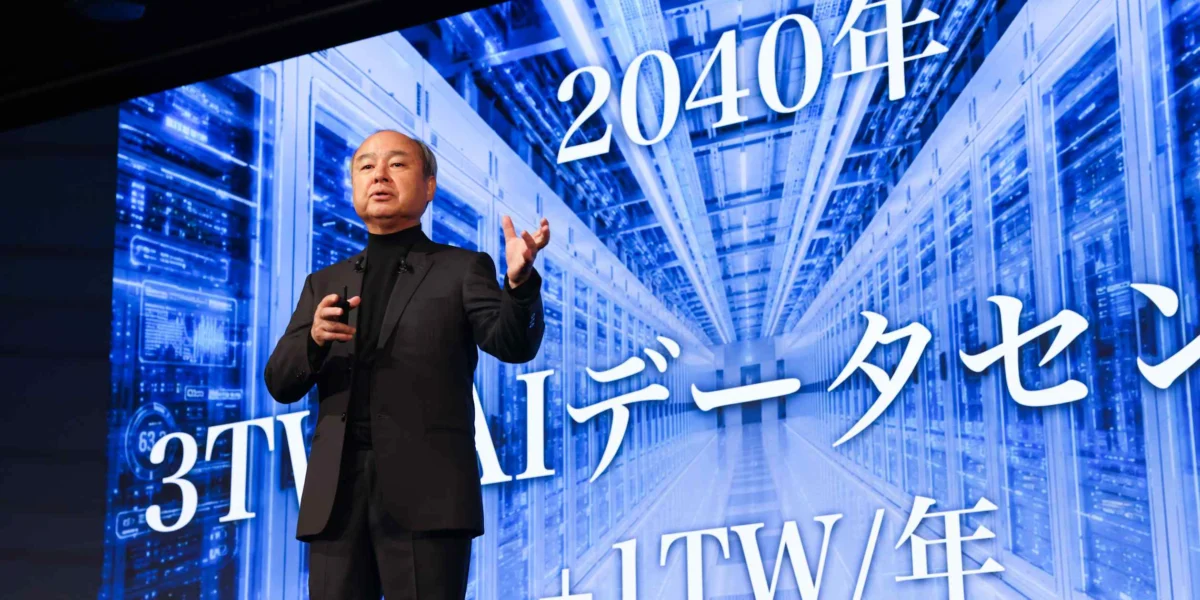
TOKYO – SoftBank Group has launched an unprecedented 1 trillion yen ($6.4 billion) bond offering specifically targeted at retail investors, a move that underscores the Japanese technology conglomerate’s significant capital needs and its aggressive strategy to tap into a broader investor base. The bonds will carry a coupon rate of 4.75%, marking the highest yield for the company’s straight bonds in 17 years, a figure that is attracting considerable attention in the current market environment. This offering not only represents the largest such issuance by a Japanese company but is also tied with NTT Finance’s issuance of similar magnitude, signaling a substantial appetite for corporate debt within Japan’s domestic market.
The decision by SoftBank, led by its visionary founder and CEO Masayoshi Son, to issue such a substantial volume of bonds directly to individual investors reflects a multi-faceted strategic imperative. Firstly, it aims to diversify SoftBank’s funding sources beyond traditional institutional lending and equity markets, thereby reducing reliance on any single channel. Secondly, the attractive coupon rate is designed to appeal to individual savers seeking higher returns in a persistently low-interest-rate environment, despite the recent uptick in global yields. This retail-focused approach also allows SoftBank to potentially foster greater public awareness and engagement with its ambitious investment strategies, particularly its ongoing pivot towards artificial intelligence and related technologies.

A Strategic Pivot Towards Retail Investors
The sheer scale of this 1 trillion yen offering is remarkable. It dwarfs previous retail bond issuances by Japanese corporations and highlights SoftBank’s confidence in its ability to attract significant capital from individuals. For context, the Japanese retail investor market is vast, with a considerable portion of household savings traditionally held in low-yield bank deposits. Initiatives to encourage retail investment in more diverse and potentially higher-yielding instruments have been ongoing, and SoftBank’s offering appears to be a calculated attempt to capitalize on this demographic.
The 4.75% coupon rate is particularly noteworthy. This figure represents a significant premium compared to typical government bond yields or even the rates offered by many corporate bonds in recent years. For SoftBank, it signifies a higher cost of capital, but one that is likely deemed acceptable given the strategic advantages and the amount of capital it can unlock. This rate is the highest for SoftBank’s straight bonds since 2007, a period preceding the global financial crisis, indicating the company’s willingness to pay a premium to secure substantial funding.
Background: SoftBank’s Evolving Financial Landscape
SoftBank Group has undergone a significant transformation in recent years. Once primarily known for its massive Vision Fund, which fueled investments in numerous high-growth technology companies globally, the company has faced periods of intense scrutiny regarding its debt levels and the valuation of its portfolio. Following a series of high-profile divestments, including stakes in Alibaba and T-Mobile US, SoftBank has been working to deleverage its balance sheet and to focus its investments more strategically, particularly in the burgeoning field of artificial intelligence.

The company has articulated a clear vision for AI as the next major technological revolution, and securing substantial capital is crucial to realizing this ambition. This bond offering can be seen as a direct enabler of that strategy, providing the financial firepower for future investments, research and development, and potential acquisitions in the AI ecosystem. The decision to tap the retail market suggests a proactive approach to capital raising, aiming to preemptively secure funds rather than waiting for market conditions to potentially become less favorable.
Chronology of a Landmark Offering
While specific details of the offering’s inception are not publicly disclosed, the announcement of the 1 trillion yen bond issuance follows a period of intense strategic planning and market assessment by SoftBank Group. The company has been actively managing its financial position, including raising capital through asset sales and debt issuance throughout the past few years.
- Late 2023 – Early 2024: SoftBank likely began preliminary discussions and market soundings for a large-scale retail bond offering, assessing investor appetite and optimal coupon rates.
- Mid-2024: Formal structuring of the bond offering would have commenced, involving financial advisors, legal teams, and regulatory filings in Japan.
- August 2024: SoftBank Group Chairman and CEO Masayoshi Son has been a prominent figure in public discourse regarding AI and the company’s future, potentially signaling the strategic importance of such funding initiatives. His Aug. 14 appearance in Tokyo, captured in accompanying imagery, likely coincided with the final stages of preparation for this announcement.
- September 2024: The offering is officially launched, with the details of the 1 trillion yen size and the 4.75% coupon rate becoming public. The issuance period for retail investors is now underway, with the bonds expected to be listed and traded on the Tokyo Stock Exchange.
The success of this offering will be a key indicator of market confidence in SoftBank’s future prospects and its ability to execute its AI-centric strategy. The timeline is crucial for investors to assess the company’s financial health and its strategic direction.

Supporting Data and Market Context
The Japanese bond market, particularly for corporate debt, has seen fluctuations in recent years. However, the demand for high-quality corporate bonds remains robust. The yield on Japanese government bonds (JGBs) has been influenced by the Bank of Japan’s monetary policy, which has historically maintained ultra-low interest rates. While the BOJ has signaled potential shifts in its policy, yields have remained relatively contained compared to global benchmarks.
For retail investors, the 4.75% coupon rate offers a compelling alternative to traditional savings products. Data from the Bank of Japan typically shows that average interest rates on new fixed deposits are well below 1%. This substantial difference makes SoftBank’s offering attractive, provided investors are comfortable with the associated risks of corporate bonds.
The total market capitalization of SoftBank Group fluctuates significantly, but its scale as a major technology investor implies substantial assets and liabilities. The 1 trillion yen offering represents a significant portion of its capital structure, aimed at bolstering its financial flexibility.

Official Responses and Inferred Strategies
While specific official statements from SoftBank regarding the rationale behind this particular offering are likely to be part of the formal prospectus, the company’s public pronouncements have consistently emphasized its commitment to investing in transformative technologies, particularly AI. Masayoshi Son has repeatedly articulated his belief that AI will drive unprecedented economic growth and that SoftBank is strategically positioned to capitalize on this trend.
The decision to target retail investors suggests a deliberate strategy to broaden its investor base and potentially enhance its public profile. By offering its bonds directly to individuals, SoftBank aims to cultivate a more diverse and engaged shareholder and bondholder community. This approach can also be seen as a way to access a deep pool of capital that might be less sensitive to short-term market volatility compared to some institutional investors.
The fact that this offering is tied with NTT Finance’s issuance of a similar scale suggests a broader trend or a recognition of significant capital requirements within major Japanese technology and telecommunications sectors. Both companies are critical players in the digital economy, and their funding activities can be indicative of their respective growth strategies and investment plans.

Broader Impact and Implications
The implications of SoftBank’s record-breaking retail bond offering are far-reaching:
- For SoftBank: This initiative provides crucial capital for its AI-focused investments, strengthens its financial position, and diversifies its funding. It also signals a potential shift in how large Japanese corporations engage with individual investors for substantial funding needs. The success of this offering could pave the way for similar large-scale retail bond issuances by other major Japanese companies.
- For Retail Investors: The offering presents a rare opportunity for individual savers in Japan to access a high-yield investment from a globally recognized technology conglomerate. However, it also brings increased risk exposure. Investors must carefully consider the creditworthiness of SoftBank and the inherent risks associated with corporate bonds, which are subject to market fluctuations and the issuer’s financial performance.
- For the Japanese Capital Markets: This offering is a significant development for the domestic bond market, demonstrating its capacity to absorb large issuances and its increasing role in corporate financing. It could spur further innovation in retail financial products and encourage greater participation of individual investors in capital markets. The high coupon rate might also put upward pressure on yields for other corporate bonds seeking to attract retail interest.
- For the AI Sector: The substantial capital raised by SoftBank will undoubtedly fuel further investment in AI research, development, and deployment. This could accelerate innovation and competition within the AI landscape, benefiting companies and consumers alike. SoftBank’s continued aggressive investment strategy in AI underscores its conviction in the transformative power of this technology.
In conclusion, SoftBank Group’s 1 trillion yen retail bond offering at a 4.75% coupon represents a bold and strategic move, setting a new benchmark for corporate fundraising in Japan. It reflects the company’s ambitious vision for the AI era and its innovative approach to tapping into the vast potential of individual investors, underscoring a significant moment in the evolution of both SoftBank’s financial strategy and the Japanese capital markets.