Lina Wu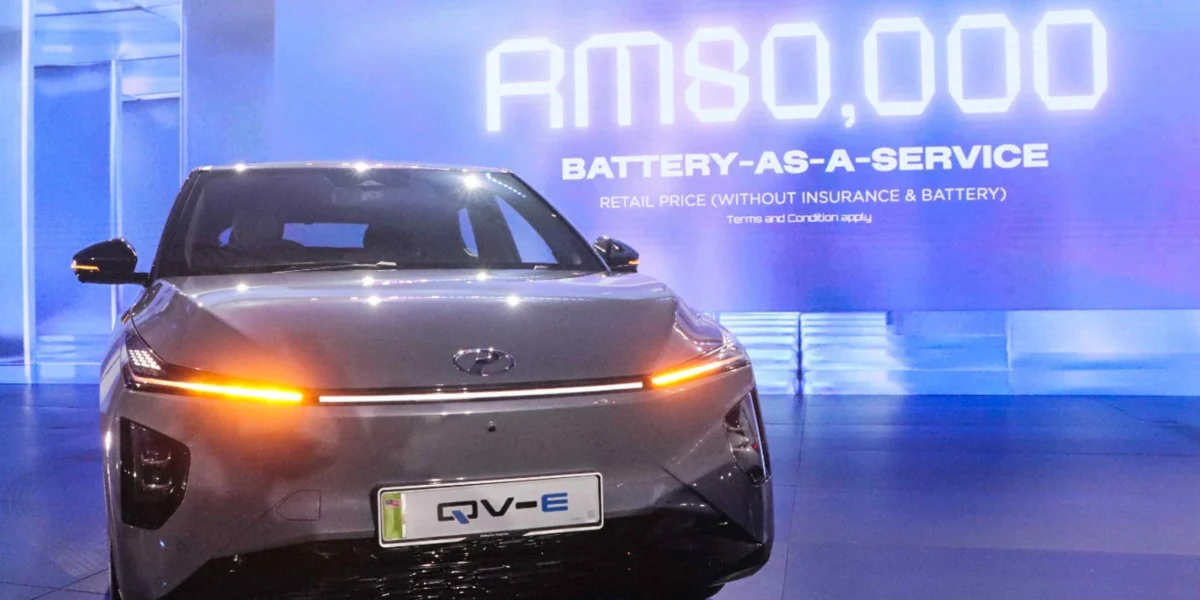
KUALA LUMPUR – Malaysia’s dominant automotive manufacturer, Perodua, is strategically placing paramount importance on robust after-sales support for its burgeoning electric vehicle (EV) lineup, a move aimed at safeguarding the long-term residual value of these vehicles and reinforcing its standing as a trusted domestic brand in the face of intensifying competition from Chinese automakers. This proactive approach, articulated by the company’s president, underscores a critical strategic pivot for Perodua as it navigates the rapidly evolving landscape of electric mobility in Southeast Asia.
The launch of Perodua’s inaugural electric vehicle, the QV-E, in December 2025 marked a significant milestone for the company and the Malaysian automotive industry. This debut was not merely the introduction of a new model but a declaration of intent to compete directly in the burgeoning EV segment, a market increasingly influenced by technological advancements and aggressive pricing strategies from international players, particularly those originating from China.
The Strategic Imperative of After-Sales Support
Perodua’s emphasis on after-sales service is a deliberate strategy to address a key concern for consumers venturing into EV ownership: the perceived long-term cost of ownership and the potential for depreciation. Unlike traditional internal combustion engine (ICE) vehicles, EVs represent a newer technology for many consumers, and concerns about battery degradation, specialized maintenance, and the availability of qualified technicians can be significant deterrents. By investing heavily in its after-sales network, Perodua aims to mitigate these anxieties and build consumer confidence.
"Our commitment extends far beyond the initial purchase," stated the Perodua president in a recent address to stakeholders and industry analysts. "We understand that the true value of an electric vehicle is realized over its lifespan. Therefore, we are dedicating substantial resources to ensure our customers receive unparalleled after-sales support, from routine servicing and battery health checks to accessible and affordable parts. This focus is crucial for maintaining the resale value of our EVs and for fostering long-term customer loyalty."
This focus on after-sales support is particularly pertinent given the competitive pressures. Chinese EV manufacturers have rapidly gained traction in various global markets, including Southeast Asia, by offering technologically advanced vehicles at competitive price points. Perodua, as a national automotive champion, recognizes that it must differentiate itself not only through product innovation and pricing but also through superior customer experience and peace of mind. A strong after-sales infrastructure directly contributes to this by assuring owners that their investment will be protected and maintained efficiently.
A Timeline of Perodua’s EV Journey
Perodua’s foray into the EV market has been a calculated progression, building upon years of market leadership in the affordable passenger car segment.
- Early 2020s: Perodua began actively researching and developing its EV strategy, observing global EV trends and consumer adoption patterns. This period likely involved feasibility studies, partnerships with technology providers, and initial investments in R&D.
- Mid-2020s: The company engaged in collaborations and partnerships, potentially with established automotive groups or technology firms, to accelerate its EV development. This could have included sourcing key EV components like batteries and electric powertrains, or joint development programs.
- Late 2025: Perodua officially launched its first electric vehicle, the QV-E, to the Malaysian market. This launch was preceded by extensive marketing campaigns and pre-launch briefings aimed at educating consumers about EV technology and Perodua’s offering.
- 2026 onwards: The current strategic emphasis on after-sales support is a direct continuation of the QV-E’s launch, indicating a long-term vision for its EV division. This phase will likely involve expanding the EV model range, enhancing charging infrastructure partnerships, and continuously refining its after-sales service network.
The introduction of the QV-E was a significant event, not just for Perodua but for Malaysia’s automotive sector as a whole. It signaled a tangible commitment from a major local player to embrace electrification, a trend that has been slower to gain momentum in some Southeast Asian markets compared to more developed economies.
Supporting Data and Market Context
The Malaysian automotive market is characterized by strong consumer demand for affordable and reliable vehicles. Perodua has consistently dominated this segment, with models like the Myvi and Axia being perennial best-sellers. However, the global shift towards electrification presents both an opportunity and a challenge.
Globally, EV sales have seen exponential growth. According to the International Energy Agency (IEA), electric car sales surpassed 10 million in 2022, a figure that is projected to continue its upward trajectory. Southeast Asia, while still in its nascent stages of EV adoption, is experiencing increasing interest, driven by government incentives, growing environmental awareness, and the introduction of more diverse EV models.
In Malaysia, government initiatives such as tax exemptions and charging infrastructure development have begun to spur EV adoption. The Malaysian government has set ambitious targets for EV adoption, aiming for a significant percentage of new vehicle sales to be electric by the end of the decade. This policy environment creates a fertile ground for companies like Perodua to invest in and promote electric mobility.
The competitive landscape in Malaysia is evolving. While Perodua has long held sway, the influx of Chinese brands like BYD, Chery, and NETA, offering a range of EVs at attractive price points, is creating a more dynamic and challenging market. These brands often leverage their manufacturing scale and advanced battery technology to offer compelling value propositions.
Perodua’s QV-E is positioned to compete in the mass-market segment, likely focusing on affordability, practicality, and ease of use – core tenets that have defined Perodua’s success. However, the long-term appeal of any EV hinges on its total cost of ownership, which includes maintenance, repairs, and eventual resale value. This is where Perodua’s focus on after-sales support becomes a critical differentiator.
Official Responses and Industry Perspectives
While specific reactions from direct competitors have not been publicly detailed, the strategic shift by Perodua is undoubtedly being closely observed across the industry. Traditional rivals, both local and international, will likely reassess their own after-sales strategies to remain competitive.
Analysts believe Perodua’s move is a calculated response to the emerging threat from Chinese automakers, who are known for their integrated supply chains and often aggressive pricing. "Perodua’s strength has always been its deep understanding of the Malaysian consumer and its extensive nationwide service network," commented an automotive industry analyst. "By doubling down on after-sales for EVs, they are leveraging their existing competitive advantages to tackle a new segment. This is a smart move to counter the price-driven advantage of some new entrants."
The success of Perodua’s strategy will depend on several factors, including the actual investment in training technicians, stocking spare parts, and establishing dedicated EV service bays across its vast dealer network. The company’s ability to offer efficient and cost-effective repairs and maintenance will be paramount in building trust and mitigating concerns about the longevity and reliability of EVs.
Furthermore, partnerships with charging infrastructure providers and battery recycling companies will be crucial components of a comprehensive EV ecosystem. Perodua has indicated that it is actively exploring such collaborations to provide a seamless ownership experience for its QV-E customers.
Broader Impact and Implications
Perodua’s unwavering focus on after-sales support for its electric vehicles carries significant implications for the broader Malaysian automotive industry and its consumers:
- Accelerated EV Adoption: By addressing key consumer concerns about long-term ownership costs and reliability, Perodua’s strategy could significantly accelerate the adoption of electric vehicles in Malaysia. A confident consumer base is more likely to transition to EVs, leading to a faster realization of national environmental goals.
- Elevated After-Sales Standards: Perodua’s proactive approach is likely to set a new benchmark for after-sales service in the EV segment. This could compel other manufacturers, including new entrants, to enhance their own service offerings, ultimately benefiting consumers with improved quality and accessibility of maintenance.
- Strengthening Local Automotive Ecosystem: By investing in specialized training for technicians and ensuring the availability of EV parts, Perodua is contributing to the development of a more robust local automotive ecosystem capable of supporting advanced vehicle technologies. This can foster job creation and technological transfer within Malaysia.
- Long-Term Value Proposition: The emphasis on maintaining residual values is a critical factor for mass-market consumers. If Perodua can successfully demonstrate that its EVs retain their value well due to superior maintenance and support, it will significantly enhance the attractiveness of EVs as a practical and financially sound choice.
- Competitive Landscape Dynamics: Perodua’s strategy forces a re-evaluation of competitive advantages in the Malaysian EV market. While price and technology are important, the perceived reliability and long-term support of a vehicle can be equally, if not more, influential for a significant segment of buyers. This could lead to a more balanced competitive environment where customer trust and service quality play a more prominent role.
The journey towards mass EV adoption is complex, involving not just the sale of vehicles but the entire lifecycle of ownership. Perodua’s strategic decision to prioritize after-sales support for its QV-E and future electric models signals a mature understanding of this complexity. By building a strong foundation of trust and reliability in its service network, Perodua is not only aiming to secure its market leadership in the burgeoning EV era but also to solidify its position as a dependable and forward-thinking automotive brand for Malaysian consumers. This strategic foresight is crucial as the nation navigates its transition towards a more sustainable and electrified future of transportation.