Lina Wu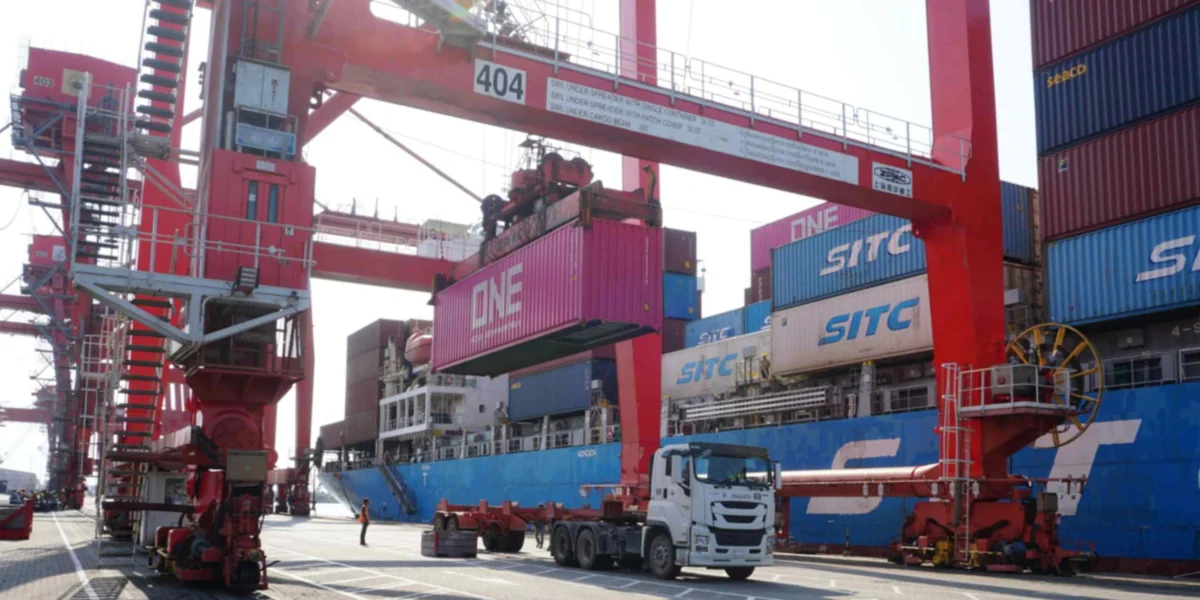
Cambodia is embarking on an ambitious expansion of the Sihanoukville Port, a vital maritime gateway on its southwest coast. A recently unveiled proposal outlines a vision to increase freight handling capacity by a staggering seven-fold by the year 2050. This strategic development is driven by the evolving geopolitical landscape, particularly the closure of key border crossings with Thailand, which has necessitated the exploration and fortification of alternative trade routes for the nation’s burgeoning goods.
Strategic Imperative: Reorienting Trade Flows
The impetus behind this significant port expansion is rooted in the recent disruptions to traditional trade routes. The closure of Cambodia’s border crossings with Thailand, a critical conduit for overland trade, has underscored the vulnerability of relying on a single logistical pathway. This has prompted Cambodian authorities to accelerate plans for enhancing Sihanoukville Port’s capabilities, transforming it into a more robust and efficient hub for international commerce. The envisioned seven-fold increase in freight handling capacity by 2050 is not merely an upgrade; it represents a fundamental reorientation of Cambodia’s trade strategy, aiming to bolster its resilience and leverage its strategic coastal position.
Sihanoukville Port: A Gateway in Transition
Sihanoukville Port, located in Preah Sihanouk Province, has long been Cambodia’s primary deep-water seaport. However, its capacity has historically been a limiting factor for the nation’s export-oriented economy. The port currently handles a significant volume of containerized cargo, a figure that has seen an upward trend, particularly since the border closures with Thailand began to impact established supply chains. The proposed expansion aims to accommodate this growing demand and anticipate future trade volumes, which are projected to rise in tandem with Cambodia’s economic growth.
Background: The Shifting Sands of Regional Trade
The decision to significantly expand Sihanoukville Port is not an isolated event but rather a response to a complex web of regional dynamics. For years, Cambodia has relied heavily on its land borders for trade, with Thailand serving as a major gateway for both imports and exports. However, geopolitical tensions and regulatory shifts have periodically led to disruptions along these overland routes. The recent and prolonged closure of specific border crossings has served as a stark reminder of the inherent risks associated with such concentrated trade dependencies. This has spurred a strategic imperative to diversify and strengthen Cambodia’s maritime trade infrastructure.
The closure of the Cambodia-Thailand border has had a cascading effect on businesses. Manufacturers dependent on timely import of raw materials and export of finished goods have faced significant delays and increased costs. This has put pressure on the government to find viable alternatives, and Sihanoukville Port, with its deep-water access and potential for expansion, has emerged as the most logical solution. The port’s strategic location on the Gulf of Thailand also positions it favorably for regional and international shipping lanes.
A Chronology of Development and Disruption
The evolution of Sihanoukville Port’s significance can be traced through several key phases:
- Early Development (Pre-2000s): Sihanoukville Port was established as Cambodia’s primary deep-water port, facilitating early maritime trade. Its capacity was modest, serving the nation’s nascent export sector.
- Growing Reliance on Land Borders (2000s-2010s): As Cambodia’s economy grew, overland trade with Thailand gained prominence due to perceived efficiency and cost-effectiveness for certain goods. This led to a relative underdevelopment of the port’s full potential.
- Increasing Port Investment (2010s onwards): Recognizing the need for diversification, Cambodia began investing in upgrading Sihanoukville Port. This included the construction of new terminals and improved infrastructure, often with foreign investment.
- The Border Closure Catalyst (Early 2020s): The significant and prolonged closure of key Cambodia-Thailand border crossings in recent years marked a turning point. This event highlighted the fragility of land-based trade and amplified the urgency for enhancing Sihanoukville Port.
- The 2050 Vision (Present): The current proposal for a seven-fold increase in capacity by 2050 represents a long-term strategic commitment to transforming Sihanoukville Port into a regional logistics powerhouse.
Supporting Data: Quantifying the Need and the Ambition
While specific figures for the proposed seven-fold increase are still being detailed, the underlying trends in Cambodian trade provide a compelling rationale. Cambodia’s total trade volume has been steadily increasing. In 2023, for instance, the country’s total trade value reached approximately $50 billion, with exports growing by around 8% and imports by about 5%. The garment and footwear sector, along with agricultural products, are major drivers of this export growth.
Sihanoukville Port’s current container handling capacity, while growing, is estimated to be in the range of 1 million TEUs (twenty-foot equivalent units) per annum. A seven-fold increase would imply a capacity of approximately 7 million TEUs by 2050. This ambitious target suggests a significant shift in how Cambodia engages with global markets.
Furthermore, studies on the economic impact of trade disruptions have consistently shown that delays and increased transit times can lead to substantial financial losses for businesses. For Cambodia, which aims to move up the value chain and attract more foreign direct investment, reliable and efficient logistics are paramount. The expansion of Sihanoukville Port is thus seen as a crucial investment in the nation’s economic competitiveness.
Official Responses and Inferred Expectations
While direct quotes from Cambodian officials regarding the Sihanoukville Port expansion proposal are not yet widely available in this initial report, the strategic direction points towards strong government backing. The Ministry of Public Works and Transport, along with the Ministry of Economy and Finance, are expected to be key stakeholders in overseeing this ambitious project.
It can be inferred that the government views this expansion as a critical component of its broader economic development strategy, aligning with initiatives like the Cambodia Industrial Development Policy 2023-2027. This policy emphasizes diversification, upgrading industrial capabilities, and enhancing trade facilitation. The port expansion directly supports these objectives by providing the necessary logistical backbone.
Furthermore, the involvement of international partners and investors is highly probable. Similar large-scale infrastructure projects in the region have often seen collaboration with foreign entities, bringing in capital, expertise, and technology. The development of Sihanoukville Port could also be part of broader regional connectivity initiatives, such as those promoted by ASEAN.
Broader Impact and Implications
The expansion of Sihanoukville Port carries significant implications for Cambodia and the wider Southeast Asian region:
- Economic Diversification and Growth: A larger, more efficient port will enable Cambodia to export a wider range of goods and attract more manufacturing and processing industries, thereby diversifying its economy beyond traditional sectors. This could lead to increased foreign direct investment and job creation.
- Enhanced Trade Resilience: By reducing reliance on overland routes, Cambodia will be better equipped to withstand future disruptions, ensuring a more stable flow of goods for both domestic consumption and export.
- Regional Logistics Hub Potential: With its expanded capacity, Sihanoukville Port could emerge as a key transshipment point for goods moving within the Gulf of Thailand and beyond, potentially competing with existing regional hubs.
- Infrastructure Development: The project will necessitate substantial investment in associated infrastructure, including roads, railways, and warehousing facilities connecting the port to the hinterland, creating a ripple effect of development.
- Geopolitical Realignments: The increased importance of Sihanoukville Port could subtly shift trade dynamics in the region, potentially influencing relationships with neighboring countries and major global trading partners.
However, such a large-scale project also presents challenges. Environmental considerations, the need for skilled labor to manage advanced port operations, and the securing of adequate funding will be critical factors in the project’s success. Careful planning and execution will be essential to mitigate potential risks and maximize the benefits of this strategic undertaking. The transformation of Sihanoukville Port is not just about increasing capacity; it is about securing Cambodia’s economic future in an increasingly interconnected and dynamic global marketplace.