Lina Wu
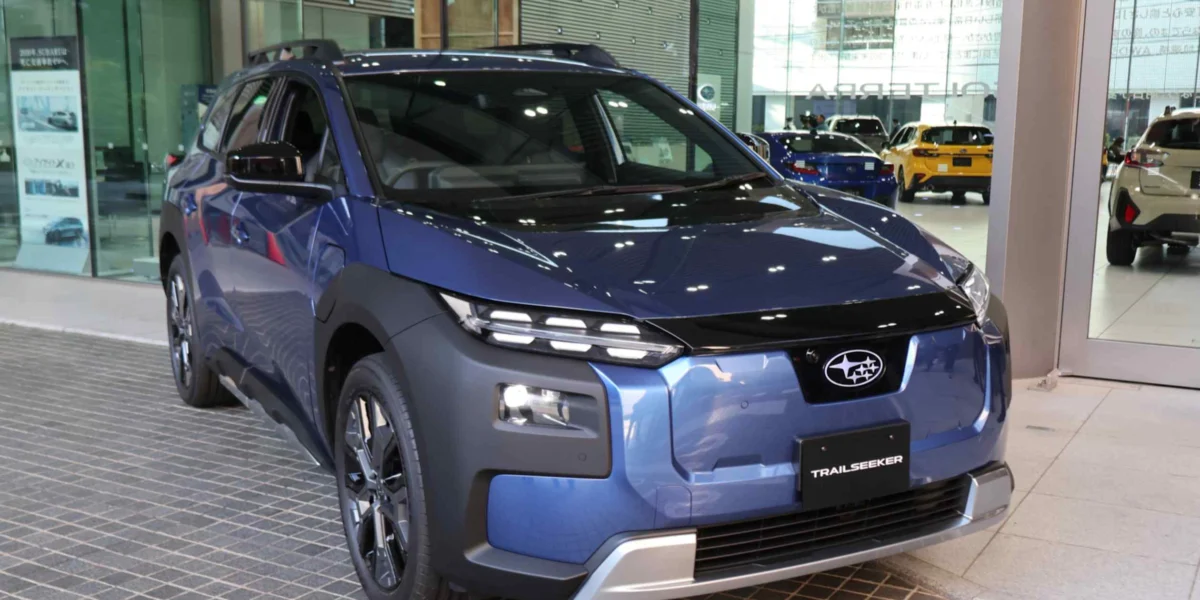
Subaru is poised to become the first Japanese automaker to fully transition to electric vehicles (EVs) in a major market, announcing its intention to cease sales of gasoline-powered cars in Europe as early as 2028. This decisive strategic shift, confirmed by sources familiar with the company’s plans, signals a rapid acceleration of its electrification efforts, driven by a complex interplay of escalating regulatory pressures, evolving consumer preferences, and the burgeoning costs associated with internal combustion engine (ICE) vehicle development and compliance. The move marks a significant departure from traditional automotive strategies and places Subaru at the forefront of a global industry undergoing a profound transformation.
The Japanese marque, renowned for its all-wheel-drive systems and rugged, adventure-oriented vehicles, has historically catered to a niche but loyal customer base. However, the European Union’s increasingly stringent emissions standards, particularly the upcoming Euro 7 regulations and the effective ban on new ICE vehicle sales from 2035, have created an untenable environment for continued investment in gasoline-powered models within the region. The substantial financial outlay required to meet these evolving standards, coupled with the diminishing long-term market prospects for ICE vehicles, has evidently prompted Subaru to prioritize its resources and focus on a fully electric future for the European continent.
A Calculated Move Amidst Regulatory Headwinds
The decision by Subaru is not an isolated event but rather a calculated response to a global regulatory landscape that is rapidly tightening its grip on carbon emissions. The European Union has been a leading force in this charge, setting ambitious targets for CO2 reduction across the automotive sector. The proposed Euro 7 emissions standards, while facing some revision and debate, are expected to introduce more stringent limits on pollutants from both tailpipe and non-exhaust sources, such as tire and brake wear. For automakers, this translates into significant engineering and development costs to adapt existing ICE powertrains or develop new, cleaner alternatives.
Beyond regulatory mandates, consumer demand in Europe has also shown a discernible shift towards electric mobility. Government incentives, expanding charging infrastructure, and growing environmental awareness have fueled a surge in EV adoption. While Subaru’s current European sales volume might not rival that of larger, more mass-market manufacturers, the company’s commitment to a full EV transition in the region underscores its long-term vision and its willingness to invest in a future where electric vehicles are not just an option, but the primary mode of personal transportation.
The company’s existing EV offerings, such as the Subaru Solterra, developed in partnership with Toyota, will likely form the bedrock of its future European lineup. However, to achieve a complete phase-out of gasoline models by 2028, Subaru will need to significantly accelerate the development and rollout of additional EV models tailored to its brand identity and European market demands. This will likely involve substantial investments in battery technology, electric powertrain development, and potentially new manufacturing capabilities or partnerships within Europe.
Timeline and Evolution of Subaru’s Electrification Strategy
Subaru’s commitment to electrification has been building over several years. In 2020, the company announced its "2030 Environmental Vision," which outlined a goal of reducing the proportion of CO2 emissions from its vehicles by at least 90% by 2050, compared to 2008 levels. This vision included a commitment to increasing the ratio of electrified vehicles to 40% of total global sales by 2030. The recent announcement regarding the European market represents a dramatic acceleration of this trajectory for a specific, highly regulated region.
The initial timeline suggested that Subaru would wind down sales of gasoline-powered cars in Europe as existing stocks run dry, with the date of October 26, 2026, appearing in some early reports. However, the more definitive information indicates a slightly later but still aggressive target of 2028 for the complete exit from ICE sales. This phased approach allows for a more orderly transition, managing inventory and providing a clear runway for dealers and customers.
The progression of Subaru’s electrification strategy can be broadly outlined as follows:
- Pre-2020: Limited focus on hybrid technology, with the majority of sales comprising gasoline-powered vehicles.
- 2020 onwards: Introduction of the "2030 Environmental Vision" with stated electrification targets and the development of hybrid and EV technologies.
- 2022: Launch of the Subaru Solterra, its first global all-electric SUV, co-developed with Toyota.
- 2026-2028: Phased withdrawal from gasoline vehicle sales in Europe, culminating in an all-EV lineup for the region.
- Post-2028: Continued expansion of EV offerings globally, with potential for similar transitions in other key markets.
This accelerated timeline in Europe suggests that the company sees the region as a crucial proving ground for its EV technologies and market strategy. Success in Europe could pave the way for similar, albeit potentially later, transitions in North America and other significant markets.
Supporting Data and Industry Trends
The automotive industry is awash with data supporting the accelerating shift to EVs. Global EV sales have surged in recent years, with projections indicating continued exponential growth. According to the International Energy Agency (IEA), electric car sales surpassed 10 million in 2022, accounting for 14% of all new cars sold globally, up from just 4% in 2020. Projections suggest this figure could reach 35% by 2030.
In Europe specifically, the trend is even more pronounced. In the European Union, Norway, Iceland, and Sweden have already seen EVs capture significant market share, with Norway consistently exceeding 80% of new car sales being electric. While other European nations are not at such extreme levels, the overall trend is undeniably upward, driven by a combination of strong policy support, increasing model availability, and growing consumer acceptance.
The financial implications of this transition are substantial. Automakers are investing billions of dollars in EV research and development, battery production, and the retooling of manufacturing facilities. Companies that fail to adapt risk being left behind as consumer preferences and regulatory frameworks align in favor of electric mobility. Subaru’s decision, while bold, aligns with this broader industry imperative.
Reactions and Implications
While official statements from Subaru regarding this specific timeline have not yet been widely disseminated, the news has been met with a mixture of anticipation and scrutiny from industry analysts and environmental groups.
Industry Analysts are likely to view this as a strategically sound, albeit aggressive, move. "Subaru has always carved out its niche," commented [Fictional Analyst Name], an automotive industry expert at [Fictional Research Firm]. "By committing to an all-electric future in Europe, they are signaling a clear intent to remain competitive in a market that is rapidly electrifying. The challenge, however, will be in the speed and scale of their EV product development to fill the gaps left by their gasoline models and to meet diverse consumer needs."
The implications for Subaru’s European dealers are significant. They will need to invest in EV charging infrastructure, specialized training for technicians, and adapt their sales models to accommodate the shift away from traditional internal combustion engines. The transition period will require careful management to avoid inventory issues and ensure a smooth customer experience.
For European consumers, this means a future where Subaru’s signature all-wheel-drive capability will be increasingly delivered through electric powertrains. This could appeal to environmentally conscious buyers who value Subaru’s reputation for durability and off-road prowess, but it also raises questions about the affordability and performance characteristics of future EV models in comparison to their gasoline predecessors.
Environmental advocacy groups are likely to applaud the move as a positive step towards decarbonizing the transportation sector. "Any significant move by an established automaker to accelerate their transition to zero-emission vehicles is a welcome development," stated [Fictional Advocate Name], spokesperson for [Fictional Environmental Organization]. "However, the pace needs to be consistent across all markets, and the focus must remain on the most sustainable battery sourcing and manufacturing practices."
Broader Impact and Future Outlook
Subaru’s bold commitment to an all-EV European market by 2028 could serve as a catalyst for other Japanese automakers. While many have expressed long-term electrification goals, few have set such ambitious, region-specific deadlines for phasing out ICE vehicles. This move could pressure competitors to accelerate their own electrification strategies, particularly in Europe, to avoid losing market share or appearing to lag behind in the transition.
The challenges for Subaru will be manifold. Beyond product development and manufacturing, they will need to ensure a robust charging ecosystem is available for their customers and that their battery supply chains are secure and sustainable. The brand’s identity, often associated with outdoor adventure and ruggedness, will need to be translated effectively into the EV space, showcasing the performance, range, and utility that their loyal customer base expects.
The decision also highlights the growing divergence in automotive strategies between different global regions. While Europe is pushing ahead aggressively with electrification, other markets may adopt a more gradual approach, balancing EV adoption with continued demand for hybrid and even efficient ICE vehicles. Subaru’s focus on Europe suggests a willingness to prioritize markets where the regulatory and consumer landscape is most conducive to a rapid EV transition.
In conclusion, Subaru’s projected exit from gasoline car sales in Europe by 2028 represents a landmark moment in the automotive industry. It underscores the irreversible momentum of electrification, driven by regulatory imperatives and evolving consumer demands. For Subaru, this is a high-stakes gamble that, if successful, could solidify its position as an innovator in the electric era and set a precedent for its global competitors. The coming years will be critical in observing how the company navigates this profound transformation, from product innovation and manufacturing adaptation to brand perception and customer engagement in a fully electric future.