Lina Wu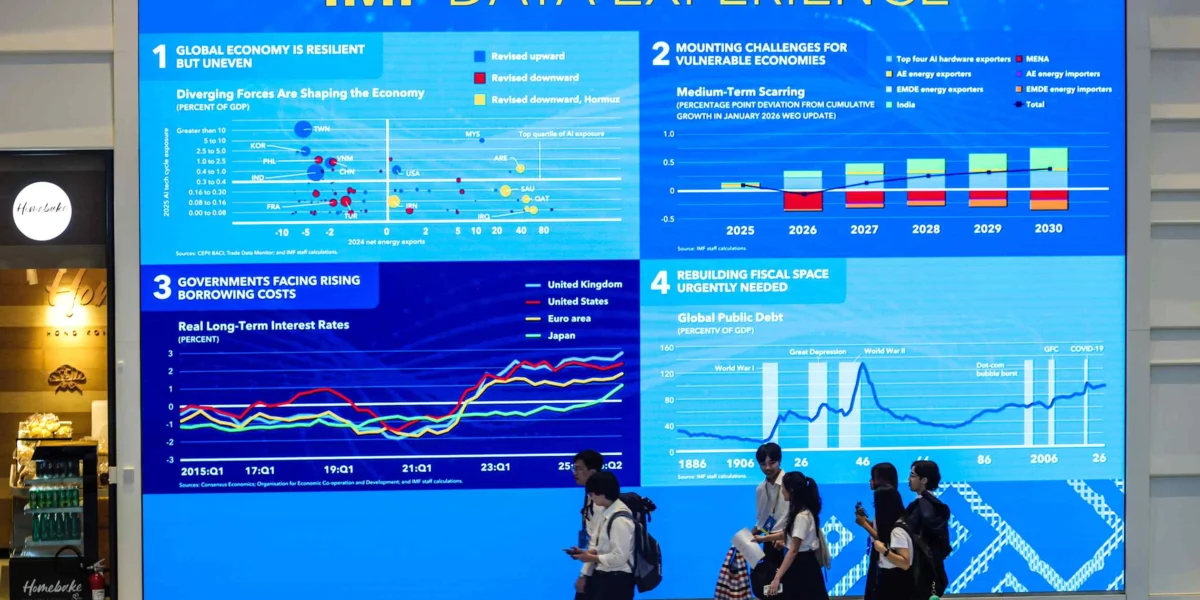
The conclusion of the International Monetary Fund (IMF) and World Bank Annual Meetings in Bangkok, Thailand, has underscored a complex economic landscape for the Asia-Pacific region. While demonstrating remarkable resilience in the face of significant global shocks, including an energy supply crisis and a persistent cost-of-living crisis, the region’s economic strength is proving increasingly disparate. A growing divide is emerging, with some nations benefiting from emerging technological trends like the artificial intelligence (AI) boom, while others lag behind, facing amplified economic pressures. This unevenness poses a significant challenge for policymakers aiming for sustained and inclusive growth across the continent.

A Region Under Strain, Yet Showing Grit
For months, global economic forecasts have been shadowed by uncertainty. The ripple effects of geopolitical conflicts have disrupted energy markets, sending prices soaring and contributing to a sustained surge in inflation across many economies. Simultaneously, the lingering effects of the COVID-19 pandemic, coupled with supply chain vulnerabilities, have exacerbated these inflationary pressures, leading to a palpable cost-of-living crisis affecting households worldwide.
Against this challenging backdrop, many Asian economies have exhibited a surprising degree of fortitude. Solid economic growth figures have been reported by several key players, a testament to robust domestic demand, effective policy responses, and a generally adaptable business environment. The IMF’s latest regional outlook, discussed extensively during the Bangkok meetings, highlighted this resilience, noting that while global growth is projected to slow, Asia is expected to remain the primary engine of global economic expansion.

However, beneath this aggregate strength lies a more nuanced reality. The benefits of global economic tailwinds, such as the rapid advancements and investments in artificial intelligence, are not being universally shared. Nations with strong technological infrastructure, a skilled workforce, and an environment conducive to innovation are poised to capitalize on the AI revolution, potentially unlocking new avenues for productivity growth and economic diversification. Conversely, countries with less developed technological ecosystems, limited access to capital for R&D, and a workforce requiring significant upskilling may find themselves on the wrong side of this digital divide, risking a widening economic gap.
The Bangkok Summit: A Forum for Scrutiny and Strategy
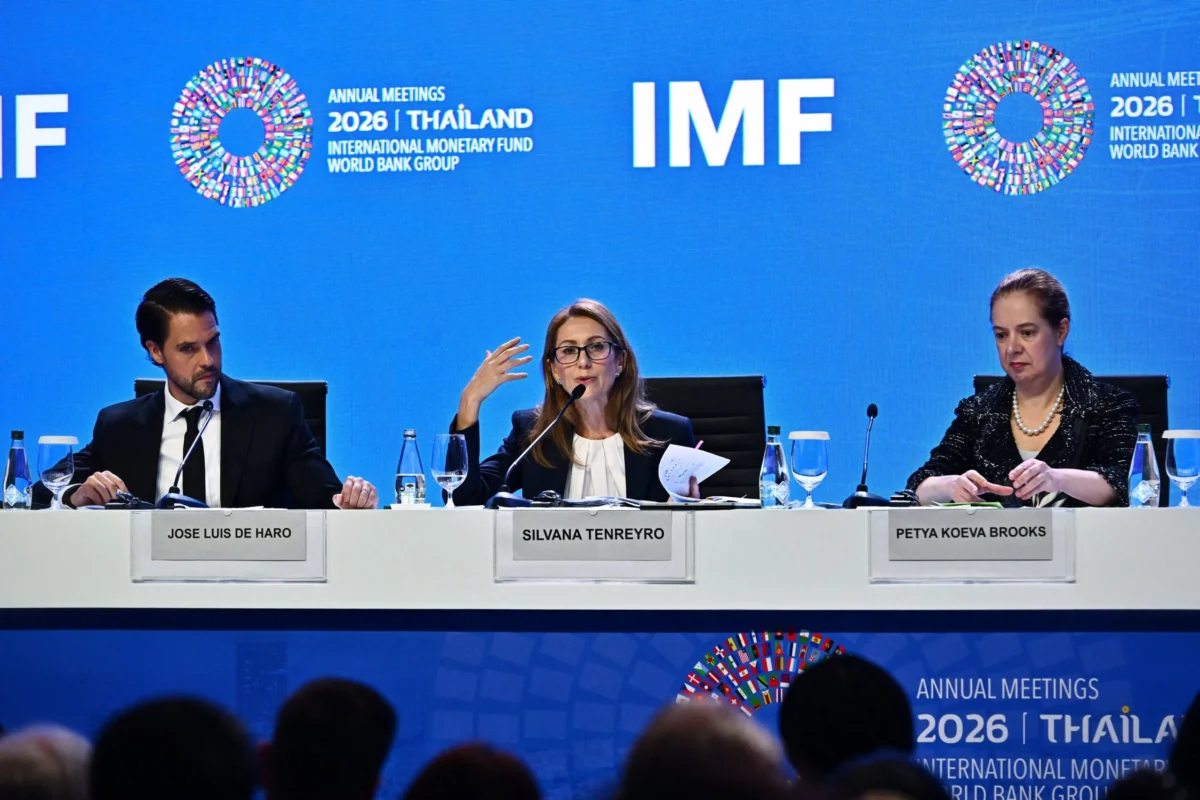
The choice of Bangkok as the host city for the 2026 IMF and World Bank Annual Meetings was significant. Thailand, a nation that has not hosted these pivotal global gatherings in 35 years, presented itself as a dynamic emerging economy, showcasing its own progress while providing a backdrop for crucial discussions on the state of the global economy. The meetings, held from October 17th to October 20th, 2026, brought together finance ministers, central bank governors, academics, business leaders, and civil society representatives from nearly 190 member countries.

The core agenda revolved around the pressing challenges of inflation, the threat of recession in advanced economies, the escalating debt burdens in many developing nations, and the imperative for climate action. For Asia, the central theme emerging from the discussions was the need to navigate these global headwinds while ensuring that the region’s growth trajectory remains inclusive and sustainable. The unevenness of growth, identified as a key concern, was a recurring point of discussion in bilateral meetings and multilateral forums.
Data Points to Divergent Fortunes
Specific economic indicators paint a clearer picture of this widening divergence. While aggregate GDP growth for Asia might remain strong, the composition of that growth is becoming a critical factor. Countries that are significant exporters of manufactured goods, particularly those integrated into global technology supply chains, have benefited from a surge in demand, albeit with some moderation as global consumption patterns shift. Emerging data suggests that nations heavily invested in semiconductor manufacturing, advanced electronics, and digital services are experiencing a disproportionate uplift, largely fueled by the global AI race.

Conversely, economies more reliant on commodity exports, tourism, or remittances are facing more headwinds. Volatility in global commodity prices, driven by supply disruptions and fluctuating demand, has created uncertainty. While some commodity exporters may see short-term gains, the long-term sustainability of such growth is questionable. Furthermore, the cost-of-living crisis, which erodes disposable income, directly impacts the tourism sector and reduces the flow of remittances, two vital income streams for many Asian developing economies.
The IMF’s projections, presented in Bangkok, indicated that while East Asia and the Pacific region as a whole are expected to grow by approximately 4.5% in 2026, this figure masks significant internal variations. Some economies are projected to exceed 6% growth, driven by technological advancements and strong export performance, while others might struggle to reach 2% growth, hampered by structural challenges and external vulnerabilities.

The AI Factor: A Double-Edged Sword
The AI boom, a defining technological trend of the mid-2020s, has emerged as a significant factor in this economic stratification. Investments in AI research, development, and deployment are surging globally, creating new industries and transforming existing ones. Countries that possess the necessary digital infrastructure, a highly skilled workforce capable of developing and utilizing AI technologies, and supportive regulatory frameworks are reaping substantial benefits. This includes enhanced productivity, the creation of high-value jobs, and the potential for significant economic diversification.
However, the path to AI adoption is not uniform. Many Asian nations face significant hurdles, including a shortage of AI talent, inadequate digital infrastructure, limited access to computing power, and a lack of robust data governance policies. Without substantial investment and strategic planning, these countries risk being left behind, becoming consumers of AI technologies rather than creators or significant beneficiaries. The consequence is a potential exacerbation of existing inequalities, both within countries and between nations.

Policy Responses and Official Reactions
The IMF and World Bank officials, in their pronouncements and private consultations during the Bangkok meetings, stressed the urgent need for Asia to address this growing unevenness. Kristalina Georgieva, the Managing Director of the IMF, reiterated the organization’s commitment to supporting member countries in navigating these complex economic waters. She emphasized the importance of prudent fiscal policies to manage debt, targeted social safety nets to protect vulnerable populations from the cost-of-living crisis, and strategic investments in education, digital infrastructure, and green technologies to foster inclusive growth.
The World Bank, represented by its President Ajay Banga, echoed these sentiments, highlighting the critical role of private sector investment and international cooperation. Banga specifically pointed to the need for greater access to finance for small and medium-sized enterprises (SMEs) in developing Asian economies, enabling them to participate in and benefit from global technological advancements.

National policymakers attending the meetings also acknowledged these challenges. Several finance ministers from Southeast Asian nations, speaking on background, expressed concerns about the widening digital divide and the need for greater regional collaboration to share best practices and resources for AI development and adoption. There was a palpable sense of urgency to implement policies that would not only foster economic growth but also ensure that the benefits are broadly distributed.
Broader Implications for the Region and Beyond
The increasing unevenness of economic resilience in Asia has profound implications. For countries that are successfully leveraging technological advancements, the future holds promise for accelerated development, higher living standards, and enhanced global competitiveness. They are likely to become innovation hubs, attracting further investment and talent.

However, for those countries struggling to keep pace, the challenges are significant. They risk facing persistent poverty, widening income inequality, social unrest, and a diminished capacity to address other critical issues such as climate change adaptation and healthcare. This divergence could also lead to increased geopolitical tensions and migration pressures as economic disparities grow.
The trend also has broader implications for the global economy. Asia’s role as a growth engine is crucial for global economic stability. If a significant portion of the region experiences stagnant or declining economic fortunes, it will inevitably dampen global demand and create further headwinds for other economies.

The conclusion of the Bangkok meetings serves as a critical juncture. While Asia’s overall resilience is a cause for cautious optimism, the growing unevenness demands immediate and sustained policy attention. The ability of regional governments, in collaboration with international institutions like the IMF and World Bank, to implement targeted strategies that bridge the digital divide, foster inclusive growth, and equip all citizens with the skills for the future will determine the long-term economic trajectory of this vital global region. The success of these efforts will not only shape the future of Asia but will also have a significant bearing on the stability and prosperity of the global economy for years to come. The data presented and discussions held in Bangkok have provided a clear roadmap; the challenge now lies in its diligent and equitable implementation.