Putri Inara
The rapid ascent of pickleball as a dominant global sport has begun to intersect with the professional world of digital content creation, offering a blueprint for success in the increasingly competitive creator economy. As pickleball cements its status as the fastest-growing sport in the United States, professional bloggers and digital strategists are identifying core tactical parallels between the court and the keyboard. This convergence highlights a shift in digital strategy where the focus has moved from aggressive, high-volume output to a more nuanced, community-centric approach. By analyzing the mechanics of the game—ranging from the strategic "dink" to the importance of court positioning—content creators are finding new methodologies to sustain growth, engage audiences, and navigate the volatile landscape of modern SEO and social media algorithms.
The Evolution of Two Industries: A Chronological Overview
To understand the synergy between these two seemingly disparate fields, one must examine their historical trajectories. Pickleball was conceived in 1965 on Bainbridge Island, Washington, by Joel Pritchard, William Bell, and Barney McCallum. What began as a makeshift backyard activity using a perforated plastic ball and a lowered badminton net remained a regional curiosity for decades. It was not until the early 21st century that the sport began its exponential climb. According to the Sports & Fitness Industry Association (SFIA), pickleball participation grew by 158.6% over the last three years, reaching an estimated 8.9 million players in the United States by 2023.
Parallel to this, the blogging industry underwent a similar metamorphosis. In the late 1990s, "weblogs" were primarily digital journals for hobbyists. The launch of platforms like Blogger in 1999 and WordPress in 2003 democratized publishing, leading to the "Golden Age of Blogging" in the mid-2000s. By 2024, the creator economy is valued at approximately $250 billion, with Goldman Sachs projecting it could reach $480 billion by 2027. Both industries share a history of humble beginnings followed by a sudden, massive institutionalization and commercialization. The lessons learned in the maturity of pickleball—specifically regarding accessibility and community retention—are now being applied by veteran bloggers to survive the "content saturation" era.
Strategic Core: The Power of the ‘Dink’ and Content Simplicity
In pickleball, the "dink" is a soft, controlled shot that drops just over the net into the opponent’s non-volley zone, known as the "kitchen." While beginners often attempt to power the ball past their opponents, professional players use the dink to control the tempo and force the opponent into making a mistake. This tactical patience is directly applicable to high-level blogging strategy.
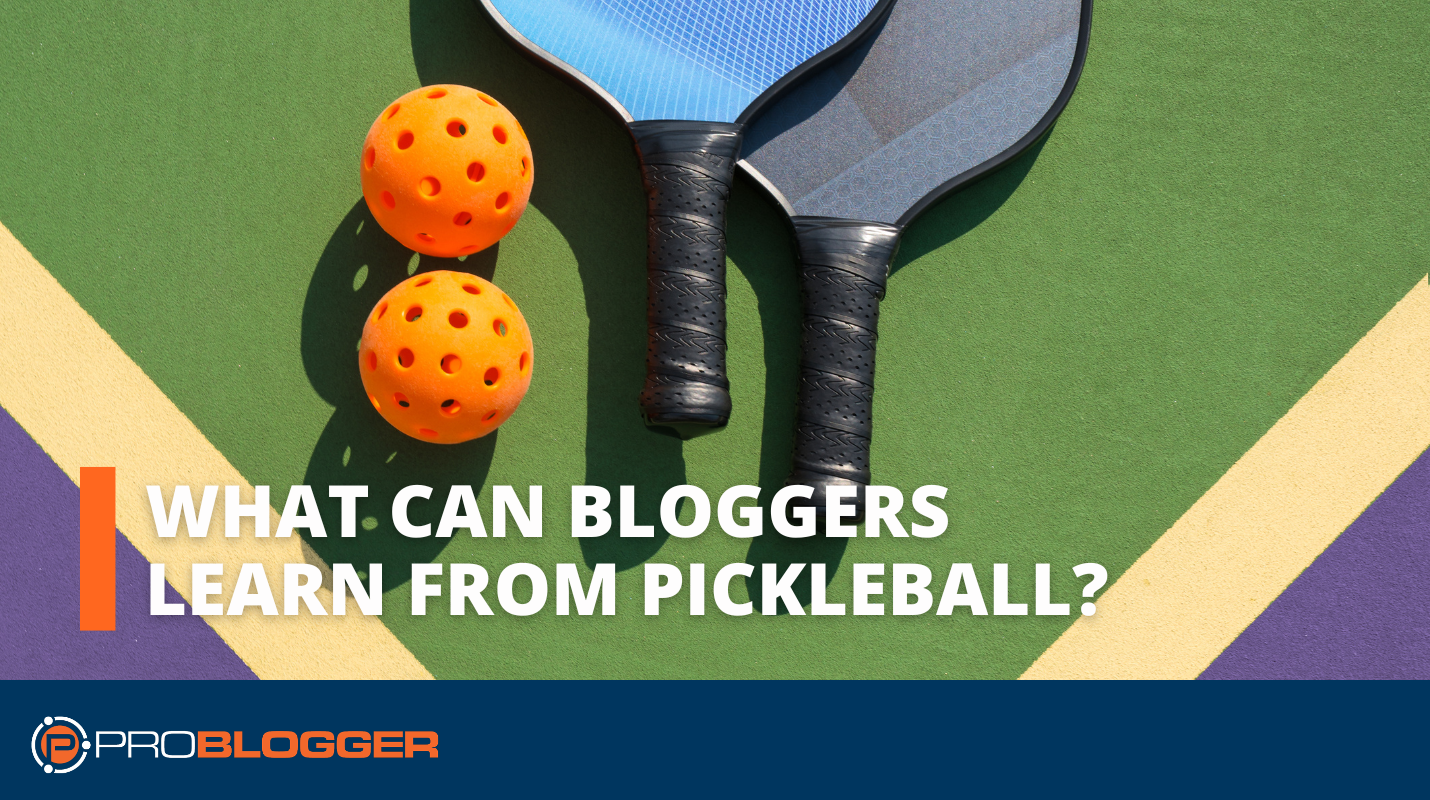
In the current digital environment, "power shots"—represented by clickbait headlines or aggressive sales funnels—are increasingly met with "banner blindness" and audience fatigue. Modern content strategy now prioritizes "dinking": the art of delivering simplified, high-value, and easily digestible information. Industry data suggests that while long-form content (over 2,000 words) performs well for SEO, the readability and structural simplicity of that content are the primary drivers of user retention. By avoiding jargon and maintaining a clean, accessible layout, bloggers mimic the dink’s efficiency, controlling the flow of information and building trust without overwhelming the consumer.
Market Data: Participation and Engagement Metrics
The growth of pickleball provides a statistical mirror for the potential of niche blogging. The SFIA 2023 Topline Participation Report notes that the sport’s appeal spans every age demographic, with the 18–34 age group now representing the largest percentage of players. This demographic shift is mirrored in the blogging world, where Gen Z and Millennials are the primary consumers of independent newsletters and niche-specific blogs.
Furthermore, engagement data from the 2023 HubSpot State of Marketing Report indicates that blogs remain one of the top three media formats used by marketing teams today. However, the report highlights that "active engagement"—measured by comments, social shares, and time-on-page—is the new gold standard, replacing raw traffic. This aligns with the "rally" concept in pickleball. A sustained rally in the sport engages both the players and the spectators, just as active community management in blogging transforms a passive reader into a brand advocate.
Resilience and the ‘Whiff’: Handling Digital Failure
In both professional sports and professional publishing, failure is an inherent part of the iterative process. In pickleball, a "whiff" occurs when a player swings and misses the ball entirely. Even at the professional level, unforced errors are a tracked statistic. For the digital creator, a "whiff" is a blog post that fails to rank on search engines or a social media campaign that receives zero engagement.
Analytic firms such as Content Science Review suggest that nearly 60% of B2B content goes unread. However, the journalistic consensus among digital strategists is that these failures provide critical data points. The "pickleball mindset" encourages creators to analyze the mechanics of the miss—was the "serve" (the headline) too weak? Was the "positioning" (the SEO keyword targeting) off? By viewing content misses as strategic adjustments rather than terminal failures, bloggers can maintain the psychological resilience necessary for long-term viability in a market where algorithm updates can devalue years of work overnight.
Official Responses and Industry Sentiment
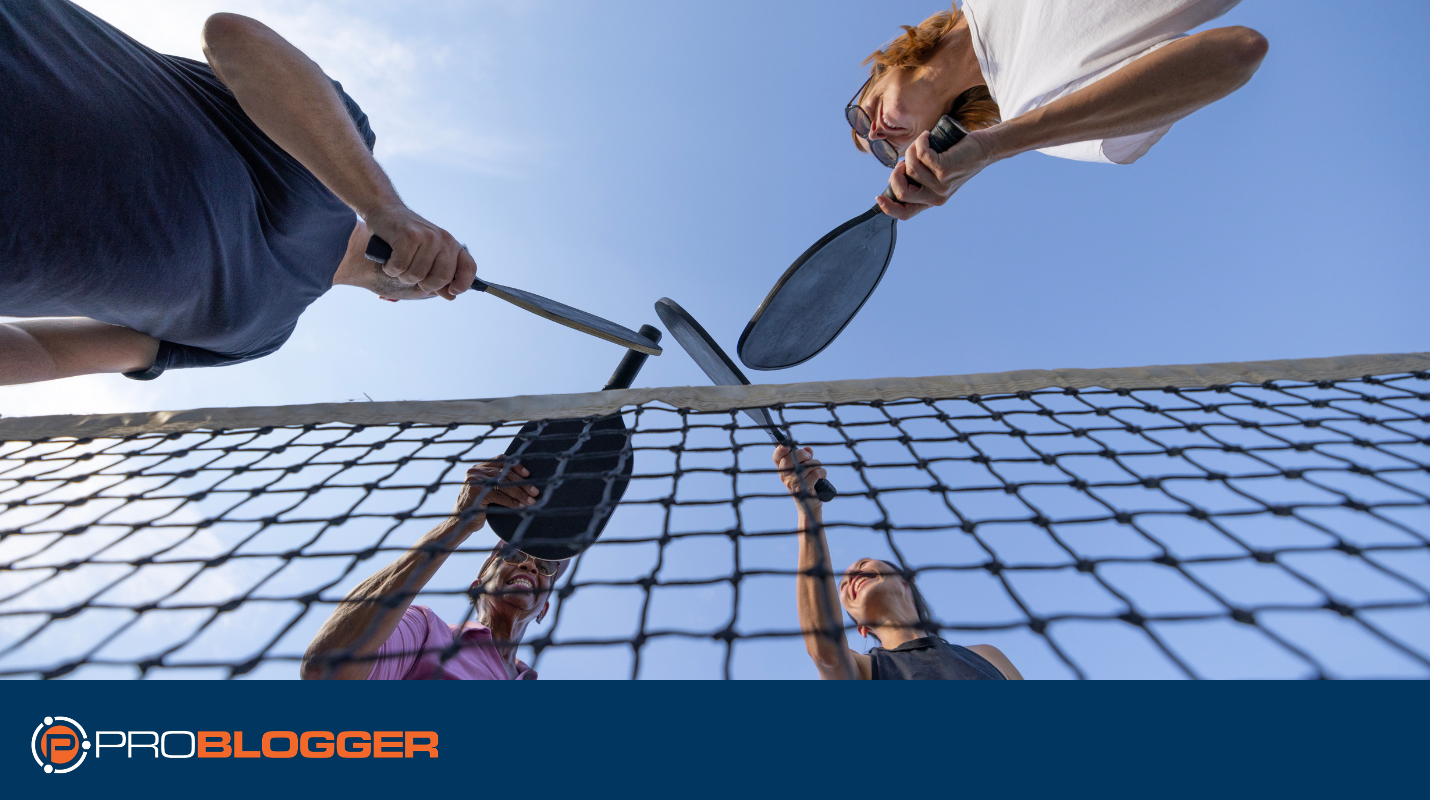
The professionalization of pickleball has led to the formation of organizations like the Professional Pickleball Association (PPA) and Major League Pickleball (MLP). These bodies have standardized rules and created a framework for professional conduct. Similarly, the blogging industry has seen the rise of professional standards through organizations like the Internet Advertising Bureau (IAB) and the emergence of ethical AI guidelines.
Industry experts suggest that the "fun" element of pickleball is its most potent retention tool. "The reason pickleball has succeeded where other sports have plateaued is its low barrier to entry and high social reward," says Marcus Thorne, a sports industry analyst. This sentiment is echoed by content marketing experts who argue that the most successful blogs in 2024 are those that maintain a "personal, human touch" despite the rise of automated content. The "fun" and "personality" of a blog are no longer just aesthetic choices; they are strategic defenses against the homogenization of AI-generated text.
Strategic Positioning and the ‘Kitchen’ Rule
One of the most unique aspects of pickleball is the "Non-Volley Zone" or "The Kitchen." Players are prohibited from volleying the ball while standing in this zone, a rule designed to prevent players from simply smashing the ball at the net. This forces a game of strategy over brute force.
For bloggers, "strategic positioning" involves identifying a niche where they can provide unique value without "overstepping"—essentially finding their own "sweet spot" in the market. Market saturation in broad categories like "travel" or "finance" makes it difficult for new entries to compete. However, by positioning a blog within a sub-niche (e.g., "solo travel for retirees" or "decentralized finance for small business owners"), creators can dominate a specific area of the "court." According to data from SEMRush, niche-specific keywords often have lower search volume but significantly higher conversion rates, proving that positioning is more valuable than raw reach.
Broader Impact and Future Implications
The integration of sports-based strategies into digital business models marks a maturation of the creator economy. As the landscape becomes more crowded, the "athletes" of the blogging world are those who can combine technical skill with strategic foresight. The implications of this are twofold:
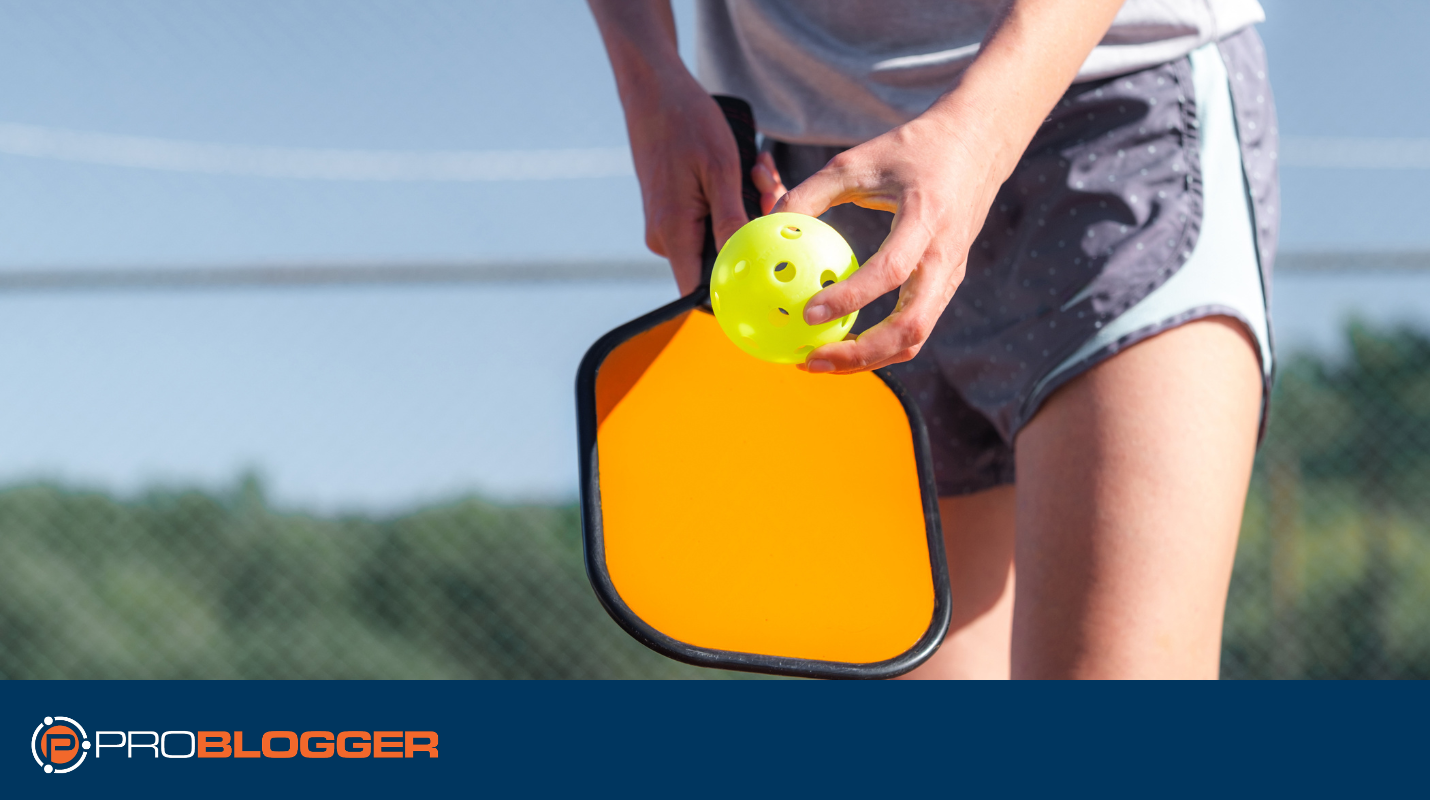
- Professionalization of Content: Just as pickleball moved from backyards to televised tournaments, blogging is moving from casual hobbyism to a sophisticated business model requiring multi-disciplinary skills in SEO, community management, and data analysis.
- Human-Centric Algorithms: Search engines like Google are increasingly prioritizing "Experience, Expertise, Authoritativeness, and Trustworthiness" (E-E-A-T). The "community rally" and "strong serve" techniques mentioned in pickleball parallels are exactly what these algorithms are designed to reward.
Conclusion: The Final Serve
The crossover between pickleball and blogging reveals a fundamental truth about modern success: it is a marathon of small, strategic moves rather than a single sprint of power. By adopting the principles of starting small, engaging the community, simplifying the message, and maintaining focus, bloggers can build platforms that are as resilient and popular as the sport itself.
As the digital landscape continues to shift with the integration of artificial intelligence and changing social media dynamics, the "pickleball strategy" provides a grounded, human-centric framework. The data is clear: those who treat their content as a disciplined sport—focusing on positioning, agility, and the "sweet spot" of audience engagement—are the ones who will remain on the court for the long term. The era of the "accidental blogger" is ending; the era of the "strategic creator" has begun. Whether holding a paddle or a keyboard, the goal remains the same: serve strong, play smart, and keep the rally going.