Farhan Pambudi
The global technology landscape is preparing for its annual focal point as TechCrunch Disrupt 2026 prepares to open its doors at San Francisco’s Moscone West in exactly five days. Scheduled to commence at 8 a.m. PT on October 13, the event represents a critical juncture for founders, investors, and engineers navigating an increasingly complex digital economy. As the industry grapples with the transition from theoretical artificial intelligence to practical, agentic systems, the three-day summit is expected to host over 10,000 tech leaders, providing a centralized platform for networking, capital allocation, and product debuts.
With the event looming, organizers have signaled the final window for discounted registration. Current rates offer savings of up to $100 before on-site pricing takes effect. In an effort to foster collaborative attendance, the conference has maintained its "Buy One, Get One 50% Off" promotion for pairs, alongside tiered discounts for groups of four or more. Furthermore, reflecting the volatile employment trends within the sector over the past 24 months, a dedicated "Expo+ Layoff" ticket remains available for $75, aimed at ensuring displaced workers maintain access to the networking opportunities essential for career pivoting.
A Multi-Dimensional Framework: The Six-Stage Strategy
The 2026 iteration of Disrupt is structured around six specialized stages, a design choice that reflects the fragmentation and specialization of the modern tech sector. This year’s agenda features over 200 sessions, curated to address both the high-level philosophical shifts in technology and the granular, tactical requirements of running a startup in a high-interest-rate environment.
The Disrupt Stage and Startup Battlefield 200
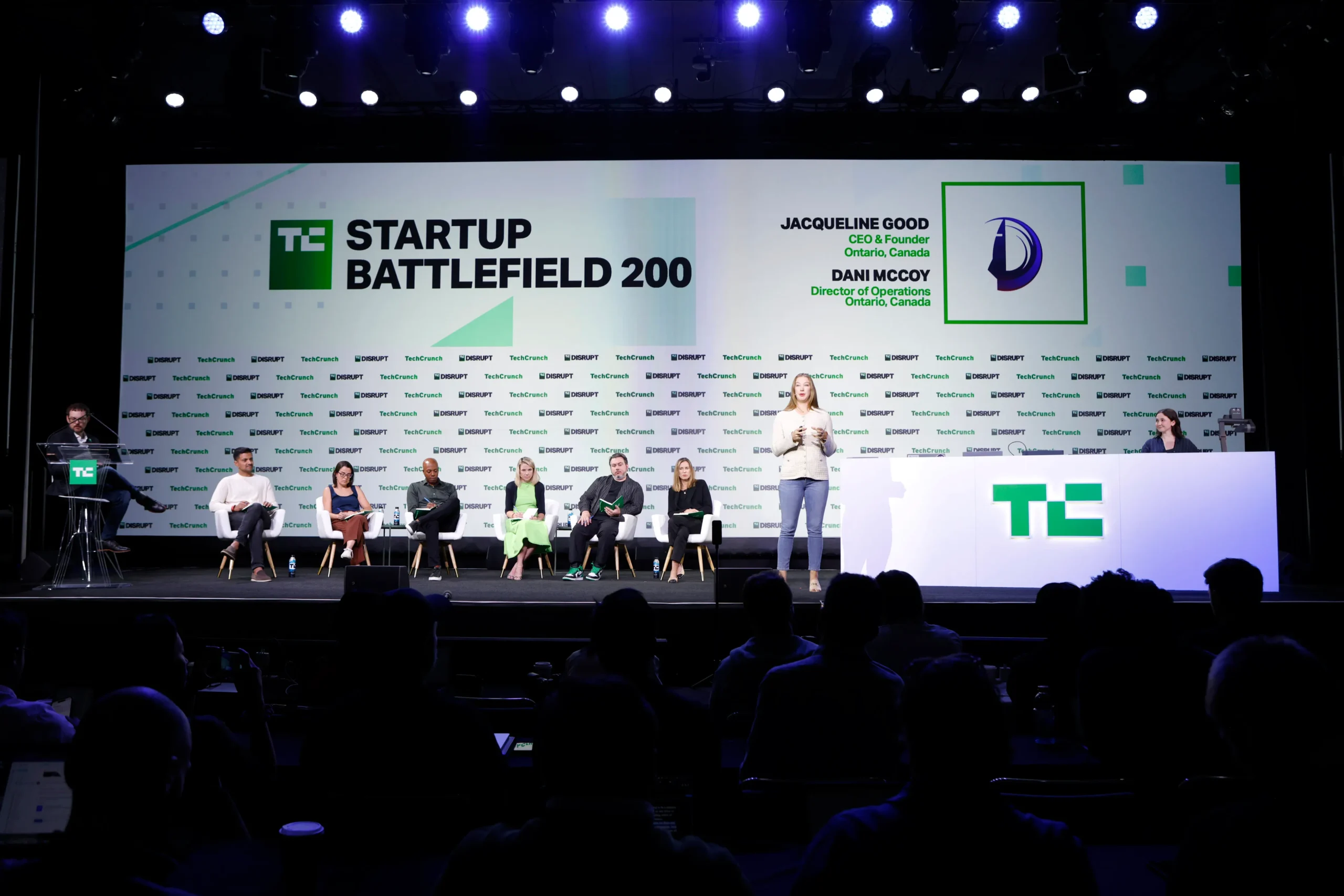
The Disrupt Stage remains the centerpiece of the event, serving as the venue for the Startup Battlefield 200. This competition, which has historically launched companies such as Dropbox, Mint, and Cloudflare, will see 200 hand-picked startups pitch to panels of elite venture capitalists for a $100,000 equity-free prize.

The 2026 speaker lineup on the main stage highlights a blend of deep-tech pioneers and cultural icons who have pivoted into the investment space. Max Hodak, the former president of Neuralink and current CEO of Science Corporation, is slated to discuss the future of neural interfaces and the commercialization of bio-integrated hardware. He will be joined by Garrett Langley of Flock Safety and Andrew Feldman of Cerebras Systems, the latter of whom is expected to address the escalating hardware demands of large-scale AI training. In a move that highlights the intersection of celebrity and venture capital, Mark Wahlberg will also make a special appearance to discuss his portfolio of tech-enabled consumer brands and the role of storytelling in brand scaling.
The Builders Stage: Tactical Operations
Recognizing that the "growth at all costs" era has been replaced by a focus on sustainable unit economics, the Builders Stage acts as a tactical workshop. Sessions here are led by executives from Nvidia, Uber, and Google Cloud, focusing on the "how-to" of modern entrepreneurship. Key themes for 2026 include achieving product-market fit in crowded AI marketplaces, navigating the complexities of international hiring, and the nuances of Series A and B fundraising in a more discerning investment climate.
The Dual Evolution of Artificial Intelligence
The 2026 conference bifurcates its AI coverage into two distinct streams: the AI Stage and the Real World AI Stage. This distinction marks a significant evolution in the conference’s focus. The AI Stage will delve into the software layer—generative models and "agentic" AI that can perform complex tasks autonomously. Leaders from Anthropic, OpenAI, AWS, and Luma will participate in debates regarding model transparency, the energy costs of inference, and the competitive moat provided by proprietary data.
Conversely, the Real World AI Stage shifts the focus to physical manifestations of intelligence. As robotics and automation move from laboratory settings to industrial and consumer environments, this stage will feature live demonstrations of humanoid robots and autonomous systems. Executives from General Motors, Agility Robotics, and Waabi will provide insights into the deployment of AI in logistics, manufacturing, and transportation, addressing the regulatory and safety hurdles that remain the primary barriers to mass adoption.
Economic and Financial Infrastructure: Smart Money and Smart Systems
Beyond the headline-grabbing AI developments, Disrupt 2026 places a heavy emphasis on the "plumbing" of the digital economy. The Smart Money Stage is dedicated to the evolution of fintech, covering the mainstreaming of stablecoins, the integration of AI into personal finance, and the future of cross-border payments. With representatives from Robinhood, Airwallex, and American Express, these sessions will analyze how traditional financial institutions are responding to the challenge of decentralized finance (DeFi) and real-time settlement systems.

The Smart Systems Stage addresses the physical infrastructure required to sustain the digital boom. As data centers become the "new oil" of the 21st century, conversations led by companies like Helion and Ambrosia Energy will explore the intersection of tech and energy. Topics will include the development of modular nuclear reactors for data center power, the automation of the electrical grid, and the role of robotics in maintaining critical infrastructure.
The Expo Hall: A Microcosm of Global Innovation
While the stages provide the narrative, the Expo Hall provides the evidence. Featuring more than 300 companies, the hall serves as a three-day marketplace of ideas. For many attendees, the value of Disrupt lies in these informal interactions—the ability to speak directly with the engineers building a product or to witness a live pitch from an early-stage founder who may not yet have a booth on the main floor.
Industry analysts suggest that the 2026 Expo Hall will see a resurgence in "hard tech" and "climate tech" startups. As venture capital firms increasingly seek tangible assets and ESG-compliant (Environmental, Social, and Governance) investments, the diversity of the Expo Hall reflects a broader trend toward diversified portfolios. The hall also facilitates "vertical" networking, where founders in niche sectors like agtech or medtech can find specialized investors who understand their unique regulatory and developmental timelines.
Historical Context and Industry Implications
TechCrunch Disrupt’s return to San Francisco in 2026 carries significant symbolic weight. The city has faced a scrutinized recovery period following the shifts in remote work and urban flight. However, the concentration of AI talent in the Bay Area has solidified San Francisco’s status as the "AI Capital of the World." Disrupt 2026 serves as a bellwether for the city’s economic health and its continued ability to draw the global elite of the technology sector.
Chronologically, the 2026 event follows a year of intense consolidation in the software-as-a-service (SaaS) space. Many of the sessions planned for next week are expected to address the "post-hype" reality of AI, where investors are no longer satisfied with wrappers around existing large language models but are instead looking for vertical integration and defensible intellectual property.

Analysis: What to Expect from Disrupt 2026
The implications of this year’s conference extend beyond the immediate $100,000 prize or the networking leads. Historically, the themes that dominate Disrupt tend to set the agenda for the following year’s Consumer Electronics Show (CES) and South by Southwest (SXSW). If the 2026 agenda is any indication, the industry is moving toward a "Full Stack" era—where the most successful companies are those that can bridge the gap between sophisticated software agents and physical hardware.
The inclusion of interactive roundtables and Q&A breakout sessions further suggests a shift toward high-touch, high-value networking. In an age where digital content is ubiquitous, the premium on face-to-face interaction has never been higher. For the 10,000 expected attendees, the goal is not merely to consume information but to forge the partnerships that will define the next decade of technological advancement.
As the five-day countdown continues, the tech community remains focused on Moscone West. With the doors set to open on October 13, the coming week will likely provide the most comprehensive look yet at the future of the global tech ecosystem. For those who have not yet secured their passage, the dwindling availability of discounted tickets serves as a final reminder that the window for participation in one of the year’s most influential industry events is rapidly closing.