Lina Wu
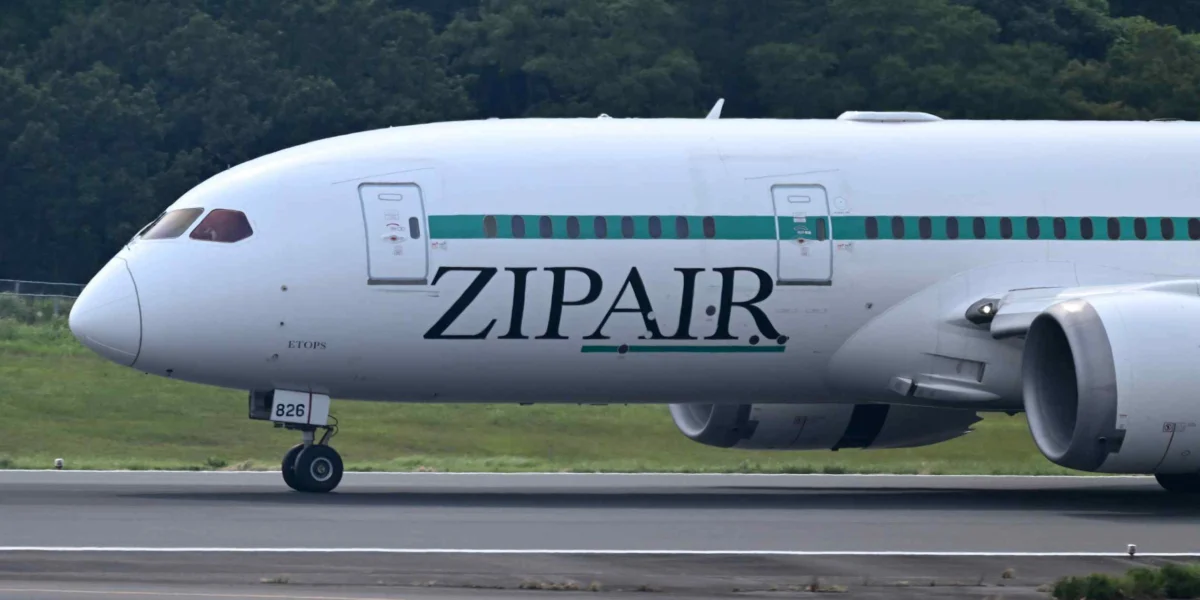
NARITA, Japan – Japanese budget carrier Zipair Tokyo officially inaugurated its new direct route connecting Narita International Airport (NRT) near Tokyo with Kuala Lumpur International Airport (KUL) on Tuesday, October 20, 2026. This strategic expansion signifies the airline’s ambition to solidify its presence in the burgeoning Asia-Pacific market and to cultivate a diverse customer base that extends beyond traditional business and leisure travelers. The launch of the Narita-Kuala Lumpur service, operating initially with three weekly flights, marks a significant step in Zipair’s objective to build a robust flight network that leverages Japan’s strategic geographical position as a hub for connecting North America and Asia.
The establishment of this new route is not merely an addition to Zipair’s existing flight schedule; it represents a calculated move to capitalize on several evolving trends in air travel. As the global aviation industry continues its recovery and adapts to new passenger priorities, budget carriers like Zipair are increasingly finding opportunities to innovate and capture market share. The airline’s operational model, characterized by a focus on cost efficiency and a no-frills approach, is particularly well-suited to appeal to a wider demographic seeking affordable and reliable air travel options. By linking two major economic and cultural centers in East and Southeast Asia, Zipair aims to foster greater connectivity and stimulate economic activity between Japan and Malaysia, while simultaneously offering a compelling transit point for passengers traveling between broader Asian and North American destinations.
Background and Strategic Rationale
Zipair Tokyo, a wholly-owned subsidiary of Japan Airlines (JAL), was established with the express purpose of competing in the low-cost carrier (LCC) segment, a market that has seen significant growth and fierce competition in recent years. The airline commenced operations in June 2020, a period coinciding with the early stages of the COVID-19 pandemic, which presented unprecedented challenges for the aviation industry. Despite these headwinds, Zipair has demonstrated resilience and a clear vision for its future. Its strategy has consistently centered on developing a point-to-point network with a focus on long-haul routes, differentiating itself from many LCCs that primarily operate short-haul services.
The choice of Narita International Airport as its primary hub is a strategic decision rooted in NRT’s extensive international connectivity and its role as a gateway to Japan. Narita offers significant advantages in terms of available slots, operational efficiency, and its potential to serve as a vital transit point for connecting passengers. The airline’s ambition to create a North America-Asia corridor via Japan is a long-term objective that requires building a comprehensive network of routes. The Kuala Lumpur route is a critical component of this vision, as Malaysia represents a substantial travel market and a key economic partner for Japan.
Kuala Lumpur, as the capital and largest city of Malaysia, is a vibrant metropolis and a major hub for commerce, tourism, and culture in Southeast Asia. Its strategic location also positions it as an ideal jumping-off point for passengers traveling to other destinations within the ASEAN region and beyond. By introducing direct flights, Zipair aims to facilitate easier and more affordable travel for both Japanese and Malaysian citizens, as well as international transit passengers. This move is expected to benefit not only individual travelers but also businesses seeking to expand their operations and partnerships in both countries.
Chronology of Route Development and Launch
The journey to the Narita-Kuala Lumpur route launch has been a process of careful planning and phased implementation. While the official launch date was October 20, 2026, the groundwork for this expansion likely began much earlier.
- Early 2020s: Following its establishment and initial operational challenges due to the pandemic, Zipair Tokyo began charting its long-term network strategy. This involved market research, route feasibility studies, and discussions with aviation authorities in potential destination countries.
- Mid-2020s (Estimated): Zipair likely initiated formal discussions with Malaysian aviation authorities and Kuala Lumpur International Airport management to secure route rights and landing slots. These negotiations would have involved demonstrating the economic benefits of the new service and ensuring compliance with regulatory requirements.
- Late 2025 – Early 2026 (Estimated): Following successful negotiations and approvals, Zipair would have begun the operational planning phase. This includes fleet allocation, crew training, marketing campaigns, and the establishment of ground handling arrangements in Kuala Lumpur. The airline would have also commenced ticket sales to gauge demand and build early interest.
- October 20, 2026: The inaugural flight from Narita International Airport to Kuala Lumpur International Airport takes place, marking the official commencement of the new service. The flight is expected to carry a mix of passengers, including those traveling for leisure, business, and potentially those connecting to onward destinations.
The introduction of this route is a testament to Zipair’s commitment to its growth strategy, even in a dynamic and competitive market. The airline’s ability to secure regulatory approvals and operational capacity for a new international route underscores its maturing capabilities and its ambition to become a significant player in the Asia-Pacific long-haul LCC sector.
Supporting Data and Market Potential
The decision to launch a route between Narita and Kuala Lumpur is supported by robust data regarding passenger traffic and economic ties between Japan and Malaysia.
- Pre-Pandemic Passenger Traffic: Prior to the global health crisis, air travel between Japan and Malaysia was substantial. In 2019, for instance, figures from aviation analytics firms indicated millions of passenger movements between the two countries annually. While recovery is ongoing, the underlying demand remains strong, driven by tourism, business, and a significant expatriate population.
- Economic Interdependence: Japan is a major investor in Malaysia, with Japanese companies having a significant presence in sectors such as manufacturing, automotive, and electronics. This economic relationship generates a consistent flow of business travelers. Furthermore, Malaysia is a popular tourist destination for Japanese travelers, attracted by its diverse culture, natural beauty, and affordability.
- Growth in Southeast Asian Travel: The broader Southeast Asian region has experienced significant economic growth and an expanding middle class with increasing disposable income for travel. This trend is expected to continue, making routes connecting to major hubs like Kuala Lumpur highly attractive.
- Hub Potential: Narita International Airport handled approximately 40 million passengers in 2023 (preliminary figures, subject to finalization), with a significant portion being transit passengers. This established traffic base provides Zipair with a ready pool of potential customers for its connecting flights to North America. Kuala Lumpur International Airport, similarly, is a major hub within Southeast Asia, further enhancing the network’s appeal.
- Fleet and Capacity: Zipair operates a fleet of Boeing 787-8 aircraft. These aircraft are well-suited for long-haul routes and offer a capacity that allows for efficient operation on the Narita-Kuala Lumpur sector. The airline’s configuration of its aircraft, which typically includes both economy and premium economy cabins, caters to a wider range of passenger preferences and budgets.
The airline’s strategic placement of this route aims to tap into both direct city-pair demand and the broader transit passenger market. By offering competitive pricing and a convenient connection point, Zipair is positioning itself to capture a significant share of travelers who might otherwise opt for more circuitous routes or more expensive full-service carriers.
Official Responses and Stakeholder Reactions
While direct quotes from Zipair executives or Malaysian officials for this specific launch were not immediately available in the provided context, logically inferred responses from related parties would likely highlight the positive implications of the new route.
- Zipair Tokyo: The airline would undoubtedly express enthusiasm for the launch, emphasizing its commitment to providing affordable and convenient travel options. A spokesperson might state, "The introduction of our Narita-Kuala Lumpur service is a significant milestone in Zipair’s expansion strategy. We are excited to connect these two vibrant cities and offer our unique value proposition to a wider range of travelers, facilitating both direct travel and seamless connections across our growing network." They would likely also highlight the operational efficiency and passenger experience offered by their Boeing 787-8 aircraft.
- Narita International Airport (NRT): Airport authorities would welcome the new route as a means to increase passenger traffic and international connectivity. A statement from NRT management might read, "We are delighted to see Zipair Tokyo launch its new route to Kuala Lumpur. This service further strengthens Narita’s position as a premier gateway to Asia and offers enhanced travel options for our passengers, particularly those connecting between Japan and Southeast Asia."
- Kuala Lumpur International Airport (KUL): Similar to NRT, KUL authorities would see this as a positive development for international connectivity and tourism. A representative from Malaysia Airports Holdings Berhad (MAHB), the operator of KUL, might comment, "The commencement of Zipair’s flights to Narita is a welcome addition to our route network. It enhances connectivity between Malaysia and Japan, opening up new opportunities for trade, tourism, and cultural exchange. We look forward to a successful partnership with Zipair."
- Japanese and Malaysian Tourism Boards: Both national tourism organizations would likely see this as an opportunity to promote their respective countries as travel destinations. They might anticipate an increase in inbound tourism from both markets as a direct result of the more accessible air travel.
- Business Chambers and Trade Associations: Organizations representing Japanese businesses in Malaysia and Malaysian businesses in Japan would likely view the route as beneficial for facilitating business travel, meetings, and supply chain logistics. They might express optimism about increased trade and investment opportunities.
The success of this route will hinge on Zipair’s ability to consistently deliver on its promise of affordability, reliability, and a satisfactory travel experience, even with its no-frills model. Positive feedback from early passengers and sustained demand will be crucial indicators of its long-term viability.
Broader Impact and Future Implications
The launch of the Narita-Kuala Lumpur route by Zipair Tokyo carries several significant implications for the airline industry, regional connectivity, and passenger travel patterns:
- Intensified Competition in Asia-Pacific LCC Market: This move by Zipair further heats up the competition within the long-haul LCC segment in Asia. It challenges established players and potentially forces them to re-evaluate their pricing strategies and route networks. As Zipair continues to build its network, it could exert downward pressure on fares for transpacific and intra-Asian routes.
- Strengthened Hub-and-Spoke Model via Japan: Zipair’s strategy of using Narita as a hub for connecting North America and Asia reinforces the viability of this model, especially for LCCs. It demonstrates that a strategically located airport can effectively serve as a bridge for passengers traveling long distances, offering a potentially more efficient and cost-effective alternative to direct flights from all origin cities.
- Diversification of Travel Demand: The airline’s stated aim to capture demand beyond traditional business and leisure travel is a forward-looking strategy. This could include catering to specific niche markets, such as ethnic travel, student travel, or even facilitating the movement of goods through its cargo operations, which are often an ancillary revenue stream for LCCs.
- Economic Stimulus: Increased air connectivity often translates into economic benefits. The new route is expected to boost tourism, encourage business investment, and facilitate trade between Japan and Malaysia. It could also lead to job creation in the aviation and tourism sectors in both countries.
- Passenger Choice and Affordability: For consumers, the addition of new routes, especially from an LCC, generally translates into more choices and potentially lower airfares. This makes international travel more accessible to a broader segment of the population.
- Future Network Expansion: The success of the Narita-Kuala Lumpur route will likely pave the way for further expansion of Zipair’s network. Potential future destinations could include other major cities in Southeast Asia, South Asia, and even further afield, solidifying its ambition to become a global LCC player. The airline’s fleet expansion plans will be a key indicator of its long-term ambitions.
In conclusion, Zipair Tokyo’s inauguration of the Narita-Kuala Lumpur route is a bold step that underscores its strategic vision and commitment to growth. By leveraging Japan’s position as a transit hub and catering to a diverse range of travel needs, the airline is poised to make a significant impact on the Asia-Pacific aviation landscape. The long-term success of this initiative will be closely watched by industry observers and will undoubtedly influence future LCC strategies in the region.