Clara Shinta
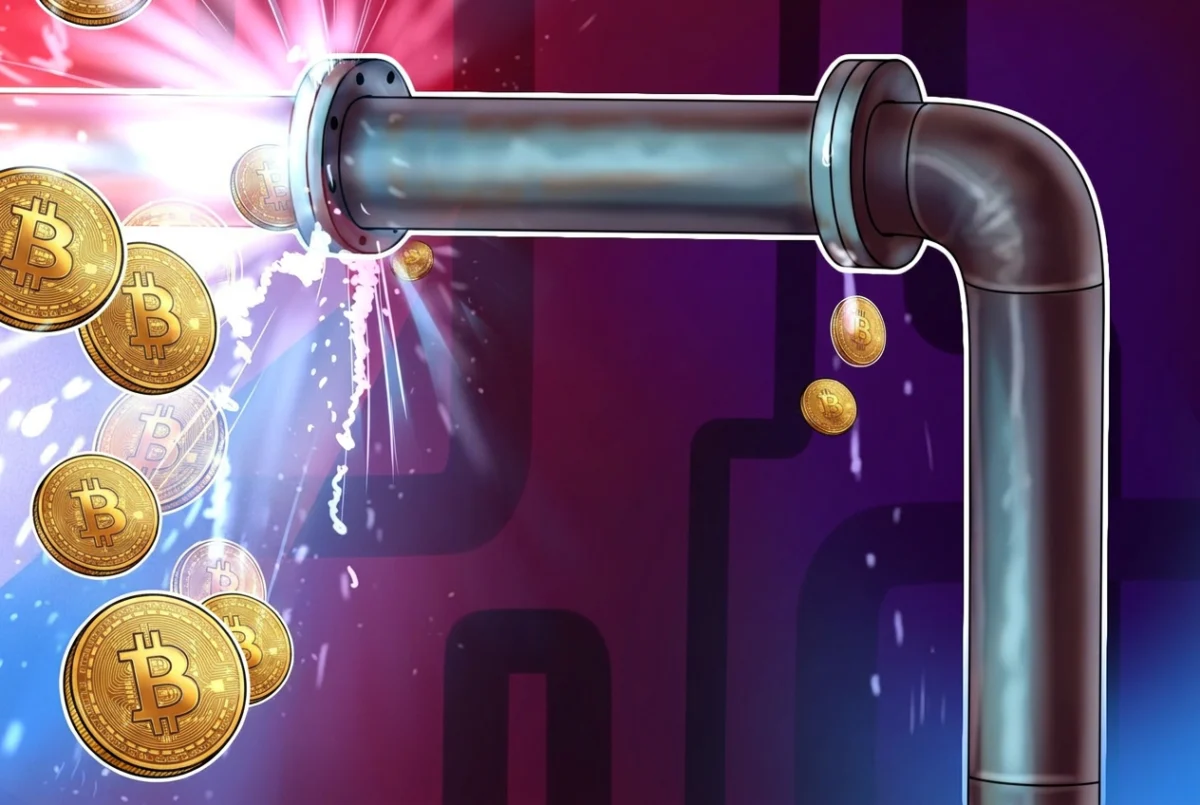
The Layer-1 blockchain project Qubic has successfully restarted its network and commenced a comprehensive recovery process following a critical wallet seed vulnerability that led to the theft of approximately $1.4 million in QU tokens. The exploit affected 1,404 individual accounts, prompting an immediate halt of the network on Sunday to prevent further unauthorized fund movements. According to the project’s latest official updates, the network resumed processing "ticks" — its native unit of transaction progression — at 8:00 p.m. on October 19, advancing beyond tick 85,371,949, the point at which it was initially suspended. This incident underscores the persistent security challenges within the nascent but rapidly evolving decentralized finance (DeFi) and blockchain landscape, particularly concerning client-side cryptographic key generation.
The Incident Unfolds: A Chronology of Events
The critical security breach on the Qubic network came to light when an attacker exploited a flaw in the generation of wallet seeds. This vulnerability allowed for the prediction of certain wallet seeds, subsequently enabling the draining of funds from affected accounts. The precise timeline of the initial exploitation remains under investigation, but the effects became sufficiently widespread to necessitate decisive action by the Qubic development team and network participants.
On Sunday, the Qubic network was deliberately halted. This drastic measure, often considered a last resort in decentralized systems, was implemented to contain the damage and prevent further illicit transfers of QU tokens. Such a halt demonstrates the severity of the vulnerability and the project’s commitment to protecting user assets, even at the cost of temporary network downtime. Blockchain explorers, such as Qubic’s own, confirmed the cessation of block processing at tick 85,371,949.
Following the halt, Qubic’s development team worked swiftly to identify, understand, and mitigate the root cause of the vulnerability. Their investigation pinpointed the issue to an insecure random-number generator (RNG) used in the Qubic web wallet, specifically when accessed on certain Apple devices and browsers. This flaw could produce predictable wallet seeds, undermining the cryptographic security assumed for user funds.
By October 19, the Qubic team announced a fix for the seed-generation flaw, which was integrated into the latest version of its web wallet (version 4.26.4). Concurrently, the network’s validators, known as "Computors" within the Qubic ecosystem, approved a comprehensive recovery plan. This crucial consensus among network participants paved the way for the network’s restart. The same day, at 8:00 p.m., the Qubic blockchain officially resumed operations, signifying a critical step towards stabilization.
Immediately following the restart, Qubic launched a dedicated claims platform designed to facilitate the recovery process for affected wallet holders. This platform provides a mechanism for users to verify if their addresses were compromised and to submit a claim for their stolen QU tokens. The project has set a generous deadline for claims submission, allowing affected users until May 1, 2027, to register their losses, demonstrating a long-term commitment to restitution.
The Technical Core of the Vulnerability: Predictable Seeds
At the heart of the Qubic exploit was a fundamental flaw in cryptographic randomness, a cornerstone of digital security. Blockchain wallets rely on a "seed phrase" — typically a sequence of 12 or 24 words — from which all private keys and public addresses are deterministically derived. The security of these seeds is paramount, as they act as the master key to a user’s funds. If a seed can be predicted or generated non-randomly, an attacker can reconstruct the private keys and gain unauthorized access to the associated wallets.
In Qubic’s case, the vulnerability specifically affected wallet seeds generated using the project’s web wallet on particular Apple devices and browsers. Web-based applications often rely on the client-side (user’s device) for certain cryptographic operations, including random number generation for wallet seeds. The exploit stemmed from an insecure random-number generator (RNG) implementation within this specific environment. A truly secure RNG produces outputs that are statistically indistinguishable from pure randomness, making them impossible to predict. However, a weak or improperly implemented RNG can produce sequences that, while appearing random, exhibit patterns or are based on predictable inputs (like system time or easily guessable environmental variables), thus making the "random" output guessable by a determined attacker.
This type of vulnerability is not unprecedented in the history of cybersecurity, nor is it unique to blockchain. Weak RNGs have historically been a source of cryptographic failures across various applications, from online gambling platforms to secure communication protocols. The incident serves as a stark reminder that the security of a blockchain system extends beyond the integrity of its consensus mechanism to encompass all interfaces and tools users employ to interact with it, especially those involved in key generation. The Qubic team’s swift identification of the flawed web wallet version (prior to 4.26.4) and subsequent release of a patched version (4.26.4 or later) was a critical step in halting further compromises.
Qubic’s Response and Recovery Mechanism: A Multi-pronged Approach
The response from the Qubic team has been multi-faceted, demonstrating a structured approach to crisis management in a decentralized environment. The initial network halt was a critical, albeit disruptive, measure. In blockchain, halting a network is a significant event, often requiring consensus or emergency procedures from core developers and validators. Qubic’s "Computors," its network validators, played a pivotal role in this phase, not only in executing the halt but also in subsequently approving the recovery plan. This highlights the importance of a responsive and engaged validator set in maintaining network integrity and user trust during emergencies.
The network restart, observed on the blockchain explorer as the progression of "ticks," signals that the underlying consensus mechanism and block production are functioning as intended. This is crucial for restoring confidence in the network’s operational stability. The resumption of normal transaction processing allows users to move funds, interact with smart contracts, and for the ecosystem to return to a state of functionality.
Central to the recovery effort is the launch of the dedicated claims platform (weak-seed-reclaim.qubic.org). This platform serves as the official channel for affected users to report their losses and initiate the restitution process. Users are instructed to check their wallet addresses against the list of compromised accounts and, if affected, submit a claim. The extended deadline of May 1, 2027, for claims submission is a thoughtful provision, acknowledging that not all affected users may immediately be aware of the exploit or have the immediate capacity to file a claim. This long window allows for broader outreach and ensures that users who might discover their compromised status later still have an opportunity for recourse.
Addressing Affected Users: A Call to Action
Qubic has issued clear and unequivocal instructions to its user base to mitigate further risk and participate in the recovery. The project emphatically stated, "If you created your wallet with the Qubic web wallet before version 4.26.4 (released 19 October), treat it as insecure, even if your funds were never touched." This directive underscores the proactive nature required in cybersecurity; even if a wallet was not directly drained, the underlying vulnerability means its seed could theoretically be compromised, making it unsafe for future use.
The recommended course of action for users who generated wallets with the vulnerable web wallet version is explicit:
- Update: Users must update their Qubic web wallet to version 4.26.4 or later. This ensures that any future wallet generation or interaction will use the patched, secure random-number generator.
- Create New Wallet: After updating, users are advised to create an entirely new wallet. This new wallet will generate a secure, truly random seed.
- Move Funds: The most critical step is to "Move your funds to the new wallet as soon as you can." This transfers assets from the potentially compromised old wallet to a new, secure address.
- Abandon Old Wallet: Users are strictly warned to "never use the old one again." Continuing to use a wallet generated with a weak seed, even if currently empty, poses an unacceptable risk.
These instructions highlight the user’s responsibility in maintaining personal security within the blockchain ecosystem. While project teams are responsible for infrastructure and software integrity, users must remain vigilant about updating their tools and following security advisories.
Broader Implications for Blockchain Security
The Qubic incident, while specific to a particular web wallet implementation, carries broader implications for the entire blockchain industry. It serves as a potent reminder of several enduring security challenges:
- Client-Side Security: The exploit underscores that vulnerabilities are not limited to smart contracts or core protocol logic but can reside in client-side applications like web wallets. The security chain is only as strong as its weakest link, and often that link is the user-facing interface.
- Random Number Generation (RNG): The incident reiterates the critical importance of robust, cryptographically secure RNGs in all applications dealing with sensitive data, especially private keys. Developers must prioritize audited and well-tested libraries for random number generation.
- Auditing and Testing: While the Qubic team responded quickly, such incidents often prompt questions about pre-deployment security audits. Thorough security audits, penetration testing, and ongoing vulnerability assessments are crucial for any project, particularly those handling significant financial value. This applies not just to core protocol but also to all official tools and interfaces.
- User Education and Responsibility: The incident highlights the ongoing need for user education on best practices, such as understanding seed phrases, the importance of using official and updated software, and the risks associated with certain methods of key generation.
- Centralization vs. Decentralization in Crisis: The ability to halt the network, while a departure from pure decentralization, proved effective in containing the damage. This raises ongoing debates about the pragmatic balance between pure decentralization and the capacity for emergency intervention in crisis scenarios. The Qubic "Computors" consensus on the recovery plan demonstrates a decentralized element in the crisis response, even if the initial halt was a centralized decision.
- Reputation and Trust: Security breaches inevitably impact a project’s reputation and user trust. Qubic’s transparent communication, swift action, and commitment to a recovery process are vital for rebuilding confidence, but the road ahead will require sustained effort.
The Landscape of Layer-1 Blockchains and Security Challenges
Qubic operates as a Layer-1 blockchain, meaning it is a foundational network responsible for processing and settling transactions independently, without relying on another blockchain for security or consensus. Examples of other Layer-1 blockchains include Bitcoin, Ethereum, Solana, and Avalanche. These networks are the bedrock of the decentralized ecosystem, and their security is paramount.
The security landscape for Layer-1 blockchains is constantly evolving, with threats ranging from sophisticated economic attacks (like 51% attacks, though difficult for established chains) to smart contract exploits and, as seen with Qubic, vulnerabilities in ancillary tools or client-side applications. The increasing value locked in DeFi and crypto assets makes these networks highly attractive targets for malicious actors. According to various industry reports, billions of dollars are lost annually to crypto hacks and exploits, with a significant portion attributed to vulnerabilities in code, bridges, and wallet infrastructure. The Qubic incident, while not the largest in terms of monetary value compared to some major DeFi exploits, is significant due to its fundamental nature: a flaw in the very generation of access keys.
Qubic’s unique architecture, including its "Computors" (validators), aims to offer specific advantages. However, the incident demonstrates that even innovative architectures are not immune to vulnerabilities, especially when it comes to the interfaces users interact with. The project’s capacity to orchestrate a coordinated response, including validator consensus for the recovery plan, highlights the resilience that can be built into a Layer-1 design, provided there are robust governance and communication channels.
The Road Ahead for Qubic
For Qubic, the immediate future involves the diligent execution of its recovery plan and ensuring that all affected users can successfully reclaim their funds. The long claim window is a positive step in this direction. Beyond restitution, the project faces the critical task of rebuilding and reinforcing user trust. This will likely involve:
- Enhanced Security Audits: Implementing more rigorous, independent security audits for all future software releases, particularly those involving cryptographic operations or user funds.
- Transparent Communication: Maintaining open and transparent communication channels with its community regarding the recovery process, lessons learned, and future security enhancements.
- User Education: Continuing to educate users on best security practices and the importance of using updated, secure tools.
- Continuous Monitoring: Implementing advanced threat detection and continuous monitoring systems to identify and respond to potential vulnerabilities swiftly.
The Qubic incident serves as a stark reminder that in the fast-paced world of blockchain and decentralized finance, security is an ongoing commitment, not a one-time achievement. The project’s ability to navigate this crisis, restore operations, and provide a clear path to recovery will be a defining moment in its journey within the competitive Layer-1 blockchain landscape.