Clara Shinta
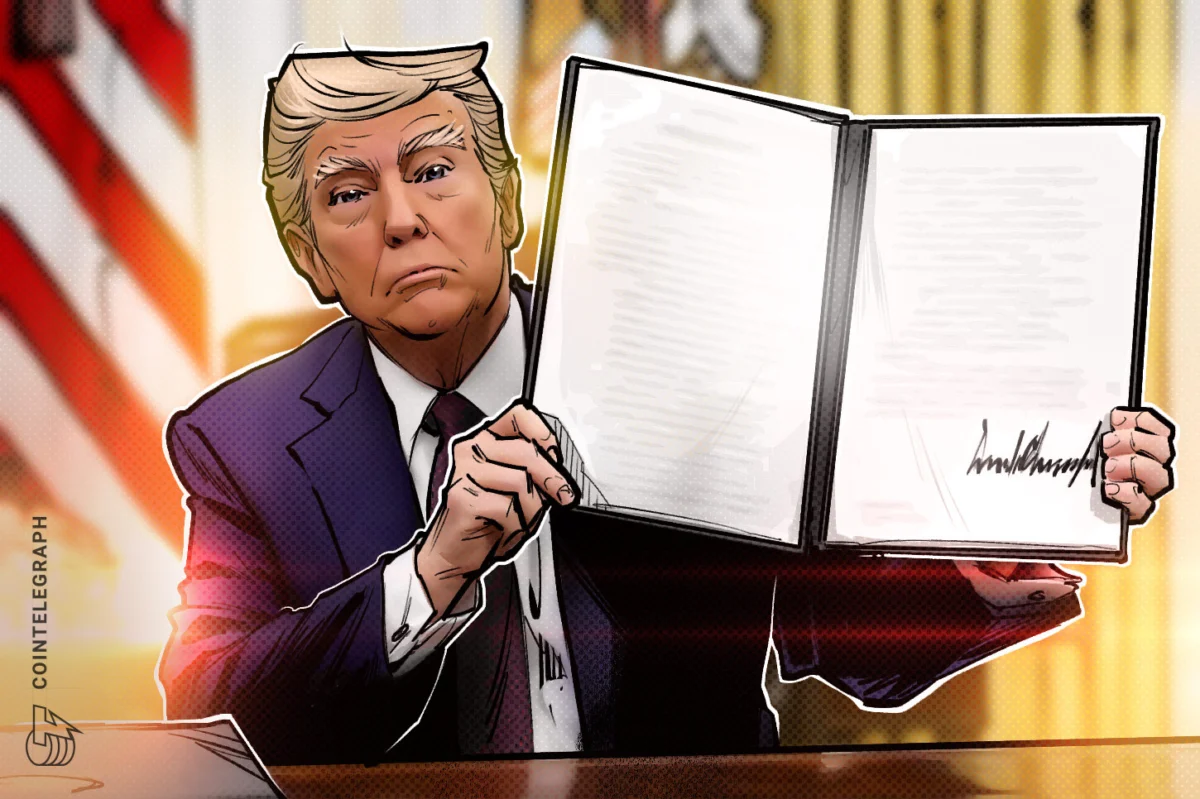
The political landscape of artificial intelligence (AI) policy is rapidly evolving, with former President Donald Trump reportedly considering US Treasury Secretary Scott Bessent as his next AI czar. This development follows Trump’s recent announcement of plans to establish an "AI Force," signaling an intensified focus on managing the burgeoning technology’s transformative potential and inherent risks. The potential appointment underscores a broader recognition within political circles of AI’s profound implications for national security, economic competitiveness, and societal well-being.
The Search for a High-Level AI Steward
The selection of an AI czar is a critical decision, as this individual would likely spearhead the administration’s strategy for AI development, regulation, and national security integration. Sources familiar with the ongoing discussions, as reported by Semafor, indicate that Scott Bessent is a leading candidate for this pivotal role. Bessent, known for his extensive background in finance and investment, brings a distinct perspective that could shape an AI agenda heavily influenced by economic considerations and technological investment.
The reported consideration of Bessent comes at a time when global powers are grappling with the multifaceted challenges and opportunities presented by AI. From ethical guidelines and data privacy to the acceleration of autonomous systems and the potential for job displacement, the scope of AI policy is vast and complex. An AI czar would be tasked with navigating these intricate issues, coordinating efforts across various government agencies, and engaging with private sector innovators and international partners. The role demands not only a deep understanding of technology but also significant administrative acumen and the ability to forge consensus among diverse stakeholders.
Contenders for the Influential Role
While Scott Bessent appears to be a frontrunner, other notable figures are reportedly under consideration for the AI czar position. These include Michael Kratsios, who served as the White House Office of Science and Technology Policy Director during Trump’s previous administration, and Scott Kupor, Director of the Office of Personnel Management and a former managing partner at the prominent venture capital firm Andreessen Horowitz. Additionally, National Cyber Director Sean Cairncross is also reportedly in the running. Each candidate brings a unique set of experiences and qualifications to the table, reflecting different potential priorities for a future AI strategy.
Michael Kratsios’s previous tenure as the nation’s chief technology officer provides him with direct experience in shaping federal tech policy and coordinating initiatives across various agencies. His background suggests a focus on fostering innovation, leveraging government resources for research and development, and engaging with the scientific community. Scott Kupor’s deep roots in venture capital, particularly with Andreessen Horowitz—a firm known for its significant investments in cutting-edge technology, including AI and blockchain—would likely emphasize private sector collaboration, investment attraction, and the commercialization of AI advancements. Sean Cairncross, with his focus on cybersecurity, could prioritize the national security implications of AI, including safeguarding critical infrastructure and developing robust defenses against AI-powered threats. The diversity of these candidates highlights the broad spectrum of challenges and opportunities that a future AI czar would be expected to address.
Official Stance and Unofficial Speculation
In response to reports regarding personnel decisions, White House spokesperson Kush Desai issued a statement to Semafor, asserting that "any reporting about personnel decisions that have not been officially announced by the administration should be regarded as baseless speculation." This standard official response underscores the cautious approach typically taken by administrations regarding high-profile appointments before formal declarations are made. Cointelegraph, in its commitment to independent journalism, also sought comments from the White House and the US Treasury Department, reflecting the media’s effort to obtain official confirmation and provide accurate information to the public. The lack of an immediate official confirmation, while expected, only fuels further speculation regarding the direction of future AI policy under a potential Trump administration.
Trump’s Evolving AI Vision: From "AI Force" to Czar
The current discussion surrounding an AI czar is directly linked to former President Trump’s recent pronouncements on artificial intelligence. On September 19, via a Truth Social post, Trump announced his intentions to form an "AI Force" and appoint an AI czar. While details regarding the specific functions and structure of this "AI Force" remained sparse, the announcement itself signaled a heightened awareness and prioritization of AI at the highest levels of political discourse. This move can be interpreted as an acknowledgment of AI’s strategic importance, akin to how "space forces" or "cyber commands" are established to address specific domains of national interest.
Trump’s previous engagement with AI during his first term provides essential context. He had previously appointed David Sacks as his AI and crypto czar. Sacks, a prominent figure in the tech and venture capital world, stepped down from this specific role earlier this year after reaching his service limit as a special government employee. However, his influence has not entirely waned, as he continues to advise the president through the President’s Council of Advisors on Science and Technology. Sacks’s dual mandate, encompassing both AI and cryptocurrency, highlighted an early recognition of the interconnectedness of these emerging technologies and their potential to reshape economic and geopolitical landscapes. His departure and continued advisory role suggest a continuity in Trump’s interest in leveraging expertise from the private sector for government policy.
The Broader Context: Global AI Race and National Strategies
The push for a dedicated AI czar and an "AI Force" is not an isolated event but rather a reflection of a global trend among major powers to formulate comprehensive national AI strategies. Countries like China, the European Union, and the United Kingdom have already outlined ambitious plans for AI development, research funding, ethical frameworks, and regulatory measures. China, for instance, has set a goal to become the world leader in AI by 2030, investing heavily in research and development and integrating AI into various sectors, from surveillance to military applications. The European Union has focused on developing a human-centric approach to AI, emphasizing ethical guidelines and robust regulatory frameworks, such as the AI Act.
The United States, under both Democratic and Republican administrations, has also recognized the imperative of maintaining its competitive edge in AI. The National AI Initiative Act of 2020, signed into law, established a framework for coordinating federal AI research and development across government agencies. However, the rapidly accelerating pace of AI innovation, exemplified by generative AI models like OpenAI’s GPT series, has intensified calls for more agile and dedicated leadership within the government. The potential appointment of an AI czar signifies an attempt to centralize and streamline these efforts, ensuring a cohesive national strategy that can respond effectively to technological advancements and geopolitical pressures. The "AI Force" concept, though still nebulous, suggests a focus on the practical application and operationalization of AI, potentially in defense, intelligence, or critical infrastructure sectors.
Implications of a Finance-Oriented AI Czar
Should Scott Bessent be appointed AI czar, his background in finance and investment could significantly influence the administration’s approach to AI. A finance-oriented czar might prioritize:
- Economic Competitiveness: Focusing on how AI can drive economic growth, productivity, and create new industries, potentially through strategic investments and fostering a favorable environment for AI startups.
- Risk Management (Financial/Systemic): Addressing the financial risks associated with AI, such as market manipulation, algorithmic bias in financial systems, or the economic impact of AI-driven job displacement.
- Private Sector Collaboration: Leveraging private capital and expertise, potentially through public-private partnerships, to accelerate AI research and deployment.
- Global Investment Flows: Understanding how AI influences international trade, investment, and the strategic positioning of the U.S. in the global AI race.
This perspective could contrast with a czar primarily from a technical or scientific background, who might emphasize fundamental research, ethical AI development, or direct government-led innovation. The choice of Bessent could indicate a strategic decision to approach AI predominantly as an economic and investment opportunity, while simultaneously managing its associated financial and systemic risks.
The Intersection of AI and Crypto
The previous role of David Sacks as both AI and crypto czar highlights a growing recognition of the intertwined nature of these two transformative technologies. AI’s potential to drive crypto demand, as noted by institutions like BlackRock, remains a significant area of interest. AI can enhance blockchain technology through improved security, efficiency, and smart contract functionality. Conversely, blockchain can provide decentralized, secure, and transparent infrastructure for AI applications, particularly in areas requiring data integrity and provenance. A future AI czar, regardless of their primary background, would likely need to consider this convergence, especially if the administration seeks to foster innovation across both domains while also addressing regulatory challenges. The establishment of clear policy frameworks for both AI and crypto could prove crucial for ensuring U.S. leadership in the broader digital economy.
Looking Ahead: Policy Challenges and Opportunities
The potential appointment of an AI czar marks a critical juncture in the development of U.S. AI policy. The individual chosen will face a myriad of challenges, including:
- Ethical AI Development: Establishing guidelines for responsible AI, addressing issues of bias, fairness, transparency, and accountability.
- National Security: Integrating AI into defense and intelligence operations while mitigating risks associated with autonomous weapons systems and AI-powered cyber threats.
- Economic Impact: Managing job displacement, fostering workforce retraining, and ensuring that the benefits of AI are widely shared.
- Regulatory Frameworks: Developing adaptable regulations that can keep pace with rapid technological advancements without stifling innovation.
- International Collaboration and Competition: Engaging with allies on shared AI challenges and maintaining a competitive edge against strategic rivals.
The establishment of an "AI Force" and the appointment of a dedicated czar could signify a more coordinated, proactive, and potentially aggressive approach to AI policy under a future Trump administration. This move would aim to consolidate various AI initiatives under a single, high-level authority, providing a clearer vision and more streamlined execution. The ultimate success of such an initiative will depend on the czar’s ability to navigate complex technical, ethical, economic, and geopolitical considerations, forging consensus among diverse stakeholders, and translating ambitious plans into tangible outcomes that secure America’s leadership in the age of artificial intelligence.