Ena Muazin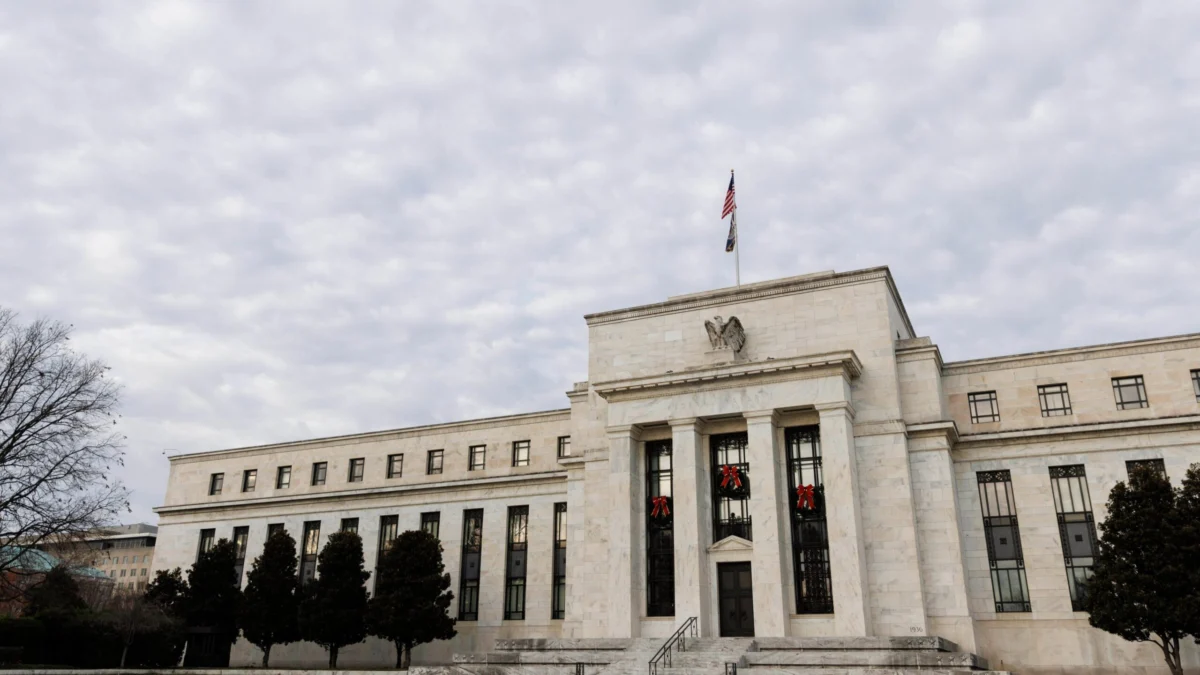
The United States economy has experienced a period of modest expansion in recent weeks, according to the Federal Reserve’s latest Beige Book report. This observation comes as the central bank navigates a complex economic landscape marked by persistent inflation, geopolitical tensions, and fluctuating energy prices. While the overall outlook remains cautiously optimistic, businesses are increasingly grappling with a heightened degree of uncertainty that could temper future growth prospects.
Economic Activity and Price Trends
The Beige Book, a compilation of anecdotal evidence on economic conditions from the Fed’s twelve districts, indicates that economic activity has expanded at a slight pace since the previous report. This marks a continuation of a trend observed in recent months, suggesting resilience in the face of various economic headwinds. Alongside this growth, the report notes a moderate increase in prices across a broad range of sectors. This inflationary pressure, while described as moderate, remains a key concern for policymakers and consumers alike.
Employment figures have also seen a marginal uptick. While the labor market has shown some improvement, the pace of job creation appears to be relatively slow, reflecting a delicate balance between demand for labor and the broader economic environment. Businesses are reporting ongoing challenges in attracting and retaining qualified workers, a persistent issue that has contributed to wage pressures in certain industries.

Factors Contributing to Uncertainty
Despite the observed growth, the outlook for the coming months is clouded by several significant factors that are contributing to elevated uncertainty for businesses. Foremost among these is the volatility in energy prices. Fluctuations in the cost of oil and natural gas have a ripple effect across the economy, impacting transportation costs, production expenses, and ultimately, consumer spending. Geopolitical developments, including international conflicts and trade disputes, further exacerbate this uncertainty by creating unpredictable shifts in supply chains, commodity markets, and global demand.
In addition to these external pressures, the Beige Book highlights that businesses in several Federal Reserve districts are encountering greater price sensitivity among consumers. This means that companies are finding it more difficult to pass on rising costs to their customers, potentially squeezing profit margins and influencing investment decisions. This increased consumer vigilance on pricing suggests a cautious approach to spending, possibly due to concerns about personal finances or the broader economic outlook.
The Federal Reserve’s Mandate and Upcoming Decisions
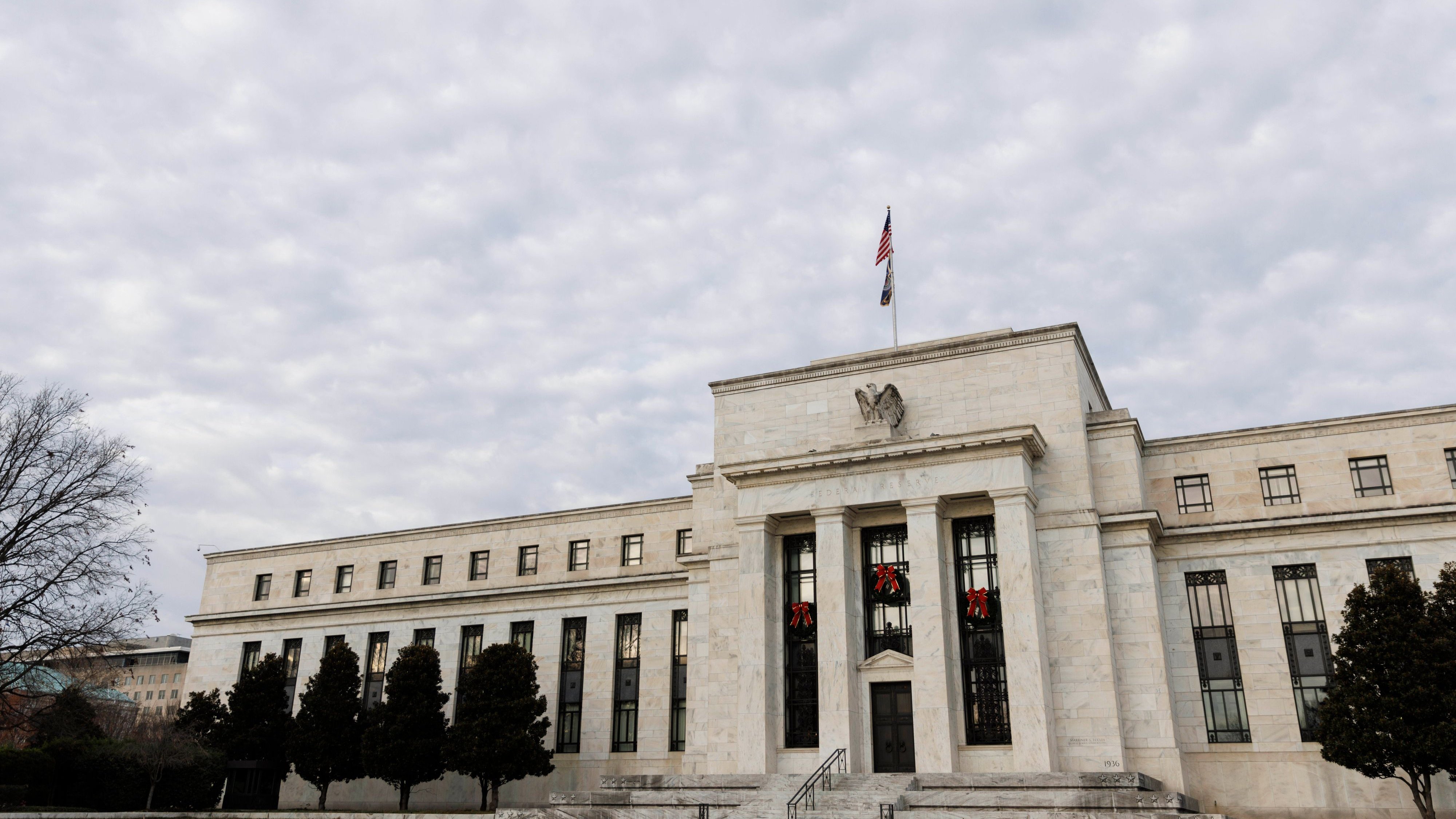
The insights from the Beige Book are crucial for the Federal Reserve as it prepares for its next monetary policy meeting, scheduled for September 15th and 16th. The Fed has maintained its benchmark interest rate in the range of 3.50% to 3.75% since December. However, the current economic data and the prevailing uncertainty are likely to be central to discussions regarding future policy adjustments.
Financial markets are anticipating a potential interest rate hike at the upcoming meeting, with the probability of such an action estimated at around 65%. This expectation underscores the Fed’s ongoing commitment to managing inflation. Federal Reserve Chairman Ben Bernanke, in recent statements, has emphasized that his primary focus remains on curbing inflation. The current inflation rate has persisted above the Fed’s target of 2.0% for approximately five and a half years, signaling a prolonged period of elevated price pressures that the central bank is determined to address.

Historical Context and Economic Landscape
The current economic situation in the United States can be viewed within a broader historical context. Following a period of significant stimulus measures implemented to counter the economic fallout from the global financial crisis and the COVID-19 pandemic, the U.S. economy has been on a path of recovery. However, this recovery has been uneven, marked by supply chain disruptions, labor shortages, and the persistent challenge of inflation.
The Beige Book’s findings are a snapshot of economic conditions across diverse regions and industries, each with its own unique set of challenges and opportunities. For instance, manufacturing sectors might be grappling with input costs and global demand, while service industries could be more sensitive to consumer spending patterns and labor availability. The Fed’s role is to synthesize these varied reports and formulate a monetary policy that aims to foster stable prices and maximum employment across the entire economy.

Broader Implications and Analytical Perspectives
The moderate growth reported in the Beige Book, coupled with rising uncertainty, presents a complex scenario for economic forecasting. On one hand, the economy is demonstrating resilience, with businesses continuing to expand and hire, albeit at a measured pace. This suggests that underlying economic fundamentals remain relatively strong.
On the other hand, the increasing levels of uncertainty, driven by external factors like energy prices and geopolitical conflicts, pose a significant risk. These uncertainties can lead businesses to postpone or scale back investment plans, hire fewer workers, and reduce inventory levels, all of which can dampen economic activity. The sensitivity of consumers to price increases also indicates a potential slowdown in consumer spending, which is a major driver of the U.S. economy.

The Federal Reserve faces the delicate task of balancing its inflation-fighting mandate with the need to avoid stifling economic growth. A premature tightening of monetary policy could inadvertently trigger a recession, while a delayed response to inflation could allow price pressures to become more entrenched, requiring more aggressive and potentially disruptive measures later on.
The coming months will be critical in determining the trajectory of the U.S. economy. The effectiveness of the Fed’s policy decisions, combined with the evolution of global economic and geopolitical events, will shape the economic landscape. Businesses will need to remain agile and adaptable, navigating the uncertainties while seeking opportunities for growth. Consumers, in turn, will likely continue to exercise caution in their spending, prioritizing value and essential purchases. The report serves as a vital indicator of the economic pulse, providing valuable insights into the ongoing interplay between growth, inflation, and the ever-present specter of uncertainty.