Lina Wu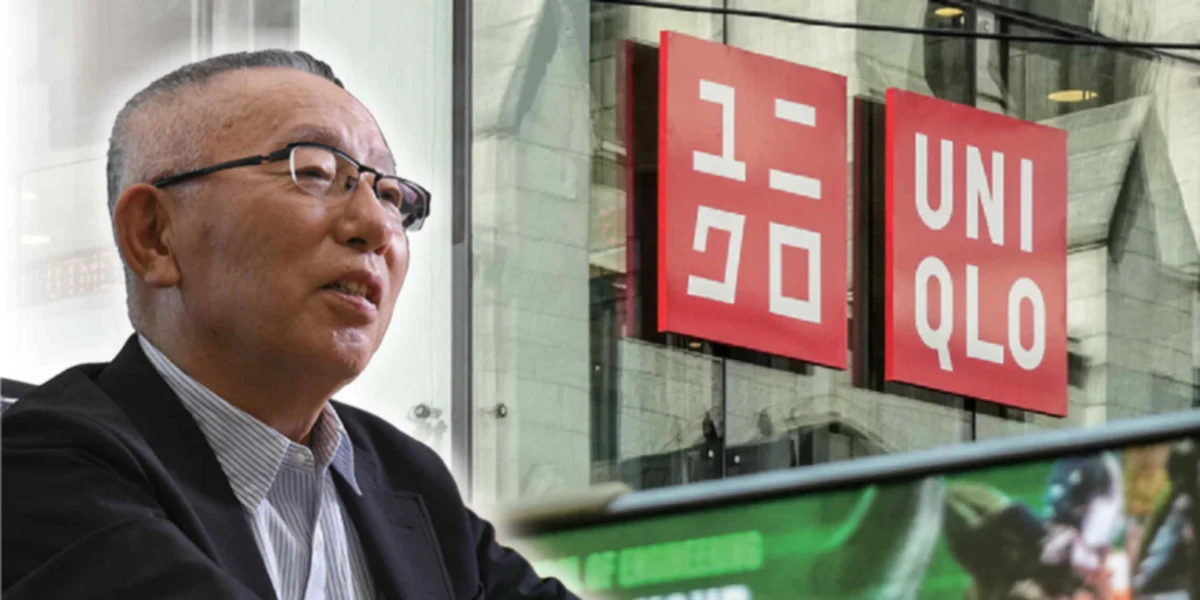
In an era when an outfit is just a click away, casual clothing chain Uniqlo is betting heavily on the value of physical stores at home in Japan. Tadashi Yanai, chairman and CEO of Uniqlo parent Fast Retailing, has articulated a strategic imperative to bolster and innovate within its brick-and-mortar footprint across the archipelago, even as e-commerce continues its relentless ascent globally. This commitment signals a nuanced understanding of consumer behavior and a deliberate counterpoint to the prevailing digital-first retail narrative.
The Enduring Appeal of Tangible Retail
Yanai’s pronouncements underscore a fundamental belief that while online shopping offers unparalleled convenience, it cannot fully replicate the sensory experience of interacting with apparel. The ability to touch fabrics, assess fit and drape, and engage with the brand’s curated environment remains a potent draw for a significant segment of consumers. This philosophy is not merely anecdotal; it is underpinned by observable trends in the Japanese market and Fast Retailing’s long-standing success in cultivating a loyal customer base through its distinctive store experience.
The Japanese retail landscape, while embracing digital innovation, has historically maintained a strong affinity for physical engagement. Consumers often value the opportunity for immediate gratification, personalized service, and the serendipitous discovery that brick-and-mortar stores facilitate. Uniqlo, with its emphasis on high-quality, functional, and affordable basics, has masterfully leveraged this preference. The brand’s stores are designed to be more than just points of transaction; they are intended as immersive brand showcases, where the tactile quality of items like HeatTech or AIRism can be fully appreciated.
Fast Retailing’s strategic focus on Japan is not a retreat from its global ambitions, but rather a reinforcement of its foundational market. Japan represents a significant portion of the company’s revenue and brand identity. The company’s strategy acknowledges that a robust physical presence in its home market can serve as a testing ground for innovative retail concepts, a hub for brand building, and a stable anchor for its international expansion.
Strategic Investments and Innovations in Japanese Stores
The commitment to physical retail is being translated into tangible investments. While specific figures for recent or planned expenditures in Japan are not publicly detailed by Fast Retailing beyond general investment themes, industry observers note a pattern of store modernization, relocation to prime retail spaces, and the introduction of experiential elements. This includes enhancing store layouts for improved navigation and visual merchandising, integrating digital touchpoints within the physical space, and potentially expanding services that encourage longer customer dwell times.
For instance, Uniqlo has been observed to be strategically rebalancing its store portfolio. This may involve closing underperforming smaller outlets in less-trafficked areas while simultaneously investing in flagship stores in major urban centers. These larger stores often feature expanded product assortments, dedicated sections for new collections, and sometimes even in-store events or workshops, further solidifying their role as brand destinations.
The integration of technology within these physical stores is also a key component. This could involve the deployment of smart mirrors that allow customers to virtually try on different sizes or colors, digital displays providing detailed product information and styling suggestions, or efficient self-checkout systems to streamline the purchasing process. The aim is not to replace human interaction, but to augment it, providing customers with more information and convenience while freeing up sales associates to offer more personalized assistance.
Furthermore, Uniqlo’s focus on sustainability and ethical sourcing, which is increasingly important to Japanese consumers, can be effectively communicated through its physical stores. Displays detailing the origins of materials, the environmental impact of production, and the company’s commitment to fair labor practices can resonate more deeply when experienced firsthand.
The Chronology of a Retail Philosophy
Fast Retailing’s emphasis on physical retail in Japan is not a recent development but rather an evolution of its core strategy. The company was founded in 1963 as a men’s clothing store, and its early growth was firmly rooted in brick-and-mortar expansion. Uniqlo, launched in 1984, continued this trajectory, focusing on building a widespread network of accessible stores.
The late 1990s and early 2000s saw Uniqlo’s initial international forays, but Japan remained its operational and strategic heartland. Even as e-commerce began to gain traction in the late 2000s and accelerated in the 2010s, Yanai consistently advocated for the importance of physical retail. In interviews and public statements over the years, he has often contrasted the superficiality of online browsing with the depth of experience offered by a well-curated store.
By the mid-2010s, Fast Retailing began to more explicitly articulate its vision for the future of retail, which involved an “omnichannel” approach, where online and offline channels would be seamlessly integrated. However, this integration was always framed as enhancing, rather than replacing, the physical store.
The COVID-19 pandemic, which severely disrupted global retail, paradoxically served to highlight the resilience and unique value of physical stores for many consumers. While online sales surged, the limitations of purely digital interaction became apparent for certain product categories and demographics. Fast Retailing, like many other retailers, adapted by bolstering its e-commerce capabilities, but the pandemic did not fundamentally alter Yanai’s belief in the long-term importance of its physical presence. In the years following the pandemic, the company has continued to refine its store strategies, with a particular emphasis on its domestic market.
Supporting Data: E-commerce vs. Brick-and-Mortar in Japan
While e-commerce sales in Japan have seen significant growth, reaching an estimated ¥15.5 trillion (approximately $105 billion USD) in 2023, according to data from the Ministry of Economy, Trade and Industry (METI), this still represents a relatively modest percentage of total retail sales, estimated at around 9.2%. This figure, while growing, suggests that a substantial majority of retail transactions still occur in physical stores.
Fast Retailing’s own financial reports offer further insight. While the company does not break down its Japanese sales by channel in granular detail, its overall performance in the fiscal year 2023 showed robust growth. The company’s global net sales reached ¥2.77 trillion (approximately $18.7 billion USD), with its Japan segment remaining a significant contributor. The growth in online sales for Uniqlo globally has been substantial, often exceeding 20% year-on-year in recent periods. However, the continued strong performance of its physical stores in Japan, often driven by increased foot traffic and higher average transaction values, indicates that the digital channel is augmenting, not cannibalizing, its traditional sales.
Data from market research firms also indicate that Japanese consumers, particularly older demographics, still prefer shopping in physical stores for apparel. Factors such as the desire to see and touch products, the convenience of immediate purchase, and the social aspect of shopping contribute to this preference. Uniqlo’s ability to cater to these preferences through its well-designed stores and attentive customer service is a key differentiator.
Official Responses and Industry Reactions
Tadashi Yanai’s statements are not merely pronouncements but are reflective of Fast Retailing’s corporate strategy, which is consistently communicated through investor relations, annual reports, and public appearances. While specific reactions from other retail executives to Yanai’s emphasis on physical stores are not always publicly documented, the general sentiment within the Japanese retail sector acknowledges the complexity of the omnichannel landscape.
Industry analysts often point to Uniqlo’s success as a case study in effective brand building through a dual online-offline strategy. They note that companies that attempt to solely rely on e-commerce often struggle to replicate the brand loyalty and emotional connection that physical stores can foster. Conversely, a well-executed physical retail strategy can create a powerful brand halo effect that benefits online sales.
Some observers might question the cost-effectiveness of maintaining a large physical footprint in an era of rising rents and labor costs. However, Fast Retailing’s operational efficiency, its focus on high-volume sales of essential items, and its ability to generate significant foot traffic through compelling product offerings and effective marketing strategies often mitigate these concerns. The company’s long-term perspective, prioritizing brand strength and customer relationships over short-term cost savings, is a hallmark of its approach.
Broader Impact and Implications
Uniqlo’s continued investment in physical retail in Japan has several broader implications:
- Setting a Precedent for Other Retailers: Fast Retailing’s strategy can serve as a blueprint for other apparel retailers, particularly those operating in similar mature markets. It demonstrates that a robust physical presence remains a viable and even crucial element of a successful retail model.
- Economic Impact on Local Communities: A strong network of Uniqlo stores contributes to local economies through job creation, tax revenue, and by acting as anchors for shopping districts. This is particularly relevant in regional areas of Japan where such retail presence can be vital.
- Shaping Consumer Expectations: By continuously innovating its in-store experience, Uniqlo can influence what consumers expect from physical retail, pushing other businesses to elevate their own offerings. This includes aspects like customer service, store design, and the integration of technology.
- Brand Resilience in a Volatile Market: A diversified retail strategy, with a strong physical component, can offer greater resilience against market shocks, such as supply chain disruptions or shifts in consumer spending patterns that might disproportionately affect online-only businesses.
- Sustainability Communication: As mentioned earlier, physical stores provide an unparalleled platform for communicating a brand’s sustainability initiatives. This can foster deeper consumer trust and loyalty, aligning with growing environmental consciousness among Japanese consumers.
In conclusion, Tadashi Yanai’s unwavering conviction in the enduring value of physical stores in Japan, supported by strategic investments and a deep understanding of consumer behavior, positions Uniqlo for continued success. While the digital revolution transforms the retail landscape, Fast Retailing’s approach suggests that the future of retail is not an either/or proposition, but rather a sophisticated integration of the tangible and the virtual, with the physical store playing a central, evolving role. This strategy is likely to remain a key driver of Uniqlo’s dominance in its home market and a significant factor in its global growth trajectory.