Gilang Muhammad
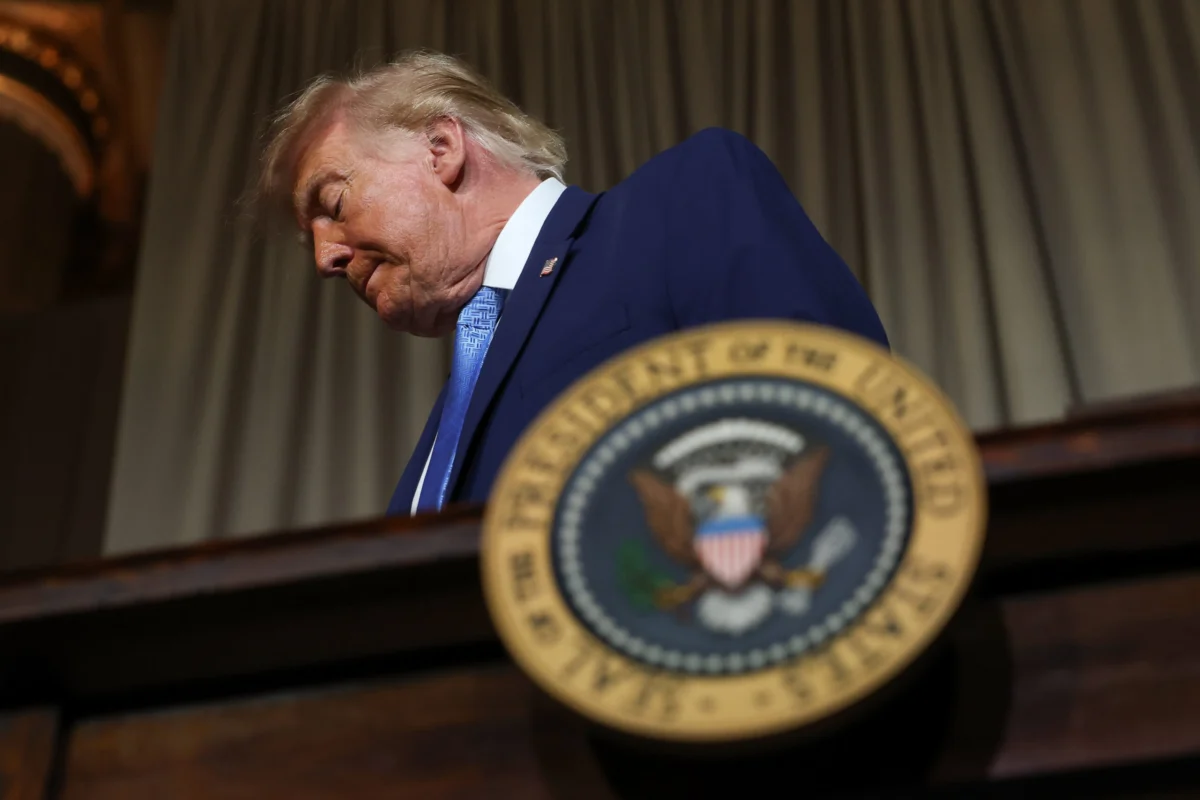
With congressional elections less than two weeks away, a new CNBC All-America Economic Survey reveals widespread public pessimism regarding the nation’s economy, reaching levels not seen since the immediate aftermath of the pandemic. President Donald Trump’s economic approval rating has plummeted to an unprecedented low, casting a long shadow over Republican prospects in the upcoming midterm elections. The findings, released Thursday, paint a challenging picture for the incumbent party, highlighting a significant shift in voter sentiment driven by economic anxieties and a perceived decline in governmental efficacy.
Widespread Economic Gloom and Shifting Partisan Views
The survey, which polled 1,000 registered voters nationwide, indicated that a staggering eight out of ten Americans categorize the economy as "fair" or "poor." This figure marks the highest level of economic discontent since December 2023, signaling a persistent and deepening sense of financial insecurity across the populace. Such pervasive negativity is typically a potent predictor of electoral shifts, often penalizing the party in power.
While economic pessimism has traditionally been more concentrated among opposition voters, the latest data points to a notable erosion of confidence even within the Republican base. Overall, 63% of the public expressed pessimism about both the current state and the future outlook of the economy, a marginal increase of one percentage point from the July 2026 survey. Crucially, this cohort now includes 35% of Republicans, a significant six-point jump from July and the highest level of economic pessimism recorded among Republicans during either of President Trump’s two terms.
Micah Roberts, a partner at Public Opinion Strategies and the Republican pollster for the survey, underscored this critical shift. "We got there not because of independents or Democrats getting more sour — it’s because Republicans have," Roberts stated. He added, "Since Trump has been president, [Republicans] have held on to a small margin saying that the current economy is either excellent or good. And now that has kind of broken and changed." This internal fracturing of economic optimism within the Republican ranks suggests a profound challenge for the party as it attempts to rally its voters.
Presidential Approval Ratings Under Scrutiny
Despite the pervasive economic gloom, President Trump’s overall approval rating has remained relatively stable, hovering at 40% approval and 59% disapproval. This net approval of -19 percentage points represents a notable decline from -8 a year ago but indicates a persistent core of support. However, a more granular examination of his economic approval reveals a stark deterioration.
The president’s net economic approval rating experienced a sharp nine-point drop from the July survey alone. His economic approval fell from 38% to 34% within three months, while disapproval surged from 60% to 65%. This net -31 economic approval rating is the lowest recorded during either of Trump’s two terms in office. Furthermore, the 65% disapproval rating on the economy surpasses former President Joe Biden’s worst showing by one percentage point and stands as the highest for any president surveyed by CNBC, dating back to the administration of President Barack Obama. This historical low underscores the unique economic pressures voters perceive under the current administration.
Midterm Election Dynamics: A Democratic Advantage Emerges
The survey’s findings extend beyond economic sentiment, offering a comprehensive look at the political landscape just weeks before the November 3rd congressional elections. The data suggests a growing preference for Democratic control of Congress, with 52% of registered voters favoring Democrats compared to 45% for Republicans. This seven-percentage-point Democratic lead marks a three-point gain since the July survey, indicating a clear shift in momentum.
Several factors contribute to this burgeoning Democratic advantage:
- Voter Engagement: Democrats exhibit significantly higher interest in the midterm election, with 72% reporting high interest compared to just 62% of Republicans. This enthusiasm gap could translate into higher turnout for Democratic candidates.
- Gender Gap: Women are notably more engaged in the election than men, showing a ten-percentage-point higher interest. Crucially, women prefer Democratic control of Congress by a substantial 22-point margin, a demographic trend that could prove decisive in numerous races.
- Independent Voters: A key swing demographic, independents, show a strong preference for Democratic control by a wide 49% to 33% margin. This substantial shift among independents, who often determine the outcome of close elections, is particularly alarming for Republicans.
Jay Campbell, a partner at Hart Associates and the Democratic pollster for the survey, articulated the gravity of these trends for the Republican Party. The survey shows "things moving either away from Republicans or toward Democrats, depending how you want to look at it, in a way that would make me very nervous if I was leading Republican campaigns leading into these last two weeks," Campbell remarked.

Key Issues Driving Voter Behavior
Voters identified a range of critical issues influencing their choices, and on many of these, Democrats are perceived as having a stronger hand:
- Government Corruption: This issue emerged as the top concern for 36% of respondents. Democrats hold a four-point lead in public perception regarding their ability to address corruption, an issue that resonates deeply across partisan lines given the near-unanimous agreement on related ethical reforms.
- Cost of Living: The aggregate concern over the cost of food, gas, and housing constitutes the top worry for 57% of respondents.
- Food and Groceries: Identified as the second-most important issue overall, the Democratic lead on handling the cost of food and groceries widened significantly to +16 from +7 in the July survey. This issue is a primary concern for low-income households and specific political demographics, but also for non-MAGA Republicans.
- High Price of Gas: Democrats also topped Republicans on dealing with the persistent issue of high gas prices.
- Protecting Democracy: Alongside corruption, protecting democracy was cited as a top issue, with those highly interested in this concern overwhelmingly preferring Democratic congressional control.
While Republicans maintained a strong advantage on border security and immigration, their lead on immigration notably softened, falling to +9 from +15. Meanwhile, Democrats gained ground on issues previously favoring Republicans, such as jobs and unemployment, and Iran, flipping a +2 Republican lead to a +5 Democratic advantage.
Broader Economic Context and Voter Perception
The widespread economic pessimism reflected in the survey is not without grounding in broader economic realities. Leading up to the hypothetical 2026 midterms, the nation has grappled with persistent inflationary pressures, supply chain disruptions, and the lingering effects of global geopolitical instability. The Federal Reserve, in its efforts to combat inflation, has likely implemented a series of interest rate hikes, which while necessary for price stability, can dampen economic growth and increase borrowing costs for consumers and businesses.
Voters are acutely aware of these pressures. Eighty percent of respondents indicated that prices are rising, a five-percentage-point increase from a year ago, with 55% believing they are rising "faster than usual." The survey specifically highlighted that the cost of food has now eclipsed gas as a greater concern (34% vs. 23%), reflecting the everyday impact of inflation on household budgets. This concern is particularly elevated among those making $30,000 or less annually and supporters of the Democratic Socialists of America agenda, yet it also resonates deeply with a segment of the Republican base who do not identify as MAGA supporters, underscoring its broad appeal as a kitchen-table issue.
Beyond the immediate economic concerns, the survey also touched upon foreign policy. Public skepticism regarding the value of military action in Iran persisted, with only 46% believing it was worth it to disrupt nuclear capabilities, down from 53% in April. Even fewer, 35%, saw the action as justified given its impact on gasoline prices.
Ethics and Governance: A Bipartisan Call for Reform
Despite deep partisan divisions on many issues, the survey revealed near-unanimous agreement on matters of governmental ethics and corruption. A remarkable 93% of respondents believe that elected officials, including the president and members of Congress, should be prohibited from personally owning or trading stocks in individual companies that hold federal government contracts. Similarly, 89% asserted that companies owned by or invested in by a sitting president’s immediate family members should not be allowed to receive federal contracts. This widespread consensus on preventing conflicts of interest underscores a national desire for greater transparency and accountability in government, an issue that both parties could potentially leverage.
Implications for Congressional Control and Future Political Landscape
The convergence of widespread economic pessimism, President Trump’s historically low economic approval, and a distinct Democratic advantage in congressional preference suggests a challenging path forward for Republicans in the upcoming midterms. The "map versus momentum" dynamic, as described by Roberts, will be critical. While the national electorate appears to be tilting towards Democrats, the concentration of this movement and the consolidation of each party’s base mean that significant Democratic gains would require flipping districts and states that President Trump previously won handily.
Campbell, however, cautioned against characterizing this election as a "realignment" akin to 1994 or 2008. Instead, he views it as a "return to the mean," where traditional Democratic voting blocs, such as young voters and voters of color, are returning to the Democratic fold, further bolstered by independents who are disillusioned with the economic policies often associated with "Trumpenomics." He emphasized that a dramatic cross-party shift is unlikely, noting, "At no point did anyone expect that Democratic candidates would suddenly pull 15% of the Republican vote."
The regional data further complicates the Republican outlook. In the eight states identified as having competitive Senate races, respondents preferred Democratic congressional control by four percentage points. This is particularly striking given that President Trump carried these same eight states by a combined ten-point margin in the 2024 presidential election. This regional shift suggests that even in areas considered strongholds, economic anxieties and broader dissatisfaction are eroding the incumbent party’s advantage.
In conclusion, the latest CNBC All-America Economic Survey paints a challenging and uncertain landscape for Republicans as they head into the 2026 midterm elections. With the economy as a dominant concern, President Trump’s declining economic approval, and a clear shift in voter preference towards Democrats on key issues and overall congressional control, the party faces an uphill battle to maintain or expand its influence in Washington. The coming weeks will test the resilience of both parties’ campaigns and determine whether these polling trends translate into significant electoral consequences.