Gilang Muhammad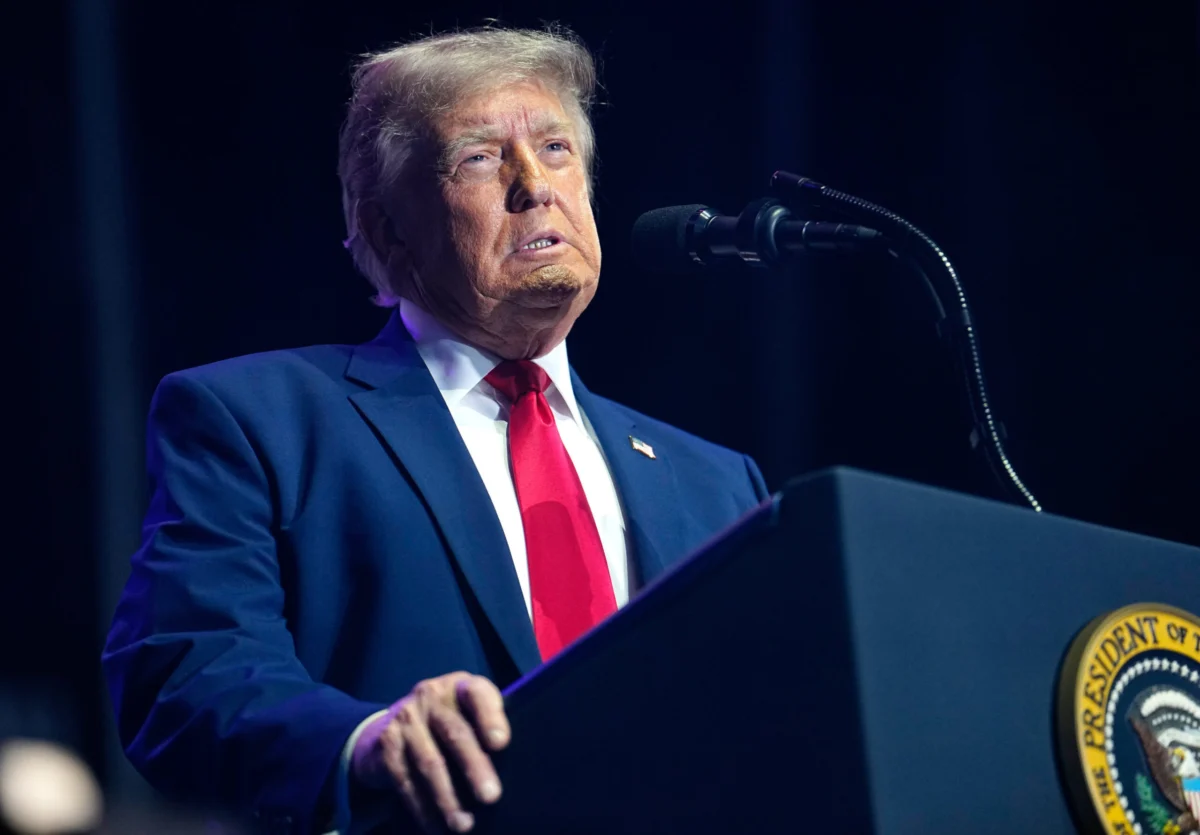
The United States on Wednesday pledged a swift and substantial deployment of resources to earthquake-stricken Venezuela after two powerful tremors, registering magnitudes of 7.2 and 7.5, struck in rapid succession near the country’s northern coast. The seismic events, among the strongest to hit the nation in a century, caused widespread destruction, flattening buildings in the capital city of Caracas, triggering landslides, and prompting the interim government to declare a nationwide state of emergency. Initial reports from Venezuelan authorities confirm at least 164 fatalities and 971 injuries, figures that are tragically expected to rise as search and rescue operations intensify across the affected regions.
Immediate Aftermath and Initial Impact
The twin quakes, originating in a seismically active zone where the Caribbean Plate grinds against the South American Plate, unleashed chaos across a broad swathe of northern Venezuela. Residents reported violent shaking that lasted for several terrifying minutes, leading to immediate structural collapses in urban centers and significant damage to critical infrastructure. Caracas, a city of millions, bore the brunt of the devastation, with numerous multi-story buildings, particularly older, unreinforced concrete structures in densely populated areas like La Pastora and El Recreo, reduced to rubble, trapping countless individuals beneath the debris. Emergency services, already strained by years of economic hardship and under-resourcing, were quickly overwhelmed by the unprecedented scale of the disaster. Power outages were widespread, communications networks were severely disrupted, and critical transportation arteries, including sections of major highways and potentially the Simón Bolívar International Airport, sustained severe damage, complicating initial rescue efforts and the movement of personnel and aid. The sheer force of the quakes also triggered numerous landslides in mountainous areas surrounding the capital, isolating rural communities and posing additional hazards to rescue teams.
U.S. Response and Shifting Diplomatic Sands
U.S. President Donald Trump, speaking during a kickoff celebration for the Great American State Fair on the National Mall in Washington, D.C., and later reiterating his commitment via social media, affirmed America’s readiness to assist. "The U.S. stands ready, willing, and able to help," President Trump declared in a Truth Social post Wednesday evening stateside. He further indicated that he had issued directives to all government agencies to prepare for rapid deployment, notably referring to the Venezuelan people as "new and great friends." This swift offer of assistance marks a significant moment of diplomatic realignment between the Trump administration and Venezuela’s interim government, led by Acting President Delcy Rodriguez, following a protracted period of strained relations and complex political dynamics.
Earlier on Wednesday, Deputy Secretary of State Christopher Landau had already confirmed that the U.S. was in communication with Venezuelan authorities and had begun mobilizing assistance for the South American nation. This proactive engagement underscored Washington’s commitment to humanitarian aid despite the intricate political landscape. Senior State Department official Jeremy Lewin further detailed the immediate actions, stating that a specialized disaster assistance team and task force had been mobilized to deliver and coordinate critical aid, including highly trained urban search and rescue teams, essential medical supplies, and broader humanitarian resources such as temporary shelters, water purification units, and food provisions. The deployment reflects a recognition of the immediate and dire need for external support in the face of such widespread destruction.
A Catastrophic Timeline: Key Events Unfold
The disaster unfolded rapidly, with critical developments occurring over a compressed 24-hour period:
-
Wednesday, June 24, 2026 (All times approximate, local Venezuela time):
- Mid-morning (approx. 10:30 AM VET): The first powerful earthquake, a magnitude 7.2, strikes off Venezuela’s northern coast, with its epicenter located roughly 30 kilometers northwest of Carupano. Its shallow depth, estimated at around 10-15 kilometers, exacerbates the violent shaking felt across the mainland, from the eastern states of Sucre and Miranda to the capital, Caracas. Initial reports of structural damage begin to surface from coastal towns and eventually Caracas, where buildings sway violently, causing panic.
- Late morning (approx. 11:45 AM VET): Just hours after the initial tremor, a second, even stronger earthquake, a magnitude 7.5, rocks the same region. This double-strike proves catastrophic, causing secondary collapses of already weakened structures and triggering widespread panic. The proximity of the second quake to major population centers amplifies its destructive potential.
- Afternoon: Emergency services are inundated with calls for help. Images and videos of collapsed buildings, damaged roads, and desperate residents searching for loved ones circulate rapidly on social media, providing the first grim glimpses of the disaster’s true scale. Hospitals begin to receive the injured, quickly reaching and exceeding capacity, prompting calls for emergency medical personnel and supplies.
- Evening (Venezuela Time, approx. 7:00 PM VET): Acting President Delcy Rodriguez addresses the nation in a solemn broadcast, formally declaring a nationwide state of emergency. She announces the preliminary casualty figures: at least 164 dead and 971 injured, while acknowledging these numbers are tragically likely to climb as rescue operations progress. She makes an urgent appeal for international assistance, citing the overwhelming damage.
- Evening (U.S. Time, approx. 8:00 PM EST): Deputy Secretary of State Christopher Landau confirms U.S. contact with Venezuelan authorities and the commencement of aid mobilization efforts, signaling an early and coordinated response from Washington.
- Late Evening (U.S. Time, approx. 9:30 PM EST): President Donald Trump posts on Truth Social, pledging full U.S. support and instructing agencies to prepare for rapid deployment of aid, explicitly referring to the Venezuelan people as "new and great friends."
- Overnight: The U.S. State Department activates its disaster assistance team and task force, preparing for the complex logistics of delivering aid to the affected nation, including assessing air and sea routes given potential infrastructure damage.
-
Thursday, June 25, 2026:
- Morning (Venezuela Time, approx. 9:00 AM VET): Acting President Rodriguez issues a video message via X, expressing heartfelt gratitude to the Trump administration for its "support and solidarity." She also acknowledges assistance from the Dominican Republic, which promptly dispatched rescue teams, and highlights humanitarian aid already received from China and Brazil. The Qatar government is reported to have prepared a rescue brigade, with its arrival anticipated later in the day.
- Morning (U.S. Time, approx. 10:00 AM EST): Secretary of State Marco Rubio announces that the U.S. War Department will play a crucial logistical role in the disaster assistance, particularly given the damage to Caracas’s airport and other critical infrastructure. "It’ll be big, it’ll be fast, and it’ll be effective," Rubio assures regarding the U.S. government’s response. He also comments on the broader political implications, describing the disaster as a "setback" to ongoing stabilization efforts in Venezuela.
Venezuela’s Seismic Vulnerability and Projected Impact
Venezuela’s susceptibility to powerful earthquakes is rooted in its precarious geological position along the northern boundary of the South American Plate, where it interacts with the Caribbean Plate. This complex plate boundary is characterized by significant strike-slip faulting and subduction zones, making the region highly prone to seismic activity. The Cariaco Basin, just north of Venezuela’s coast, is one of the most seismically active zones in the Caribbean, having been the epicenter of numerous historical earthquakes. The 2026 quakes, with magnitudes of 7.2 and 7.5, are indeed among the most potent recorded in the country in the last century, echoing devastating events like the 1967 Caracas earthquake (magnitude 6.6) which caused significant fatalities and widespread damage, and the 1900 San Narciso earthquake (estimated magnitude 7.7) which caused tsunamis and extensive destruction along the coast. The shallow depths of the recent tremors amplified their destructive power, resulting in more intense ground shaking over a wider area, thus increasing the likelihood of structural failures, ground deformation phenomena such as liquefaction in saturated soils, and numerous landslides in the country’s mountainous terrain.
The U.S. Geological Survey (USGS) underscored the extreme severity of the situation by issuing two consecutive red alerts through its PAGER (Prompt Assessment of Global Earthquakes for Response) system. These alerts are indicative of high probabilities for significant fatalities and economic losses, signaling an unfolding humanitarian catastrophe. Specifically, the USGS estimated a concerning 41% probability that fatalities could exceed 10,000, and an even grimmer 17% chance they could reach 100,000, underscoring the potential for an unprecedented loss of life. Furthermore, the authority projected that the devastating earthquake could inflict a severe blow to Venezuela’s already fragile economy, estimating a potential dent to its Gross Domestic Product (GDP) of up to 7%. This economic impact would ripple through all sectors, from critical oil production and infrastructure to agriculture, manufacturing, and services, further exacerbating the country’s pre-existing financial woes and potentially prolonging its recovery for years.
The Broadening Humanitarian Crisis and International Aid Efforts
The scale of destruction has rapidly triggered a massive and multifaceted humanitarian crisis. Beyond the immediate casualties, hundreds of thousands are believed to be displaced, with homes destroyed, entire neighborhoods rendered uninhabitable, and basic services like electricity, potable water, and sanitation severely cut off. Access to clean water, food, emergency shelter, and ongoing medical care has become critically urgent. The immediate priorities for humanitarian organizations include round-the-clock search and rescue operations to locate and extract survivors trapped under rubble, providing emergency medical aid to the injured, establishing and managing temporary shelters for the displaced, and ensuring the provision of basic necessities.
International organizations are rapidly mobilizing to assist. The United Nations Office for the Coordination of Humanitarian Affairs (UN OCHA) is expected to play a crucial role in coordinating the diverse international aid efforts, aiming to streamline assistance, ensure equitable distribution, and avoid duplication in the complex environment. The International Federation of Red Cross and Red Crescent Societies (IFRC), with its extensive network, and organizations like Doctors Without Borders (MSF) are likely to be on the ground, providing emergency medical assistance, establishing field hospitals, offering psychosocial support to traumatized populations, and distributing essential relief items such as tents, blankets, hygiene kits, and cooking supplies. Challenges to aid delivery are substantial, including severely damaged infrastructure, logistical bottlenecks at ports and airports, and the complexities of navigating a country with a delicate political balance. Ensuring safe, rapid, and unhindered access for humanitarian workers and supplies will be paramount to the success of the relief operations.
In addition to the U.S. and Dominican Republic, Acting President Rodriguez confirmed that China and Brazil have already dispatched significant humanitarian aid, showcasing a broader international solidarity. Qatar’s government has also prepared a specialized rescue brigade, equipped with advanced search technology, expected to arrive promptly. This multi-national response underscores the global recognition of the disaster’s magnitude and the collective responsibility to assist. Neighboring countries like Colombia and Guyana are also anticipated to offer support, whether through direct aid, logistical facilitation for international relief efforts, or providing temporary refuge for those displaced close to their borders. Regional bodies such as the Organization of American States (OAS) are likely to issue statements of solidarity and coordinate regional support initiatives, emphasizing collective action.
Geopolitical Crossroads: Political and Economic Implications
The earthquakes strike Venezuela at an exceptionally sensitive political juncture. Secretary of State Marco Rubio’s remarks highlight this complexity, describing the disaster as a "setback" to the stabilization efforts initiated following a "January military intervention that seized the country’s then-president, Nicolas Maduro." This intervention, a pivotal and highly controversial event in recent Venezuelan history, led to the establishment of the interim government now led by Delcy Rodriguez, whom the U.S. recognizes as the legitimate authority. Since this intervention, Washington has exerted significant control over Venezuela’s crucial oil exports, a move that has dramatically reshaped the country’s economic landscape and international standing.
The U.S. has remained Venezuela’s largest oil buyer in the months following the intervention. Data from the Council on Foreign Relations indicates a dramatic increase in the estimated value of U.S.-controlled oil exports, surging from $600 million in January to $3.7 billion in April. This arrangement, however, has been scrutinized for its lack of transparency and oversight, with the Council estimating that $8 billion in flows have moved through this system with limited accountability. India and Spain are identified as the next largest recipients of Venezuelan oil under this new framework. The implications of this oil revenue structure, particularly for disaster relief and long-term reconstruction, are significant. The interim government’s ability to effectively manage incoming aid and leverage existing oil revenues for recovery efforts will be a critical test of its legitimacy, administrative capacity, and its ability to deliver tangible results to a suffering populace.
The economic impact of a 7% GDP contraction, as projected by the USGS, would be devastating for a country already grappling with hyperinflation, widespread poverty, and a protracted economic crisis that has seen millions flee. The widespread destruction of critical infrastructure, including roads, bridges, ports, power grids, and potentially oil facilities, will severely disrupt supply chains, cripple economic activity, and drastically increase the cost of doing business. The reconstruction effort will require colossal financial investment, potentially diverting scarce resources from other critical social programs and development initiatives already facing severe cuts. Furthermore, the tragic loss of life and injury to a significant portion of the workforce will have long-term demographic and economic consequences, reducing productivity and increasing social welfare burdens.
The Long Road Ahead: Broader Impact and Outlook
The Venezuelan earthquake disaster presents a multifaceted challenge with far-reaching implications, both domestically and internationally. For the Trump administration, its robust and swift humanitarian response offers a crucial opportunity to demonstrate global leadership and potentially build goodwill with the Venezuelan populace, irrespective of the ongoing political complexities. The phrasing of Venezuelan people as "new and great friends" by President Trump signals a potential softening of rhetoric and a departure from previous diplomatic tensions, which could pave the way for a more cooperative relationship, at least on humanitarian grounds. However, the existing geopolitical rivalries and the contentious nature of the interim government’s legitimacy will undoubtedly complicate long-term recovery efforts and international collaboration. The efficacy of aid delivery will be closely watched for any signs of political manipulation or obstruction.
For Venezuela’s interim government, this crisis is an immense and immediate test of governance. Its ability to coordinate relief efforts effectively, secure sustained international aid, and manage the transparent and equitable reconstruction process will be crucial in solidifying its authority and demonstrating its capacity to effectively serve its citizens in a time of profound need. Failure to do so could exacerbate internal discontent, fuel political instability, and further erode public trust in a nation already weary from years of crisis.
The humanitarian fallout from this catastrophe will likely endure for years, if not decades. The psychological trauma for survivors, the long-term displacement of communities, and the arduous task of rebuilding homes, livelihoods, and critical infrastructure will require sustained international attention and support far beyond the immediate emergency phase. The global community’s response will be closely watched, not only for its effectiveness in saving lives and alleviating suffering but also for how it navigates the intricate political landscape of Venezuela without exacerbating existing divisions. The disaster could, paradoxically, open new avenues for dialogue and cooperation among otherwise adversarial actors, uniting them under the common cause of humanitarian relief. However, it also carries the risk of deepening existing divisions if aid becomes politicized or access is obstructed. The path to recovery for Venezuela will be long and arduous, marked by both immense challenges and the potential for renewed, albeit complex, international engagement.