Gilang Muhammad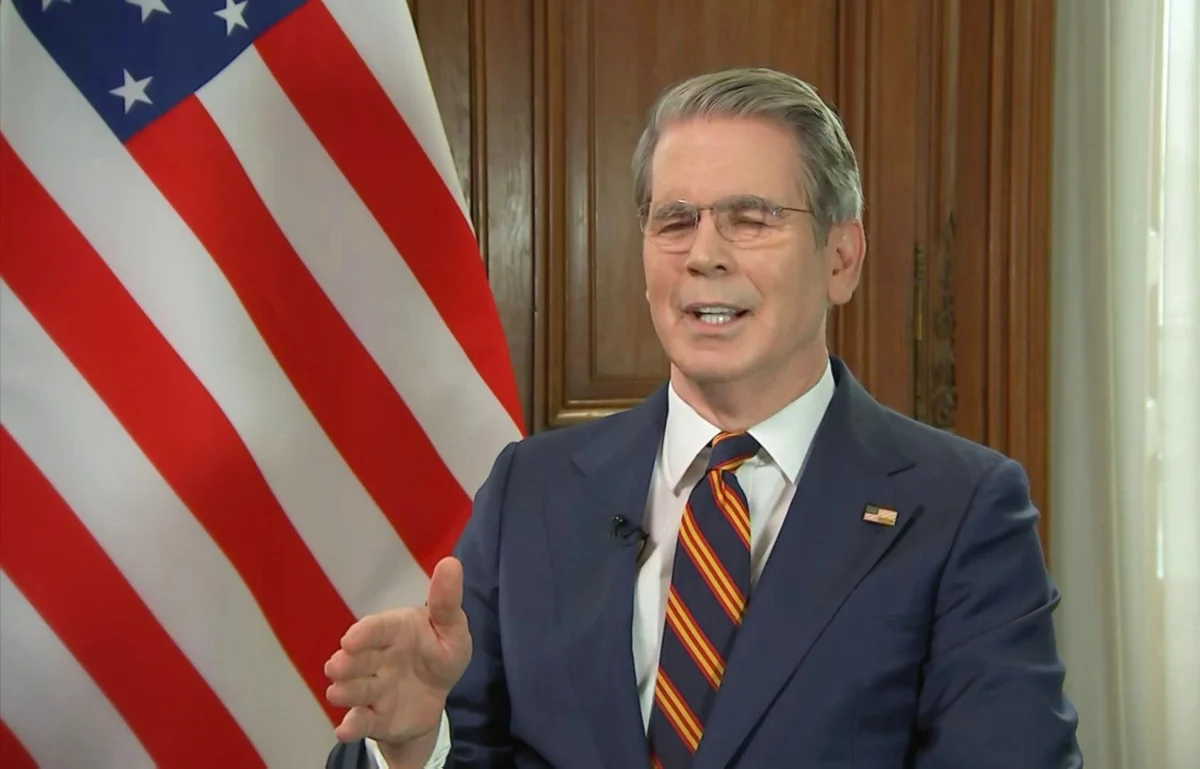
Washington D.C. – Treasury Secretary Scott Bessent on Monday unequivocally stated that the Biden administration has no current plans to intervene directly in financial markets, specifically addressing persistent speculation about government action to lower soaring oil prices. Speaking in a high-profile CNBC interview, Bessent emphasized that the Treasury Department not only lacks the intention but also likely the requisite authority to execute such a move, even if it were considered desirable. The Secretary’s comments came amid a backdrop of significant volatility in global energy markets, fueled by geopolitical tensions and robust post-pandemic demand, which has driven crude oil benchmarks to multi-year highs.
During a segment on CNBC’s "Squawk Box" with Brian Sullivan, Secretary Bessent directly confronted the swirling rumors that the Treasury, or another governmental arm, might step into the oil futures markets to actively trade against rising prices. Such an action, he noted, would involve a direct engagement in commodity trading, a distinct departure from established government tools for managing energy supply. "That rumor’s in the market," Bessent acknowledged, attributing its emergence to periods of intense price fluctuations. "When there’s big dynamic price action, that always happens. We haven’t done that." When pressed on whether such an intervention was even under consideration, Bessent’s response highlighted the fundamental jurisdictional and statutory hurdles: "I’m not sure under what authority or what auspices."
Understanding the Intervention Rumors and Their Context
The notion of the U.S. government directly intervening in commodity futures markets is highly unusual and, as Bessent implied, largely unprecedented. The rumors likely gained traction due to a confluence of factors: persistent inflationary pressures, elevated gasoline prices at the pump impacting American consumers, and a global energy supply chain grappling with both recovering demand and geopolitical uncertainties. Crude oil prices, particularly for benchmarks like West Texas Intermediate (WTI) and Brent, have seen significant upward trajectories over the past year. In early 2022, WTI briefly topped $130 a barrel, while Brent approached similar levels, driven by concerns over supply disruptions related to international conflicts and sanctions, alongside strong demand from rebounding economies. While prices had calmed somewhat on the day of Bessent’s interview—U.S. crude trading 1.9% lower at $96.86 a barrel and international benchmark Brent crude nudging higher at $103.15—the underlying market anxiety remained palpable.
The public and political pressure to address high energy costs has been immense. Consumers have felt the pinch of rising fuel prices, which cascade through the economy, impacting everything from transportation costs for goods to the daily commute. This economic strain often leads to calls for government action, sometimes extending to novel or unorthodox proposals like direct market intervention. The suggestion that the Treasury might "trade against rising prices" implies selling futures contracts, which would theoretically increase supply in the futures market, thereby pushing prices down. However, the scale and sustainability of such an operation, along with its legality and potential for market distortion, raise significant questions.
Distinguishing Authorized Actions: The Strategic Petroleum Reserve
Secretary Bessent’s comments are crucial in distinguishing between an unprecedented direct intervention in futures markets and established mechanisms the U.S. government has utilized to influence energy supply and prices. Presidents from across the political spectrum, including former President Donald Trump and current President Joe Biden, have authorized releases or exchange loans from the Strategic Petroleum Reserve (SPR) during times of stress in the energy sector.
The SPR, established in 1975 following the Arab oil embargo, is the world’s largest emergency supply of crude oil. Its primary purpose is to protect the U.S. economy from severe oil supply disruptions. Releases from the SPR are typically authorized in response to events such as hurricanes disrupting Gulf Coast oil production (e.g., Hurricane Katrina in 2005), international conflicts affecting global supply (e.g., the 1991 Gulf War, the 2011 Libyan crisis), or, more recently, to address price spikes and supply imbalances exacerbated by global geopolitical events. For example, in November 2021 and again in March 2022, the Biden administration announced significant releases from the SPR in coordination with other major oil-consuming nations, aiming to provide a temporary supply buffer and help stabilize global oil markets. These releases, totaling tens of millions of barrels, directly augment the physical supply of crude oil available to refiners, thereby alleviating some upward pressure on prices.
The critical difference, as highlighted by Bessent, is that SPR releases involve the physical supply of oil, a pre-existing national emergency resource with clear statutory guidelines for its deployment. Intervening in futures markets, conversely, would involve directly participating in speculative trading activities, a domain traditionally left to private actors and regulated by bodies like the Commodity Futures Trading Commission (CFTC). This distinction underscores the novelty and potential controversy surrounding the rumors of futures market intervention.

The Economic and Regulatory Landscape of Market Intervention
The U.S. Treasury Department’s primary mandate revolves around fiscal policy, managing the nation’s finances, collecting taxes, paying bills, and issuing debt. Its role in financial markets typically involves maintaining stability, regulating financial institutions, and addressing systemic risks, rather than direct trading in commodity futures. The Commodity Futures Trading Commission (CFTC) is the independent agency responsible for regulating the U.S. futures and options markets. Any government entity engaging in such trading would inevitably face scrutiny regarding its mandate, its impact on market integrity, and potential conflicts of interest.
Economists and market analysts generally express strong reservations about direct government intervention in commodity futures markets. Such actions can lead to several unintended consequences:
- Market Distortion: Government intervention can distort price signals, which are crucial for efficient resource allocation. If prices are artificially suppressed, it could disincentivize producers from investing in new supply, potentially leading to greater shortages in the long run.
- Moral Hazard: Constant government intervention could create an expectation that the state will always step in to protect consumers from high prices, potentially reducing the incentive for market participants to hedge effectively or for consumers to conserve energy.
- Fiscal Costs and Risks: Engaging in futures trading involves significant financial risk. The government would be taking on a speculative position, potentially incurring substantial losses if its market bets are incorrect.
- Unprecedented Scope: Expanding the Treasury’s role into direct commodity trading would represent a fundamental shift in economic policy, potentially setting a precedent for intervention in other markets, which could undermine the principles of free markets.
Market participants, including traders and analysts, often emphasize that commodity prices are determined by complex interactions of supply and demand fundamentals, geopolitical events, and speculative activity. While speculation can amplify price movements, the underlying drivers are typically rooted in physical market conditions. OPEC+ decisions on production quotas, geopolitical instability in major oil-producing regions, global economic growth rates, and inventory levels are far more influential in shaping long-term price trends than short-term government trading strategies.
Historical Precedents and Broader Implications
While direct intervention in commodity futures markets by the Treasury is uncharted territory, the U.S. government has historically intervened in other financial markets under specific circumstances. For instance, the Treasury, in conjunction with the Federal Reserve, has intervened in currency markets to stabilize the dollar or counter speculative attacks, though these actions are also rare and typically coordinated internationally. During the 2008 financial crisis, the Treasury played a pivotal role in stabilizing the banking system through programs like the Troubled Asset Relief Program (TARP), which involved direct investment in financial institutions. However, these interventions were aimed at preventing systemic collapse and maintaining overall financial stability, not at directly manipulating the price of a specific commodity like oil through trading.
Secretary Bessent’s firm denial sends a clear message to market participants: the administration intends to rely on established policy tools and respect the integrity of financial markets. This stance aligns with a broader philosophy that while governments have a role in ensuring market fairness and stability, direct price manipulation in commodity markets is generally viewed as counterproductive and outside their mandate. The implications of Bessent’s statement are significant:
- Reduced Market Uncertainty: By definitively quashing the rumors, the Treasury aims to remove a layer of speculation that could itself contribute to market volatility.
- Reinforced Policy Boundaries: It reiterates the conventional understanding of the Treasury’s authority and the division of labor among government agencies regarding market oversight.
- Focus on Other Tools: It suggests that if the administration seeks to address high oil prices, it will continue to rely on measures like SPR releases, diplomatic efforts to influence OPEC+ production, or domestic policy incentives for energy production and efficiency, rather than direct market trading.
Conclusion: A Commitment to Market Principles
Treasury Secretary Scott Bessent’s resolute rejection of oil futures market intervention underscores the administration’s commitment to maintaining the integrity of financial markets and adhering to traditional governmental roles. His remarks serve as a crucial clarification, dispelling rumors that had created uncertainty among market participants. While the economic pressures of high oil prices continue to weigh on consumers and businesses, the Treasury’s stance indicates a preference for established, authorized mechanisms and a reluctance to venture into unprecedented market manipulation. The global energy landscape remains complex and susceptible to geopolitical shocks and supply-demand imbalances, but the U.S. Treasury has made it clear that direct, speculative trading in commodity futures markets is not among its contemplated solutions.