Lina Wu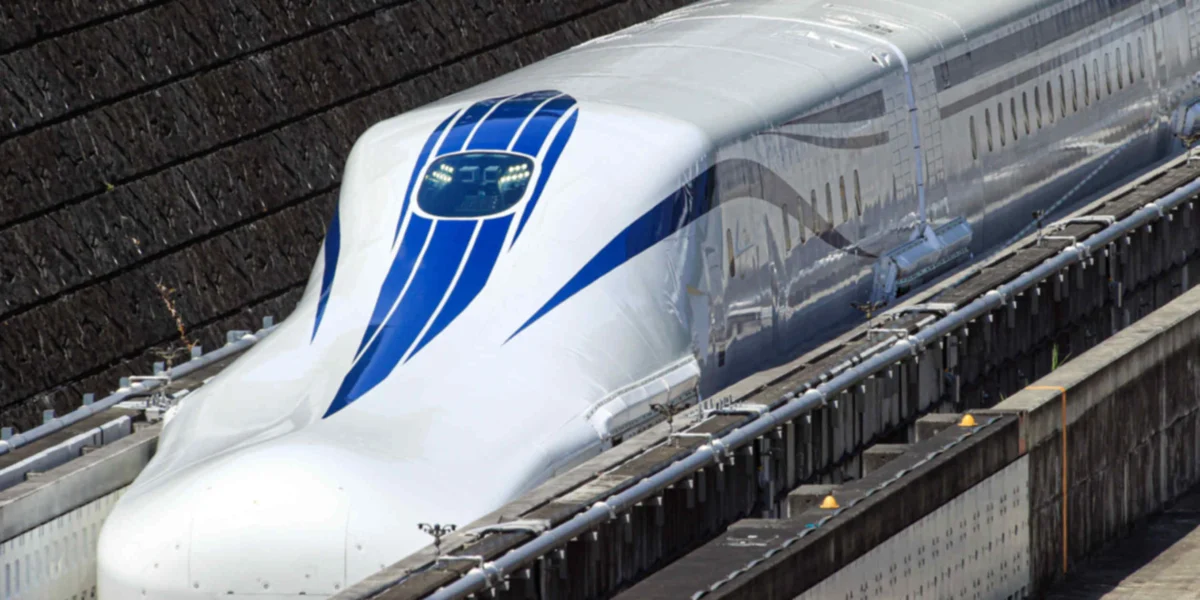
NAGOYA, Japan — The long-awaited green light for the next phase of Japan’s ambitious Linear Chuo Shinkansen maglev train project, following local approval in Yamanashi Prefecture, has reignited a critical question for municipalities along its path: when will this transformative infrastructure finally be completed and start to deliver the promised economic windfalls? The Central Japan Railway Company (JR Central), the driving force behind the project, now faces intensified pressure to provide a concrete timeline for a venture that has been plagued by delays and cost overruns for years. The first leg of the line, designed to link Tokyo and Nagoya in an astonishing 40 minutes – less than half the current fastest bullet train travel time – represents a significant leap in high-speed rail technology, but its eventual realization remains a subject of keen public and official interest.
A Project Decades in the Making
The concept of a maglev (magnetic levitation) train in Japan dates back to the 1960s, with experimental testing commencing in the 1970s. The Linear Chuo Shinkansen, as it is officially known, aims to harness this cutting-edge technology to create a high-speed rail network that will revolutionize intercity travel. Unlike conventional high-speed trains that run on wheels, maglev trains levitate above a guideway using powerful magnets, allowing for significantly higher speeds and a smoother, quieter ride.
The initial plan envisioned a phased opening, with the first section connecting Tokyo’s Shinagawa Station to Nagoya Station by 2027. However, this target has been repeatedly pushed back. The primary reasons for these delays have been multifaceted, including technical challenges related to tunneling through difficult terrain, environmental concerns, and, crucially, protracted negotiations and approvals from local governments. The recent approval in Yamanashi Prefecture, a mountainous region crucial for the Tokyo-Nagoya segment, represents a significant hurdle cleared, but it does not erase the accumulated delays and ongoing complexities.
The Economic Promise and the Waiting Game
For the municipalities positioned along the planned route, the maglev line is not just a transportation upgrade; it is seen as a powerful engine for economic revitalization. The prospect of drastically reduced travel times between major urban centers like Tokyo and Nagoya is expected to stimulate business activity, boost tourism, and potentially lead to new development opportunities around the proposed stations.
However, the prolonged nature of the project means that these anticipated economic benefits have been on hold for an extended period. Local officials and business leaders are eager to see tangible progress and a clear roadmap to completion. "We have supported this project for years, understanding its long-term potential," stated a representative from a municipal government in the Nagoya region, speaking on condition of anonymity to discuss sensitive negotiations. "But the constant delays create uncertainty. We need to see concrete steps towards operation so that we can plan our own development strategies accordingly."
The current fastest Shinkansen (bullet train) service between Tokyo and Nagoya, the Tokaido Shinkansen, takes approximately 90 to 100 minutes. The Chuo Shinkansen promises to slash this time by more than half, to around 40 minutes. This dramatic reduction in travel time is expected to blur the lines between these major economic hubs, potentially fostering greater collaboration and economic integration. For businesses, it means day trips to either city become far more feasible, facilitating meetings, conferences, and collaborative projects. For individuals, it opens up new possibilities for commuting or accessing services.
JR Central’s Balancing Act: Technical Hurdles and Public Trust
JR Central has consistently cited technical difficulties, particularly the excavation of extensive tunnels through the Japanese Alps, as the primary driver of its delays. The geological complexities of the region have necessitated advanced tunneling techniques and rigorous safety protocols, contributing to significant cost escalations and extended construction schedules.
In addition to the technical challenges, the project has faced scrutiny over its environmental impact. Concerns have been raised about potential disruptions to groundwater levels and ecosystems in the mountainous areas. JR Central has been engaged in ongoing dialogue with environmental groups and local communities to address these issues, often involving costly mitigation measures and design modifications.
The financial implications of the project are also substantial. The estimated cost of the Tokyo-Nagoya section has ballooned from its initial projections. While exact figures are subject to ongoing revisions, reports indicate the cost has risen significantly, necessitating substantial investment from JR Central and potentially requiring government support or financial guarantees. This financial burden adds another layer of complexity to the project’s management and its eventual profitability.
A Chronology of Delays and Developments
The history of the Chuo Shinkansen project is marked by a series of milestones and setbacks:
- 1960s: Conceptualization of a maglev system for Japan.
- 1970s: Commencement of experimental maglev testing.
- 1990s: Decision to proceed with the Linear Chuo Shinkansen project.
- 2014: Groundbreaking ceremony for the Tokyo-Nagoya section.
- 2015: Target opening date for Tokyo-Nagoya set for 2027.
- 2017 onwards: Delays emerge due to tunneling challenges and environmental concerns.
- 2020s: The original 2027 opening target is officially abandoned.
- 2024-2025: Ongoing negotiations and approvals from various prefectures, including significant hurdles in Shizuoka Prefecture due to water resource concerns.
- July 2026: Approval granted by Yamanashi Prefecture, a critical step forward.
This timeline highlights the protracted nature of bringing such a massive and technologically advanced infrastructure project to fruition. Each delay has ripple effects, not only on the construction schedule but also on the financial planning and the realization of expected economic benefits.
Supporting Data and Projected Impacts
To understand the potential economic impact, one can look at data from existing high-speed rail networks. For instance, the Tokaido Shinkansen itself has been a significant driver of economic activity for decades, connecting the Kanto and Kansai regions. Its consistent ridership and contribution to regional economies underscore the potential of improved connectivity.
Projections for the Chuo Shinkansen suggest a significant increase in passenger volume between Tokyo and Nagoya. While JR Central has not publicly released detailed ridership forecasts for the operational phase, industry analysts anticipate a substantial shift from air and conventional rail travel to the maglev service due to its speed and efficiency. This increased passenger flow is expected to translate into higher revenue for JR Central and stimulate economic activity in the station areas.
Furthermore, the development of the maglev line has spurred innovation and technological advancement within Japan’s engineering and manufacturing sectors. The sophisticated technology required for maglev operation, from superconducting magnets to advanced control systems, has created a demand for specialized expertise and contributed to the nation’s reputation as a leader in high-speed rail technology.
Official Responses and Future Outlook
In response to the renewed urgency from local communities, JR Central has reiterated its commitment to completing the project. However, the company has been cautious about providing a firm revised opening date for the Tokyo-Nagoya section, citing the ongoing complexities. The company’s public statements typically emphasize the need for continued safety and quality in construction.
"We are committed to realizing the Linear Chuo Shinkansen, a project that will contribute to Japan’s future," a spokesperson for JR Central stated in a recent press briefing. "We are working diligently with all stakeholders to overcome the remaining challenges and ensure the safe and efficient completion of this vital infrastructure."
The government, while not directly involved in the day-to-day construction, has expressed its support for the project, recognizing its strategic importance for national economic development and technological advancement. However, the government’s role typically involves providing regulatory oversight and potentially facilitating land acquisition or addressing broader national infrastructure goals.
Broader Implications and Long-Term Vision
The successful completion of the Tokyo-Nagoya segment of the Chuo Shinkansen is viewed as a crucial stepping stone for the entire project, which ultimately aims to extend the maglev line further west to Osaka. This expansion would create a high-speed maglev corridor connecting three of Japan’s major metropolitan areas, further transforming intercity travel and economic geography.
The challenges encountered in constructing the Chuo Shinkansen also hold broader implications for future large-scale infrastructure projects. They highlight the increasing complexity of tunneling in geologically challenging environments, the growing importance of environmental considerations, and the need for robust public engagement and transparent communication with local communities.
As Japan pushes forward with the Chuo Shinkansen, it is not merely building a faster train line; it is investing in its future economic competitiveness, its technological leadership, and its ability to connect its people and its regions more effectively than ever before. The impatience of municipalities is understandable, but it underscores the immense potential that lies just beyond the horizon of this extraordinary engineering feat, once the final hurdles are cleared and the gleaming maglev trains begin to glide towards their destinations. The journey, for both the train and the project itself, has been long and arduous, but the destination promises to be transformative.