Gilang Muhammad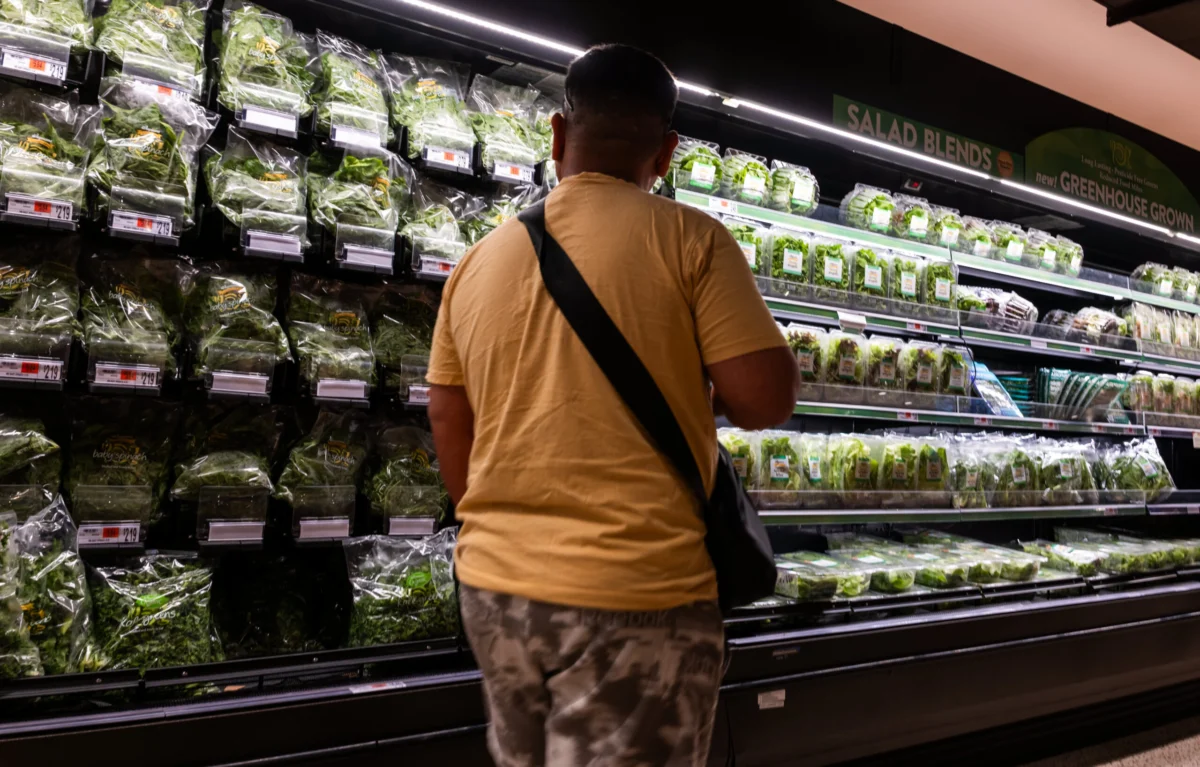
The Centers for Disease Control and Prevention (CDC) announced on Friday, September 5, 2026, the official conclusion of the most extensive cyclosporiasis outbreak ever recorded in the United States. This severe foodborne illness, caused by the microscopic parasite Cyclospora cayetanensis, afflicted an unprecedented 12,833 individuals across 21 states in what was identified as the largest single cluster. Health officials definitively traced this significant outbreak to contaminated shredded iceberg lettuce supplied by Taylor Farms de México. The incident not only fueled the worst cyclosporiasis season in U.S. history, culminating in a staggering 19,595 overall cases of the illness nationwide, but also tragically resulted in two fatalities, both reported in Michigan, which emerged as the epicenter of this devastating public health crisis.
The prolonged and widespread nature of the outbreak cast an intense spotlight on the intricacies and vulnerabilities of the U.S. food safety apparatus. It prompted rigorous examination of existing food safety procedures, particularly concerning imported produce, and reignited critical discussions surrounding corporate consolidation within the nation’s food supply system. Furthermore, the crisis brought into sharp relief persistent concerns regarding staffing levels and funding allocations for key regulatory bodies like the U.S. Food and Drug Administration (FDA), whose capacity to prevent and respond to such large-scale public health threats was called into question. Beyond the direct health impact, the outbreak inflicted considerable economic damage, leading to a notable decline in sales for restaurants heavily reliant on fresh lettuce, most notably Taco Bell, a major recipient of Taylor Farms’ produce, and dampening overall lettuce sales at grocery stores nationwide.
Understanding Cyclosporiasis: A Persistent Public Health Challenge
Cyclosporiasis is an intestinal illness caused by the single-celled parasite Cyclospora cayetanensis. Humans become infected by consuming food or water contaminated with the parasite. Symptoms typically include watery diarrhea, often explosive, accompanied by loss of appetite, weight loss, abdominal cramps, bloating, increased gas, nausea, and fatigue. Vomiting, body aches, headache, fever, and other flu-like symptoms may also occur. If left untreated, the illness can persist for weeks or even months, with symptoms relapsing. Treatment usually involves specific antibiotics, primarily trimethoprim-sulfamethoxazole (TMP-SMX).
One of the most challenging aspects of Cyclospora infections for public health officials is its unusually long incubation period, which can range from two days to two weeks or even longer. This extended latency period significantly complicates traceback investigations, as by the time individuals develop symptoms and report their illness, the implicated contaminated produce may have already been consumed, discarded, or spoiled, making it exceedingly difficult to pinpoint the exact source and implement timely recalls. This inherent difficulty was a major factor in the protracted nature of the 2026 outbreak and the extensive investigative efforts required to identify Taylor Farms de México as the source.
Historically, Cyclospora outbreaks in the U.S. have frequently been linked to imported fresh produce, including various types of lettuce, basil, cilantro, raspberries, and snow peas, particularly from Central and South American countries where agricultural practices might not always meet U.S. sanitation standards or where the parasite is endemic. Prior to 2026, significant outbreaks, though smaller in scale, have periodically occurred, reinforcing the ongoing challenge of ensuring the safety of a globalized food supply. The 2026 event, however, dwarfed all previous outbreaks, signaling a critical need for re-evaluation of current preventative measures.
A Chronology of Crisis: How the Outbreak Unfolded
The first indicators of an unusual surge in cyclosporiasis cases began to emerge in late May and early June 2026, as state health departments in the Midwest and Northeast started reporting an uptick in laboratory-confirmed infections to the CDC. What initially appeared as isolated clusters quickly coalesced into a widespread pattern, prompting the CDC and FDA to launch a multi-state investigation.
- Early June 2026: Public health agencies initiate traceback investigations, interviewing sick individuals about their food consumption habits in the days and weeks prior to illness onset. Initial epidemiological data points towards fresh produce, particularly leafy greens.
- Late June 2026: As case counts rapidly escalate, investigators intensify efforts, leveraging advanced genomic sequencing and epidemiological modeling to narrow down potential sources. A strong statistical link begins to form between illnesses and the consumption of shredded iceberg lettuce served in various restaurant settings and sold in grocery stores.
- Early July 2026: Through meticulous supply chain mapping, investigators identify Taylor Farms de México as a common supplier of shredded iceberg lettuce to many of the affected restaurants and retailers. This crucial breakthrough leads to targeted public health actions.
- July 15, 2026: Following consultation with the FDA, Taylor Farms voluntarily issues a widespread recall of its shredded iceberg lettuce. The recall encompasses products distributed to food service establishments, including restaurant chains like Taco Bell, and packaged salads sold under various brand names in grocery stores, including major retailers such as Walmart, across the affected states. Taco Bell, a prominent user of Taylor Farms’ lettuce, promptly pulls the implicated product from its restaurants nationwide.
- Mid-July to August 2026: Despite the recall, the long incubation period of Cyclospora means that new cases continue to be reported for several weeks, as individuals who consumed contaminated lettuce before the recall develop symptoms. Public health advisories are widely disseminated, urging consumers to discard any recalled products and seek medical attention if symptoms arise.
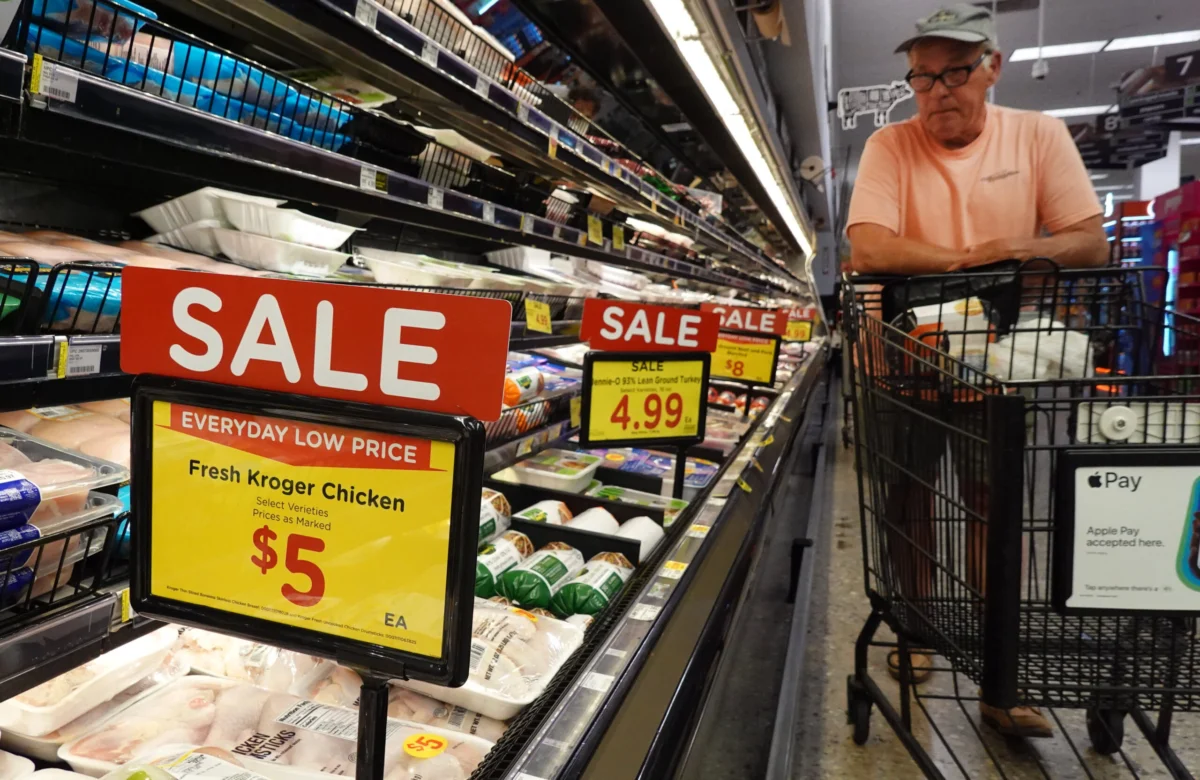
- August 13, 2026: While the photo caption indicates this date for a general grocery store image, the actual peak of new case reports begins to subside around this time, suggesting the effectiveness of the recall and public health messaging.
- September 5, 2026: The CDC formally announces the end of the largest outbreak cluster, citing a sustained decline in new case reports and the successful containment of the contaminated product. The declaration, however, comes with a stark reminder of the outbreak’s significant human and economic cost.
The Human Toll: A Record-Breaking Illness and Tragic Losses
The 2026 cyclosporiasis outbreak was unprecedented in its scope. The primary cluster alone sickened 12,833 people, making it the largest single foodborne illness outbreak in U.S. history attributed to a specific food item. When combined with other, smaller Cyclospora clusters occurring during the same season, the total number of cases for the year surged to an alarming 19,595, marking it as the worst cyclosporiasis season on record.
The geographical spread of the illness was extensive, impacting 21 states, predominantly concentrated in the Midwest and Northeast, though cases were reported from coast to coast. Michigan bore the brunt of the crisis, registering the highest number of cases and tragically accounting for both of the two reported deaths. These fatalities underscored the severe health risks associated with cyclosporiasis, particularly for vulnerable populations, despite its often non-fatal nature for healthy individuals. Each death represented a profound loss and served as a somber reminder of the critical importance of robust food safety measures.

Economic Repercussions: A Ripple Effect Through the Food Industry
The economic fallout from the outbreak was substantial, impacting multiple sectors of the food industry. Restaurants, particularly those with menus heavily featuring fresh salads and lettuce-based dishes, experienced a significant downturn in sales. Taco Bell, a major fast-food chain, publicly acknowledged the impact, confirming a dip in customer traffic and sales during the period when its shredded iceberg lettuce was implicated and subsequently pulled from menus. While specific financial figures from the company were not immediately available, analysts estimated the brand could have faced millions in lost revenue and increased operational costs due to product disposal and supply chain adjustments.
Beyond fast-food giants, countless independent restaurants and smaller eateries also suffered. Consumer confidence in fresh produce, especially lettuce, plummeted, leading to a broader reluctance to order salads or any dish containing raw greens. This shift in consumer behavior directly translated into reduced demand and lower sales for grocery stores as well. The price of lettuce, initially subject to market volatility due to demand shifts and supply chain disruptions from the recall, eventually saw a dampened market, further illustrating the economic impact.
For Taylor Farms, a leading supplier of fresh produce and prepared foods, the recall represented a significant operational and reputational challenge. While the company did not issue extensive public statements beyond confirming the recall and cooperating with health authorities, such incidents typically entail substantial financial costs associated with product retrieval, disposal, lost sales, and potential legal liabilities. The incident also underscored the immense responsibility of large-scale food suppliers in a highly consolidated food system.
Scrutiny of the Food Safety System and Corporate Consolidation
The 2026 cyclosporiasis outbreak intensified pre-existing scrutiny of the U.S. food safety framework. Critics and public health advocates highlighted several systemic weaknesses:
- FDA Funding and Staffing: The outbreak renewed calls for increased funding and staffing for the U.S. Food and Drug Administration. Concerns were raised about the agency’s capacity to conduct comprehensive inspections of foreign facilities, particularly those supplying the vast quantities of fresh produce consumed in the U.S. The argument posits that an under-resourced FDA struggles to keep pace with the complexities of a globalized food supply chain, making it more challenging to prevent and rapidly respond to outbreaks. Political figures, including Robert F. Kennedy Jr., who had previously commented on government funding cuts, found their stances tested as public pressure mounted for effective federal oversight.
- Corporate Consolidation: The incident brought the issue of corporate consolidation in the food supply system to the forefront. Taylor Farms, as one of the largest fresh-cut produce processors, plays an integral role in supplying a significant portion of America’s restaurants and grocery stores. While consolidation can offer efficiencies, it also means that a contamination event at a single large supplier can have a far-reaching and devastating impact across the nation, as demonstrated by this outbreak. This raises questions about the resilience of a highly concentrated food system and the potential for single points of failure.
- Imported Produce Oversight: The reliance on imported produce, particularly from countries with differing agricultural and sanitation standards, was a key area of concern. While the FDA has regulations for imported foods, the sheer volume and complexity of global supply chains make comprehensive oversight a formidable task. The outbreak prompted discussions about strengthening import controls, enhancing partnerships with foreign regulatory bodies, and investing in advanced technologies for pathogen detection.
Official Responses and Industry Adjustments
In response to the crisis, both government agencies and the private sector initiated various actions and discussions:
- CDC and FDA: Beyond leading the traceback investigation and declaring the outbreak’s end, the CDC and FDA reiterated their commitment to enhancing food safety protocols. This included promises to review current import inspection regimes, improve inter-agency coordination, and explore new technologies for faster detection and identification of foodborne pathogens. Public health advisories continued to emphasize safe food handling practices for consumers.
- Taylor Farms: While the company’s public statements were limited to acknowledging the recall and cooperating with authorities, it is understood that such an incident prompts an extensive internal review of quality control, sourcing, and sanitation processes. Companies in this position typically invest heavily in re-establishing consumer trust through enhanced safety measures, transparent communication, and potentially new certifications.
- Restaurant Industry: The restaurant sector, particularly chains like Taco Bell, revised their sourcing strategies and reinforced internal food safety training. Many restaurants likely diversified their produce suppliers or implemented stricter receiving protocols to mitigate future risks. The incident served as a stark reminder for all food service establishments about the critical importance of knowing their supply chain.
Broader Implications and Future Outlook
The 2026 cyclosporiasis outbreak will undoubtedly leave a lasting legacy on U.S. food safety. Its unprecedented scale underscored the vulnerabilities inherent in a complex, globalized food supply system and the profound public health and economic consequences when those vulnerabilities are exploited by pathogens.
Consumer Confidence: Rebuilding consumer confidence in fresh produce, especially leafy greens, will be a gradual process. Public education campaigns emphasizing the benefits of fresh foods while also outlining safety measures will be crucial.
Policy Changes: The intense scrutiny directed at the FDA and the food industry is expected to catalyze policy discussions. This could potentially lead to legislative proposals aimed at increasing funding for food safety agencies, strengthening import regulations, or even exploring anti-consolidation measures within the food sector to promote a more diversified and resilient supply chain.
Technological Advancements: The challenge of tracing pathogens with long incubation periods will likely spur greater investment in rapid diagnostic technologies, real-time supply chain tracking systems using blockchain or similar technologies, and predictive analytics to anticipate and prevent outbreaks.
Global Collaboration: Given the international nature of the food supply, the outbreak highlighted the need for enhanced global collaboration between regulatory bodies to harmonize food safety standards and ensure the safety of imported foods at their source.
As the nation moves forward, the lessons learned from the 2026 cyclosporiasis outbreak will be critical in shaping the future of food safety, aiming to prevent similar crises and protect the health and well-being of the American public.