Gilang Muhammad
Prices for a broad spectrum of goods and services continued their upward trajectory in August, according to a pivotal report released Friday, significantly amplifying expectations that the Federal Reserve will implement another interest rate hike at its policy meeting next week. The data, scrutinized intensely by markets and policymakers alike, paints a picture of persistent inflationary pressures that challenge the central bank’s ongoing efforts to restore price stability.
The Latest Inflationary Snapshot: Key Figures and Components
The Bureau of Labor Statistics (BLS) reported that the Consumer Price Index (CPI), a key gauge of inflation, rose by a seasonally adjusted 0.4% for the month of August. This monthly increment pushed the 12-month inflation rate to 3.4%, indicating that consumers are still facing substantially higher costs compared to a year ago. Both these headline figures aligned precisely with the consensus forecasts from Dow Jones, suggesting that while inflation remains elevated, its trajectory largely met market expectations for the overall measure.
However, a deeper dive into the report revealed nuances that proved particularly influential for monetary policy considerations. The "core" CPI, which strips out the often-volatile food and energy components to provide a clearer signal of underlying inflation trends, posted a monthly gain of 0.3%. While the annual core inflation rate matched estimates at 2.4%, the monthly core reading was 0.1 percentage point higher than analysts had forecast. This slight overshoot in core inflation, which the Federal Reserve often prioritizes as a better indicator of sustained price pressures, served as a critical data point for those assessing the likelihood of further monetary tightening.
Dissecting the Drivers: Energy, Shelter, and Broad-Based Gains
The August CPI report highlighted several key sectors contributing to the overall inflationary environment:
-
Energy Sector Resurgence: Energy prices were the primary propellant behind the headline CPI increase. Gasoline prices, in particular, surged by 3.9% in August, accounting for more than one-third of the entire index’s monthly gain. The broader energy index climbed 2.1% for the month, and strikingly, it stood 16.3% higher than a year ago. Within this category, gasoline showed a staggering 27.4% increase over 12 months, while fuel oil prices skyrocketed by 52% on an annual basis. This renewed upward pressure in energy costs is partly attributed to escalating geopolitical tensions in the Middle East, which have historically impacted global oil supplies and prices. The concern among economists is that such sharp increases in energy can "spill over" into other sectors, driving up transportation costs for goods and services, and potentially influencing inflation expectations more broadly.
-
Persistent Shelter Costs: Shelter costs, a significant component of the CPI and often considered "sticky" due to their slower response to economic shifts, rose by 0.3% in August. This increase followed two months of moderation, suggesting that the long-anticipated cooling in housing-related inflation might be taking longer to materialize than hoped. Shelter costs encompass rent for primary residences, owners’ equivalent rent (OER), and lodging away from home, collectively representing a substantial portion of household budgets.
-
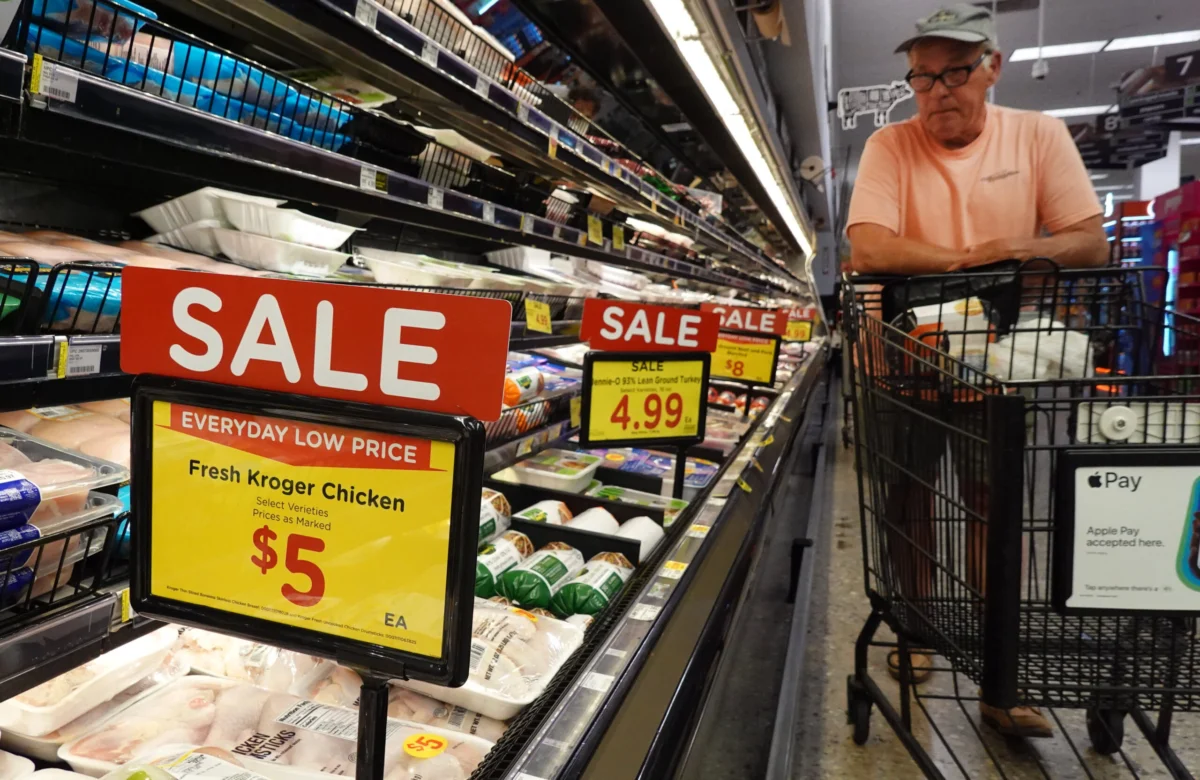
Food Prices Edge Higher: Food prices saw a modest 0.1% increase for the month. While "food at home" costs remained flat, the overall food index accelerated to a 2.7% annual rate. This suggests that while grocery store prices might be stabilizing in some areas, the cost of food away from home, or other specific food categories, continues to exert upward pressure.
-
Broad-Based Price Increases: Beyond the major categories, the report indicated widespread price gains across various segments. Transportation services experienced a 0.5% increase. The automotive sector saw prices for used cars and trucks rise by 0.4% and new vehicle prices climb by 0.3%. These increases underscore a broader inflationary trend rather than being confined to just a few sectors. Notably, tariff-sensitive apparel prices remained flat, offering a rare point of stability, while motor vehicle insurance actually saw a slight decrease of 0.8%.
The Federal Reserve’s Tightrope Walk: Background and Context
The August CPI report arrives at a critical juncture for the Federal Reserve. For well over a year, the U.S. central bank has been engaged in its most aggressive monetary tightening cycle in decades, aiming to bring inflation down from multi-decade highs. The Fed operates under a "dual mandate" from Congress: to achieve maximum employment and maintain price stability, typically defined as a 2% annual inflation rate.
Following the initial surge in inflation in 2021 and 2022, largely driven by pandemic-induced supply chain disruptions, robust consumer demand fueled by fiscal stimulus, and geopolitical events, the Fed initially characterized inflation as "transitory." However, as price pressures proved more persistent, the central bank embarked on a series of rapid interest rate hikes, beginning in early 2022. The federal funds rate, its benchmark interest rate, has been elevated from near-zero to its current range of 3.5%-3.75%, where it has remained throughout 2026 (based on the article’s implied timeline).
Each quarter-percentage-point (25 basis points) hike makes borrowing more expensive across the economy, impacting everything from mortgages and car loans to business investments and credit card rates. The goal is to cool demand, thereby reducing inflationary pressures. However, this strategy carries the inherent risk of slowing economic growth too much, potentially leading to a recession and job losses – a scenario often referred to as a "hard landing." The Fed’s challenge is to achieve a "soft landing," where inflation subsides without a significant economic downturn.
The August CPI report is the final major inflation indicator the Federal Open Market Committee (FOMC), the Fed’s rate-setting body, will review before its crucial policy meeting next week, which concludes on Wednesday with a vote on the key interest rate. This makes the report’s findings exceptionally impactful on the immediate policy decision.
Market Response: Elevated Expectations for a Hike
Financial markets reacted swiftly and decisively to the inflation data, solidifying expectations for a rate hike. Prior to the CPI release, markets were already pricing in a nearly 70% probability that the Fed would increase its benchmark interest rate by a quarter percentage point. However, following the report, these odds surged dramatically. According to the CME Group’s FedWatch tracker, which monitors fed funds futures prices to gauge market expectations, the probability of a 25-basis-point hike jumped to nearly 90%. This reflects a near consensus among traders that the Fed has little choice but to act.
The bond market, particularly sensitive to interest rate expectations, saw notable movements. Treasury yields were mixed overall, but the policy-sensitive 2-year note, which often reflects short-term interest rate expectations, jumped 4.6 basis points to 4.594%. A basis point equals 0.01%, so this move indicated a firm repricing of future rate hikes. Higher short-term yields typically signal that investors expect the Fed to keep rates higher for longer.
Interestingly, stock market futures surged in morning trade, a somewhat counterintuitive reaction given the increased likelihood of a rate hike which typically weighs on equities. This unusual response was largely attributed to a significant plunge in oil prices observed concurrently. A drop in oil prices can alleviate concerns about energy costs and their broader inflationary impact, potentially offsetting some of the negative sentiment from higher interest rates, at least in the short term. However, market sentiment remains volatile and subject to rapid shifts.
Voices from Policy Makers and Economists
The August CPI report has intensified the debate among economists and within the Federal Reserve itself regarding the appropriate path for monetary policy.
Federal Reserve Chairman Kevin Warsh has consistently expressed a steadfast commitment to bringing inflation back down to the Fed’s 2% target. He recently stated that if inflation numbers do not show improvement, "we have work to do." These comments were widely interpreted as a hawkish signal, advocating for continued monetary tightening if necessary. The August report, with its persistent inflation and core CPI overshoot, appears to align with the conditions Warsh described.
However, the FOMC is not monolithic. Over the past few weeks, several key officials have publicly counseled a more patient approach, suggesting that the Fed might consider pausing rate hikes to assess the cumulative impact of previous tightening and allow more time for disinflationary forces to take hold. These differing views highlight the complexity of the current economic landscape and the challenge of reaching a consensus decision.
Economists largely agree that the latest data makes a hike almost inevitable. Chris Zaccarelli, chief investment officer for Northlight Asset Management, articulated this sentiment: "There’s no guarantee that the Fed will hike next week, but it’s hard to see how the central bank can justify leaving rates on hold." This reflects the prevailing view that the August report provided insufficient evidence of disinflation to warrant a pause.
Kathy Bostjancic, chief economist at Nationwide, echoed this analysis, stating, "Chair Warsh and others signaled that interest rates can remain on hold only if disinflation continues and today’s August report did not deliver that." She further highlighted the concern that "the renewed march higher in oil, gasoline and diesel prices add to concerns that higher energy prices could spill over to other goods and services and inflation expectations." Nationwide has since revised its forecast to anticipate a quarter-point hike next week, joining a growing number of institutions.
Broader Implications of a Potential Rate Hike
A further interest rate hike by the Federal Reserve carries significant implications for various sectors of the U.S. and global economies:
-
Borrowing Costs for Consumers and Businesses: A hike will directly translate to higher borrowing costs. Mortgage rates, already elevated, could see further increases, impacting housing affordability and demand. Rates on auto loans, credit cards, and personal loans would also likely climb, increasing the financial burden on households. For businesses, higher interest rates mean more expensive financing for expansion, operations, and investments, potentially leading to slower growth and hiring.
-
Economic Growth and Recession Risk: The Fed’s primary tool to combat inflation is to cool demand. While a successful tightening cycle can bring inflation down, there’s a delicate balance. Excessive tightening risks pushing the economy into a recession, characterized by a significant downturn in economic activity, rising unemployment, and reduced consumer spending. The debate over whether the U.S. can achieve a "soft landing" intensifies with each hike.
-
Employment Market: A slowdown in economic activity resulting from higher rates could eventually lead to a weakening of the labor market. Companies, facing higher borrowing costs and potentially reduced consumer demand, might reduce hiring or even resort to layoffs. The Fed monitors the unemployment rate and job growth closely as part of its dual mandate, and a significant weakening of the labor market could prompt a shift in policy.
-
Asset Markets: Stock markets typically react negatively to higher interest rates as they increase the cost of capital for companies and reduce the present value of future earnings. Bond yields, particularly short-term ones, tend to rise. The volatility observed in stock futures and Treasury yields post-CPI is likely to persist as markets digest the implications of tighter monetary policy.
-
U.S. Dollar and International Impact: Higher U.S. interest rates tend to strengthen the U.S. dollar, as it makes dollar-denominated assets more attractive to international investors seeking higher returns. A stronger dollar can make U.S. exports more expensive and imports cheaper. It can also create challenges for countries with dollar-denominated debt, as it becomes more expensive to service that debt.
Looking Ahead: The FOMC Meeting and Beyond
The FOMC meeting next week will be closely watched. While a 25-basis-point hike appears increasingly likely, the accompanying statement and Chairman Warsh’s press conference will be equally critical. Markets will be looking for clues about the Fed’s future intentions – whether this hike signals a continued commitment to tightening, or if it might be the final move in the current cycle. The Fed’s "dot plot," which projects individual FOMC members’ expectations for future interest rates, will also be a key indicator of the potential path forward.
Beyond the immediate decision, the Fed will continue to monitor a wide array of economic data, including subsequent CPI reports, employment figures (such as the non-farm payrolls report), GDP growth, and various surveys on inflation expectations. The trajectory of energy prices, influenced by geopolitical events and global supply dynamics, will also remain a significant factor.
The August CPI report has unequivocally reinforced the narrative of persistent inflation, making the Federal Reserve’s upcoming decision one of profound consequence. The central bank faces the delicate task of quelling price pressures without stifling economic growth, a balancing act that will continue to define the economic landscape in the months to come.