Ella Zulfa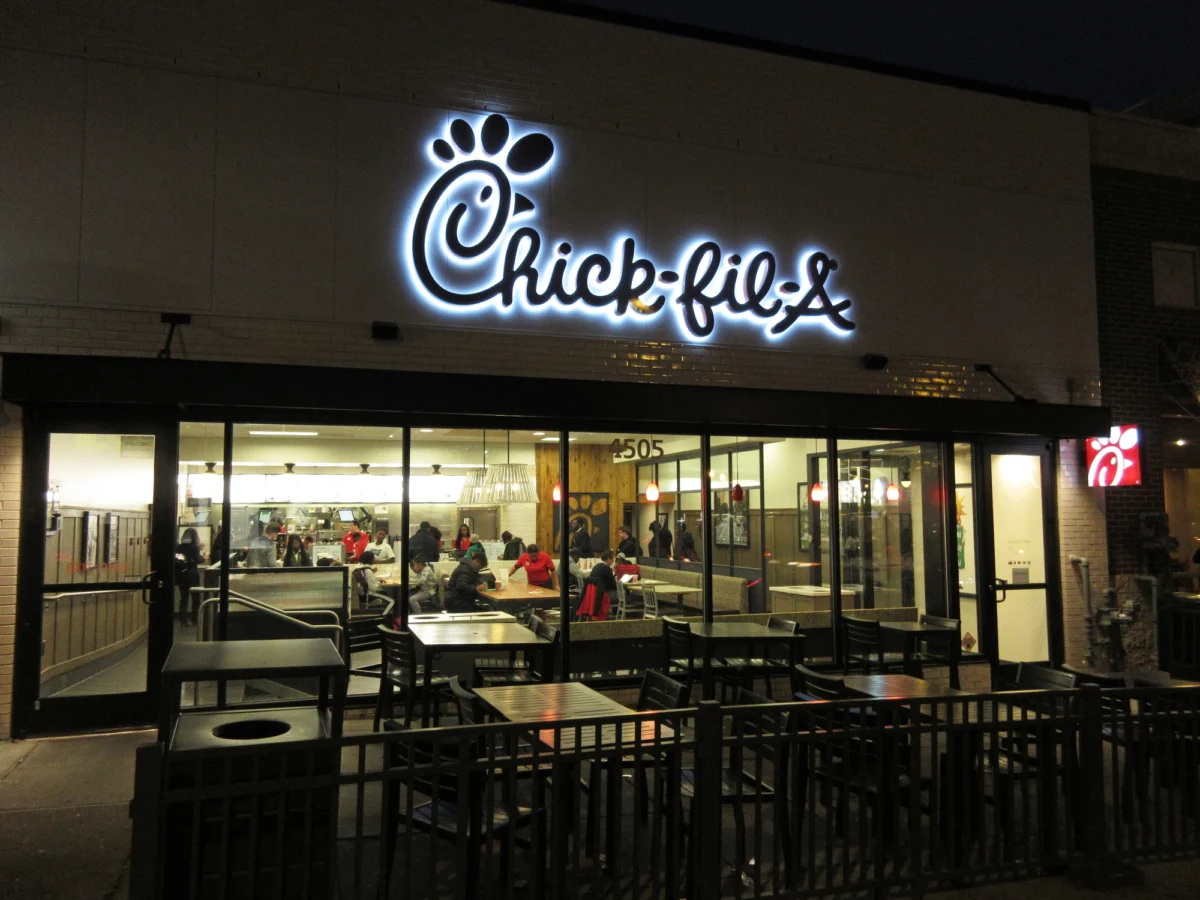
The competitive landscape of the fast-casual chicken restaurant sector is intensifying, marked by robust growth and aggressive expansion from both established players and emerging brands. In 2025, the chicken franchise segment experienced a significant surge in sales, growing by 5.3% – a figure that notably outpaces the overall restaurant industry’s 3% growth and the 1.5% expansion seen by burger chains, according to data compiled by Technomic and highlighted by Restaurant Business. This burgeoning market has seen chains like Raising Cane’s, Dave’s Hot Chicken, and Wingstop emerge as significant contenders, each carving out their niche and contributing to the overall dynamism of the chicken-centric dining experience.
The latest entrant to officially signal its ambitious intentions within this booming market is McDonald’s. The global fast-food giant has unveiled a substantial $8.5 billion modernization plan, a significant portion of which is earmarked for an aggressive push into the chicken segment. A key objective within this multi-year investment is to capture an additional 1.5 points of chicken market share by the year 2030. To achieve this, McDonald’s is actively piloting new chicken offerings, including a hand-breaded chicken sandwich, across its U.S. and Irish markets, signaling a direct challenge to the established leaders.
Despite this escalating competition, Andrew Cathy, the CEO of Chick-fil-A, the undisputed leader in the chicken franchise category, has adopted a stance of welcome rather than apprehension. "I love competition. It just makes us better," Cathy stated in a recent interview with Restaurant Business. His perspective, shaped by his background as a former high school coach, emphasizes the invigorating effect of a challenging market. This philosophy suggests that while the competitive pressures are undeniable, they serve as a catalyst for innovation and operational excellence within Chick-fil-A.
However, Cathy also acknowledges the inherent risks of complacency. He articulated that his most significant concern is the potential for the company to become stagnant or to move too slowly in a rapidly evolving market. To counteract this, he advocates for his team to maintain what he terms a "healthy dose of fear." This psychological framing is intended to foster a culture of vigilance and continuous improvement, ensuring that the company remains agile and responsive to market shifts and consumer demands.
Chick-fil-A’s strategic approach to maintaining its leadership position centers on a steadfast commitment to its core operational principles. Cathy emphasized the importance of fundamentals such as ensuring order accuracy, delivering high-quality food, and providing exceptional, warm hospitality. These foundational elements, he believes, are the bedrock of customer loyalty and the primary drivers of the brand’s enduring success. In line with this focus on human interaction and service, Chick-fil-A has indicated no immediate plans to replace its human order-takers with artificial intelligence (AI) systems, underscoring a preference for personal touch in customer engagement.
The Escalating Chicken Franchise Battlefield
The current fervor surrounding chicken franchises is not a sudden development but rather a culmination of sustained consumer preference and strategic industry shifts. For years, chicken has been a dominant protein in the American diet, favored for its versatility, perceived health benefits compared to red meat, and broad appeal across demographics. The fast-food industry, in turn, has responded by diversifying menus and creating specialized chicken concepts to capitalize on this enduring popularity.
A Look at Key Players and Their Growth Trajectory:
- Chick-fil-A: Consistently holding the top position, Chick-fil-A has built its empire on a foundation of customer service and a focused menu. Its success is often attributed to meticulous operational standards, a consistent product, and a strong brand ethos centered on community and hospitality. While specific annual growth figures fluctuate, the brand has maintained a remarkable trajectory of consistent same-store sales growth and unit expansion for over a decade.
- Raising Cane’s: Known for its simple yet effective menu focused on chicken fingers, Raising Cane’s has experienced explosive growth, particularly in recent years. The company’s commitment to a limited menu allows for operational efficiency and a high-quality, consistent product. Reports indicate double-digit growth for the chain, with ambitious expansion plans across the U.S. and internationally.
- Dave’s Hot Chicken: This relatively newer entrant has rapidly gained traction by specializing in Nashville-style hot chicken, offering a customizable spice level that appeals to a growing segment of adventurous diners. The brand’s bold flavor profile and rapid franchising model have propelled its expansion, quickly establishing it as a significant player in the market.
- Wingstop: As a dedicated wing concept, Wingstop has leveraged the enduring popularity of chicken wings for casual dining and game-day consumption. Strategic menu development, including a variety of sauces and rubs, coupled with a strong franchise model, has allowed Wingstop to achieve consistent growth and market penetration.
McDonald’s Strategic Pivot: A New Frontier
McDonald’s entry into this intensified chicken battle signifies a strategic evolution for the Golden Arches. Historically, McDonald’s has been synonymous with its iconic burgers. However, recognizing the undeniable market demand for chicken, the company is making a significant investment to rebalance its portfolio and capture a larger share of the lucrative chicken market.
The $8.5 Billion Modernization Plan:
This comprehensive investment, announced in late 2025, is designed to address several key areas, including:
- Technology Integration: Enhancing digital ordering, delivery capabilities, and in-store technology to improve customer convenience and operational efficiency.
- Restaurant Remodels: Updating the physical appearance and functionality of existing locations to create more modern and inviting dining environments.
- Menu Innovation: As evidenced by the chicken initiatives, this includes exploring new product categories and refining existing offerings to meet evolving consumer tastes.
- Marketing and Brand Reinforcement: Reinvigorating the brand image and marketing efforts to appeal to a broader audience and reinforce its value proposition.
The specific allocation of funds towards chicken market share gains underscores the strategic importance McDonald’s places on this category. The pilot programs for hand-breaded chicken are a direct response to the success of premium chicken sandwich offerings from competitors. By testing these products, McDonald’s aims to gauge consumer reception and refine its approach before a broader rollout.
The "Healthy Dose of Fear": A CEO’s Philosophy on Sustaining Success
Andrew Cathy’s management philosophy, particularly his emphasis on a "healthy dose of fear," offers a compelling insight into how a market leader navigates intense competition. This approach is not about fostering an environment of anxiety but rather cultivating a sense of urgency and a proactive mindset.
Deconstructing the "Healthy Dose of Fear":
- Countering Complacency: In any successful organization, there is a natural tendency to rest on laurels. Cathy’s philosophy aims to actively combat this by reminding the team that market leadership is not guaranteed and requires continuous effort.
- Driving Innovation: A slight sense of unease about falling behind can be a powerful motivator for exploring new ideas, improving existing processes, and anticipating future trends.
- Focus on Fundamentals: Paradoxically, this fear of being surpassed often leads leaders to double down on what made them successful in the first place. For Chick-fil-A, this means reinforcing its commitment to quality, service, and hospitality, rather than chasing fleeting trends.
- Risk Mitigation: By acknowledging potential threats and maintaining a vigilant posture, companies can better prepare for and mitigate risks, whether they stem from new competitors, changing consumer preferences, or economic shifts.
Cathy’s statement that Chick-fil-A has no plans to replace human order takers with AI further illustrates this point. While AI offers efficiency, Chick-fil-A prioritizes the human element of customer interaction, which it views as a critical differentiator. This decision reflects a strategic choice to lean into its strengths rather than adopt technology solely for the sake of modernization if it detracts from the core customer experience.
Data-Driven Insights into the Chicken Market
The sustained growth in the chicken franchise sector is supported by robust data, painting a clear picture of consumer demand and market dynamics.
Key Performance Indicators:
- Sales Growth: As cited, the 5.3% growth in chicken franchise sales in 2025 is a significant indicator of consumer preference. This outperformance suggests a strong and sustained demand for chicken-based meals.
- Consumer Preferences: Studies consistently show chicken as a preferred protein for a majority of consumers due to its perceived health benefits, affordability, and adaptability to various culinary styles. The rise of healthier fast-casual options has further amplified chicken’s appeal.
- Franchise Investment: The increasing number of new chicken franchise openings and the expansion of existing brands highlight the sector’s attractiveness to both entrepreneurs and investors. The proven business models and consistent demand make it a relatively lower-risk investment compared to other restaurant segments.
- Market Share Shifts: The ambitious goal of McDonald’s to gain 1.5% of the chicken market share by 2030, while seemingly small, represents a substantial volume of sales and a significant shift in competitive dynamics. This indicates that even established giants are recognizing the untapped potential and are willing to invest heavily to secure a piece of the pie.
Broader Implications and Future Outlook
The intensifying chicken wars have several significant implications for the broader restaurant industry and consumers alike.
For Competitors:
- Increased Pressure for Differentiation: Brands will need to find increasingly unique ways to stand out, whether through innovative menu items, superior customer service, unique dining experiences, or targeted marketing campaigns.
- Potential for Consolidation: As competition heats up, smaller or less adaptable brands may struggle to maintain market share, potentially leading to consolidation within the industry.
- Focus on Supply Chain and Sustainability: With increasing demand, brands will face greater scrutiny on their sourcing, supply chain efficiency, and sustainability practices.
For Consumers:
- Greater Choice and Value: Increased competition typically leads to more options for consumers, potentially driving better value and quality across the board.
- Innovation in Menu Offerings: Consumers can expect a continuous stream of new chicken-based products and flavor profiles as brands vie for their attention.
- Potential for Price Fluctuations: While competition can drive value, significant shifts in commodity prices or increased operational costs due to competitive pressures could also influence menu prices.
The "chicken wars" are far from over. With major players like McDonald’s making significant strategic moves and established leaders like Chick-fil-A embracing the challenge, the sector is poised for continued innovation and dynamic growth. Andrew Cathy’s perspective suggests that for Chick-fil-A, this heightened competition is not a threat but an opportunity to refine its winning formula and further solidify its position as a dominant force in the fast-casual chicken market, driven by a relentless pursuit of operational excellence and a deep understanding of its customer base. The coming years will undoubtedly reveal how effectively these strategies translate into sustained market leadership amidst an increasingly crowded and competitive landscape.