Gilang Muhammad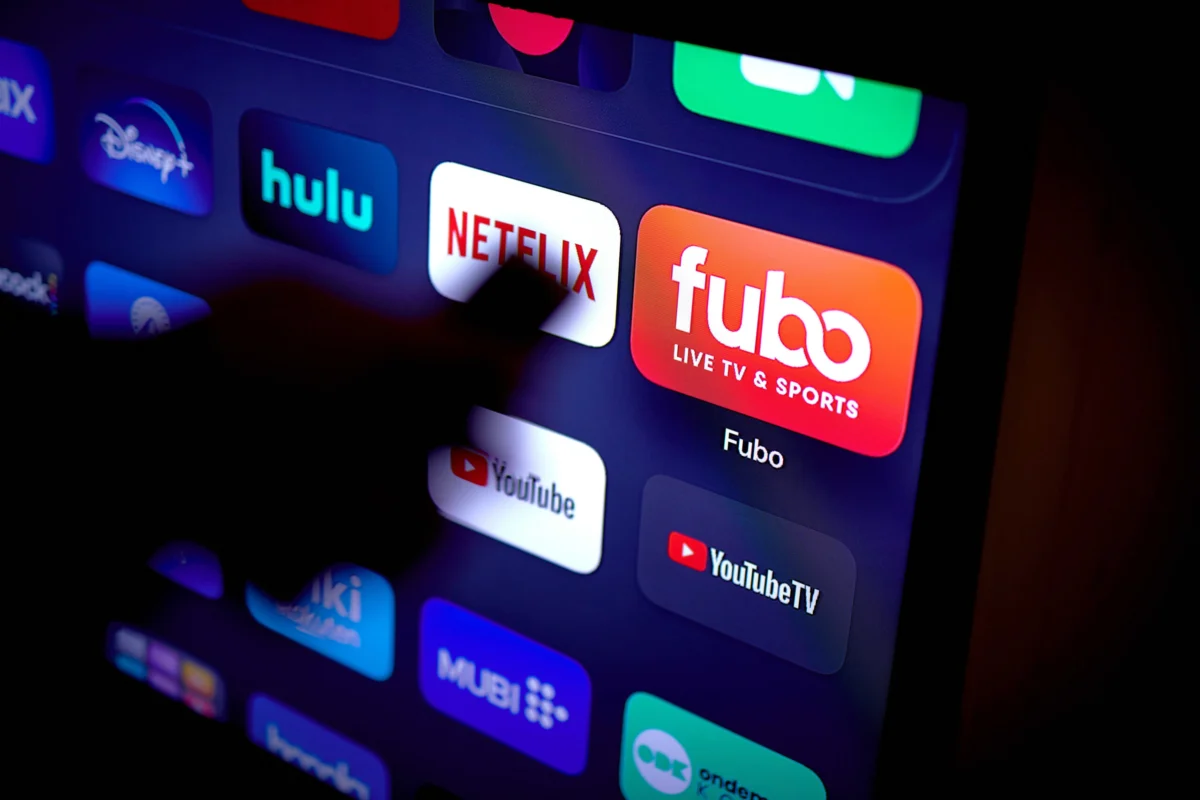
For decades, video games served as a reliable escape and cherished hobby for Alyx Green, a 31-year-old graduate student in Illinois. Yet, in recent years, this familiar solace has become increasingly elusive, as Green, like millions of other Americans, finds themselves effectively priced out of their preferred pastimes. Instead of eagerly anticipating and purchasing the latest blockbuster game releases, Green now navigates a landscape of financial constraint, opting for more affordable alternatives from independent studios, revisiting classic board and card games, or, in a telling sign of the times, simply watching others play popular titles on YouTube. "The price has been going up," Green laments, reflecting a sentiment echoed across various demographics. "It’s just hard to keep up."
This phenomenon, colloquially termed "funflation," initially gained prominence in the post-pandemic era, describing the sharply escalated costs associated with live experiences such as concerts, sporting events, and theme park visits—activities that saw demand surge after widespread lockdowns. However, what began as sticker shock for out-of-home entertainment has now permeated the very sanctuaries of American leisure: their living rooms. A relentless wave of price hikes from industry titans including Amazon, Apple, and Netflix has transformed even seemingly innocuous at-home pastimes like streaming movies and playing video games into significant financial burdens, tightening the grip on household budgets.
Exclusive data compiled for CNBC by PNC Financial Services illuminates this shifting consumer behavior. Their analysis reveals a discernible pullback in home entertainment spending among average U.S. consumers in June compared to the previous year, as pricing pressures intensified. This retrenchment was particularly pronounced among younger demographics, with both Gen Z and Millennial consumers cutting their transactions in this category by approximately 4%. Brian LeBlanc, PNC’s senior economist, articulates the trend clearly: "Funflation is back in 2026. We’re seeing that very clearly in things like travel, entertainment, concerts. Now, we’re also starting to see it more in home leisure."
The Rise of "Home Funflation": Gaming and Tech Devices Under Pressure
The gaming industry, a cornerstone of modern home entertainment, has been at the forefront of this inflationary wave. In late June, tech giants Microsoft and Apple announced significant price increases for their respective devices, including Xbox consoles and MacBooks, with Apple candidly acknowledging that the news was "not welcome." A month prior, in May 2026, Nintendo had already signaled its intention to raise the U.S. price of its highly anticipated Switch 2 console by a substantial 11%, sending ripples of concern through the gaming community.
Companies uniformly attributed these unwelcome adjustments to the escalating costs of crucial components, particularly memory chips, driven by the burgeoning demand from the artificial intelligence sector. This AI-driven "memory chip crunch" has created an unprecedented competitive landscape for raw materials, pushing manufacturing costs skyward. Deborah Weinswig, founder of Coresight Research, warned that these increases carry a real risk of alienating a segment of the consumer base, potentially pricing out a significant portion of the market.
Xbox CEO Asha Sharma has been notably vocal about the growing affordability crisis in gaming. In recent interviews, Sharma conceded that gaming is becoming increasingly unaffordable for the mass market, signaling a strategic shift for Microsoft towards developing less costly hardware solutions. This pivot was underscored by Microsoft’s announcement in early July that it would lay off thousands of workers within its Xbox unit and spin off several gaming studios, a move interpreted by many as a restructuring effort to adapt to these new economic realities. "We’ve reached a point where it will be hard to imagine that mass audiences can afford thousands of dollars to spend on a console generation," Sharma stated during a Fortune event last month, highlighting the unsustainability of current pricing trends.
Historically, the cost of computers and related electronic devices, adjusted for inflation and improved capacity, has steadily declined due to advancements in production efficiency. However, this long-standing disinflationary trend appears to be reversing. Elizabeth Renter, a senior economist at NerdWallet, observes that as component costs soar, the era of ever-cheaper tech for consumers may be drawing to a close, ushering in a new period of inflationary pressure for electronic goods.
Beyond Hardware: Energy Costs and the Geopolitical Backdrop
Compounding the direct cost of entertainment devices is the rising expense of powering them. The increased time spent at home by individuals seeking affordable leisure often translates into higher electricity consumption, particularly for energy-intensive devices like gaming consoles and streaming setups, alongside necessities such as air-conditioning units during warmer months. Government data paints a stark picture: electricity prices have surged by a staggering 45% since 2019. This dramatic increase is partially attributable to significant supply shocks stemming from the Russian invasion of Ukraine in 2022 and, more recently, the conflict with Iran in 2026, both of which have profoundly disrupted global energy markets and driven up utility costs for households worldwide.
"Streamflation" Takes Hold: The Rising Price of Digital Content
While gaming consoles and their energy demands pinch pocketbooks, the digital content consumed on these devices is also contributing significantly to "home funflation." A phenomenon dubbed "streamflation" describes the steady and often substantial increases in subscription prices across major streaming services.

Early in 2026, industry leaders Netflix, Amazon, and Spotify each announced price hikes for their respective platforms, following a similar pattern set by Disney and Warner Bros. Discovery’s HBO Max in late 2025. Apple TV+, not to be outdone, raised its subscription fees in mid-2025, marking its third increase in as many years. These incremental but persistent adjustments have collectively transformed the once-affordable luxury of on-demand content into a notable household expenditure.
Consumers are increasingly employing strategic measures to manage these escalating costs. Fiona Williams, a 40-year-old project manager, exemplifies this adaptive behavior. She regularly subscribes to a service to binge-watch desired content, then cancels it, maintaining a careful "balancing act" to keep her spending manageable. Williams notes, "I’m never maintaining more than one at a time, because it’s just too expensive." In some instances, she skips subscriptions altogether. Rather than purchasing a Peacock membership for the latest season of the popular dating show "Love Island," for example, she opts to follow the narrative through free clips and discussions on social media platforms, a testament to the ingenuity born of necessity.
This shift in consumer behavior has also bolstered the fortunes of ad-supported streaming services. Tubi, the free platform owned by Fox Corp., has seen its viewership numbers, in some cases, surpass those of established subscription-based streamers. Executives at Fox have shrewdly wagered that consumers, weary of ever-increasing monthly subscription fees, would be willing to tolerate advertisements in exchange for access to free content.
For individuals like Williams, the quest for affordable leisure has led to a rediscovery of older, less digitally-intensive hobbies. The Akron, Ohio, resident has increasingly dedicated her downtime to reading books, a leisure category that has remarkably escaped the widespread inflationary pressures seen elsewhere. Data from the Bureau of Labor Statistics underscores this divergence: since the start of 2019, the price of subscribing to or renting videos and video games has surged by 53%, TV services by 27%, and music subscriptions by 14%. In stark contrast, recreational book prices have actually fallen by 4% over the same period, offering a rare bastion of affordability for entertainment.
The Broader Landscape of "Funflation": Out-of-Home Costs Persist
While "home funflation" takes center stage, the original drivers of the phenomenon—out-of-home entertainment costs—continue to escalate. PNC’s data analysis confirms that annual inflation in categories like sporting events and amusement park visits spiked significantly in 2026. These service sectors are exerting upward pressure on the core personal consumption expenditures (PCE) price index, the Federal Reserve policymakers’ preferred measure of inflation, signaling a broader inflationary trend impacting discretionary spending.
The current FIFA World Cup, co-hosted by the United States, serves as a prominent example of these exorbitant costs. TicketData, a leading analytics firm, reported this week that the median ticket price for a match has soared past $900. When confronted with fan frustration regarding these prices, FIFA President Gianni Infantino defended the costs, telling CNBC that attending a World Cup match in the U.S. represented a "once-in-a-lifetime opportunity," implying that the unparalleled demand justified the premium. This stance, while economically understandable from an organizer’s perspective, does little to alleviate the financial strain on average fans.
Economic Pessimism and Psychological Toll
Economists widely warn that persistently high prices across all forms of recreational activities—whether within the comfort of one’s home or at a grand sporting event—can further erode consumer confidence and intensify economic pessimism among the general populace. Recent data from the University of Michigan’s closely watched index reveals that consumer sentiment has plunged to record lows in recent months, reflecting a widespread concern about the economic outlook, exacerbated by ongoing inflation, geopolitical tensions, and an uncertain job market.
For individuals like Alyx Green, the impact extends beyond mere financial inconvenience, touching upon mental well-being. "The ability to play games and get out of my own life for a second was a major way for me to have some sort of happiness," Green explains. "Now, the overall economy is getting worse, and I don’t have any distractions from it." This sentiment highlights a critical, often overlooked, aspect of "funflation": the erosion of accessible, affordable avenues for stress relief and mental respite, particularly for younger generations already grappling with economic anxieties and social pressures.
The implications of "funflation" are far-reaching, signaling a fundamental shift in how Americans approach leisure. Industries reliant on discretionary spending face the challenge of balancing rising operational costs with consumer affordability, potentially leading to increased market segmentation between premium and budget offerings. For consumers, the era of abundant, affordable entertainment appears to be waning, replaced by a new reality demanding careful budgeting, strategic choices, and, for many, a re-evaluation of what constitutes an essential pastime in an increasingly expensive world.
CNBC’s Natalie Rice contributed to this report.