Farhan Pambudi
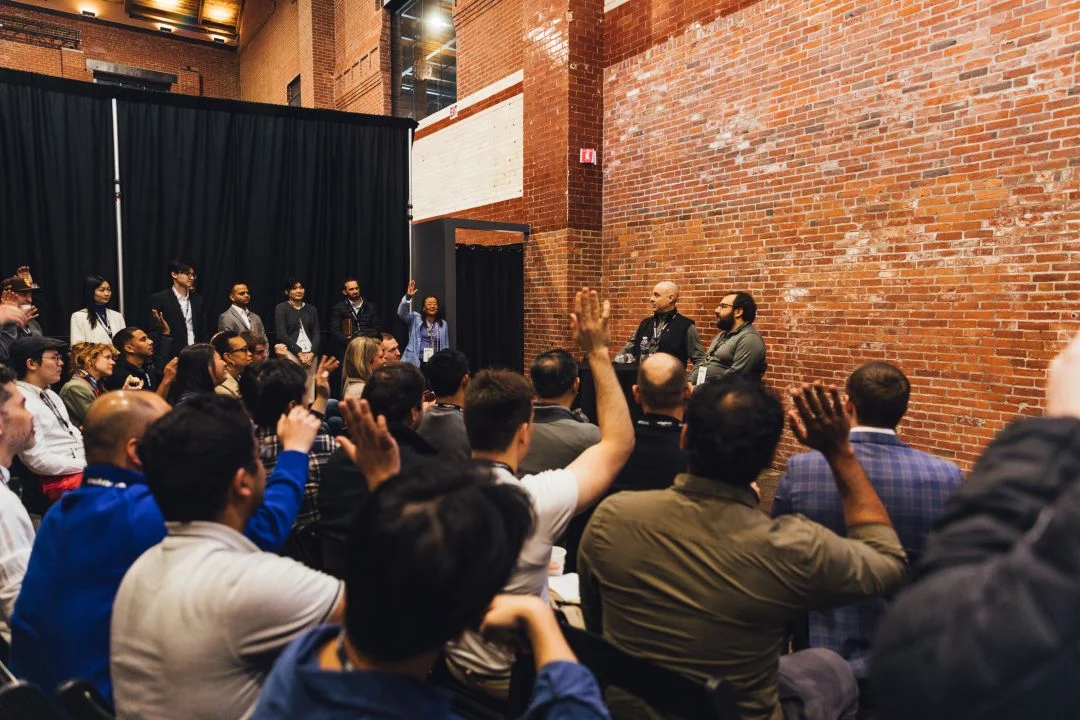
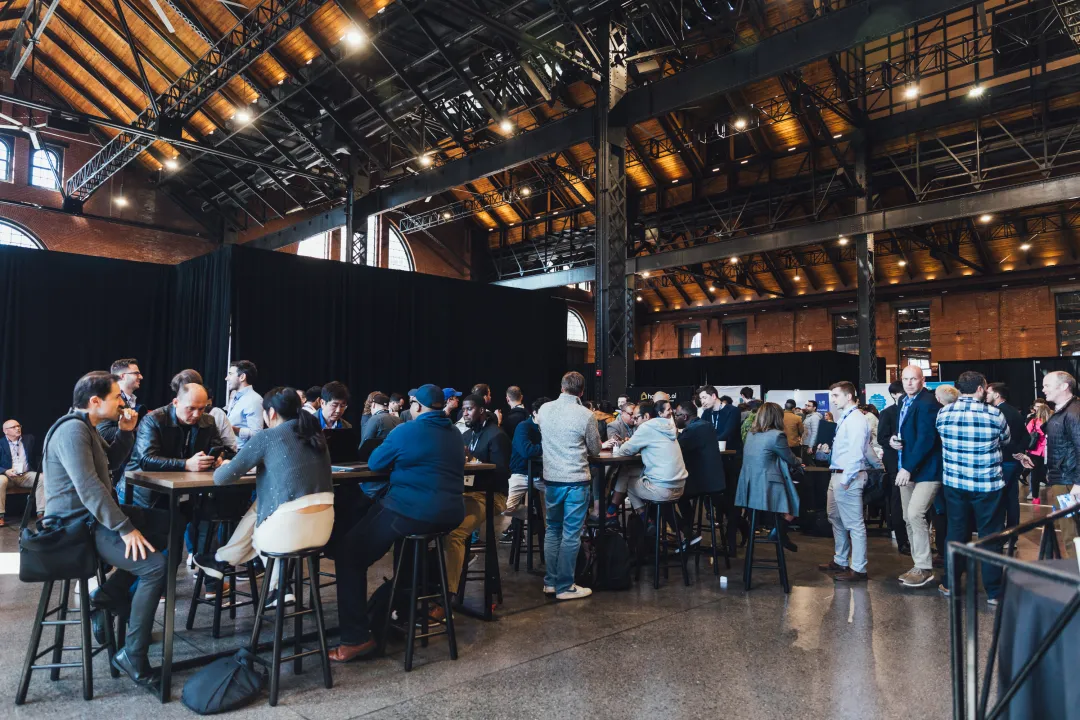
The TechCrunch Founder Summit, presented in partnership with Fidelity Private Shares, is scheduled to convene on November 4, 2026, at the SoWa Power Station in Boston, marking a significant gathering for the New England startup ecosystem. With only five days remaining until the doors open, the event is positioned as a departure from traditional large-scale tech conferences, prioritizing high-touch interaction, tactical workshops, and peer-to-peer networking over passive observation. The summit arrives at a critical juncture for the venture capital and startup landscape, where the emphasis has shifted from "growth at all costs" to sustainable unit economics and the strategic integration of artificial intelligence into core business operations.
The choice of Boston as the host city underscores the region’s enduring status as a primary hub for deep tech, biotechnology, and enterprise software. By utilizing the historic SoWa Power Station—a venue that once powered the city’s transit system and has since been repurposed as a premier event space—the summit mirrors the themes of transformation and industrial evolution that define the modern technology sector. As founders navigate a more discerning investment environment in 2026, the summit’s dual-track programming aims to provide the specific, actionable insights required to secure funding and achieve scalable growth.
Tactical Foundations: The Build Stage
The Build Stage serves as the summit’s primary laboratory for early-stage execution. Recognizing that the transition from a minimum viable product (MVP) to a viable business entity is often where most startups fail, the sessions on this stage are designed to be strictly tactical. Programming focuses on four critical pillars: distribution strategies, fundraising mechanics, AI-driven efficiency, and the psychology of the pitch.
In the current market, distribution is increasingly viewed as a competitive moat equal to, if not greater than, the underlying technology. Sessions on the Build Stage will examine why product excellence alone is no longer a guarantee of market entry. Founders will receive instruction on identifying high-leverage channels and building repeatable sales motions. This is particularly relevant as customer acquisition costs (CAC) continue to fluctuate across digital platforms, forcing startups to seek more organic and community-driven growth levers.
Fundraising remains a central concern for the attendee base. While venture capital availability has stabilized since the volatility of the early 2020s, the criteria for Seed and Series A rounds have become more rigorous. Investors now demand greater clarity on path-to-profitability and long-term defensibility. Build Stage speakers, including seasoned venture capitalists and successful serial entrepreneurs, will provide a "behind-the-curtain" look at what modern term sheets require. The sessions also address the "pitch that earns the next meeting," focusing on narrative construction and the data points that resonate most with institutional investors in the 2026 climate.

Furthermore, the Build Stage will tackle the practicalities of artificial intelligence. Moving beyond the hype of generative models, the summit explores how founders can utilize AI to maintain lean operations. This includes automating back-office functions and enhancing developer productivity, allowing small teams to compete with much larger, established organizations.
Strategic Scaling: The Impact Stage
While the Build Stage focuses on the "how" of starting, the Impact Stage addresses the "what next" of scaling. This track is tailored for founders who have achieved initial traction and are now facing the complexities of organizational growth, enterprise relationship management, and market leadership.
The Impact Stage focuses on the nuances of product-market fit (PMF). Achieving PMF is rarely a static milestone; rather, it is a continuous process of adjustment as a company enters new markets or segments. Founders will hear candid accounts of when to accelerate growth and, perhaps more importantly, when to pull back to preserve capital and operational integrity.
A significant portion of the Impact Stage programming is dedicated to the enterprise sector. For B2B startups, landing "whale" clients before a Series A round can be a transformative event. However, the enterprise sales cycle is notoriously long and fraught with bureaucratic hurdles. Industry leaders will share frameworks for navigating these relationships, securing pilot programs, and converting those pilots into long-term, high-value contracts.
The concept of "scaling responsibly" is another core theme. In a landscape where category leaders are often determined by their ability to withstand economic shifts, the Impact Stage provides insights into building sustainable corporate cultures and resilient infrastructure. Discussions will include identifying future category leaders and the strategic partnerships necessary to maintain a competitive edge in saturated markets.
Interactive Roundtables and Peer-to-peer Knowledge Exchange
Central to the TechCrunch Founder Summit’s design is the interactive roundtable format. These smaller, moderated discussions are intended to facilitate direct engagement between founders and experts. Unlike the stage sessions, roundtables allow for a granular exploration of specific challenges that may not apply to a general audience.

The 2026 roundtable agenda reflects the specific anxieties and opportunities of the current tech cycle. Topics include:
- Navigating Regulated Industries: Strategies for founders entering healthcare, fintech, or energy sectors where legal compliance is a primary barrier to entry.
- Mitigating AI Hallucinations: Technical deep dives for founders building AI-native products who must ensure data accuracy and reliability for enterprise clients.
- Lean Event Marketing: How to build a physical brand presence and events strategy without the budget of a Fortune 500 company.
- The "Series A Chasm": Specific advice on transitioning from founder-led sales to a professionalized sales organization.
- Competitive AI Moats: Using proprietary data sets to build AI models that cannot be easily replicated by larger competitors using commodity LLMs.
By fostering an environment where founders can ask direct questions and compare notes with peers facing similar obstacles, the summit aims to build a community of practice that extends beyond the one-day event.
Economic Context and the Role of Fidelity Private Shares
The involvement of Fidelity Private Shares as the presenting sponsor highlights the increasing importance of equity management and financial infrastructure in the startup lifecycle. In 2026, the complexity of cap tables—driven by diverse funding sources including traditional VC, corporate venture, and strategic angels—requires founders to be more financially literate than ever before.
Data from recent industry reports suggests that startups with clean cap tables and transparent equity structures are 30% more likely to close follow-on funding rounds within 18 months. Fidelity’s participation provides founders with access to expertise regarding the administrative side of entrepreneurship, which, while less "glamorous" than product development, is essential for long-term viability and successful exits.
The Boston Tech Ecosystem: A Regional Analysis
The decision to hold the summit in Boston is a strategic acknowledgement of the city’s unique contribution to global innovation. While Silicon Valley remains the largest recipient of venture capital, Boston has carved out a niche in "tough tech"—innovations that require significant scientific breakthroughs and longer development cycles.
According to 2025 year-end data, the Massachusetts tech sector contributed over $100 billion to the state’s GDP. The concentration of world-class research institutions like MIT and Harvard provides a steady pipeline of talent and intellectual property. The TechCrunch Founder Summit acts as a bridge between this academic rigor and the commercial realities of the startup market. Local observers note that the region’s strength lies in its "cluster effect," where proximity between biotech, robotics, and software firms leads to cross-pollination and hybrid innovations.

Timeline and Logistics
The road to the November 4 summit has been marked by a series of regional "warm-up" events and digital workshops designed to build momentum. With five days remaining, the organizers have announced a final registration push, offering a "buy one, get one free" incentive to encourage founder-co-founder attendance.
The schedule for November 4 is structured to maximize networking:
- 08:00 – 09:00: Registration and Networking Breakfast.
- 09:00 – 12:30: Morning Sessions (Build and Impact Stages).
- 12:30 – 13:30: Networking Lunch.
- 13:30 – 15:30: Interactive Roundtables and Workshops.
- 15:30 – 17:00: Afternoon Keynotes and Pitch Critiques.
- 17:00 – 18:30: Closing Reception at SoWa Power Station.
Broader Implications for the Founder Community
The TechCrunch Founder Summit represents a broader trend in the technology industry toward "utility-based" networking. As digital fatigue persists, the value of in-person gatherings is increasingly measured by the density of high-quality connections and the immediate utility of the information shared.
For the founders in attendance, the summit is not merely an opportunity to hear from industry luminaries; it is a chance to recalibrate their strategies against the realities of the 2026 market. The emphasis on "actionable advice" reflects a growing demand for transparency in the startup world. Founders are looking for more than just inspiration; they require the blueprints for survival and growth in an era defined by rapid technological shifts and heightened investor scrutiny.
As the Boston startup hub prepares to descend on the SoWa Power Station, the ultimate success of the event will be measured by the partnerships formed and the growth trajectories altered in the months following the summit. By providing a platform for tactical learning and meaningful connection, TechCrunch and its partners aim to fortify the next generation of companies that will define the tech landscape for the remainder of the decade.