Farhan Pambudi
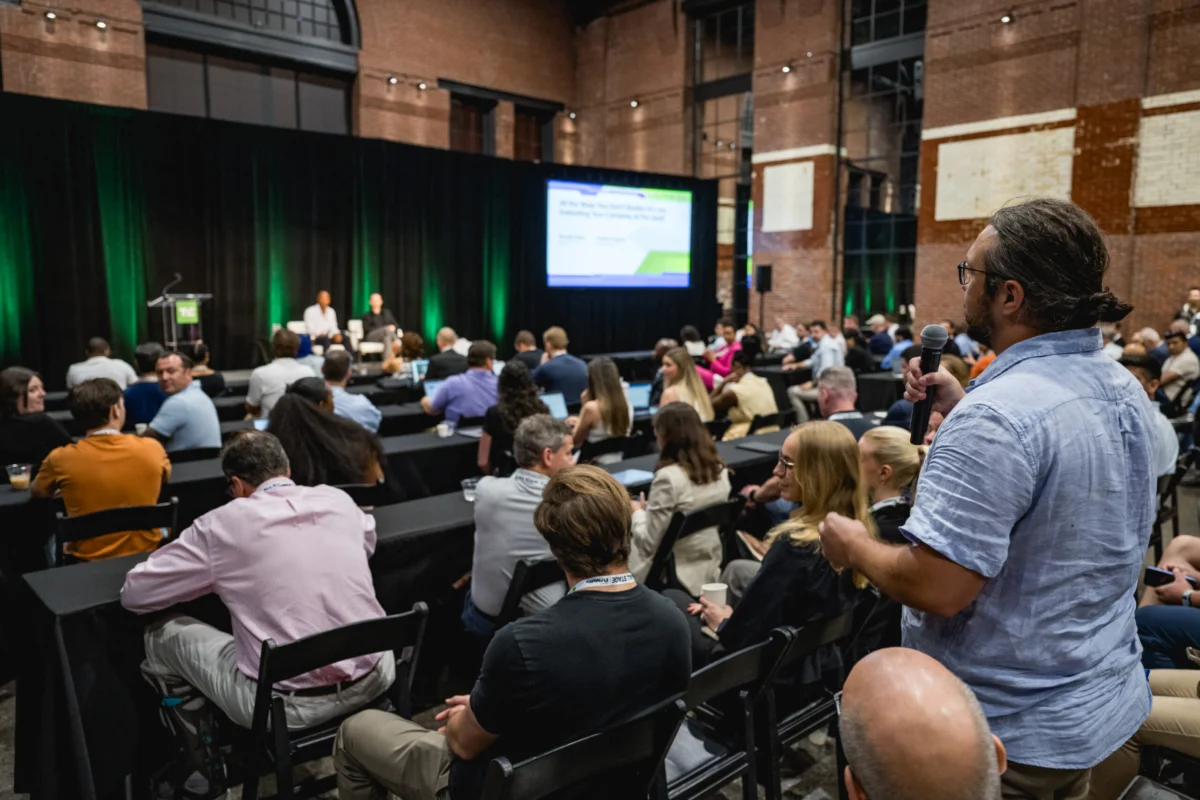
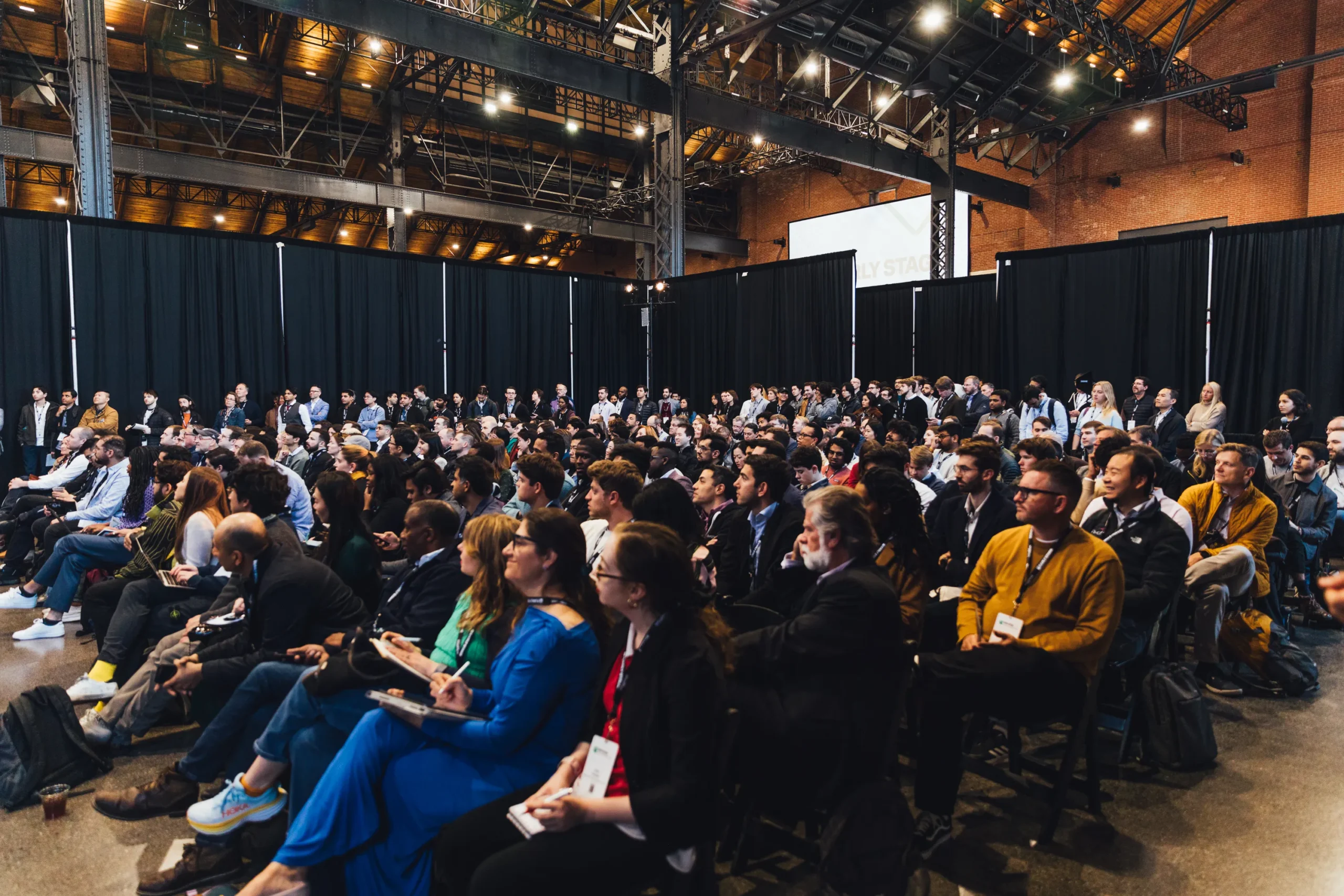
The global startup ecosystem has converged upon the SoWa Power Station in Boston today, November 4, 2026, as the TechCrunch Founder Summit 2026 officially commences. Beginning at 9:00 a.m. ET, this high-stakes gathering brings together a curated assembly of founders, venture capitalists, and industry operators for a rigorous day of strategy, networking, and technical insight. The summit is designed to address the specific hurdles of scaling in a volatile economic landscape, focusing on the intersection of artificial intelligence, capital efficiency, and go-to-market excellence. As doors opened this morning, the event transitioned to full-rate pricing, marking the end of early-registration discounts and signaling the start of a marathon of sessions aimed at accelerating the trajectory of early and growth-stage companies.
The selection of Boston as the host city underscores the region’s enduring status as a primary hub for deep tech, life sciences, and enterprise software. The SoWa Power Station, a masterfully restored 19th-century architectural landmark, serves as a symbolic backdrop for an event focused on building "lasting companies"—a theme that resonates through the day’s agenda. As the startup world shifts away from the "growth at all costs" mentality of the early 2020s toward a more sustainable, unit-economic-focused model, the summit provides a timely platform for founders to recalibrate their strategies under the guidance of those who have successfully navigated multiple market cycles.
A Strategic Agenda for the 2026 Venture Landscape
The summit’s curriculum is divided into two primary tracks: the Build Stage and the Impact Stage, complemented by interactive roundtables and a high-density networking lounge. The day is structured to move from high-level theoretical frameworks to granular, actionable advice.

On the Build Stage, the morning began with a provocative session led by Hunter Worland of NEA, titled "The Next Startup Advantage: Distribution Beats Technology." This session addresses a critical shift in the 2026 market: the commoditization of software development via AI, which has shifted the competitive moat from the code itself to the efficiency of distribution channels. Worland’s analysis suggests that in an era where product development cycles have been slashed by 60%, the winners are no longer those who build fastest, but those who can capture and retain customer attention at the lowest cost.
Simultaneously, the Impact Stage featured a candid "Ask Me Anything" (AMA) session with Steve Fredette, co-founder of Toast. As a central figure in one of Boston’s most successful tech exports, Fredette provided a retrospective on scaling a hardware-software hybrid during periods of extreme macroeconomic uncertainty. His insights into maintaining corporate culture while scaling to thousands of employees offered a blueprint for founders currently in the "messy middle" of growth.
Chronology of the Summit: From Foundation to Connection
The day’s schedule is meticulously timed to maximize the density of information exchange. Following the 9:00 a.m. opening of the Expo Hall—where exhibiting startups are showcasing solutions ranging from AI-driven DevOps to cross-border payment rails—the focus shifted to specialized networking.
At 9:30 a.m., the Networking Lounge, powered by Braindate, became the summit’s operational heart. Unlike traditional "mixer" formats, this platform allows attendees to schedule targeted one-on-one or small-group meetings based on specific challenges, such as Series B term sheet negotiations or hiring for technical leadership roles. Data from previous TechCrunch events indicates that these structured interactions are often where the most significant outcomes—such as lead investor introductions or strategic partnerships—are initiated.

The midday block, running from 10:00 a.m. to 4:00 p.m., is dominated by Breakout and Roundtable sessions. These are designed to be "deep dives" rather than surface-level panels. For instance, the session "When to Scale and When to Hit the Brakes," led by Rudina Seseri of Glasswing Ventures, utilized real-world data to help founders identify the "false signals" of product-market fit that often lead to premature scaling and subsequent burn-out.
Supporting Data: The 2026 Startup Environment
The context for this year’s summit is defined by several key data points that have emerged over the first three quarters of 2026. Venture capital deployment in the Northeast corridor has seen a 12% year-over-year increase, particularly in "Vertical AI" and "ClimateTech." However, the bar for Series A funding has risen; investors are now demanding a 2.5x higher efficiency ratio than they did two years ago.
Furthermore, the "distribution vs. technology" debate is supported by recent industry reports indicating that Customer Acquisition Cost (CAC) has risen by 35% across SaaS sectors as digital advertising channels become increasingly saturated. This reality makes the summit’s focus on non-traditional go-to-market strategies particularly relevant. The presence of firms like Bessemer Venture Partners, Fidelity Private Shares, and True Ventures suggests that while capital is available, it is being concentrated in founders who demonstrate a mastery of operational fundamentals rather than just technical innovation.
AI Innovation and Enterprise Relationships
A significant portion of the afternoon is dedicated to the evolution of Artificial Intelligence. Amulya Vishwanath of Techable Ventures led a session titled "The Next AI Opportunity: What Hasn’t Been Built Yet?" This discussion moved beyond the generative AI hype of 2024–2025, focusing instead on "Agentic Workflows" and the integration of AI into legacy enterprise stacks.

The summit also addresses the often-opaque world of enterprise sales. A panel featuring representatives from Wix Ventures, Fidelity Labs, and Boston Legacy FC explored how startups can navigate the procurement hurdles of Fortune 500 companies. For many founders in attendance, the goal is to transition from "pilot purgatory" to long-term, multi-year contracts—a transition that requires a sophisticated understanding of enterprise risk and compliance.
The Pitch as a Pedagogical Tool
One of the most anticipated sessions of the day is "So You Think You Can Pitch?" featuring a panel of investors including Dave Balter (True Ventures), Jonny Boyarsky (FirstGlance), and Shruti Gupta (PollSee). This is not merely a competition but a live laboratory for communication strategy. The session emphasizes that a pitch in 2026 must do more than describe a product; it must articulate a "system of record" potential and a clear path to $100M in Annual Recurring Revenue (ARR).
Dave Balter’s preceding session, "Your Pitch Has to Earn the Next Conversation," reinforced the idea that the primary goal of an initial investor meeting is not a check, but a second meeting. In an environment where VCs are reviewing thousands of decks via automated triage tools, the human element of the pitch—clarity, conviction, and data-backed confidence—remains the final arbiter of success.
Broader Impact and Regional Implications
The TechCrunch Founder Summit 2026 is more than a professional development event; it is a barometer for the health of the Boston tech ecosystem. By convening such a high concentration of talent at the SoWa Power Station, the summit reinforces Boston’s position as a serious contender to Silicon Valley, particularly for companies that require deep domain expertise and proximity to elite academic institutions like MIT and Harvard.

The closing reception, scheduled for 4:30 p.m. to 6:30 p.m., serves as the final networking crucible. Historically, these sessions have led to the formation of "founder cohorts"—peer groups that provide the psychological and professional support necessary to endure the multi-year journey of company building.
Conclusion: A Call to Action for the Ecosystem
For those who missed the early registration window, the summit continues to offer on-site access for the remaining sessions. The organizers have emphasized that the value of the summit lies in the "unscripted conversations" that occur in the hallways and roundtables—interactions that cannot be replicated in a virtual format.
As the day progresses, the overarching message of the TechCrunch Founder Summit 2026 is clear: the era of "easy money" has been replaced by the era of "intelligent growth." The founders and investors gathered in Boston today are not just looking for the next trend; they are architecting the infrastructure of the next decade’s economy. Through a combination of rigorous data analysis, peer-to-peer mentorship, and strategic networking, the summit is providing the tools necessary for today’s startups to become tomorrow’s industry titans. The sessions concluding today will likely influence fundraising and scaling strategies well into 2027, solidifying the event’s role as a cornerstone of the global startup calendar.