Farhan Pambudi
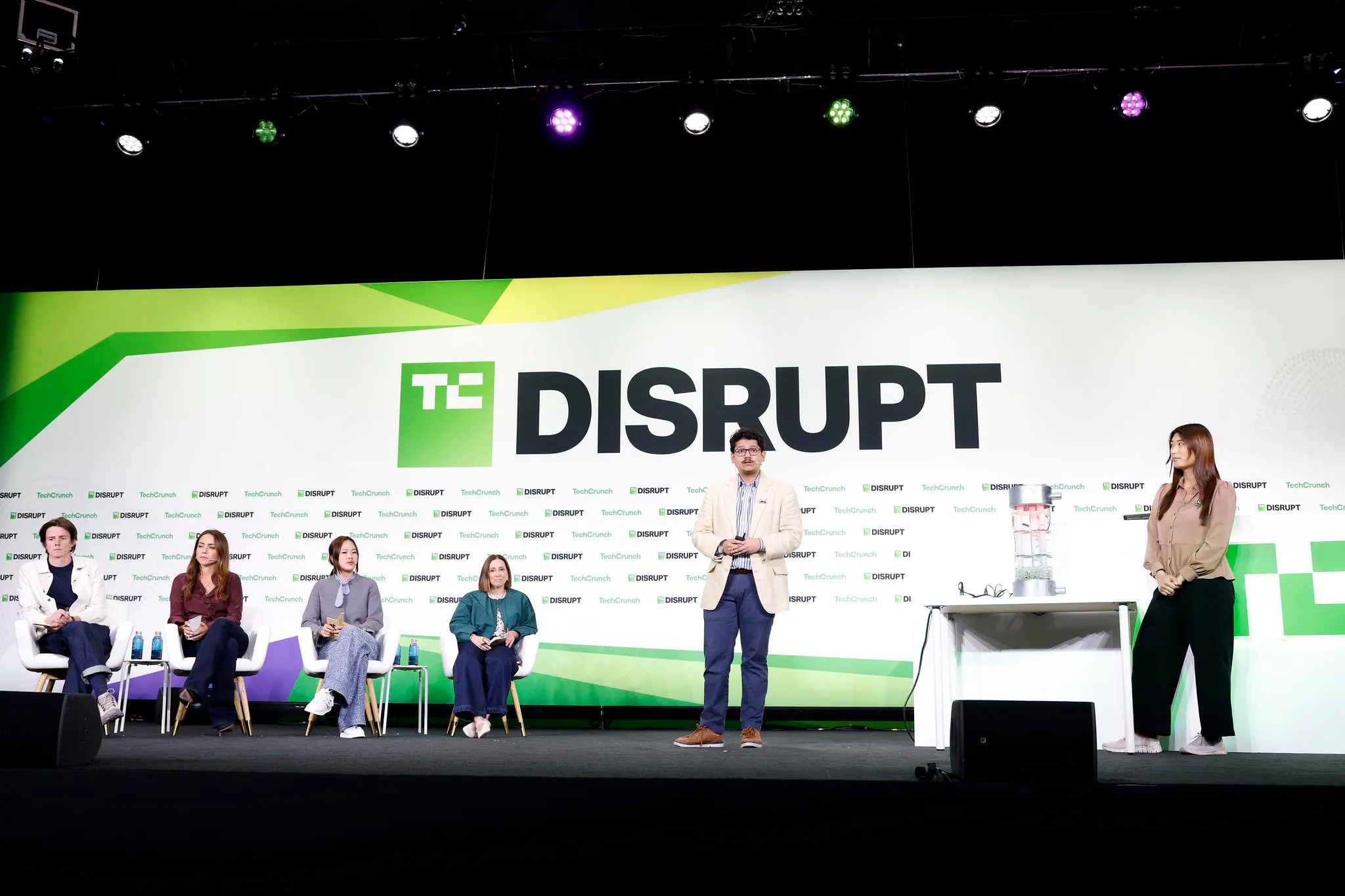
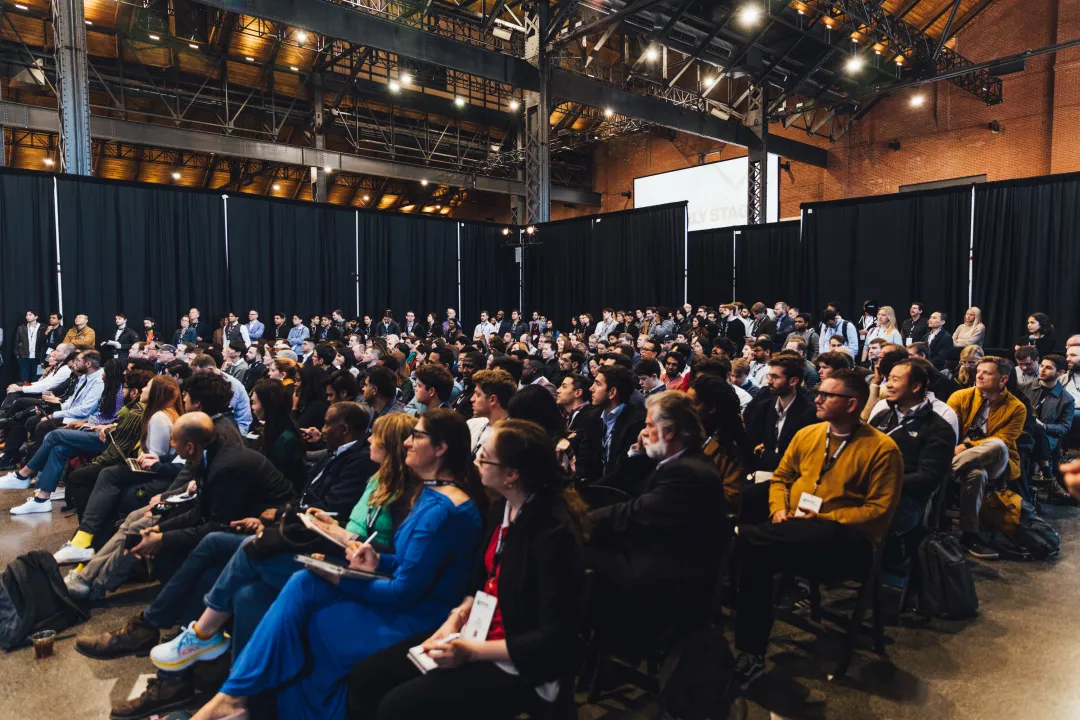
Following the conclusion of the inaugural day of TechCrunch Disrupt 2026, organizers have announced a significant mid-event pivot to maximize attendance for the remaining sessions at San Francisco’s Moscone West. As the summit transitions into its second and third days, scheduled for October 14 and 15, a 50 percent discount has been applied across all ticket tiers. This strategic pricing adjustment aims to lower the barrier for entry-level founders and developers seeking access to a high-profile roster of speakers, including Hollywood figures, venture capital icons, and the architects of the current artificial intelligence revolution.
The three-day event remains a cornerstone of the global technology calendar, serving as a primary venue for product launches, venture capital networking, and the prestigious Startup Battlefield competition. By offering half-price admission for the final 48 hours, TechCrunch Disrupt continues its tradition of fostering an accessible ecosystem for early-stage entrepreneurs, even as the scale of the event has expanded to fill the massive halls of the Moscone Center.
Strategic Context: The Evolution of Disrupt in 2026
TechCrunch Disrupt has long been regarded as the "proving ground" for the tech industry. Since its inception, the conference has been responsible for the public debut of companies that have gone on to redefine their respective sectors, including names like Dropbox, Fitbit, and Mint. In 2026, the event finds itself at a critical juncture. The technology sector is currently navigating the "Post-Hype" era of generative artificial intelligence, where the focus has shifted from foundational model development to practical, agentic implementation and enterprise integration.
The decision to offer a steep discount mid-event reflects a broader industry trend toward inclusive networking. In an era where venture capital deployment has become more scrutinized and "quality over quantity" is the prevailing mantra, events like Disrupt provide a physical nexus where fragmented digital communities can coalesce. For San Francisco, the event serves as a vital economic engine, drawing thousands of international visitors to the South of Market (SoMa) district and reinforcing the city’s status as the global epicenter of AI development.
A Roster of Influence: Keynote Speakers and Industry Leaders
The programming for October 14 and 15 is structured to bridge the gap between celebrity-driven entrepreneurship and deep-tech innovation. Among the most anticipated sessions on the Disrupt Stage is a rare joint appearance by all five partners of Benchmark. As one of the most successful and exclusive venture capital firms in Silicon Valley history, Benchmark’s collective insights into the 2027 fiscal outlook are expected to set the tone for the next several quarters of seed and Series A funding.
The intersection of entertainment and business is represented by A-list actor and entrepreneur Mark Wahlberg. Wahlberg’s presence underscores the growing trend of high-net-worth individuals from the traditional media space taking active, hands-on roles in tech startups, particularly in the wellness and fitness-tech sectors. Joining him on the main stage are Amjad Masad, CEO of Replit, and Panos Panay, Amazon’s lead for Devices and Services. Masad’s session is particularly relevant as Replit continues to dominate the AI-assisted coding space, a sector that has seen a 400 percent increase in developer adoption over the past 18 months.
The decentralized social media landscape is also under the spotlight, with Bluesky CEO Toni Schneider and COO Rose Wang scheduled to discuss the platform’s rapid growth. Following the volatility of traditional social networks in 2025, Bluesky’s commitment to open protocols has positioned it as a primary alternative for the tech community, making their operational insights highly sought after by developers and digital rights advocates.
The AI Frontier: "Dots" Agents and Enterprise Automation
Perhaps the most technically significant aspect of the 2026 summit is the dedicated focus on artificial intelligence across two flagship AI Stages. A central highlight of the upcoming programming is the presentation by Alexander Embiricos, OpenAI’s Head of Enterprise Product. Embiricos is slated to provide an in-depth look at the company’s "Dots" agents—a new class of autonomous AI entities designed to handle multi-step enterprise workflows with minimal human oversight.
The launch of Dots agents represents a shift from "Chatbot AI" to "Agentic AI," where software can independently execute tasks such as financial auditing, supply chain optimization, and software debugging. This session is expected to draw a capacity crowd, as enterprise leaders look for ways to integrate these tools into existing corporate structures.
The AI Stages will also feature leadership from:
- Anthropic: Discussing the ethical guardrails of Claude 4.
- Hugging Face: Focusing on the democratization of open-source models and the importance of data sovereignty.
- Clay: Showcasing the use of AI in hyper-personalized go-to-market strategies for B2B companies.
Startup Battlefield 200: The Search for the Next Unicorn
Central to the Disrupt experience is the Startup Battlefield 200. This year, the competition features 200 hand-selected startups from a pool of thousands of global applicants. These companies are vying for the Disrupt Cup and a $100,000 equity-free grand prize.

The competition is currently in its intensive pitching phase on the Disrupt Stage. Unlike traditional pitch competitions, the Battlefield requires founders to endure rigorous questioning from a panel of expert judges, including active VCs and seasoned technical founders. In 2026, the cohort is heavily weighted toward climate tech, autonomous robotics, and bio-digital interfaces, reflecting the diversification of the Silicon Valley investment thesis.
The revamped Expo Hall complements this competition, featuring over 320 exhibitors. The layout of the hall has been redesigned this year to facilitate "collision points"—intentional spaces where founders and investors can interact outside of formal meetings. This structural change is a direct response to feedback from previous years, where participants sought more organic networking opportunities.
Chronology of the Final Days: October 14–15
The remaining schedule is packed with high-density sessions designed to maximize the value of the 50 percent ticket discount:
Wednesday, October 14: Deep Dives and Vertical Specialization
- Morning: Focus on the AI Stages with OpenAI and Anthropic. Simultaneously, the Expo Hall hosts "Investor Office Hours," where select founders get five-minute windows with top-tier firms.
- Afternoon: Breakout sessions on scaling SaaS in a saturated market and the legal implications of AI-generated intellectual property.
- Evening: Side events across San Francisco, ranging from rooftop mixers in the Mission District to technical workshops in Hayes Valley.
Thursday, October 15: The Grand Finale
- Morning: Final rounds of the Startup Battlefield 200. The tension reaches its peak as the top five finalists are announced.
- Afternoon: Keynotes from Amazon’s Panos Panay and the Benchmark partners.
- Closing Ceremony: The crowning of the Startup Battlefield winner and the unveiling of the 2027 Disrupt location.
Broader Economic Impact and Industry Implications
The implementation of a 50 percent discount mid-event is more than a promotional tactic; it is a response to the changing economics of professional conferences. Data from 2025 indicated that while corporate travel budgets have stabilized, individual founders remain price-sensitive. By offering a "Day 2 and 3" pass at a reduced rate, TechCrunch is effectively capturing a demographic that may have been excluded by the full-week premium price.
From an industry perspective, the themes emerging from Disrupt 2026 suggest a "re-centralization" of tech talent. While the remote-work trend of the early 2020s dispersed the workforce, the physical intensity of AI development has drawn talent back to the San Francisco Bay Area. Local economic data suggests that during the week of Disrupt, hotel occupancy in the city rises by 22 percent, and local retail and dining establishments see a significant uptick in revenue, particularly in the SoMa and Union Square districts.
Furthermore, the focus on "Dots" agents and autonomous systems at this year’s event signals the end of the "AI as a toy" phase. The presence of companies like Clay and Hugging Face alongside giants like Amazon and OpenAI demonstrates a maturing ecosystem where infrastructure and application layers are becoming clearly defined.
Participant Accessibility and Networking Opportunities
For those taking advantage of the discounted ticket rates, the event offers several tiers of engagement. The "entry-level" experience provides access to the Expo Hall and the AI Stages, ensuring that even those on a budget can witness the most significant technological announcements.
The networking opportunities extend beyond the Moscone West walls. The "Side Events" calendar for 2026 is the most extensive to date, with over 150 community-led gatherings scheduled throughout the city. These range from "Founder Runs" along the Embarcadero to late-night coding hackathons. This decentralized approach ensures that the energy of Disrupt permeates the entire city, creating a "Tech Week" atmosphere that benefits the broader community.
As the tech world looks toward the final two days of Disrupt 2026, the focus remains on the tangible results of innovation. Whether it is a founder securing a bridge loan from a chance encounter in the Expo Hall or a developer gaining early access to OpenAI’s newest API, the value of the event is measured in the connections made and the technologies debuted. With the new 50 percent discount, the final 48 hours of the summit are poised to be the most active and accessible in the event’s history.