Farhan Pambudi
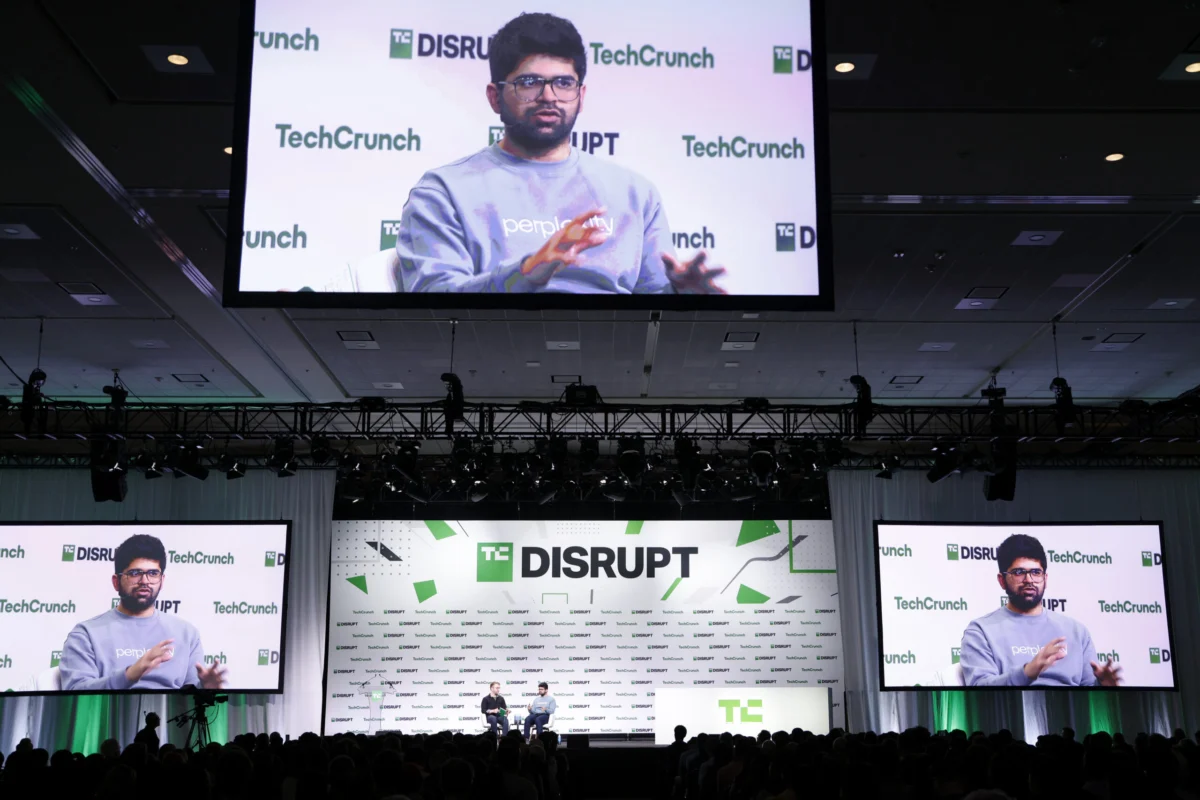
In less than 48 hours, the global technology community will descend upon San Francisco’s Moscone West for the opening of TechCrunch Disrupt 2026, an event widely regarded as the premier launching pad for the next generation of industry-defining startups. Scheduled for October 13-15, the three-day summit is expected to host more than 10,000 founders, venture capitalists, and corporate leaders, all seeking to navigate an increasingly complex technological landscape. As the countdown enters its final phase, organizers have signaled a final window for registration, offering tiered discounts including a $100 price reduction and a "buy one, get one" 50% offer on secondary passes before door-rate increases take effect on October 13 at 8:00 a.m. PT.
A Strategic Hub for the Global Startup Ecosystem
The 2026 iteration of Disrupt arrives at a pivotal moment for the technology sector. Following several years of market recalibration, the industry has seen a resurgence driven largely by advancements in artificial intelligence, sustainable infrastructure, and specialized hardware. San Francisco, despite ongoing debates regarding urban recovery, remains the undisputed epicenter of this activity. By hosting the event at Moscone West, TechCrunch reaffirms the city’s role as the primary venue for high-stakes networking and capital allocation.
The scale of the 2026 event is substantial, featuring over 250 speakers distributed across six dedicated stages. The programming is designed to provide a comprehensive overview of the current "state of tech," with more than 200 sessions ranging from high-level keynotes to intimate roundtable discussions. For early-stage companies, the stakes are particularly high; over 300 startups will be showcased on the expo floor, including the prestigious Startup Battlefield 200—a cohort of hand-picked companies selected from thousands of global applicants for their potential to disrupt established markets.

High-Profile Leadership and Sector-Specific Insights
The speaker lineup for 2026 reflects a strategic blend of traditional tech heavyweights, hardware pioneers, and influential investors. Among the headliners is RJ Scaringe, founder and CEO of Rivian, who is expected to discuss the future of electric vehicle (EV) infrastructure and the challenges of maintaining growth in a competitive global automotive market. His presence underscores a broader conference theme: the intersection of climate technology and large-scale manufacturing.
Artificial intelligence remains a dominant thread in the 2026 agenda. Representing the frontier of AI safety and development is Cat de Jong of Anthropic, whose insights into large language models (LLMs) and ethical AI frameworks are highly anticipated. Complementing this software perspective is Andrew Feldman, CEO of Cerebras Systems, whose company has become a central player in the AI hardware race by developing massive chips designed to handle the immense computational loads required for modern neural networks.
The inclusion of Les Karpas from NVIDIA further highlights the industry’s focus on the "AI stack," from silicon to application. Beyond deep tech, the event will feature Alexa von Tobel, co-founder and Managing Partner of Inspired Capital, who will provide a venture capitalist’s perspective on the current funding environment. In a move that highlights the blurring lines between media, entrepreneurship, and tech investment, actor and businessman Mark Wahlberg is also slated to appear, likely discussing his various ventures in the fitness and consumer tech spaces.
The Startup Battlefield: A Legacy of Innovation
Central to the identity of TechCrunch Disrupt is the Startup Battlefield competition. Since its inception, the Battlefield has served as a launchpad for companies that have collectively raised billions of dollars and achieved multi-billion-dollar exits. Notable alumni include household names such as Dropbox, Mint, and Fitbit.

For 2026, the "Battlefield 200" represents a curated selection of the world’s most promising seed and Series A startups. These companies receive free exhibition space, access to exclusive workshops, and the opportunity to pitch their business models to a panel of expert judges. The winner of the competition will walk away with the Disrupt Cup and a $100,000 equity-free cash prize. This year, analysts expect a heavy concentration of companies focusing on "Vertical AI"—applications designed for specific industries like healthcare, law, and manufacturing—as well as breakthroughs in fusion energy and robotics.
Chronology of the Event: What to Expect
The three-day schedule is structured to maximize both educational content and serendipitous networking.
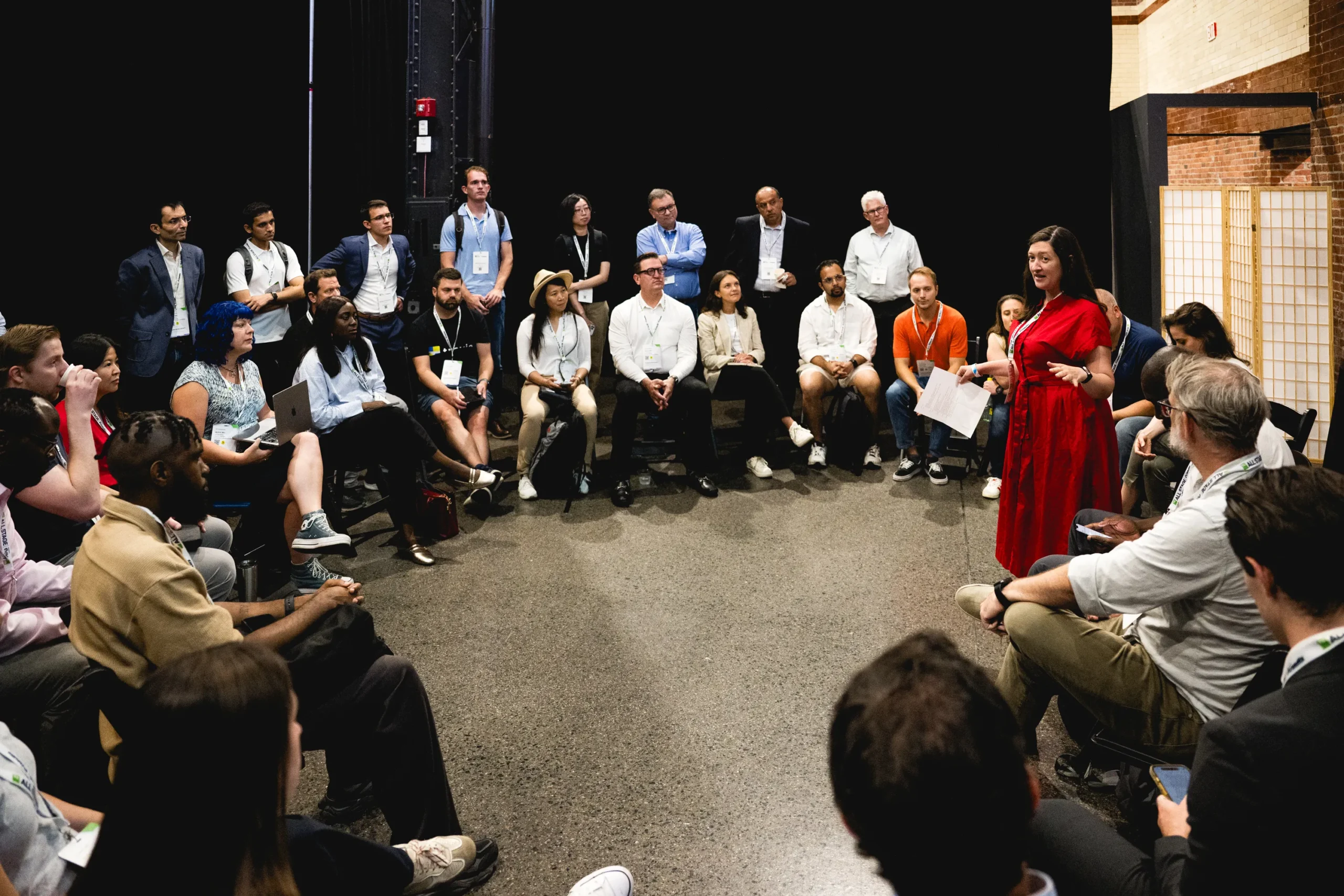
- Day One (October 13): The event opens with a focus on the "Macro Picture." Keynotes will address the global economy’s impact on venture capital and the geopolitical factors influencing tech supply chains. The first rounds of the Startup Battlefield will begin on the main stage, while the Expo Hall opens to reveal the latest in robotics and hardware prototypes.
- Day Two (October 14): The middle day traditionally dives into specific verticals. Stages will be dedicated to Fintech, SaaS, and Climate Tech. Roundtable sessions will allow for direct interaction between founders and investors, focusing on the "realities of building at scale." This is often the most intensive day for deal-making.
- Day Three (October 15): The final day culminates in the Startup Battlefield Finals. The top five companies will pitch one last time before a winner is announced. Closing sessions will look toward 2027, predicting the next wave of regulatory challenges and technological breakthroughs.
Addressing the Labor Market: The Layoff to Liftoff Program
A notable inclusion in the 2026 program is the "Layoff to Liftoff" initiative. Recognizing the volatility of the tech labor market over the past 24 months, TechCrunch has introduced a specialized ticket tier for recently displaced workers. For a fee of $75, eligible individuals can secure an Expo+ Pass, granting them access to the exhibition floor and networking areas.
This program is more than a charitable gesture; it is a strategic response to the shifting talent landscape. As large-scale tech firms have reduced headcounts, many high-skilled engineers and product managers are looking toward the startup ecosystem for their next roles. By facilitating their attendance, Disrupt 2026 serves as a massive career fair, connecting talent with the 300+ startups actively seeking to scale their teams.

Economic and Industrial Implications: A Brief Analysis
The timing of TechCrunch Disrupt 2026 coincides with what many economists describe as a "soft landing" for the tech economy. After the hyper-growth of the early 2020s and the subsequent correction, the industry is entering a period of more disciplined, value-driven innovation.
The heavy focus on robotics and infrastructure at this year’s event suggests a move away from "pure software" plays toward "hard tech." Companies like Rivian and Cerebras represent a trend where the most significant value is created at the intersection of sophisticated software and physical engineering. Furthermore, the presence of major venture firms indicates that while the "easy money" era has ended, there is still a massive amount of "dry powder" (unallocated capital) waiting to be deployed into companies that can demonstrate a clear path to profitability.
For San Francisco, the event is a vital economic engine. Local hospitality and service industries see a significant surge in revenue during the Disrupt week. More importantly, the event reinforces the city’s status as the global "brain trust" for technology, countering narratives of a permanent exodus of tech talent to other regions.
Final Preparations and Registration Details
As the doors prepare to open at Moscone West, the message from organizers is one of urgency. The "Early Bird" and pre-event pricing structures are designed to reward proactive planning, but the window is rapidly closing. Beyond the individual discounts, TechCrunch is offering group rates for teams of four or more, encouraging corporate innovation departments to attend en masse.

The 2026 event also emphasizes accessibility through its digital presence, though the consensus among industry veterans is that the true value of Disrupt lies in the face-to-face interactions. The "hallway track"—the unplanned conversations that happen between sessions—is often where the most significant partnerships are forged.
With 10,000 attendees ready to converge, 250 speakers prepared to share insights, and 300 startups vying for attention, TechCrunch Disrupt 2026 stands as a testament to the enduring resilience and dynamism of the startup world. Whether through the lens of AI, the pragmatism of climate tech, or the competitive spirit of the Startup Battlefield, the next 48 hours will likely set the tone for the technology industry’s trajectory well into the next decade. Participants are encouraged to complete their registration immediately to avoid the final price hike and secure their place in what promises to be a defining moment for the 2026 tech calendar.