Farhan Pambudi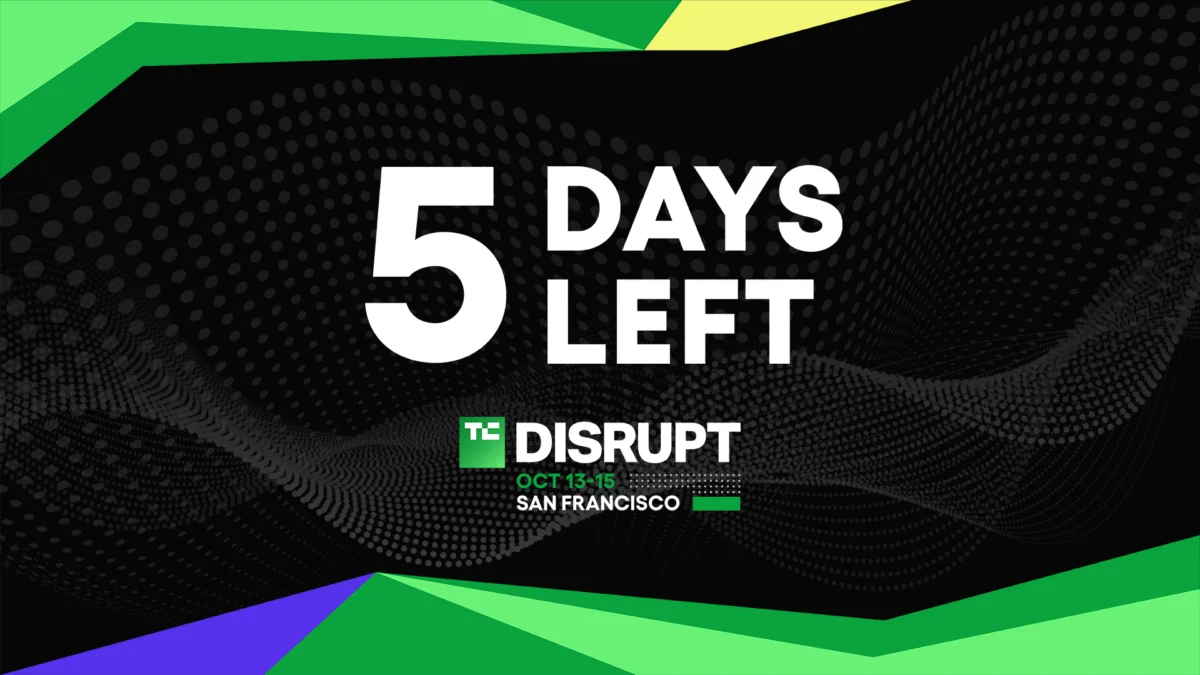
The global technology ecosystem is preparing to converge on San Francisco as TechCrunch Disrupt 2026 approaches its opening day at the Moscone West convention center on October 13. With only five days remaining until the doors open at 8 a.m. PT, the event stands as a critical barometer for the health of the venture capital landscape, the trajectory of artificial intelligence, and the resilience of the international startup community. As the final countdown begins, organizers have signaled a final window for discounted registration, offering prospective attendees a last opportunity to secure access before the transition to on-site pricing.
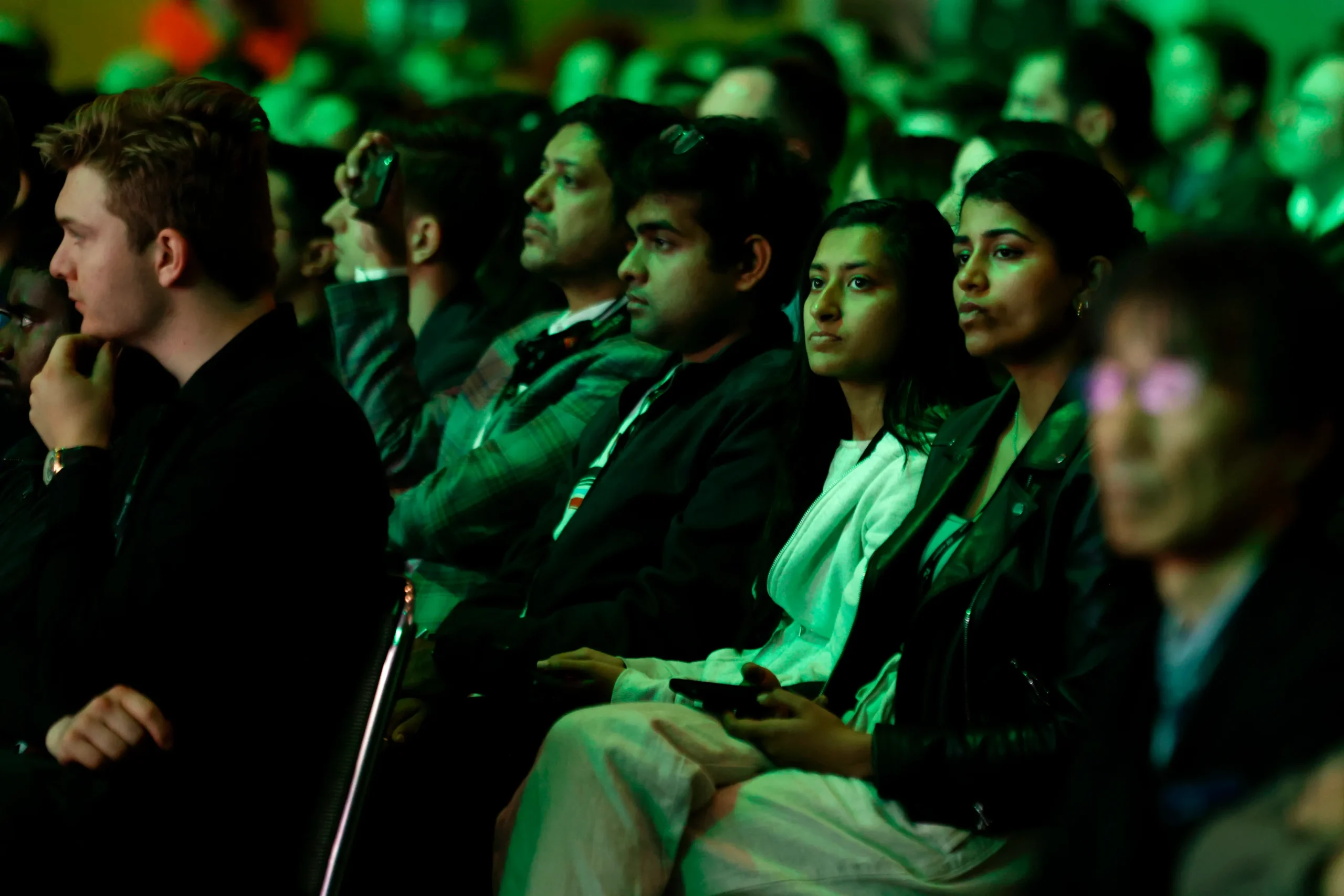
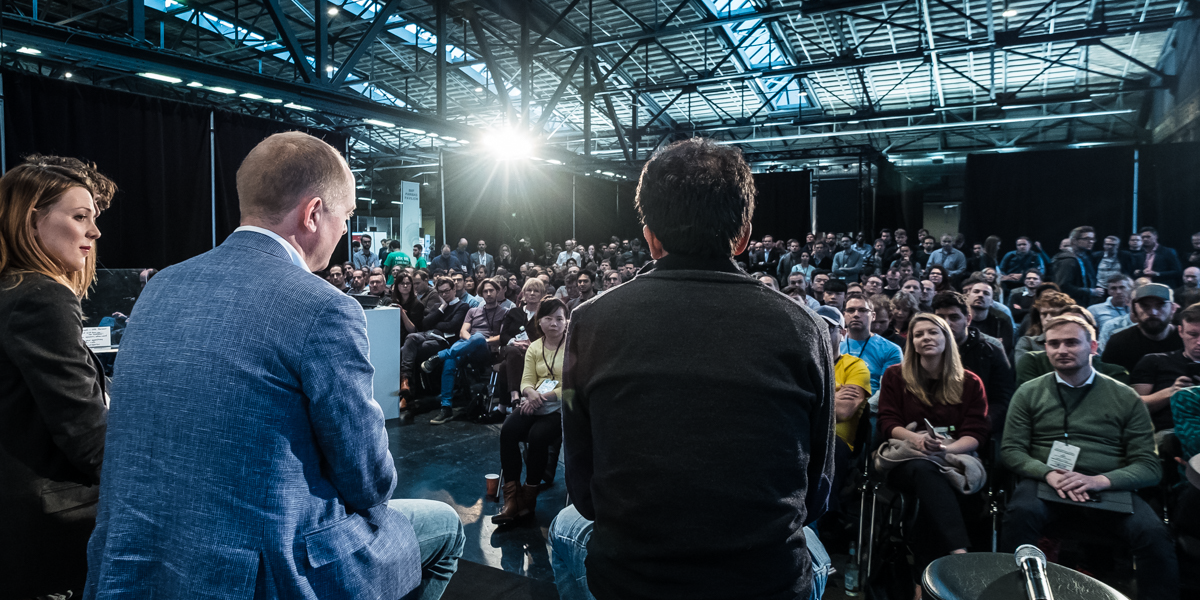
For over a decade, TechCrunch Disrupt has served as the premiere stage for early-stage innovation, and the 2026 iteration arrives during a period of significant structural shifts in the tech sector. The event is expected to host approximately 10,000 attendees, ranging from solo founders and engineers to institutional investors and Fortune 500 executives. The urgency surrounding ticket sales reflects a broader industry trend: a return to high-value, in-person networking as the primary vehicle for deal-making and strategic partnerships in a post-digital-exhaustion era.
Strategic Programming Across Six Specialized Stages
The 2026 summit is structured around six distinct stages, a design choice that reflects the increasing specialization of the technology market. This multi-track approach allows for a granular exploration of niche sectors while maintaining a cohesive narrative about the future of global commerce and infrastructure.
The Disrupt Stage and Startup Battlefield 200
The Disrupt Stage remains the centerpiece of the event, hosting the most high-profile keynotes and the legendary Startup Battlefield 200 competition. This year’s speaker lineup features a diverse array of industry veterans and disruptive newcomers. Max Hodak of Science Corporation is slated to discuss the frontiers of neural interfaces, while Garrett Langley of Flock and Andrew Feldman of Cerebras Systems will provide insights into hardware scaling and public safety technology. In a notable intersection of celebrity and venture capital, actor and entrepreneur Mark Wahlberg is also scheduled for a special appearance to discuss the evolving role of brand building in the digital age.

The Startup Battlefield 200 continues to be a focal point for the investment community. Since its inception, companies that have launched on the Disrupt stage have collectively raised billions of dollars in funding and achieved numerous high-value exits. The 2026 cohort represents the top 2% of applicants, selected for their potential to fundamentally alter their respective industries.
The Builders and AI-Centric Tracks
The Builders Stage is designed as a tactical resource for founders navigating the complexities of the current economic environment. Workshops will focus on the fundamental pillars of business growth: fundraising in a disciplined market, talent acquisition, and achieving sustainable product-market fit. Representatives from Nvidia, Uber, and Google Cloud will provide a "look under the hood" at how the world’s largest tech entities manage scaling operations.
Reflecting the dominance of machine learning in contemporary discourse, the event features two dedicated AI stages. The AI Stage will focus on the theoretical and software-driven aspects of generative and agentic AI, featuring leaders from OpenAI, Anthropic, and AWS. Conversely, the Real World AI Stage will highlight the physical manifestation of these technologies. Attendees will witness live robotics demonstrations and hear from executives at General Motors, Agility Robotics, and Waabi regarding the deployment of autonomous systems in logistics and transportation.
Financial Infrastructure and Industrial Automation
The Smart Money Stage will address the shifting landscape of fintech, with a specific focus on stablecoins, cross-border payments, and the modernization of financial infrastructure. Leaders from Robinhood, Airwallex, and American Express are expected to debate the regulatory and technological hurdles facing the next generation of banking. Meanwhile, the Smart Systems Stage will tackle the "backbone" of modern civilization, exploring innovations in data centers, energy production, and industrial automation with contributions from Helion and Ambrosia Energy.
Historical Context and the Evolution of Disrupt
TechCrunch Disrupt has historically been the birthplace of some of the world’s most recognizable tech brands. Companies like Dropbox, Mint, and Fitbit first gained international prominence through the event’s platform. In 2026, the context of the event is significantly different than in previous decades. The "growth at all costs" mentality that defined the mid-2010s has been replaced by a focus on "efficient growth" and "technological sovereignty."

The 2026 event also serves as a critical moment for San Francisco. As the city continues to navigate its post-pandemic economic recovery, the influx of thousands of tech professionals underscores the city’s enduring status as the world’s premier hub for innovation. The choice of Moscone West, located in the heart of the city’s Yerba Buena district, places the event at the center of this ongoing urban and economic transformation.
Ticketing Tiers and Economic Accessibility
In an effort to maintain a diverse attendee base, TechCrunch has implemented a tiered pricing structure that addresses the varied economic realities of the tech workforce. While general admission passes offer savings of up to $100 during this final five-day window, the organization has also introduced specific incentives for collaborative attendance. Groups of two can receive 50% off a second pass, while larger groups of four or more are eligible for deeper discounts.
Crucially, the 2026 event continues its commitment to the workforce by offering a specialized "Expo+ Layoff" ticket. Priced at $75, this initiative is designed to provide displaced tech workers with access to the networking opportunities and career resources available in the Expo Hall. This move has been widely praised by industry advocates as a necessary support mechanism during a period of corporate restructuring across the Silicon Valley landscape.
The Expo Hall: A Marketplace of Ideas
While the stages provide curated content, the Expo Hall serves as the event’s "town square." Featuring over 300 companies, the hall allows for spontaneous interaction between developers, founders, and potential clients. This environment is particularly valuable for early-stage startups that may not be part of the official Battlefield competition but are seeking to build their network and visibility.
The Expo Hall also features "live pitch" sessions, where founders can receive real-time feedback from venture capitalists and industry experts. Analysts suggest that these informal interactions often lead to more significant long-term partnerships than formal pitch decks, as they allow for a more authentic assessment of a founder’s vision and technical competence.

Industry Analysis: The Implications of Disrupt 2026
The themes of this year’s conference suggest three major trends that will likely dominate the tech narrative for the remainder of the decade:
- The Shift to Agentic AI: Moving beyond simple chat interfaces, the focus has clearly shifted toward AI "agents" capable of autonomous reasoning and task execution. The presence of OpenAI and Anthropic on the AI Stage suggests that 2027 will be the year these agents move from experimental labs to enterprise-wide deployment.
- Physical World Integration: The prominence of the Real World AI and Smart Systems stages indicates a "return to the physical." Investors are increasingly looking for software that interacts with the real world—whether through robotics, energy grids, or transportation networks—rather than purely digital consumer apps.
- Financial Resilience: The Builders Stage focus on "tactical workshops" reflects a mature startup ecosystem that is no longer relying on easy capital. The focus is now on unit economics and sustainable scaling, a shift that analysts believe will lead to a more stable and less "bubbly" tech market in the long term.
Anticipated Reactions and Community Sentiment
While official statements from many speakers are being held until their respective sessions, the sentiment on professional networks like LinkedIn and X (formerly Twitter) suggests a high level of anticipation. Venture capital firms have reportedly scheduled hundreds of "side events" around the Moscone West area, creating a "fringe festival" of innovation that extends well beyond the official convention center walls.
Industry observers note that the success of Disrupt 2026 will likely be measured not just by attendance numbers, but by the quality of the connections made. In a world increasingly mediated by screens, the premium on face-to-face negotiation remains high. As the tech sector faces ongoing questions regarding ethics, regulation, and the impact of automation on the workforce, Disrupt 2026 provides a necessary forum for the debates that will shape the next era of human progress.
With five days to go, the global tech community is looking toward San Francisco. For those who have not yet secured their place, the window for discounted entry is closing, marking the final stage of preparation for what is expected to be the most consequential tech summit of the year.