Farhan Pambudi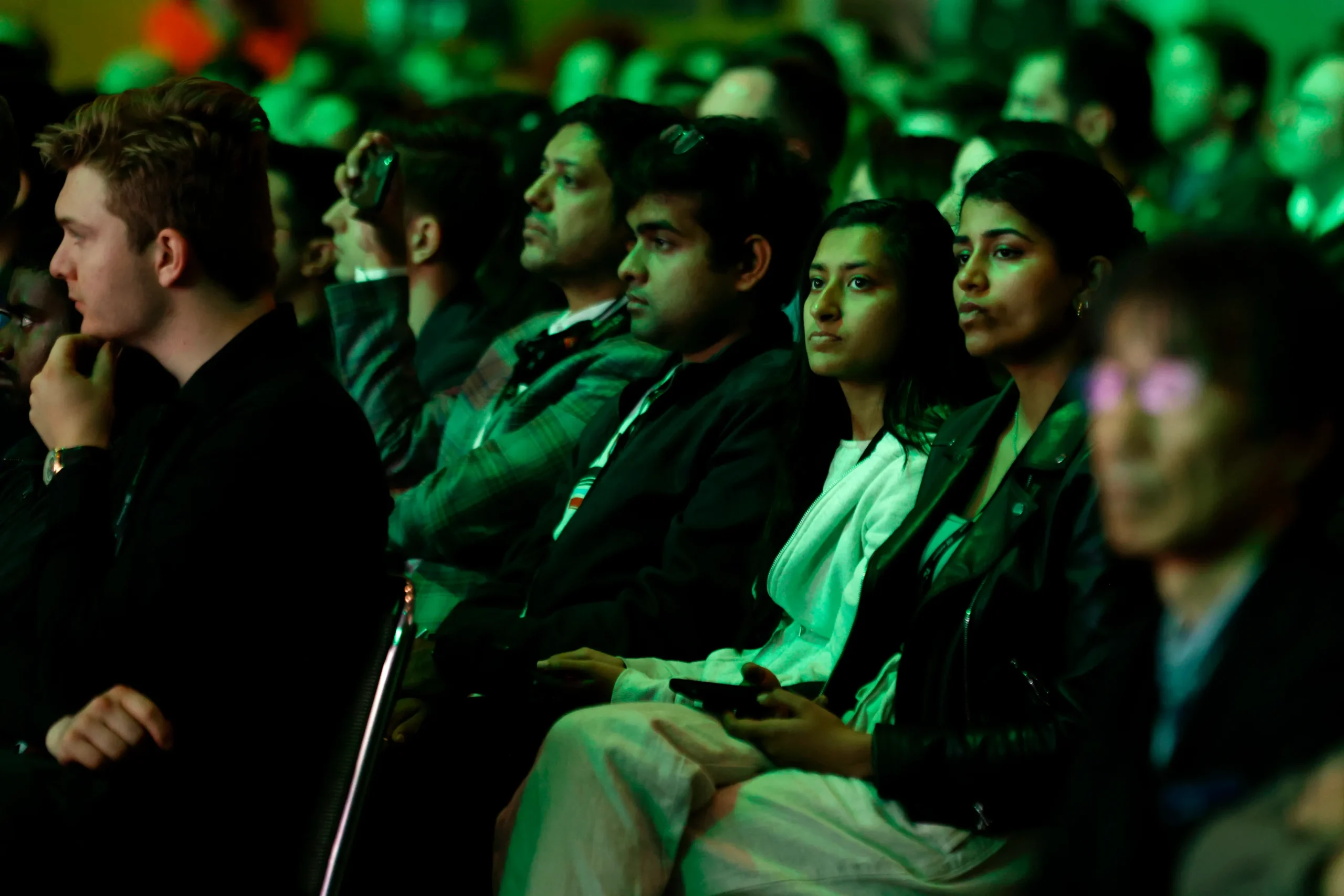
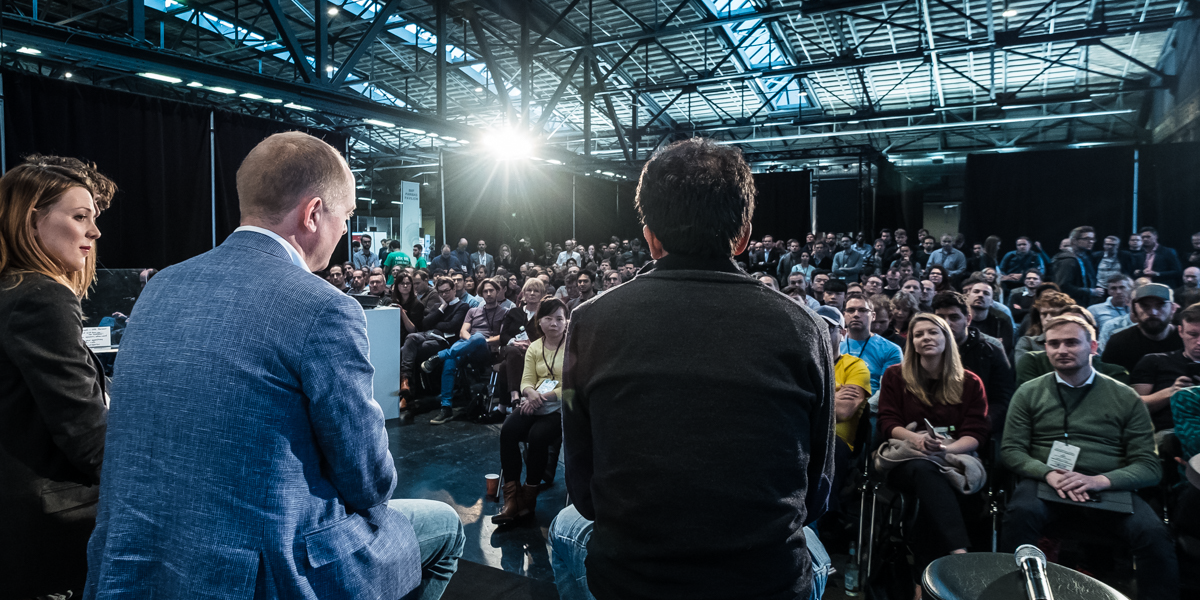
The doors of San Francisco’s Moscone West officially opened this morning, marking the commencement of TechCrunch Disrupt 2026, an event that remains the primary barometer for the global venture capital and startup landscape. More than 10,000 founders, investors, and engineers have gathered in the heart of the Bay Area for a three-day summit designed to showcase the next generation of technological breakthroughs. As the industry moves beyond the initial hype cycles of generative artificial intelligence, this year’s conference is defined by a shift toward "Agentic AI," "Physical AI," and the decarbonization of the global economy. With over 250 speakers and 300 exhibiting startups, the 2026 edition of Disrupt arrives at a critical juncture for a tech sector seeking to balance rapid-scale innovation with sustainable business models.

The Evolution of Disrupt: Context and Background
Since its inception, TechCrunch Disrupt has served as the launchpad for companies that have redefined modern life, including the likes of Dropbox, Cloudflare, and Turo. However, the 2026 iteration reflects a matured ecosystem. The event’s return to Moscone West underscores San Francisco’s solidified status as the "AI Capital of the World," a narrative that has gained significant momentum over the past 36 months.
Unlike previous years, where software-as-a-service (SaaS) dominated the floor, the 2026 agenda reveals a distinct pivot toward the intersection of bits and atoms. The introduction of six new industry stages—focused specifically on scaling, AI, fintech, climate tech, and infrastructure—indicates that the "generalist" era of startups is giving way to deep-tech specialization. Investors are no longer just looking for the next viral app; they are scouting for foundational technologies capable of rewiring the power grid, managing autonomous supply chains, and automating complex financial workflows.

Day 1 Chronology: From Registration to High-Stakes Competition
The event began at 7:30 a.m. with a surge of attendees processing through the Level 1 lobby. A notable technological feature of this year’s event is the integration of Klik technology into attendee badges. These scannable devices allow for instantaneous contact exchange via IoT (Internet of Things) proximity, creating a digital ledger of interactions that participants can access through the official event app. This emphasis on data-driven networking reflects the broader industry trend of maximizing "collision density" among high-net-worth investors and early-stage founders.
By 9:00 a.m., the Expo Hall was at full capacity. The center of the floor is occupied by the "Battlefield 200," a curated cohort of early-stage startups selected from thousands of global applicants. These companies represent the vanguard of the 2026 vintage, spanning sectors from quantum computing to sustainable agriculture.

The morning’s programming was highlighted by the "Startup Battlefield" competition on the Disrupt Stage. Often referred to as the "World Series of Pitch Competitions," the Battlefield sees the top 20 vetted startups compete for the Disrupt Cup and a $100,000 equity-free cash prize. The judges’ panel for Day 1 included heavyweights from Iconiq, Maven Ventures, and Kleiner Perkins, signaling that despite a more cautious venture environment, there is still significant "dry powder" available for exceptional founders.
Keynote Insights: Rivian, Cerebras, and the Infrastructure of Tomorrow
One of the most anticipated sessions of the day featured RJ Scaringe, CEO of Rivian. In a session titled "Building the Impossible," Scaringe addressed the immense capital and engineering hurdles of the electric vehicle (EV) and robotics sectors. His presence at Disrupt 2026 highlights a recurring theme: the necessity of "Physical AI." As AI models move from screens into the physical world, the hardware required to support them—from sensors to battery packs—has become as important as the code itself.

On the AI infrastructure front, Andrew Feldman of Cerebras Systems took the stage to answer a question currently haunting the industry: "Can AI Keep Scaling?" With the massive energy demands of data centers reaching a breaking point in 2026, Feldman’s insights into specialized silicon and the "Inference Economy" provided a sobering yet optimistic view of how the next trillion dollars in AI value will be created. The consensus from the morning sessions suggests that while the "training" phase of AI dominated 2024 and 2025, 2026 is the year of "inference" and real-world deployment.
Industry Focus: Smart Money and the Agentic Economy
The "Smart Money" stage hosted discussions that delved into the changing nature of financial transactions. A panel featuring executives from Circle and TabaPay explored "The Future of Money Movement in the Agentic Economy." The central thesis of this discussion was the rise of autonomous AI agents that possess their own digital wallets, capable of negotiating and executing transactions without human intervention.

Supporting data from recent fintech reports suggests that "agent-to-agent" commerce could account for a significant percentage of micro-transactions by the end of the decade. This shift requires a complete overhaul of trust and verification systems, a topic tackled later in the day by representatives from Plaid and American Express. The focus has moved from simple digital payments to "programmable money" that can navigate the complexities of global compliance in real-time.
The Sustainability Mandate: Rewiring the Grid
Climate tech occupied a central role in the Day 1 afternoon sessions. The "Smart Systems" stage featured a deep dive into the electrification of the global economy. As AI-driven power demands surge, startups are racing to provide solutions for a strained electrical grid.

A high-profile session titled "Bringing Fusion to the Grid," featuring leadership from Helion and Commonwealth Fusion Systems, highlighted the accelerating timeline for commercial fusion energy. While still in the developmental phase, the presence of these companies at a "startup" event like Disrupt indicates the massive scale of private investment flowing into long-term energy solutions. This was complemented by the "Sustainability" fast pitches, where founders showcased innovations in carbon capture and circular economy platforms, proving that profitability and planetary impact are increasingly viewed as synergistic rather than mutually exclusive.
Builders Stage: The Human Element in an Automated Era
While much of the conference focused on technology, the "Builders Stage" addressed the operational realities of running a company in 2026. A live recording of TechCrunch’s Equity podcast brought together analysts to dissect the "Product-Market Fit (PMF) Red Flags" that have led to several high-profile startup failures in the past year.

The discussion on "Competing for AI Talent" was particularly relevant, as the war for specialized engineering talent has driven compensation packages to record highs. Founders were given a "Builder’s Playbook" for navigating the "Agentic Era," emphasizing that while AI can act as a co-founder or a force multiplier, the core product decisions must still be grounded in human-centric problem solving. Robby Stein of Google and Rahul Vohra of Superhuman provided a masterclass on how product decisions must evolve when moving from a Minimum Viable Product (MVP) to serving billions of users.
Broader Impact and Market Implications
The first day of TechCrunch Disrupt 2026 has made one thing clear: the "move fast and break things" mantra of the previous decade has been replaced by "build fast and sustain." The startups on display are tackling systemic problems rather than superficial inconveniences.

From a macroeconomic perspective, the event reflects a stabilization in the venture market. After the volatility of the mid-2020s, the 2026 cohort of startups is characterized by a "default alive" mentality—focusing on revenue generation and unit economics from the outset. The heavy involvement of international delegations, specifically the "Taiwan Powering the Next AI Revolution" session, also points to the increasing importance of the global supply chain in the AI ecosystem.
The social and professional impact of the event extends beyond the walls of Moscone West. A series of "Side Events" across San Francisco, ranging from "The Irish Shark Tank" to founder networking nights, indicates that the city’s tech ecosystem is operating at a level of intensity not seen since the pre-pandemic era.

Looking Ahead
As Day 1 concludes, the momentum shifts toward the final rounds of the Startup Battlefield and the deep-dive technical sessions scheduled for Day 2. With the "Deal Flow Café" seeing record activity between founders and investors, the 2026 event is on track to facilitate billions of dollars in future funding rounds.
TechCrunch Disrupt remains a vital institution because it forces a collision between the idealistic visions of founders and the pragmatic requirements of the market. As the industry grapples with the implications of machines "clocking in" to the workforce and the urgent need for a sustainable energy transition, the conversations started today in San Francisco will likely dictate the trajectory of the global economy through 2027 and beyond. For those who have not yet secured their presence, registration remains open through the final day, offering a last chance to witness the unveiling of the technologies that will define the next decade.