Farhan Pambudi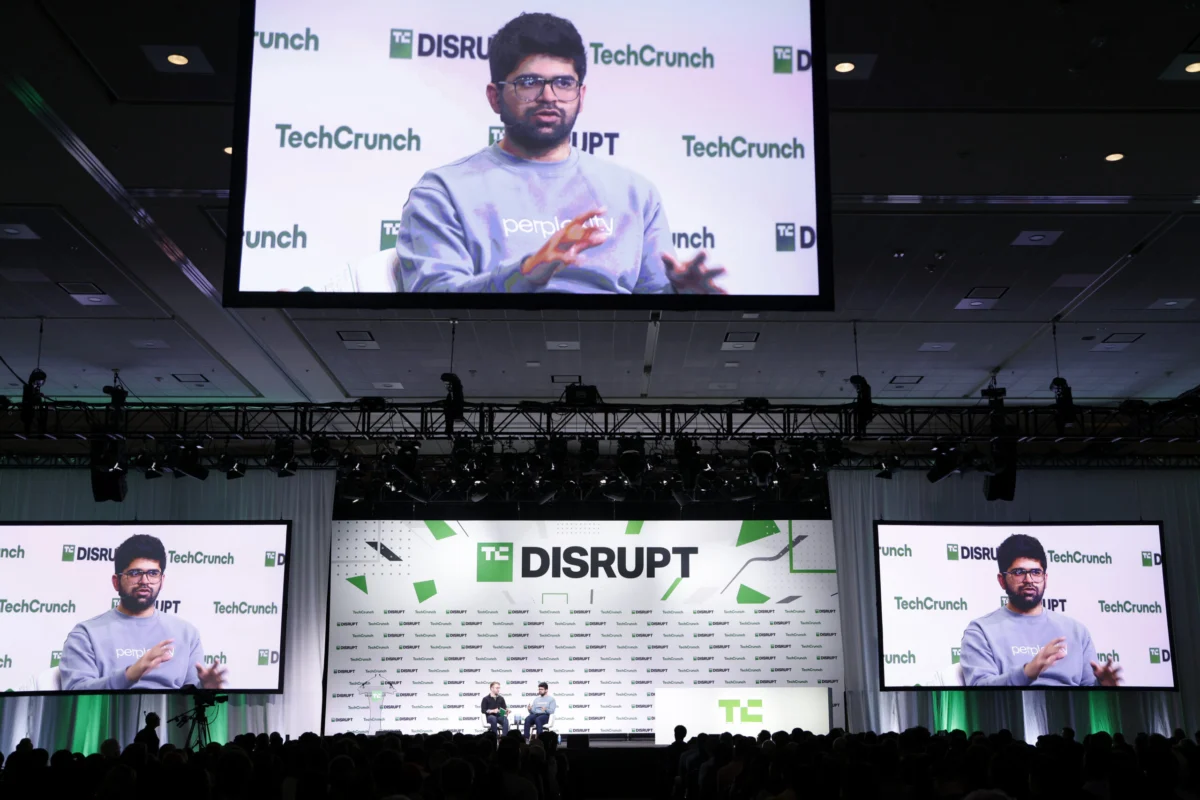
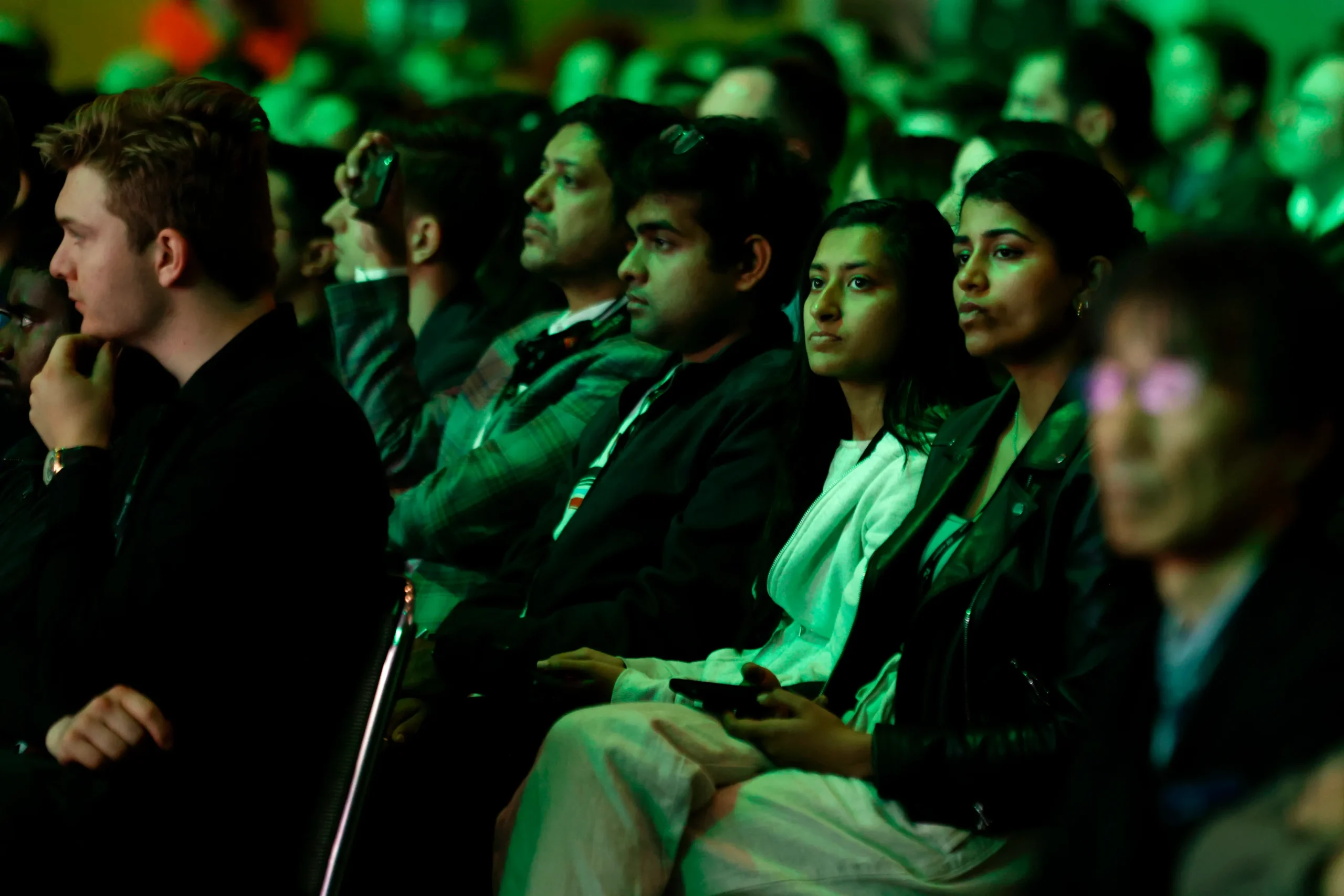
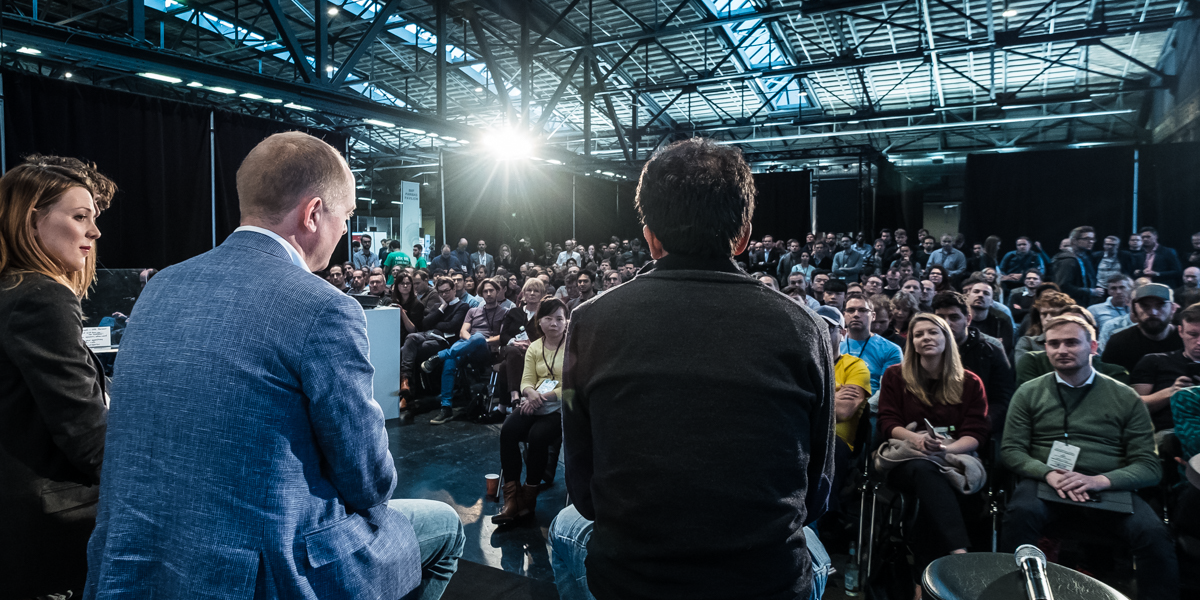
The doors to San Francisco’s Moscone West are scheduled to open in less than 48 hours for TechCrunch Disrupt 2026, marking the return of one of the most influential events in the global technology and venture capital calendar. Between October 13 and October 15, an estimated 10,000 founders, investors, and industry executives will converge on the city to participate in a multi-faceted program designed to catalyze the next generation of technological advancement. With more than 250 speakers confirmed across six stages and over 200 scheduled sessions, the event remains a primary barometer for the health and direction of the international startup ecosystem.
The Strategic Importance of TechCrunch Disrupt 2026
Since its inception, TechCrunch Disrupt has served as more than a mere trade show; it has functioned as a critical launchpad for companies that have gone on to redefine their respective industries. Historical participants include the likes of Dropbox, Fitbit, and Mint, all of which utilized the platform to secure early-stage interest and vital capital. The 2026 iteration arrives at a pivotal moment for the technology sector, characterized by a complex intersection of rapid artificial intelligence (AI) integration, shifting venture capital (VC) priorities, and a renewed focus on hardware and climate infrastructure.
The conference is structured to facilitate high-stakes networking. For founders, the event offers direct access to the world’s leading venture capital firms, while for investors, it provides a curated view of the most promising early-stage companies globally. The anticipated attendance of over 10,000 participants underscores the enduring relevance of in-person collaboration in an increasingly digital work environment.

A Comprehensive Agenda: Six Stages of Innovation
The 2026 program is built around 200+ sessions that delve into the most pressing challenges and opportunities facing the industry. These sessions are distributed across six distinct stages, each tailored to specific facets of the tech world, from the "Builders Stage," which focuses on the tactical realities of scaling a company, to the "Disrupt Stage," where the most significant industry trends are debated.
Key themes for this year include:
- Artificial Intelligence and Robotics: With the rapid maturation of generative AI, discussions are expected to move beyond theoretical applications toward the realities of infrastructure, safety, and enterprise deployment.
- Fintech and SaaS: Panels will explore the evolution of digital payments and the continued dominance of software-as-a-service models in a tightening economic environment.
- Climate and Sustainability: As global regulatory pressures increase, startups focusing on carbon capture, renewable energy storage, and sustainable supply chains are taking center stage.
- The Realities of Scaling: Industry veterans will provide insight into the transition from a "growth-at-all-costs" mindset to a focus on sustainable profitability and operational efficiency.
High-Profile Speakers and Industry Insights
The speaker lineup for 2026 reflects a broad spectrum of the technology landscape, featuring both established titans and the disruptors currently challenging the status quo. Among the notable figures taking the stage is RJ Scaringe, founder and CEO of Rivian, whose insights into the electric vehicle (EV) market and large-scale manufacturing are highly anticipated. Joining him is Mark Wahlberg, who has increasingly become a prominent figure in the intersection of fitness technology and consumer brands.
The venture capital perspective will be represented by figures such as Alexa von Tobel of Inspired Capital, who is expected to discuss the current state of early-stage funding and the sectors attracting the most significant "dry powder" in 2026. Technical and operational expertise will be provided by Andrew Feldman of Cerebras Systems, focusing on the specialized hardware necessary for the next wave of AI compute, and Cat de Jong of Anthropic, who will likely address the ongoing debates surrounding AI ethics and alignment. Other confirmed speakers include Les Karpas of NVIDIA, a company that remains at the heart of the global semiconductor and AI surge.

The Startup Battlefield 200: A Crucible for Growth
Central to the Disrupt experience is the Startup Battlefield 200. This highly competitive program features 200 hand-picked startups selected from thousands of applicants worldwide. These companies are granted the opportunity to showcase their innovations in the Expo Hall, where they can engage directly with potential partners and investors.
The "Battlefield 200" represents the top tier of the global startup funnel. These companies receive intensive coaching and mentorship, culminating in a select few competing for the coveted Disrupt Cup and an equity-free cash prize. For many of these companies, the visibility gained during these three days in San Francisco is a defining moment in their corporate history. The 2026 cohort is expected to be particularly heavy on deep-tech solutions, reflecting a broader market shift toward companies solving fundamental engineering and scientific problems.
Addressing the Human Element: The Layoff to Liftoff Program
The 2026 conference also acknowledges the ongoing volatility in the tech labor market. In response to the wave of layoffs that has impacted the sector over the past several years, TechCrunch has continued its "Layoff to Liftoff" initiative. This program provides discounted Expo+ Passes for just $75 to individuals who have recently lost their positions in the tech industry.
The initiative is designed to bridge the gap between displaced talent and the startups currently in a hiring phase. By lowering the barrier to entry, Disrupt aims to foster a more resilient ecosystem where skilled workers can quickly pivot to new opportunities. This focus on career transition and human capital is a significant component of the event’s social and economic impact within the San Francisco Bay Area.

Economic Impact and San Francisco’s Enduring Role
The hosting of TechCrunch Disrupt at Moscone West is a significant event for the city of San Francisco. Despite debates surrounding the city’s post-pandemic recovery, the concentration of 10,000 tech professionals reinforces San Francisco’s status as the undisputed hub of global technology innovation. The influx of attendees provides a substantial boost to the local hospitality and service sectors, filling hotels and restaurants across the SoMa district.
From a broader perspective, Disrupt 2026 serves as a bellwether for the upcoming fiscal year. The level of investment activity and the tone of the conversations held during the event often predict the trends that will dominate the first half of 2027. If the sentiment at Moscone West is optimistic, it may signal a thawing of the venture capital environment and a more aggressive pursuit of new IPOs and acquisitions in the coming months.
Registration Deadlines and Logistical Details
As the 48-hour countdown begins, organizers have issued a final call for registration. Current ticket pricing offers savings of up to $100, but rates are scheduled to increase significantly once doors open at 8:00 a.m. PT on October 13. To encourage collaborative attendance, TechCrunch is offering a "buy one, get one 50% off" promotion for second passes of the same ticket type. Additionally, tiered discounts are available for groups of four or more, a common option for venture firms and corporate innovation teams.
The event will run daily through October 15, with the Expo Hall serving as the central hub for discovery and the various stages hosting back-to-back sessions from morning until late afternoon. For those unable to attend every session, the networking app provides a digital platform to schedule meetings and connect with other attendees throughout the duration of the summit.

Analysis: Why Disrupt 2026 Matters
The significance of Disrupt 2026 lies in its ability to condense the vast, often fragmented tech industry into a single physical location. In an era where "AI hype" often obscures tangible progress, the Expo Hall and the Startup Battlefield provide a necessary reality check. Here, ideas must be backed by prototypes, and business models must withstand the scrutiny of seasoned investors.
Furthermore, the inclusion of climate tech and robotics as core pillars of the 2026 agenda suggests that the industry is moving toward a more "tangible" future. While software remains dominant, the challenges of the mid-21st century—ranging from energy transitions to labor shortages—require physical solutions. Disrupt 2026 appears positioned to be the venue where these physical and digital worlds successfully merge.
As the tech world looks toward Moscone West this Tuesday, the stakes are high. For the 10,000 attendees, the next three days represent an opportunity to secure the funding, partnerships, and insights necessary to navigate an increasingly complex global economy. For the city of San Francisco, it is a reminder of its central place in the future of human ingenuity. For the startups on the Battlefield, it is quite literally the opportunity of a lifetime.