Farhan Pambudi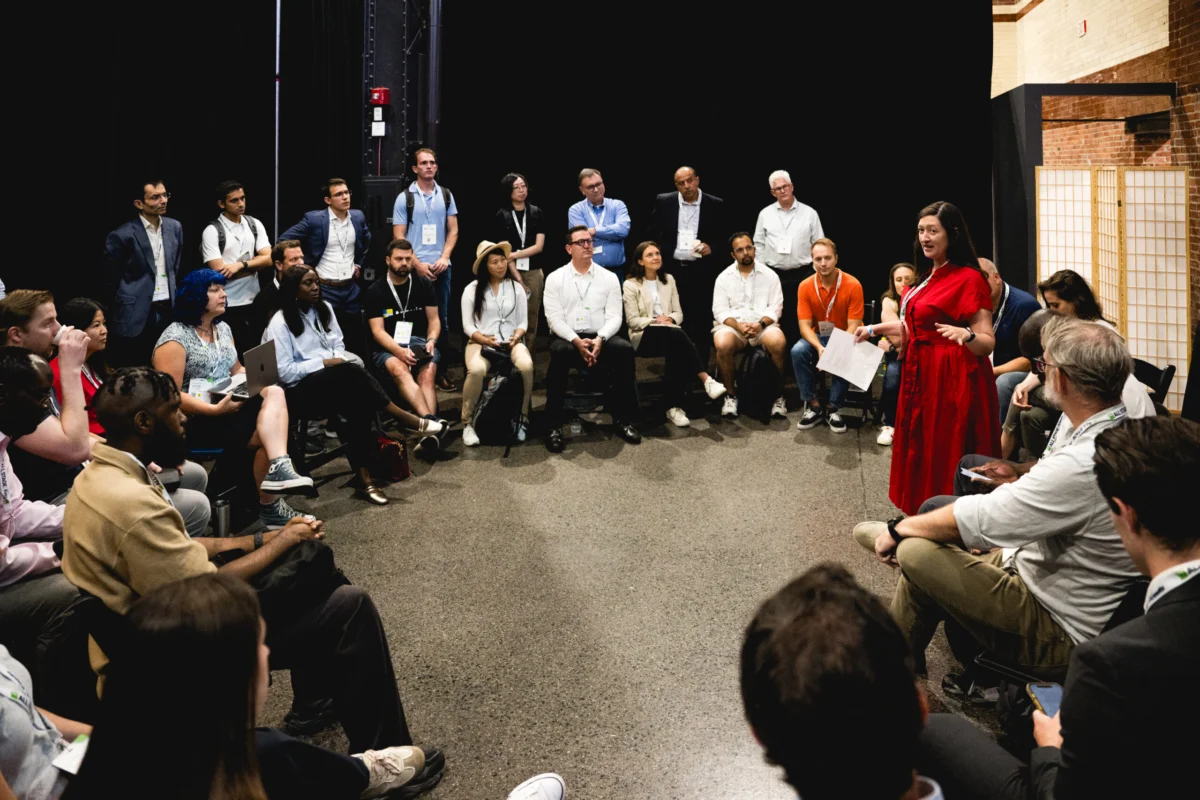
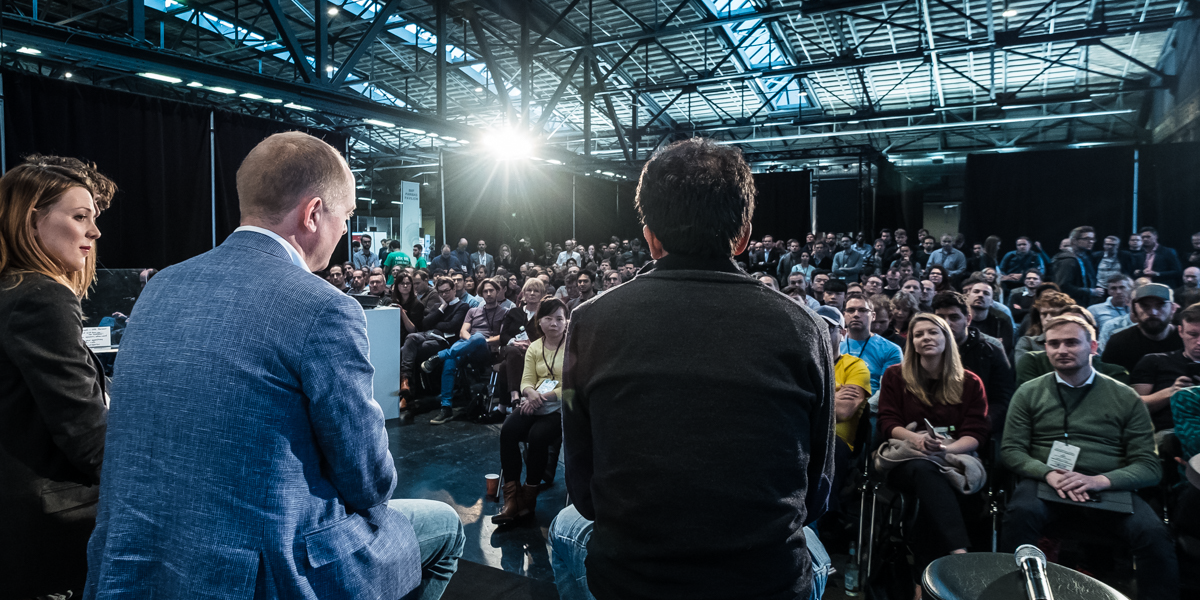
The global technology ecosystem is preparing for the return of TechCrunch Disrupt, scheduled to take place from October 13 to October 15, 2026, at the Moscone West convention center in San Francisco. This year’s iteration of the event is expected to attract more than 10,000 founders, investors, operators, and industry leaders, reinforcing the city’s standing as the primary hub for venture capital and technological advancement. As the startup landscape shifts from the initial hype of generative artificial intelligence toward the practical implementation of agentic and physical AI systems, Disrupt 2026 aims to provide a structured environment for high-level discourse and networking.
A central feature of the 2026 program is the expanded series of interactive roundtables. These sessions are designed to move beyond traditional keynote formats, allowing attendees to engage directly with experts on specific operational and strategic challenges. Topics slated for discussion include the nuances of early-stage fundraising, the scaling of enterprise software, and the integration of AI into legacy industries. To encourage participation, organizers have introduced tiered pricing and promotional incentives, including a $100 discount on standard passes and a 50% reduction for second tickets, targeting co-founders and executive teams.
Historical Context and Event Evolution
Since its inception, TechCrunch Disrupt has served as a barometer for the health and direction of the global startup economy. Famous for its "Startup Battlefield" competition, which has historically featured companies like Dropbox and Fitbit in their early stages, the event has evolved to address the increasing complexity of the tech sector. In 2026, the focus has noticeably shifted toward the "Atoms vs. Bits" debate, reflecting a broader market trend where investors are increasingly looking at hardware, robotics, and hard tech—sectors that were once secondary to pure-play software-as-a-service (SaaS).
The choice of Moscone West as the venue is significant. San Francisco has seen a resurgence in tech activity following a period of post-pandemic recalibration. According to recent municipal data, the city remains the top destination for AI-related venture capital, receiving nearly 50% of all global AI investment in the previous fiscal year. Disrupt 2026 serves as a physical manifestation of this concentration of capital and talent.
The Physical AI Challenge and the Robotics Frontier
One of the most anticipated segments of the 2026 agenda focuses on "Physical AI," a term used to describe AI systems that interact with the physical world through robotics and autonomous systems. Radha Basu, Founder and CEO of iMerit, is scheduled to lead a deep-dive session on the data challenges inherent in these systems. Unlike digital-only LLMs, physical AI requires multimodal data pipelines that can account for real-world variables and edge cases.
Further exploring this theme, Jack Hidary, CEO of SandboxAQ, and Stacie Calad-Thomson of Nvidia will discuss the transition from text-generative AI to AI grounded in physics, chemistry, and biology. This shift is expected to revolutionize sectors such as healthcare, materials science, and energy. Industry analysts suggest that while the previous three years were defined by the "ChatGPT era," the next five will be defined by "Autonomous Intelligence," where AI agents perform complex physical tasks without human intervention.

Logan Farrell of Rugged Robotics and Austin Yount of Brick & Mortar Ventures will also tackle the practicalities of this transition. Their session, "Beyond the Demo," aims to address the gap between a successful laboratory prototype and a reliable industrial product. This conversation is particularly relevant as construction and infrastructure firms begin to adopt AI-driven automation at scale to combat labor shortages and rising material costs.
Reevaluating the Enterprise Software Model
The 2026 agenda also poses a provocative question regarding the future of software: "Is SaaS Dead?" Rajeev Singh, CEO of Smartsheet, will argue that the traditional SaaS model is suffering from extreme fragmentation. As enterprises struggle to manage hundreds of disparate applications, the next generation of software is expected to focus on orchestration and intelligence across workflows rather than isolated functions.
This sentiment is echoed by Naren Krishna of Balerion and Travis Skelly of Pruven Capital, who will discuss why "AI-native" approaches may not immediately work for Fortune 500 companies. Their analysis suggests that legacy systems of record are too deeply embedded to be replaced overnight. Instead, the immediate opportunity for startups lies in building "intelligent agent layers" that can sit atop existing infrastructure, providing the benefits of AI without the risks associated with a total systems overhaul.
Financial Discipline and IPO Readiness
As the exit market shows signs of normalization following the volatility of the mid-2020s, the "IPO-ready finance" playbook has become a priority for late-stage startups. Eléonore Crespo of Pigment and Sofia Fatakhova of Chime will provide insights into how AI-enabled finance teams are automating the rigorous documentation and auditing processes required for public listings.
The consensus among the 2026 speakers is that financial discipline must now be established much earlier in a company’s lifecycle. Aditi Maliwal of Upfront Ventures and Alex Li of MVP Ventures will emphasize the importance of "architecting" a fundraise. This involves not just securing capital, but selecting investors who can provide strategic guidance through the complexities of cap table management and competitive market positioning.
The $100 Billion Entry Fee: A Competitive Analysis
A critical session led by Harrison Rolfes of PitchBook will address the increasing concentration of capital in the AI sector. With "frontier" models requiring billions of dollars in compute and R&D, the question arises whether smaller startups can still compete. This session will analyze where defensibility truly sits—whether it is in specialized data, proprietary hardware, or niche vertical applications—and what the current capital concentration means for founders operating outside the sphere of the "Big Tech" labs.
The emergence of "open-weight" models is seen as a potential counterweight to this concentration. Mercedes Bent and Vanessa Larco of Premise will explore how open-source and open-weight models allow startups to maintain greater control over their cost structures and data security, potentially leveling the playing field for companies that cannot afford the "entry fee" of proprietary frontier models.

Regional Growth and Hard Tech Ecosystems
Beyond the core technology discussions, Disrupt 2026 will highlight the geographic shifts within the California tech landscape. A session sponsored by the New York Stock Exchange will examine the rise of "Gundo"—the nickname for El Segundo—as a magnet for space, defense, and hard tech startups. Kevin Hawkins of the NYSE and El Segundo City Councilmember Drew Boyles will discuss how local policy and proximity to aerospace giants have created a unique environment for capital-intensive startups to thrive.
Simultaneously, the UC Berkeley Sutardja Center for Entrepreneurship and Technology (SCET) will showcase the university’s role as a primary feeder for the San Francisco ecosystem. This focus on local "micro-ecosystems" reflects a broader trend toward specialized tech hubs that prioritize specific industrial verticals over general-purpose software.
Event Timeline and Logistics
The three-day event is structured to maximize interaction:
- October 13 (Day 1): Focus on foundational technologies, including quantum computing and frontier AI models. Keynote addresses will set the tone for the "Physical AI" theme.
- October 14 (Day 2): Emphasis on operational excellence, including the "Founder Playbook" led by former Google Chief Decision Scientist Cassie Kozyrkov, and sessions on enterprise SaaS and GTM strategies.
- October 15 (Day 3): Dedicated to the future of work, healthcare innovation, and the final rounds of the Startup Battlefield. The day concludes with strategic sessions on IPO readiness and wealth protection for founders.
Analysis of Broader Implications
The themes emerging from the TechCrunch Disrupt 2026 agenda suggest a maturing technology sector. The transition from general AI experimentation to specialized, "trusted" agentic systems indicates that the industry is entering a phase of provable ROI. For the 10,000 attendees, the primary objective is no longer just "disruption" for its own sake, but the sustainable integration of high-level intelligence into the fabric of global industry.
Furthermore, the emphasis on "doing more with less"—a topic to be explored by Neil Sequeira of Defy.vc—reflects a shift in venture capital philosophy. After the era of "growth at all costs," both investors and founders are prioritizing capital efficiency. This cultural shift is expected to lead to more durable companies that are better equipped to handle the rapid innovation cycles characteristic of the AI era.
As doors open at Moscone West, the global tech community will be watching closely to see which ideas emerge as the next drivers of economic value. In an environment where innovation is moving faster than conventional planning cycles, events like Disrupt 2026 provide a necessary venue for the calibration of strategy and the forging of connections that will define the next decade of technology.