Lina Wu
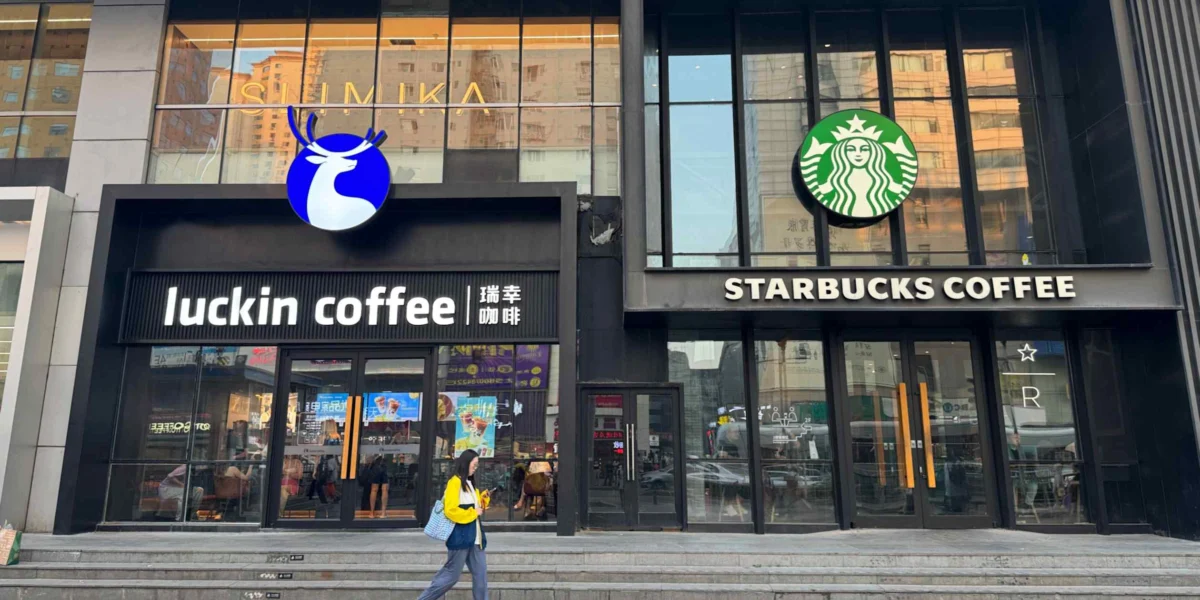
DALIAN, China — Starbucks is undertaking a significant strategic pivot in China, moving away from a direct confrontation with domestic rivals like Luckin Coffee through aggressive store network expansion. The U.S.-based coffee giant, which recently transitioned its China operations into a joint venture with a local investment fund, is now prioritizing the quality and experience of its store network over sheer scale or price competition. This strategic recalibration signals a more nuanced approach to navigating one of the world’s most dynamic and competitive coffee markets.
The move comes as Starbucks faces intensifying pressure from well-established domestic players who have demonstrated remarkable agility in capturing market share through rapid store openings and often lower price points. For years, Starbucks’ growth in China was characterized by a relentless pace of new store openings, a strategy that initially allowed it to establish a dominant presence. However, this approach has proven increasingly challenging to sustain against a backdrop of fierce competition.
A Shifting Competitive Landscape
China’s coffee market has evolved dramatically over the past decade. Once a nascent market dominated by foreign brands, it has seen the meteoric rise of domestic chains. Luckin Coffee, in particular, has emerged as a formidable competitor, employing a disruptive business model that emphasizes digital ordering, quick pick-up locations, and aggressive pricing. The company, which faced significant accounting fraud revelations in 2020, has since staged a remarkable comeback, reopening stores and regaining significant market share. Other local players, such as Manner Coffee and Seesaw Coffee, are also carving out their niches, catering to evolving consumer preferences and offering distinct brand experiences.
This intense competition has forced Starbucks to re-evaluate its long-term strategy. The decision to form a joint venture with a local investment fund, though details of the fund are not publicly disclosed in this instance, suggests a desire to leverage local expertise and capital for a more sustainable and culturally attuned expansion. This partnership could facilitate faster decision-making, better understanding of local consumer nuances, and more efficient resource allocation.
The "Quality Over Scale" Mandate
The emphasis on "quality over scale" implies a shift in focus from simply increasing the number of locations to enhancing the profitability and customer experience within existing and new stores. This could translate into several strategic initiatives:
- Store Optimization: Starbucks may be reassessing the performance of underperforming stores and potentially closing or relocating them to more strategic locations. The focus will likely be on high-traffic areas that offer better potential for customer engagement and higher average transaction values.
- Enhanced Store Design and Ambiance: Expect to see a greater emphasis on creating more inviting and experiential store environments. This could include more comfortable seating, improved Wi-Fi, localized art installations, and unique design elements that reflect Chinese culture and aesthetics. The goal is to position Starbucks not just as a place to grab a quick coffee, but as a destination for socializing, working, or relaxation.
- Premiumization of Offerings: While not explicitly stated as a move away from value, the shift in focus could lead to a more curated menu, featuring premium beverages, artisanal coffees, and food items that cater to a discerning palate. This would align with the growing trend of premiumization in China’s consumer market, where consumers are increasingly willing to pay more for high-quality and unique products.
- Deeper Local Integration: The joint venture structure is expected to foster a deeper understanding and integration of local tastes and preferences. This could involve developing bespoke menu items, collaborating with local suppliers, and tailoring marketing campaigns to resonate with Chinese consumers.
- Digital Innovation and Loyalty Programs: While not the primary focus, digital engagement remains crucial in China. Starbucks will likely continue to invest in its mobile app and loyalty programs to enhance customer convenience and foster repeat business, but perhaps with a greater emphasis on personalized experiences and community building rather than just transactional efficiency.
Historical Context and Timeline of Starbucks in China
Starbucks entered the Chinese market in 1999, opening its first store in Beijing. For many years, it enjoyed a near-monopoly in the premium coffee segment, becoming a symbol of Western lifestyle and aspiration for a growing urban middle class. The company pursued an aggressive expansion strategy, aiming to reach a significant store count across major cities.
By the early 2010s, Starbucks had established thousands of stores across China and was seen as the undisputed leader. However, the emergence of Luckin Coffee in 2017 marked a turning point. Luckin’s rapid expansion, fueled by venture capital and a focus on convenience and affordability, challenged Starbucks’ dominance. The ensuing competition saw both companies engaging in a rapid-fire store opening race, often leading to questions about the sustainability of such aggressive growth.
The accounting scandal that engulfed Luckin Coffee in 2020 temporarily shifted the competitive dynamics. Starbucks saw an opportunity to solidify its position and further expand. However, the market has proven resilient, with Luckin’s comeback and the rise of other local players demonstrating the enduring appeal of localized coffee concepts.
The recent shift to a joint venture structure is a significant departure from Starbucks’ previous wholly-owned subsidiary model in China. This move signals a recognition that the market has matured and requires a more adaptable and collaborative approach. While the exact date of the joint venture formation is not specified in the initial report, such a significant operational change would likely have been preceded by extensive negotiations and planning over several months, if not longer.
Supporting Data and Market Insights
The Chinese coffee market is projected for substantial growth. According to various market research reports, the market size was estimated to be around $38 billion in 2022 and is expected to grow at a compound annual growth rate (CAGR) of over 7% in the coming years. This growth is driven by increasing disposable incomes, a growing coffee-drinking culture, and a shift away from traditional tea consumption among younger demographics.
However, profitability remains a key challenge. The intense competition has led to price wars and pressure on margins. Starbucks’ move to prioritize quality could be a strategy to command higher price points and improve profitability per store, even if the overall pace of store openings slows.
Data from China’s National Bureau of Statistics indicates a steady rise in per capita disposable income, particularly in urban areas, supporting the demand for premium consumer goods and services like specialty coffee. Furthermore, reports from industry analytics firms highlight the increasing sophistication of Chinese consumers, who are becoming more discerning about product quality, brand values, and experiential consumption.
Reactions and Potential Implications
While no direct quotes from Starbucks executives or local partners are available at this juncture, the strategic shift can be interpreted as a proactive response to market realities. The company’s leadership has historically emphasized adapting to local markets. This move suggests a willingness to embrace a new paradigm for growth in China.
The implications of this strategy are multifaceted:
- For Competitors: This shift could provide breathing room for rivals like Luckin Coffee to continue their expansion, albeit with less direct pressure from Starbucks on the sheer volume of new store openings. However, the focus on quality might elevate the baseline for customer experience across the market, pushing all players to innovate.
- For Consumers: Consumers may benefit from a more diverse and higher-quality coffee experience. The emphasis on store ambiance and premium offerings could lead to more enjoyable and memorable visits to Starbucks. The potential for more localized menu items could also be a significant draw.
- For Starbucks: If successful, this strategy could lead to more sustainable and profitable growth in China. It allows Starbucks to leverage its global brand equity while adapting to the specific demands of the Chinese market. It also reduces the capital expenditure required for rapid expansion, potentially freeing up resources for other strategic initiatives.
- For Investors: The market will be closely watching the financial performance of Starbucks’ China operations following this strategic pivot. A successful transition could signal a new model for international expansion in challenging markets, while any setbacks could raise concerns about Starbucks’ ability to compete effectively in its second-largest market.
The journey of Starbucks in China has always been a dynamic narrative, reflecting the rapid economic and social transformations of the country. This latest strategic recalibration, focusing on the intrinsic value and experience of its offerings rather than an all-out race for ubiquity, marks a significant chapter in that ongoing story. The success of this "quality over scale" approach will be a critical determinant of Starbucks’ long-term prosperity in the world’s most populous nation.