Clara Shinta
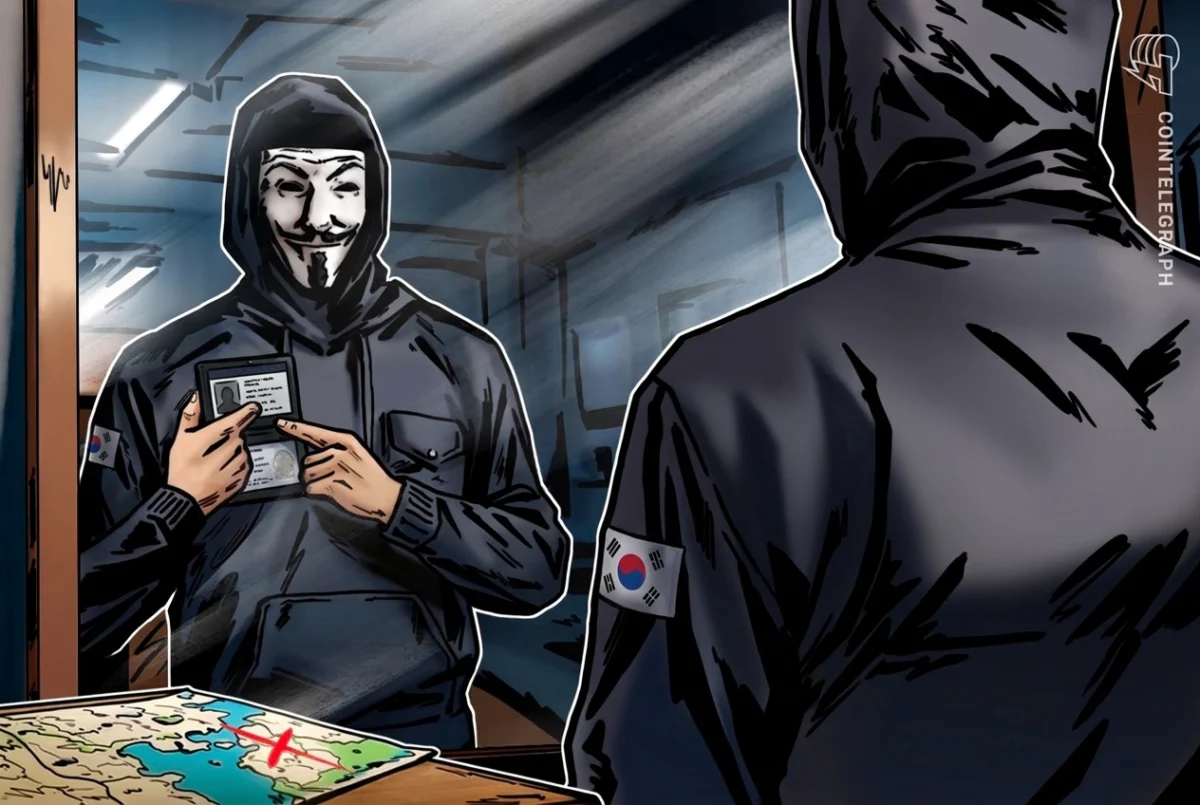
Seoul, South Korea – Major South Korean cryptocurrency exchange Coinone has issued a urgent warning to its customers regarding potential phishing scams and identity theft following a significant data breach at MetaM, an outsourced customer support provider. The incident, which saw an unauthorized attacker gain access to sensitive customer service records, highlights the persistent cybersecurity challenges facing the rapidly evolving digital asset industry, particularly concerning third-party vendor vulnerabilities.
Details of the Breach and Exposed Information
Coinone confirmed on Sunday, November 15, 2026, that an attacker successfully breached servers operated by MetaM on Thursday, November 12, 2026. During this intrusion, customer support records were either viewed or extracted, compromising a range of highly sensitive personal and financial data. Coinone stated that it was alerted to the breach on the same day it occurred, prompting an immediate internal investigation and a subsequent public disclosure.
The scope of potentially exposed information is extensive and includes critical personal identifiers. According to Coinone’s official notice, the data compromised could include customers’ full names, active phone numbers, email addresses, dates of birth, and bank account numbers. More alarmingly, the breach also exposed sensitive credentials such as passwords, national identification numbers, residential and crypto wallet addresses, and transaction IDs. The exchange emphasized that the specific data exposed varies by individual customer, depending on the information shared during previous interactions with the customer support center. Crucially, Coinone clarified that customers who have never engaged with its support services were not affected by this particular incident. The exact number of affected customers has not been disclosed by the exchange, leaving many users uncertain about their individual risk profile.
This incident underscores a significant vulnerability inherent in the outsourcing model, where exchanges entrust crucial aspects of their operations, including customer data management, to external partners. While outsourcing can offer efficiency and cost benefits, it simultaneously introduces additional attack vectors and expands the perimeter of potential security risks.
A Detailed Timeline of Events
The chronology of the Coinone data breach unfolded rapidly, moving from initial detection to public warning within a matter of days:
- Pre-Incident (Ongoing): Coinone, one of South Korea’s leading crypto exchanges, utilizes MetaM as an outsourced provider for its customer support operations. This arrangement involves MetaM handling customer inquiries and storing related personal and transactional data shared by users seeking assistance.
- Thursday, November 12, 2026: An unidentified attacker successfully infiltrates MetaM’s servers, gaining unauthorized access to the stored customer support records. The breach is detected by either MetaM or Coinone on the same day. Upon learning of the compromise, Coinone initiates an immediate internal investigation to assess the scope and nature of the breach. South Korean authorities, likely the Financial Services Commission (FSC) and the Financial Intelligence Unit (FIU), are privately notified as part of the regulatory requirements for financial institutions.
- Friday-Saturday, November 13-14, 2026: Coinone and MetaM conduct a thorough forensic analysis of the breach, working to identify the compromised data types and the specific customers affected. During this period, Coinone prepares its public disclosure, outlining the risks and advising users on necessary precautions.
- Sunday, November 15, 2026: Coinone publicly announces the data breach via an official notice on its website and other communication channels. The notice details the incident, the types of data exposed, and provides urgent recommendations for affected customers. The news quickly spreads across financial and cryptocurrency news outlets, raising concerns among the broader crypto community.
- Post-Disclosure: In the immediate aftermath, Coinone pledges ongoing cooperation with South Korean authorities in their investigation. The exchange is expected to implement enhanced security measures for its third-party vendors and review its own internal protocols to prevent similar incidents. Affected customers are urged to remain vigilant and take proactive steps to protect their personal and financial information.
The Grave Perils of Exposed Data: Phishing and Identity Theft
The variety and sensitivity of the data exposed in the MetaM breach present a high risk of sophisticated cybercrimes, particularly phishing, social engineering, and identity theft. Each piece of compromised information can be leveraged by malicious actors in different ways:
- Passwords: While Coinone advised that its core account infrastructure is separate, customers who may have inadvertently shared passwords during support interactions are at immediate risk. Even if hashed, passwords can be vulnerable to brute-force attacks or used in credential stuffing against other online services if users reuse passwords. The exchange specifically urged these users to change their passwords immediately.
- National Identification Numbers (NINs): In South Korea, NINs (such as resident registration numbers) are foundational for proving identity and accessing a wide array of services. Their exposure can lead to severe identity theft, allowing fraudsters to open accounts, apply for loans, or access sensitive personal records under the victim’s name. This is arguably one of the most damaging pieces of information to be compromised.
- Bank Account Numbers: With bank account details, combined with other personal information like names and national IDs, attackers can attempt unauthorized transactions, set up fraudulent direct debits, or facilitate money laundering schemes.
- Phone Numbers and Email Addresses: These are primary vectors for targeted phishing and smishing (SMS phishing) attacks. Attackers can craft highly convincing messages, posing as Coinone or other financial institutions, to trick victims into revealing more sensitive information or downloading malware.
- Home and Wallet Addresses: Physical addresses can be used for targeted physical scams or to further corroborate identity for more complex fraud. Crypto wallet addresses, while public, when linked to personal identity, can enable highly specific targeting for crypto-related scams, such as fake airdrops, imposter support, or attempts to drain wallets through social engineering.
- Transaction IDs: These can provide insights into a user’s trading activity, making them targets for scams related to specific transactions or investment strategies.
- Names and Dates of Birth: These are fundamental building blocks for almost any form of identity fraud and can be used to verify identity in various contexts, making it easier for fraudsters to bypass security questions.
Coinone’s warning about fraudsters impersonating the exchange using details from previous customer conversations is particularly critical. This form of "spear phishing" or "whaling" is highly effective because the attacker possesses legitimate context, making their communications appear authentic and trustworthy to the victim. This elevates the risk beyond generic scam attempts, requiring extreme vigilance from affected users.
Coinone’s Response and Mitigation Efforts
In response to the breach, Coinone has outlined several key actions and assurances for its user base:
- Public Disclosure and Warning: The exchange promptly issued a public notice, detailing the incident and advising customers on necessary precautions. This transparency, while mandatory, is crucial for empowering users to protect themselves.
- Urgent Password Change Recommendation: For customers who may have shared their passwords during support interactions, Coinone strongly recommended an immediate password change. This is a standard but vital security measure.
- Reporting to Authorities: Coinone confirmed that it has reported the incident to relevant South Korean authorities, including the Financial Services Commission (FSC) and potentially the Korea Internet & Security Agency (KISA). This ensures regulatory oversight and potential assistance in the investigation.
- Assurance of Core Infrastructure Security: Critically, Coinone asserted that its primary account, trading, and crypto wallet infrastructure operates entirely separately from MetaM’s servers. The exchange stated there is currently "no evidence of direct compromise" to its core systems that hold user funds or facilitate transactions. This aims to reassure users that their digital assets held on the exchange are not directly at risk from this particular breach, though the risk of secondary attacks (e.g., through identity theft leading to account takeover attempts) remains.
- Ongoing Internal Investigation: The exchange is undoubtedly conducting a thorough internal review of the incident, working with MetaM to understand the root cause, enhance security protocols, and prevent future occurrences.
The Broader South Korean Regulatory Landscape and Cybersecurity Push
The Coinone breach occurs amidst a concerted push by South Korean regulators to strengthen cybersecurity across its financial sector, particularly within the nascent yet booming cryptocurrency market. The Financial Services Commission (FSC), the country’s top financial regulator, has been increasingly proactive in this domain.
In October 2026, just weeks before the Coinone incident, the FSC revealed significant security deficiencies across a wide range of financial firms. Out of 555 financial institutions reviewed, a staggering 130 were identified as having inadequate cybersecurity measures. This finding underscores a systemic vulnerability within the broader financial ecosystem, making incidents like Coinone’s less surprising but no less concerning. The crypto sector, known for its rapid technological evolution and high-value targets, is particularly scrutinized.
Further demonstrating its commitment, the FSC announced new measures on Thursday, November 12, 2026 – coincidentally, the same day MetaM’s servers were breached. These new regulations empower crypto exchanges to suspend withdrawals when hacking is suspected, a move designed to protect user funds from being illicitly siphoned off during an active attack. Alongside this, the regulator called for round-the-clock monitoring capabilities for exchanges, emphasizing the need for perpetual vigilance in a 24/7 market. These proactive steps illustrate a growing understanding among regulators of the unique security challenges posed by digital assets and the necessity for robust, real-time defenses. The Coinone breach will undoubtedly serve as a potent case study for the efficacy and necessity of these new regulatory frameworks.
The incident also draws parallels to previous security concerns in the Korean market. For example, the article mentions GOPAX, another South Korean exchange, halting crypto trading and withdrawals to move all assets to cold storage. While GOPAX’s action was a preventative measure concerning asset security rather than a data breach, it reflects a shared industry awareness of the critical importance of robust security infrastructure in protecting both user data and funds.
Third-Party Vendor Risks: A Systemic Vulnerability
The Coinone breach at MetaM is a stark reminder of the pervasive risks associated with third-party vendors in the digital age. As companies increasingly rely on external service providers for specialized functions like customer support, cloud hosting, and payment processing, their security posture becomes inextricably linked to that of their partners.
Supply chain attacks, where a weakness in a vendor’s security is exploited to gain access to a primary target, have become a favored tactic for cybercriminals. Even the most secure organizations can be compromised if their chosen partners have vulnerabilities. This incident highlights several critical lessons for the entire industry:
- Due Diligence is Paramount: Exchanges must conduct rigorous security audits and continuous monitoring of their third-party providers. This includes assessing their data handling practices, encryption standards, access controls, and incident response capabilities.
- Minimizing Data Exposure: Only essential data should be shared with third-party vendors, and it should be anonymized or encrypted wherever possible. Limiting the scope of data access can mitigate the impact of a breach.
- Clear Contractual Obligations: Service Level Agreements (SLAs) must include explicit cybersecurity clauses, defining responsibilities, notification protocols for breaches, and penalties for non-compliance.
- Segregation of Systems: As Coinone stated, separating core trading and wallet infrastructure from support systems is a crucial defense. This "segmentation" limits the lateral movement of attackers within an organization’s broader digital footprint.
Expert Commentary and User Vigilance
Cybersecurity experts consistently emphasize that data breaches are an unfortunate reality of the digital landscape. For users, the responsibility of vigilance becomes paramount in the aftermath of such incidents.
"Users must assume that any information shared with third-party services, even indirectly through an exchange’s support portal, is potentially vulnerable," stated a leading cybersecurity analyst. "The immediate priority for affected individuals is to change passwords, not just for Coinone, but for any other service where they might have reused those credentials. Furthermore, they should be extremely wary of any unsolicited communications, whether emails, SMS, or calls, claiming to be from Coinone or other financial institutions. Fraudsters are adept at leveraging exposed personal details to create highly convincing scams."
Experts also advise users to:
- Enable Two-Factor Authentication (2FA) on all their accounts.
- Monitor their bank statements and credit reports for any suspicious activity.
- Consider identity theft protection services, especially if national ID numbers were exposed.
- Educate themselves on the latest phishing techniques.
Implications for Coinone and the Broader Crypto Industry
The Coinone data breach carries significant implications for the exchange and the wider cryptocurrency industry:
- Reputational Damage: Despite Coinone’s swift disclosure and assurances, such incidents inevitably erode customer trust. Rebuilding this trust requires consistent transparency, robust security enhancements, and demonstrable commitment to user protection.
- Financial Penalties and Legal Ramifications: South Korean privacy laws, such as the Personal Information Protection Act (PIPA), carry substantial penalties for organizations that fail to protect user data. Coinone and MetaM could face fines and potential legal action from affected users.
- Increased Regulatory Scrutiny: This breach will undoubtedly invite closer examination from the FSC and other regulators, potentially leading to more stringent audits, mandatory security upgrades, and stricter enforcement of third-party vendor management rules across all exchanges.
- Industry-Wide Call to Action: The incident serves as a critical warning for all cryptocurrency exchanges to reassess their third-party security posture. It reinforces the need for continuous investment in cybersecurity, robust incident response plans, and a proactive approach to threat intelligence. As the crypto market matures, security will be a non-negotiable differentiator for exchanges seeking to maintain and grow their user base.
In conclusion, the Coinone data breach at its outsourced customer support provider is a potent reminder of the complex and persistent cybersecurity challenges facing the digital asset ecosystem. While Coinone has taken immediate steps to inform and protect its users, the incident underscores the systemic risks of third-party dependencies and the critical need for continuous vigilance from both exchanges and their customers in an increasingly interconnected and threat-laden digital world. The ongoing efforts by South Korean regulators to fortify the financial sector’s cybersecurity are more pertinent than ever, as the battle against cybercriminals continues to evolve.