Gilang Muhammad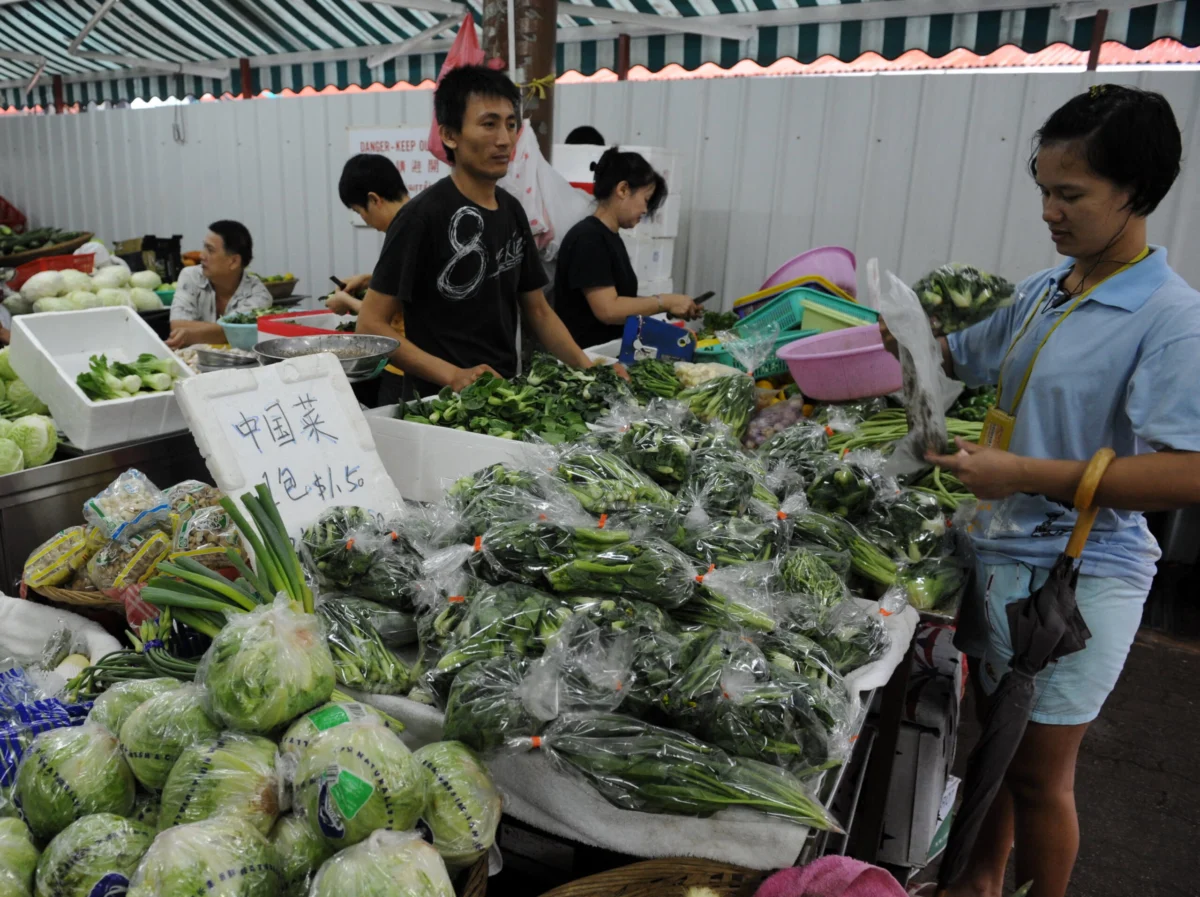
Singapore’s economy is navigating a complex landscape of accelerating inflation driven largely by external factors, even as the city-state maintains a robust growth trajectory. Consumer prices in July rose to a near two-year high, hitting 2.2% year-on-year, yet surprisingly fell short of the 2.3% increase anticipated by economists polled by Reuters. This acceleration from June’s 1.9% rise underscores the persistent inflationary pressures emanating from global energy markets, particularly exacerbated by the ongoing Iran war, which has significantly elevated electricity prices and broader imported costs.
Despite the year-on-year acceleration, the consumer price index (CPI) experienced a slight contraction of 0.2% on a month-on-month basis, suggesting some moderation in immediate price momentum, though this was overshadowed by the sustained annual increase. The latest figures present a nuanced challenge for policymakers, balancing the imperative to contain rising living costs for households and businesses against maintaining economic competitiveness in a volatile global environment.
The Geopolitical Undercurrents and Energy Market Volatility
The primary driver behind Singapore’s July inflation surge, as highlighted by the Monetary Authority of Singapore (MAS) and the Ministry of Trade and Industry (MTI), is the pronounced rise in global energy prices. The "Iran war" referenced in official statements points to a significant geopolitical event that has sent ripple effects across international crude oil and natural gas markets. Geopolitical tensions in major oil-producing regions invariably lead to supply concerns, prompting a risk premium to be built into oil benchmarks like Brent Crude and West Texas Intermediate (WTI). For a highly import-dependent economy like Singapore, which relies almost entirely on imported energy for its power generation and transportation needs, these global price shocks translate directly into higher domestic costs.
The impact of elevated global energy prices manifests directly in Singapore’s electricity and gas charges, which form a substantial component of household and business utility bills. These charges are typically reviewed and adjusted periodically, often quarterly, based on prevailing fuel costs. Thus, the sustained high prices in international energy markets inevitably feed into higher tariffs for consumers. Beyond utilities, the ripple effect extends to transportation fares, as fuel is a significant operational cost for public transport operators and private vehicle owners alike. Increases in petrol and diesel prices necessitate fare adjustments to maintain service viability, further contributing to the overall inflationary basket.
Chronology of Economic Responses and Indicators
The July inflation data is not an isolated event but rather the latest in a series of economic indicators and policy responses that paint a comprehensive picture of Singapore’s current economic climate.
- June 2026: Consumer prices had already seen a notable increase, rising by 1.9% year-on-year, signaling a gathering inflationary momentum even before the full impact of July’s energy price hikes.
- July 2026 (Monetary Policy Tightening): In a "surprise move" on July 27th, the MAS had pre-emptively tightened its monetary policy. Singapore uses its exchange rate as its primary monetary policy tool, rather than interest rates. The MAS re-centered the mid-point of its Singapore dollar nominal effective exchange rate (S$NEER) policy band upwards. This unexpected tightening was a clear signal from the central bank of its strong commitment to price stability, anticipating that imported inflation would likely rise in the coming quarters due to higher fuel and electronic input costs. The move aimed to strengthen the Singapore dollar, making imports cheaper in local currency terms, thereby mitigating some of the external inflationary pressures.
- July 2026 (Inflation Data Release): The actual inflation figures for July, released subsequently, confirmed the MAS’s earlier warnings, with consumer prices accelerating to 2.2%. While missing economist estimates by a narrow margin, the acceleration itself affirmed the central bank’s foresight in tightening policy.
- August 2026 (GDP Forecast Upgrade): In a significant show of economic resilience, Singapore sharply upgraded its Gross Domestic Product (GDP) forecast for the full year 2026. Growth is now expected to come in at 4.5% to 5.5%, more than double the lower-end of its previous forecast of 2%-4%. This upward revision signals robust underlying economic activity, driven by strong external demand, resilient manufacturing output, and a rebound in services sectors, potentially including the anticipated boost from artificial intelligence (AI) adoption. This strong growth outlook provides policymakers with more headroom to address inflation without immediately stifling economic expansion.
Deconstructing the Consumer Price Index: Core Components and Drivers
The detailed breakdown of the CPI reveals specific areas experiencing significant price pressures. The joint release from the MAS and MTI highlighted several key components:
- Electricity and Gas Charges: As discussed, these have seen substantial increases due to elevated global energy prices. Singapore’s dependence on imported natural gas for over 95% of its electricity generation makes it particularly vulnerable to fluctuations in international liquefied natural gas (LNG) spot prices. Utility providers often pass on these higher generation costs to consumers through regulated tariff adjustments.
- Transportation Fares: Both public and private transport costs have risen. For private transport, higher global oil prices directly translate to increased petrol and diesel pump prices. For public transport, operating costs, including fuel and maintenance, are affected, leading to potential fare adjustments. This component, along with accommodation, is typically stripped out for "core inflation" calculations due to its inherent volatility and policy-driven nature.
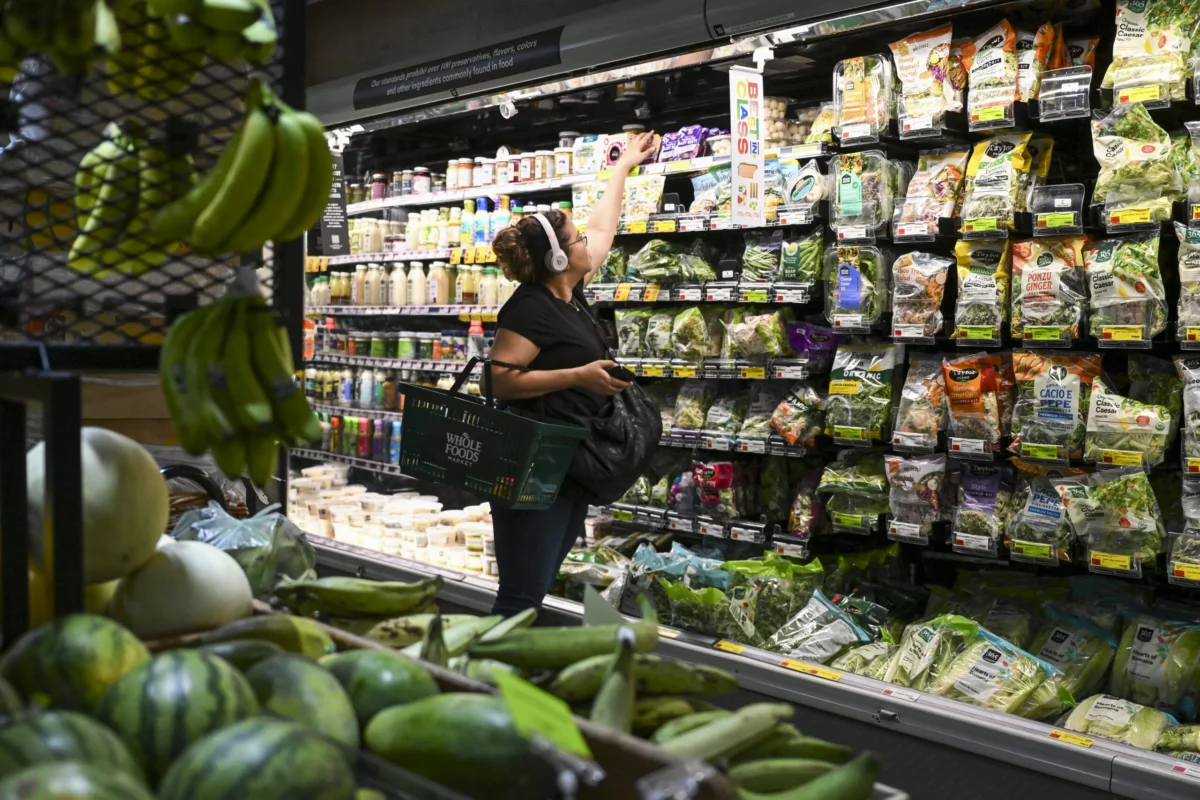
- Food Prices: The official statement explicitly noted that "adverse weather conditions are expected to lower agricultural yields and raise Singapore’s imported food prices." Singapore imports over 90% of its food, making it highly susceptible to global food commodity price shocks. Droughts, floods, and other extreme weather events in major food-producing regions (e.g., Southeast Asia, Australia, North America, Europe) can disrupt supply chains and drive up prices for staple foods like grains, meat, dairy, and fresh produce. The rising cost of fertilizers and animal feed, themselves often energy-intensive to produce, further exacerbates food inflation.
- Broader Imported Goods and Services: Beyond energy and food, the statement cautioned that prices of "more imported goods and services are expected to climb moving forward." As a highly open economy, Singapore’s inflation profile is heavily influenced by global supply chain dynamics, shipping costs, and the cost of imported intermediate goods used in its domestic production. A weaker global economic outlook or persistent supply chain bottlenecks could continue to exert upward pressure on a wide range of imported items.
Core Inflation vs. Headline Inflation
Core inflation, which excludes the more volatile costs of private transport and accommodation, rose to 2% in July. While this figure was slightly below the 2.2% forecast, it still represents an acceleration and indicates that price pressures are not confined solely to energy and housing. The increase in core inflation suggests that broader consumer demand, rising wages, and the pass-through of higher input costs across various sectors are also contributing to the inflationary environment. Policymakers often pay close attention to core inflation as it provides a clearer picture of underlying and persistent price trends in the economy.
Government and Official Responses
Recognizing the significant impact of rising costs on its citizens and businesses, the Singapore government had proactively rolled out two comprehensive support packages in response to the Iran war. These packages, totaling approximately S$2 billion, are designed to cushion the inflationary blow and provide targeted relief.
- Cash Handouts: Direct financial assistance to households, particularly those in lower-income brackets, to help them cope with increased daily expenses.
- Consumption Vouchers: Vouchers designed to encourage domestic spending while simultaneously providing financial relief, often targeting specific categories or businesses.
- Tax Rebates for Companies: Measures aimed at alleviating the burden of rising operational costs for businesses, particularly Small and Medium Enterprises (SMEs), allowing them to retain capital for investment or to avoid passing on the full extent of cost increases to consumers.
The joint release by the MAS and MTI serves as an official communication channel, providing transparency on the economic situation and the rationale behind policy decisions. Their statements consistently emphasize the external nature of Singapore’s current inflation, reiterating that global oil prices remain high and volatile, and that adverse weather conditions are impacting agricultural yields globally, which will inevitably affect Singapore’s imported food prices. This consistent messaging aims to manage public expectations and underscore the government’s proactive approach.
Expert Analysis and Implications
Economic analysts have closely scrutinized Singapore’s July inflation figures. While the acceleration was expected, the slight miss against consensus estimates might suggest that underlying domestic demand could be somewhat softer than initially projected, or that the external supply-side shocks are the overwhelming factor.
- Monetary Policy Path: The MAS’s pre-emptive tightening in July was a strong signal of its commitment to managing inflation. Analysts are now debating whether further tightening might be necessary if external pressures persist or intensify. The central bank will carefully monitor global economic developments, particularly energy and food commodity prices, as well as domestic wage growth and labor market conditions, before deciding on future policy adjustments. The robust GDP growth forecast provides the MAS with flexibility, allowing it to focus on price stability without immediately threatening economic expansion.
- Impact on Households: The rising cost of living is a palpable concern for Singaporean households. Higher utility bills, food prices, and transportation costs erode purchasing power, especially for lower and middle-income families. The S$2 billion support packages are crucial in providing immediate relief, but sustained high inflation could necessitate further targeted measures. The government’s challenge lies in ensuring these support measures are effective and reach those most in need without inadvertently fueling further demand-side inflation.
- Impact on Businesses: Businesses face a dual challenge: rising input costs (energy, raw materials, labor) and potential pressure on consumer spending. While tax rebates offer some relief, companies may struggle to maintain profit margins. This could lead to difficult decisions regarding pricing, investment, and hiring. Sectors heavily reliant on imported raw materials or energy, such as manufacturing and logistics, are particularly vulnerable.
- Singapore’s Economic Resilience: Despite the inflationary headwinds, Singapore’s upgraded GDP forecast points to a resilient and adaptable economy. Its diversified economic base, strong external trade linkages, and strategic investments in high-growth sectors like technology and biomedical sciences position it well to navigate global uncertainties. The government’s focus on long-term structural reforms and enhancing productivity remains critical in building enduring economic strength.
Broader Outlook and Regional Context
Looking ahead, the outlook for Singapore’s inflation remains tied to global developments. While the Iran war’s direct impact on energy markets is immediate, broader geopolitical stability, the trajectory of the global economic recovery, and the resolution of lingering supply chain disruptions will all play a role. Central banks globally are grappling with similar inflationary pressures, and their respective monetary policy stances will influence capital flows and exchange rates, further affecting Singapore’s economy.
Within the ASEAN region, many countries are facing similar battles against imported inflation, though their domestic drivers and policy responses may vary. Singapore, with its highly open economy and reliance on trade, often serves as an early indicator of global economic shifts. The current situation underscores the interconnectedness of global markets and the critical importance of prudent fiscal and monetary policies in maintaining stability amidst external shocks. The ongoing challenge for Singapore will be to skillfully manage these external pressures while continuing to foster sustainable economic growth and enhance the well-being of its population.