Ella Zulfa
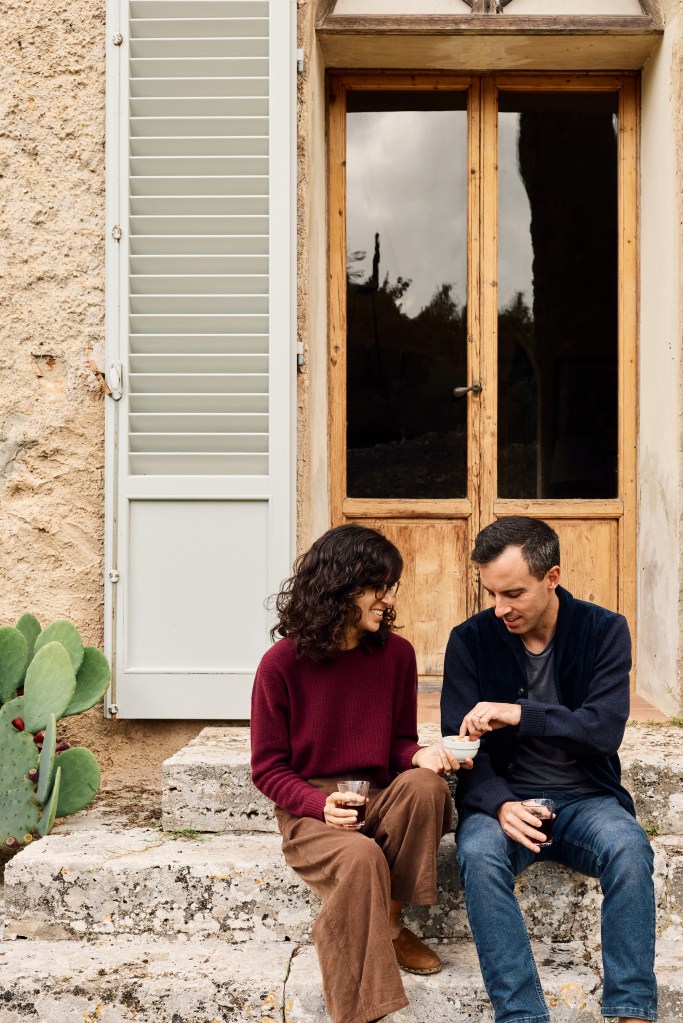
This as-told story is based on a conversation with Joe Fiorenzo. Fiorenzo and his wife, Sheela Prakash, co-founded Sfizi, a food company curating Italian products in celebration of aperitivo culture. They launched their first product, ring-shaped snack crackers called taralli, in December 2025. Now, their business sees an average of $8,000 to $10,000 in monthly sales, on track for $100,000 in its first year, as it plans for product expansion. The piece has been edited for length and clarity.
The burgeoning trend of aperitivo culture, a cherished Italian tradition of pre-dinner drinks and light snacks, has found a dedicated champion in Sfizi, a new food company founded by Joe Fiorenzo and his wife, Sheela Prakash. Launched in December 2025, Sfizi aims to bring the authentic spirit of Italian "little pleasures" to a wider audience, starting with its inaugural product: taralli, traditional ring-shaped snack crackers. The company is already demonstrating robust growth, projecting over $100,000 in gross sales within its first year and charting a course for ambitious product expansion.
Fiorenzo’s passion for Italian culture is deeply personal. "Sheela has studied and lived in Italy off and on for the past 10 years," he explained. "We’ve been together for all that time, and we’ve traveled in Italy together. During that time, we fell in love with Italian culture." His own Italian American heritage further deepened this connection. This shared appreciation for the nuances of Italian life became the bedrock of Sfizi.
The name "Sfizi" itself, translating to "whims" or "little pleasures" in Italian, encapsulates the company’s mission. "We like to refer to them as little pleasures," Fiorenzo elaborated. "The goal is basically to celebrate little pleasures of Italian culture." The choice of taralli as their debut product was strategic. While commonly found in the United States, Fiorenzo observed that they were often relegated to dusty corners of grocery store shelves, lacking the premium presentation they deserved. "A lot of times they’re in those clear cellophane bags. They’re often very dusty looking, at the bottom of a basket somewhere in the cheese section. We wanted to start with that product because it felt like an easy segue" into a more curated and elevated Italian snacking experience.

From Corporate Insurance to Culinary Curation: A New Venture
Neither Fiorenzo nor Prakash had prior experience in the Consumer Packaged Goods (CPG) industry. Fiorenzo spent 17 years in corporate insurance, a field far removed from the intricacies of food product development and marketing. While Prakash possesses a food background, it was not within the CPG sector. This lack of direct industry experience led them to adopt a cautious, yet ambitious, approach. "We wanted to start small," Fiorenzo stated. "We figured, if we can’t figure this out, then we probably are in the wrong business, so we should probably do something else. But it’s been good so far."
Their initial product launch featured three distinct taralli flavors, carefully chosen to be "fun, approachable and eye-catching." The development process was a significant undertaking, beginning in early 2025 with outreach to brand design companies. Simultaneously, they initiated contact with Italian producers to gauge the feasibility of their product vision. The first six months were largely dedicated to refining their brand identity and solidifying their overall vision.
Sourcing Authenticity: The Italian Producer Engagement
Securing the right production partners in Italy was a critical phase. Fiorenzo recalled sending out "about a dozen cold emails to Italian producers to get a sense of what was possible." This initial digital outreach was followed by an intensive two-to-three-week trip to the Puglia region, a heartland of taralli production. During this visit, they met with numerous producers, sampling their taralli and other offerings, all while working to establish rapport.
"Of course, there was a little bit of a language barrier," Fiorenzo admitted, highlighting the importance of finding producers with English-speaking staff. "So we wanted to make sure there was somebody on their team who could communicate in English in case there was something that needed to be kind of articulated that we couldn’t necessarily translate. So that was a fun but long process." This hands-on approach ensured not only product quality but also fostered crucial relationships built on trust and clear communication.
Self-Funded Beginnings and Early Financial Trajectory
Sfizi was launched as a completely self-funded endeavor, with total startup costs estimated at around $50,000. This lean approach allowed Fiorenzo and Prakash to maintain full control and ownership of their burgeoning business. Looking ahead, they are open to seeking external investment. "We are looking at potential investors going into next year. So hopefully we have a little bit more support."
The company’s revenue stream has shown consistent growth since its inception. Following an "aggressive launch," Sfizi experienced a strong initial sales period, which has since stabilized. "Depending on the month, we’re averaging $8,000 to $10,000 gross sales," Fiorenzo reported. "We’re targeting over $100,000 in gross sales for the first year." This financial performance, achieved without external funding in its formative stages, underscores the market’s positive reception to Sfizi’s offerings.
Building Brand Awareness: Digital Marketing and Partnerships
To cultivate a loyal customer base and expand their reach, Sfizi has heavily invested in its digital presence. A dedicated social media manager, a contracted friend of the founders, plays a pivotal role in crafting "inspirational, creative and fun posts." The company maintains a consistent online presence with "10 to 12 posts going out a week to keep that interest going."
Beyond organic social media efforts, Sfizi has strategically engaged in brand partnerships. "We’ve done some partnerships with other brands. We’ll do a collaboration where we give away both of our products." Fiorenzo sees significant potential in this area, noting, "There’s a lot of opportunity in that space because there are so many different CPG brands out there looking to gain exposure. We’re obviously willing to partner with anybody who’s willing to do the same for us." These collaborations serve as a cost-effective method for cross-promotion and customer acquisition.
While the day-to-day operations of Sfizi demand significant attention, Fiorenzo and Prakash are also pursuing personal projects. Prakash continues her work as a cookbook writer, and Fiorenzo is involved in non-CPG related side projects. This balance allows them to maintain diverse interests while dedicating focused energy to their entrepreneurial venture. "The day running Sfizi can be very time-consuming, but it can also be less time-consuming, depending on what’s going on. So you have to put other things on your plate as well."
Navigating the Complexities of Order Flow and Logistics
One of the primary challenges encountered by Sfizi has been the intricate dance of timing and order flow, both in managing customer orders and coordinating with their Italian producers. "It’s difficult because you can’t always anticipate what sales are going to be like," Fiorenzo explained.
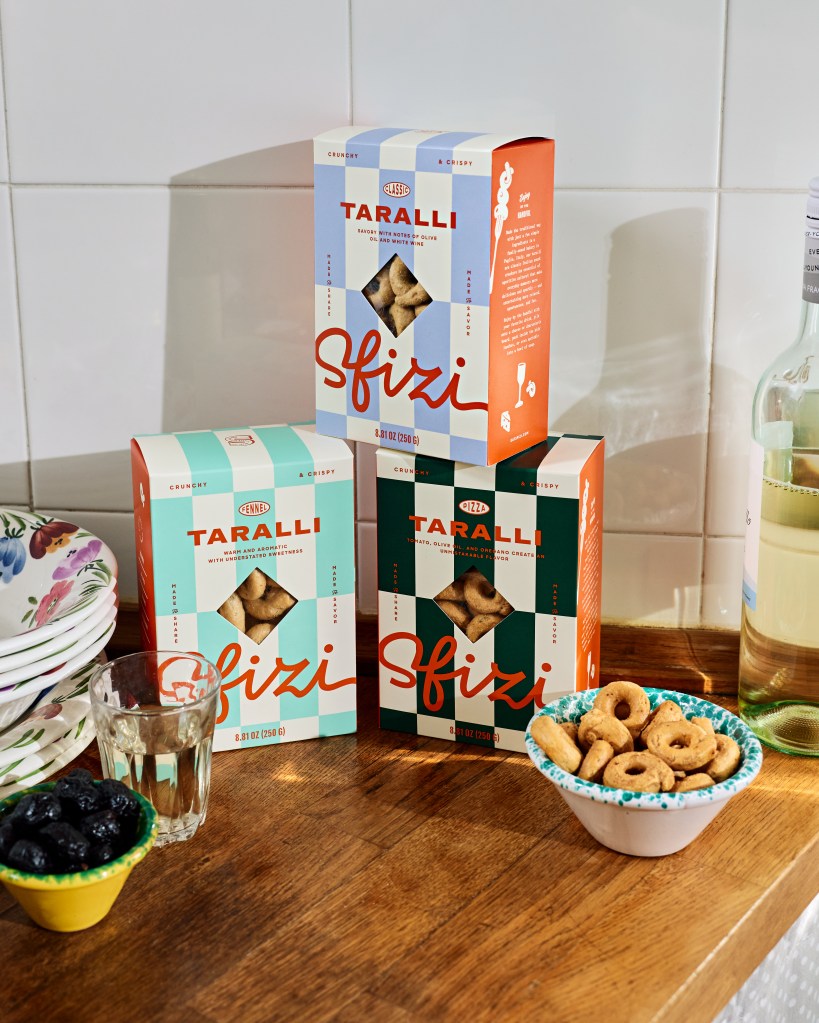
Upon launch, they began with a conservative production volume due to the inherent uncertainties of a new business. "We really had no idea and we needed to have a baseline. So just in case we weren’t able to sell anything, we weren’t out of pocket a lot of money." Fortunately, their initial stock sold out "very quickly – in less than a month." This rapid depletion necessitated an immediate increase in production, a scaling process that had to be carefully managed.
The logistical complexities extend beyond raw product orders. Coordinating the timelines for various vendors, including packaging design and printing, presents another hurdle. "Coordinating the timelines of all those different vendors can be tough." Furthermore, Sfizi relies on a third-party warehouse for product storage and order fulfillment, adding another layer to their supply chain management.
"It’s really been a learn-on-the-fly process because we didn’t have the experience with it," Fiorenzo acknowledged. However, he expressed confidence in their improved operational capabilities. "But we have a much better handle on it now than we did eight months ago." The company now maintains sufficient inventory to meet anticipated demand for the foreseeable future, bolstered by the taralli’s impressive shelf life of approximately one year. This buffer allows them to navigate potential fluctuations in sales and production lead times more effectively.
Charting a Course for Product Expansion
Sfizi’s vision extends beyond its initial taralli offering. The company is actively exploring opportunities to broaden its product portfolio, with a continued focus on the Italian aperitivo theme. "We’re definitely looking to broaden the product portfolio. At least for now, we want to stay within the Italian aperitivo angle because that’s popular in the U.S." Fiorenzo highlighted the growing consumer interest in unique snacks and accompaniments for popular aperitivo drinks like spritzes and negronis.
While specific product lines are still under development, Sfizi has engaged with several Italian producers for potential new offerings. They are "pretty certain we’re going to launch at least a second full product early in spring of 2027." This proactive approach to product development signals a commitment to sustained growth and market diversification.
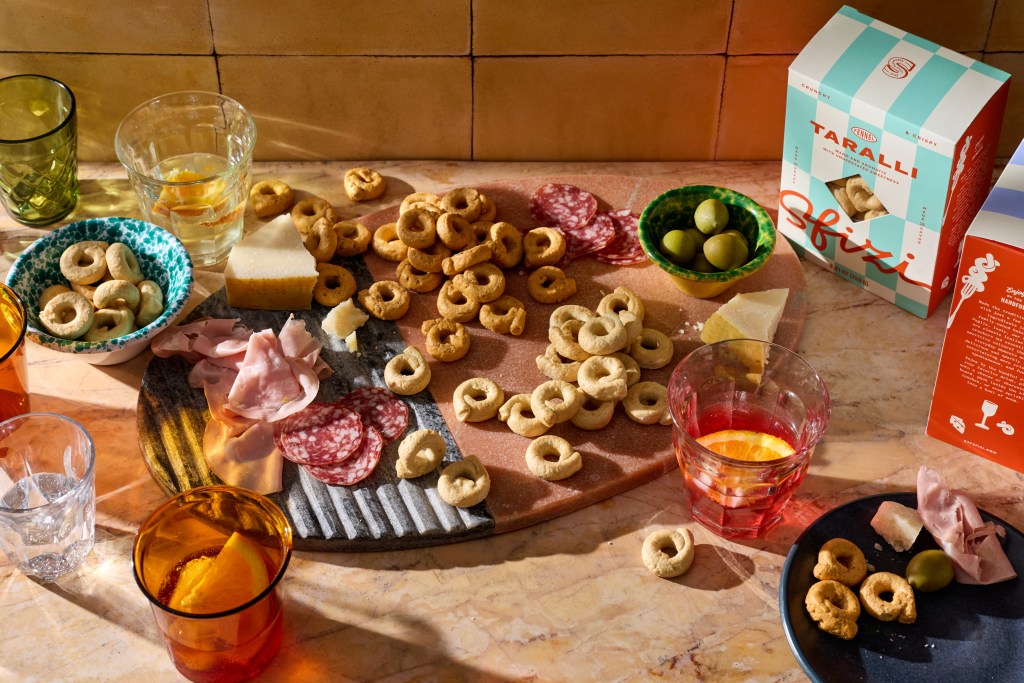
Looking further down the road, Sfizi envisions expanding into broader pantry staples. "Down the road, we would certainly like to dip into the pantry element of things, whether that’s a fun pasta, sauce or even flour." The current market trend towards high-quality ingredients and healthy snacking aligns well with these potential future ventures. The company has also received interest from restaurants and bars, prompting them to consider importing products in bulk, a significant step towards larger-scale operations.
Essential Advice for Aspiring CPG Founders
For entrepreneurs venturing into the CPG space, Fiorenzo offers invaluable advice rooted in his own experiences. He emphasizes the importance of community and collaboration. "Don’t be afraid to ask people for help. Meet with other brands and companies doing similar things." He further elaborated, "Because what you really come to realize is nobody knows that much, but somebody might know just a little bit more, or maybe they’ve had a certain experience with something that you haven’t. So pick people’s brains and just try to understand how they’re doing things." This collaborative spirit can accelerate learning curves and provide crucial insights.
Crucially, Fiorenzo stresses the need for resilience and humility. "You can’t be afraid to fail." He recounted their own journey: "We went into this business with good intentions, but we truly did not know how it was going to work out. So you have to have a little bit of humility. Don’t be afraid to be vulnerable and ask questions." This willingness to admit uncertainty and seek guidance has been instrumental in Sfizi’s early success. "Because without the tips from some of these other founders, I don’t know if we would be where we are now."
As Sfizi continues to grow, its journey exemplifies the power of passion, strategic planning, and a deep appreciation for cultural heritage. By focusing on authentic Italian aperitivo experiences and embracing a spirit of continuous learning and collaboration, Joe Fiorenzo and Sheela Prakash are not just building a business; they are cultivating a taste of Italy for a growing audience, one "little pleasure" at a time.