Clara Shinta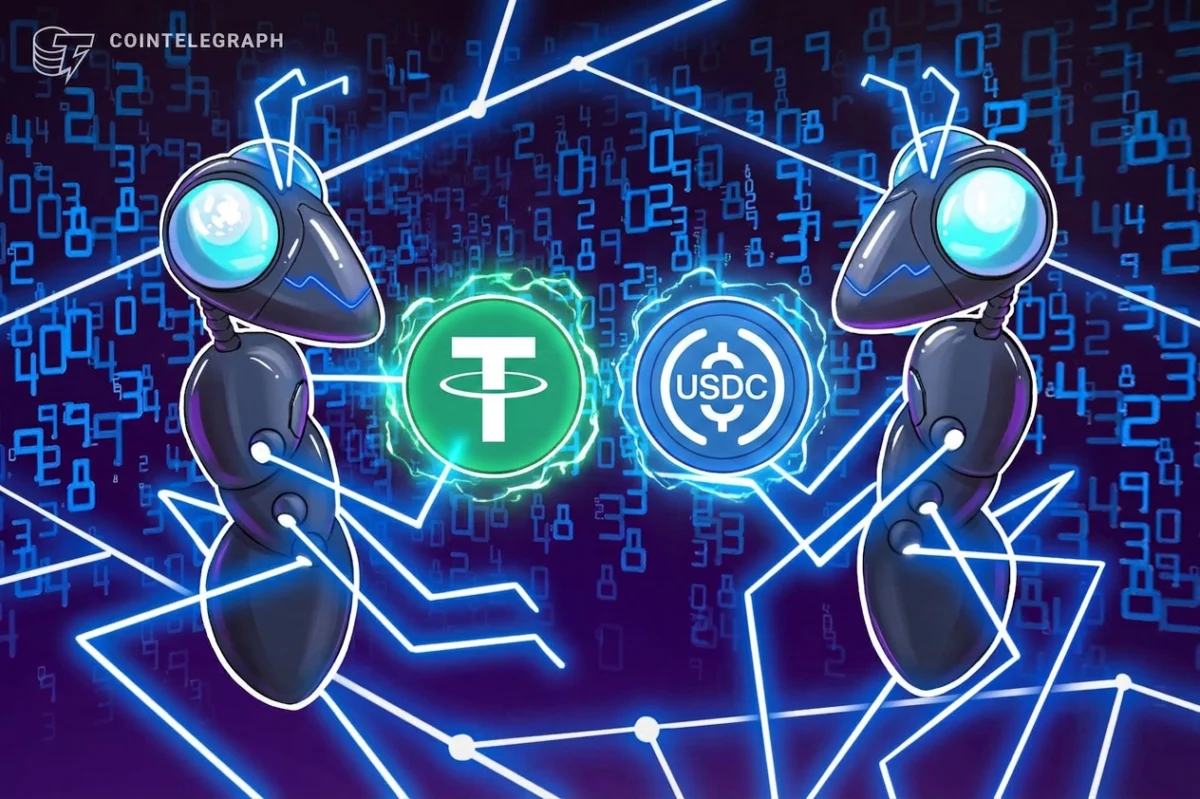
OKX Europe, a prominent cryptocurrency exchange operating across the European Economic Area, has introduced a new one-way conversion feature enabling its customers to deposit Tether’s USDT and convert it into Circle’s USDC. This strategic move provides a regulated migration pathway for users as the European Union’s landmark Markets in Crypto-Assets (MiCA) regulation begins to significantly restrict the operational scope of stablecoins that do not meet its stringent compliance standards, most notably impacting the world’s largest stablecoin, USDT. The announcement, shared with industry publications, underscores the accelerating shift within the European crypto landscape as the continent solidifies its position on digital asset regulation.
The Regulatory Imperative: MiCA’s Influence on Stablecoins
The launch of OKX Europe’s conversion feature is a direct response to the phased implementation of MiCA, which commenced with its stablecoin-specific provisions taking effect on June 30, 2024. MiCA represents a comprehensive regulatory framework designed to bring clarity and investor protection to the nascent crypto-asset market across all 27 EU member states and the broader European Economic Area (EEA). Its primary objectives include fostering innovation while mitigating risks associated with market integrity, financial stability, and consumer protection.
Under MiCA, stablecoins are categorized into two main types: Asset-Referenced Tokens (ARTs) and E-money Tokens (EMTs). ARTs are crypto-assets that aim to maintain a stable value by referencing any other value or right, or a combination thereof, including one or several fiat currencies, commodities, or other crypto-assets. EMTs, on the other hand, are crypto-assets that aim to maintain a stable value by referencing only one fiat currency. The regulation imposes strict requirements on issuers of both ARTs and EMTs, covering aspects such as authorization, governance, reserve management, redemption policies, and transparency.
Crucially for the current situation, MiCA mandates that stablecoin issuers must be authorized as a credit institution or an e-money institution (EMI) and adhere to rigorous operational and prudential standards. For EMTs, these standards closely mirror those for traditional electronic money. Furthermore, MiCA sets limits on the issuance and usage of large stablecoins, particularly those whose market capitalization exceeds certain thresholds, to prevent them from posing systemic risks to financial stability. These provisions require issuers to hold reserves in highly liquid, low-risk assets, segregated from their operating funds, and held with European credit institutions.
Tether, the issuer of USDT, has publicly stated its decision not to seek authorization to issue USDT under the MiCA framework. This non-compliance has significant ramifications for crypto-asset service providers (CASPs) operating within the EU/EEA, compelling them to restrict support for USDT or convert customer balances into compliant alternatives. The European Union completed the rollout of the framework’s stablecoin-related aspects on July 1, marking a definitive deadline for platforms to align their operations with the new legal reality.
OKX Europe’s Strategic Response and User-Centric Approach
OKX Europe’s introduction of the one-way USDT to USDC conversion feature is a calculated move to maintain compliance while providing a practical solution for its customer base. The exchange, which serves customers across 30 EU and European Economic Area countries under its MiCA license, aims to facilitate a smooth transition for users affected by the new regulatory landscape.
The feature allows customers to deposit USDT into their OKX Europe account and then convert these tokens into USDC, a stablecoin issued by Circle that has proactively sought to align with global regulatory frameworks and is widely considered to be compliant with MiCA’s EMT provisions. This offers a regulated and readily available alternative for users.
A key aspect highlighted by OKX Europe is the discretionary nature of the conversion. Unlike some platforms that might impose hard deadlines for users to divest their USDT holdings, or automatically convert balances, OKX Europe emphasizes that conversions can be completed at the customer’s discretion. This approach aims to empower users, giving them control over their assets’ migration rather than subjecting them to platform-imposed deadlines or forced conversions. This user-centric strategy could prove beneficial in retaining customers who might otherwise feel disenfranchised by the regulatory changes.
The exchange’s statement indicates that the feature is specifically designed for customers whose existing platforms no longer accept USDT or are planning automatic migration of balances. This positions OKX Europe as a potential refuge for users seeking a compliant and controlled pathway for their USDT holdings in a rapidly evolving European market.
Tether’s Stance and the MiCA Controversy
Tether’s CEO, Paolo Ardoino, has been a vocal critic of MiCA, particularly its stablecoin provisions, and has consistently defended the company’s decision not to seek authorization for USDT under the framework. Ardoino’s primary contention revolves around MiCA’s reserve requirements, which he argues create unnecessary risks for stablecoin issuers. Specifically, he has expressed concerns about the mandate to hold a portion of reserves with European credit institutions.
In a May 2025 interview, Ardoino described the framework as "very dangerous when it comes to stablecoins." He articulated that requiring reserves to be held in specific banking institutions within a particular jurisdiction could expose stablecoin issuers to concentration risk, counterparty risk, and even geopolitical risks. From Tether’s perspective, this requirement could potentially compromise the global, decentralized nature and resilience of stablecoins by tying them too closely to traditional financial infrastructure in a specific region. He indicated that Tether chose not to pursue authorization despite the clear likelihood that USDT would lose widespread support on European exchanges.
Tether’s position remains largely unchanged. In a July 2025 post on X (formerly Twitter), Ardoino reiterated that Tether would only reconsider seeking MiCA authorization "when MiCA becomes safer for consumers and stablecoin issuers." This suggests that Tether views the current regulatory demands as fundamentally incompatible with its operational philosophy and risk management strategy. This stance pits Tether, the undisputed market leader, against a comprehensive regulatory regime, creating a significant point of tension in the global stablecoin market.
The Global Stablecoin Landscape: USDT’s Dominance and USDC’s Ascent
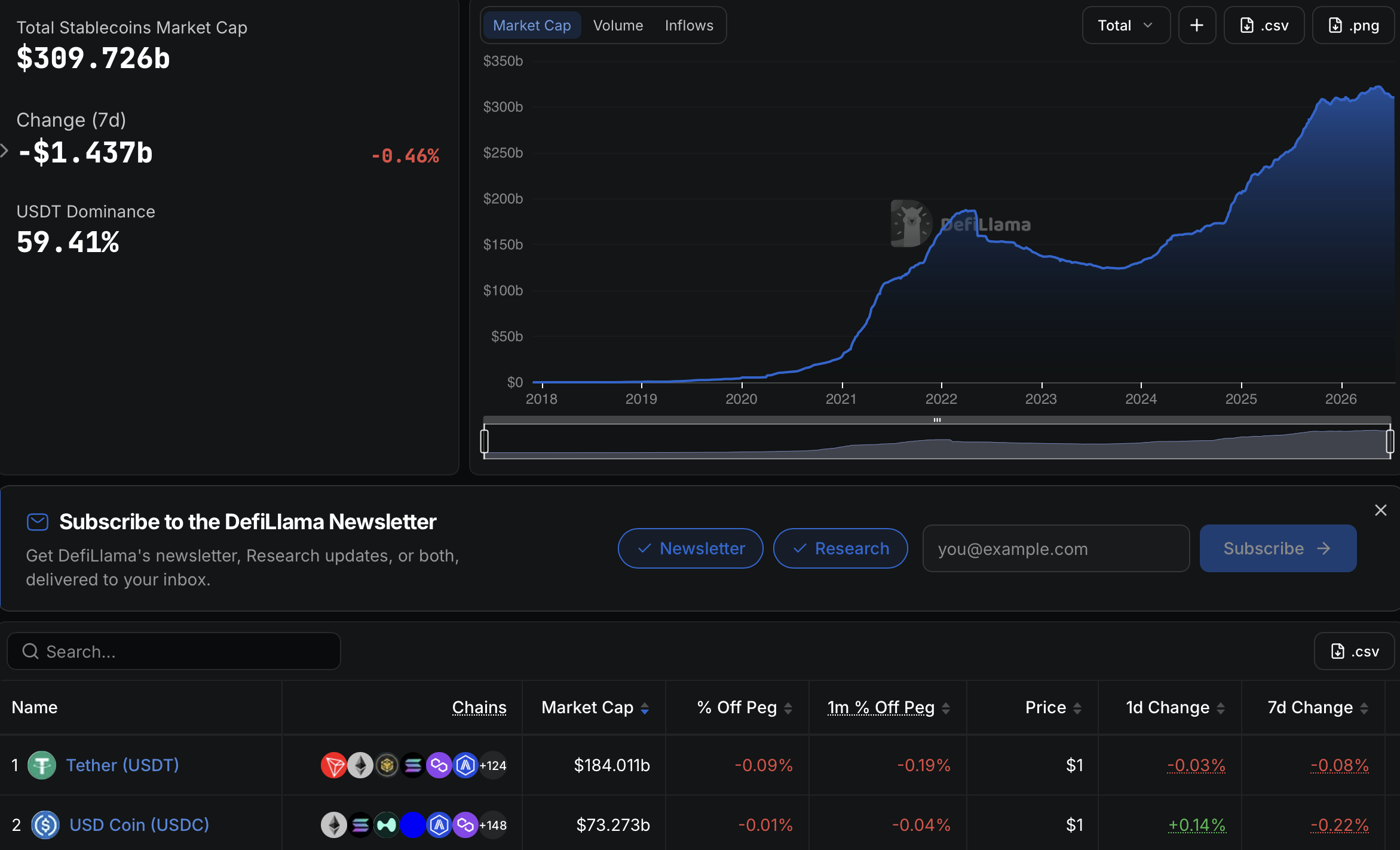
Despite the regulatory headwinds in Europe, USDT remains the dominant stablecoin globally. According to data from DefiLlama, Tether accounts for approximately 59% of the nearly $310 billion stablecoin market, boasting a formidable market capitalization of roughly $184 billion. This figure dwarfs that of its closest competitor, Circle’s USDC, which has a market capitalization of about $73 billion, representing a significant but still secondary share of the market.
Tether’s long-standing first-mover advantage, widespread liquidity, and deep integration across numerous exchanges and decentralized finance (DeFi) protocols have cemented its position as the preferred stablecoin for trading and remittances outside traditional banking systems. Its issuance on multiple blockchains further enhances its accessibility and utility.
However, the regulatory landscape, particularly in major economic blocs like the EU, is increasingly challenging this dominance. USDC, issued by US-based Circle, has actively pursued a strategy of regulatory compliance and transparency, positioning itself as a "regulated digital dollar." Circle has engaged with regulators globally and has structured its reserves in a manner that often aligns more closely with traditional financial auditing standards and, critically, with the emerging requirements of frameworks like MiCA. This proactive approach has allowed USDC to gain traction in jurisdictions where regulatory clarity and compliance are paramount.
The shift in Europe, driven by MiCA, could significantly alter the stablecoin market share within the region, potentially leading to a localized increase in USDC adoption and a decrease in USDT usage, even if USDT maintains its global lead.
Industry-Wide Adaptation and User Impact
OKX Europe is not an isolated case. The implementation of MiCA has triggered a wave of adjustments across the European crypto industry. Many platforms have already begun restricting USDT services, delisting trading pairs involving USDT, or announcing plans for automatic conversions.
A notable example is the digital banking platform Revolut, which recently announced it would stop supporting USDT for customers in the European Economic Area and Switzerland. Revolut has given its users until August 31 to sell or withdraw their USDT holdings, after which any remaining balances will be automatically converted into their respective base currencies. This move by a major fintech player underscores the seriousness with which platforms are treating MiCA compliance and the broad impact on user experience.
For European users, these changes mean a period of adaptation. While the intention of MiCA is to provide greater protection and clarity, the immediate effect can be disruptive for those accustomed to using USDT, particularly for cross-border transactions or accessing specific DeFi protocols where USDT liquidity is highest. Users will need to actively manage their stablecoin holdings, potentially migrating them to compliant alternatives or to exchanges that operate outside the MiCA framework, though the latter might involve increased regulatory risk. The ability to convert at one’s discretion, as offered by OKX Europe, provides a more user-friendly transition compared to forced liquidations.
Broader Implications for the European Crypto Market
The MiCA framework and the industry’s response to it will have several profound implications for the European crypto market:
- Market Fragmentation: The European stablecoin market is likely to become more fragmented from the global market. While USDT may continue to thrive in other regions, its utility and liquidity within the EU/EEA will diminish, potentially creating a "two-speed" stablecoin ecosystem.
- Increased Compliance Costs: For exchanges and other CASPs, compliance with MiCA entails significant operational and legal costs. This could favor larger, well-resourced entities like OKX Europe, potentially leading to consolidation in the market as smaller players struggle to meet the new requirements.
- Enhanced Investor Protection: From the regulatory perspective, MiCA’s stringent rules on stablecoin reserves, issuance, and redemption are designed to prevent scenarios akin to the Terra-Luna collapse, offering greater stability and protection for users who hold MiCA-compliant stablecoins.
- Innovation vs. Regulation Debate: While regulators argue that MiCA fosters responsible innovation, critics, including Tether’s CEO, contend that overly prescriptive rules could stifle innovation by imposing burdens that are too heavy for new entrants or by disincentivizing certain types of decentralized financial activities.
- Shifting Competitive Landscape: MiCA creates a more level playing field for stablecoins that adhere to its rules. USDC, already strong in regulatory compliance, stands to gain significant market share in Europe. Other potential MiCA-compliant stablecoins, perhaps issued by European entities or traditional financial institutions, could also emerge.
The ongoing developments highlight a critical juncture in the global cryptocurrency market, where the push for regulatory clarity in major economic zones is increasingly shaping the operational realities for digital assets. As MiCA’s full impact unfolds, the choices made by exchanges like OKX Europe and stablecoin issuers like Tether and Circle will determine the trajectory of stablecoin adoption and the broader crypto ecosystem within the European Union.