Gilang Muhammad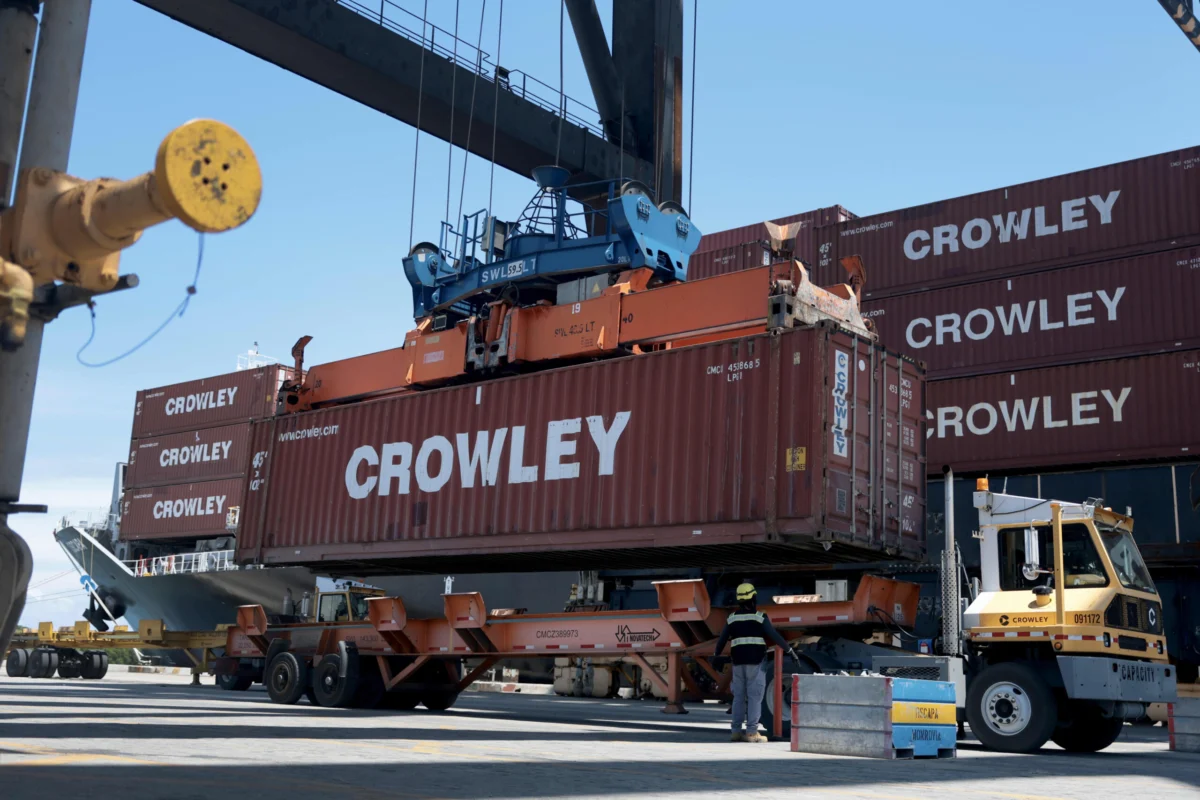
The cost of goods entering the United States posted an unexpected increase in June, driven significantly by the largest monthly surge in prices for Chinese goods in over 18 years, according to a report released Friday by the Bureau of Labor Statistics (BLS). This uptick, defying economists’ predictions for a decline, signals a broadening of inflationary pressures beyond volatile energy costs, presenting a renewed challenge for the Federal Reserve in its ongoing quest to tame inflation.
The Unexpected Surge in Detail
Import prices for the month rose by 0.3%, a notable shift from the 0.8% decline economists surveyed by Dow Jones had anticipated. While a drop in energy prices offered some reprieve, it was more than offset by widespread increases across other sectors. On an annual basis, import prices jumped a substantial 7.1%, marking the steepest year-over-year rise since August 2022. This figure stands in stark contrast to the previous month’s annualized rate and underscores a persistent inflationary trend that continues to embed itself within the U.S. economy. The scene at key logistical hubs like Port Everglades in Fort Lauderdale, Florida, where dock workers diligently offload vast quantities of shipping containers, serves as a tangible reminder of the complex global supply chains feeding into these national economic indicators.
The BLS report highlighted that the increase in import prices was not singular but rather a multifaceted phenomenon. While fuels and lubricants experienced a 0.4% decrease in June, tempering the overall rise, other critical categories saw significant acceleration. Industrial and service machinery, for instance, were key drivers of higher costs, following a robust 12.6% jump in May. This suggests that businesses across various sectors are facing elevated input costs for essential equipment, which can ultimately translate into higher prices for consumers.
China’s Pivotal Role in Rising Import Costs
A particularly striking revelation from the BLS data was the 0.9% increase in import prices from China, representing the largest monthly surge since January 2008. This significant jump points to a potential confluence of factors, including the lingering effects of trade tariffs and evolving supply chain dynamics. The U.S. has maintained various tariffs on Chinese goods, notably those imposed under Section 301 of the Trade Act of 1974 during the previous administration, which have continued to influence pricing and sourcing decisions for American businesses. While some tariffs have been debated for their efficacy and impact on domestic prices, their presence undeniably adds a layer of cost to goods imported from China.
Beyond tariffs, a shift in global manufacturing costs, China’s own domestic economic conditions, and the ongoing efforts by companies to diversify supply chains away from over-reliance on a single region could also be contributing to these elevated prices. The 12-month increase in import prices from China reached 1.3%, marking the largest yearly gain since the period between November 2021 and November 2022, a time when global supply chains were under immense stress due to pandemic-related disruptions and surging demand.
Interestingly, while import prices from China rose, export prices to China actually fell by 0.2% in June. However, on an annual basis, these export prices were up 7.4%, the biggest monthly increase dating back to August 2022. This divergence in import and export price movements with a major trading partner like China can have implications for the U.S. trade balance and the broader terms of trade, influencing the relative value of goods exchanged between the two economic giants.
The AI Build-Out and Technology’s Inflationary Footprint
Another significant factor contributing to the unexpected rise in import prices, as indicated by the BLS report, is the burgeoning artificial intelligence (AI) build-out. Costs for computers, peripherals, and semiconductors experienced an increase, reflecting the intense global demand for advanced computing power and hardware necessary to fuel the AI revolution. The rapid pace of AI development has led to unprecedented investment in data centers, specialized chips, and high-performance computing infrastructure. This surge in demand, coupled with existing constraints in semiconductor manufacturing capacity and the specialized nature of these components, is translating into higher prices for these critical technology imports.
The semiconductor industry, in particular, has faced a rollercoaster of supply and demand challenges in recent years. While some segments experienced oversupply post-pandemic, the demand for AI-specific chips (like GPUs) has created new bottlenecks and driven up prices. This technological inflation is distinct from traditional commodity-driven inflation and points to structural shifts in global economic demand. As businesses worldwide race to integrate AI into their operations, the cost of acquiring the foundational technology will likely continue to exert upward pressure on prices for the foreseeable future.
Beyond Energy: A Broadening Inflationary Landscape
The BLS report broadly underscored a critical trend: while declining oil costs offered some relief in June, inflation is showing signs of broadening beyond energy. For months, economists and policymakers have closely watched "core inflation" metrics, which exclude volatile food and energy prices, to gauge the underlying inflationary pressures in the economy. The June import price data suggests that these underlying pressures are indeed intensifying. Increases in industrial and service machinery, alongside the technology sector, indicate that businesses are grappling with a variety of rising costs for essential inputs, from raw materials to sophisticated equipment.
This broad-based inflation poses a more formidable challenge for central bankers than energy-specific spikes, as it often reflects stronger demand, tighter labor markets, or more entrenched expectations of future price increases. While export prices broadly decreased 0.6% in June, marking the first monthly drop since May 2025, they still registered a significant 10.2% annual increase. This suggests robust global demand for U.S. goods and services, even as the cost of importing goods into the U.S. continues to climb.
Federal Reserve’s Persistent Battle Against Inflation
The latest import price data arrives at a critical juncture for the Federal Reserve, which has been grappling with the inflation question since prices spiked following the U.S. and Israel attacks on Iran that began in late February. Earlier in the week, the BLS had reported that both consumer and wholesale prices saw declines in June, largely attributed to a temporary softening of tensions between the U.S. and Iran, which helped to ease energy costs.
However, despite these monthly declines, the annual figures remained elevated, with consumer prices up 3.5% from a year ago and wholesale costs rising 5.5%. These numbers remain significantly above the Fed’s long-term 2% inflation target, leading central bank officials to caution against premature declarations of victory.
In congressional hearings earlier in the week, Fed Chairman Kevin Warsh reiterated that he did not view the softer June inflation reports as an indication that the central bank’s work was finished. His remarks underscore the Fed’s commitment to achieving price stability, even if it means maintaining a restrictive monetary policy stance for an extended period. The central bank has embarked on an aggressive campaign of interest rate hikes since early 2025, aiming to cool demand and bring inflation back down to target.
Regional Fed presidents have echoed Warsh’s hawkish sentiment. On Thursday, Dallas Fed President Lorie Logan stated that she believes benchmark interest rates should be "modestly higher" to adequately address the persistent inflation problem. Her call for further tightening highlights concerns that current policy may not be sufficiently restrictive to achieve the desired disinflationary outcome.
Cleveland Fed President Beth Hammack further reinforced this view on Friday, suggesting that policy needs to be tighter. In a LinkedIn post that offered a rare glimpse into direct business and consumer feedback, Hammack wrote, "For the first time in my tenure, I’m hearing from businesses who say they think we need to take action to curb inflation, and from consumers who can’t make ends meet about a growing sense of despair." This statement is particularly poignant, as it reflects the real-world impact of inflation on everyday Americans and businesses, providing anecdotal evidence that complements the macroeconomic data. Such direct feedback from the ground often informs the nuanced decisions of policymakers.
Geopolitical Undercurrents and Energy Price Volatility
The broader geopolitical landscape continues to exert a significant influence on global economic stability, particularly concerning energy prices. The U.S. and Israel attacks on Iran, which commenced in late February, immediately injected substantial uncertainty into oil markets. Concerns over potential disruptions to critical shipping lanes, particularly the Strait of Hormuz, a chokepoint for a significant portion of the world’s oil supply, sent crude prices soaring.
While a brief softening of tensions between the U.S. and Iran in June contributed to a temporary dip in energy costs, as reflected in the recent CPI and PPI reports, the underlying geopolitical risks remain. The Middle East continues to be a volatile region, and any escalation could quickly reignite inflationary pressures through higher energy prices, impacting transportation costs, manufacturing, and consumer spending across the globe. The delicate balance of international relations, combined with the strategic importance of oil and gas, means that geopolitical events will continue to be a critical factor in the inflation outlook.
Economic Implications and Forward Outlook
The unexpected rise in import prices in June, particularly from China and in critical tech sectors, carries significant implications for the U.S. economy. For consumers, it suggests that the cost of imported goods, from electronics to apparel, may continue to climb, further eroding purchasing power despite recent wage gains. This could compel households to adjust spending habits, prioritize essential goods, and potentially reduce discretionary outlays.
For businesses, higher import costs translate directly into increased input expenses. Companies may face difficult decisions regarding whether to absorb these higher costs, compress profit margins, or pass them on to consumers through higher retail prices. This dynamic contributes to a challenging operating environment, potentially dampening investment and hiring intentions. Supply chain managers will continue to explore diversification strategies, but shifting established global production networks is a costly and time-consuming endeavor.
The Federal Reserve’s response to these persistent inflationary signals will be closely watched. The import price data, coupled with the annual CPI and PPI figures, suggests that the Fed’s work is far from over. Policymakers may interpret this as evidence that demand remains robust and that further tightening, or at least maintaining current high interest rates for longer, is necessary to bring inflation sustainably back to the 2% target. The risk of a "hard landing" – a severe economic recession induced by aggressive monetary tightening – remains a significant concern, although recent economic data has shown a surprising degree of resilience.
Looking ahead, economists will be scrutinizing future BLS reports for signs of whether this import price surge is a temporary blip or indicative of a more entrenched trend. The interplay between global supply chain adjustments, geopolitical stability, technological advancement, and domestic monetary policy will collectively determine the trajectory of inflation and the broader economic health of the United States in the coming months. The path to price stability appears increasingly complex, requiring vigilant monitoring and potentially sustained policy efforts from the nation’s central bank.