Lina Wu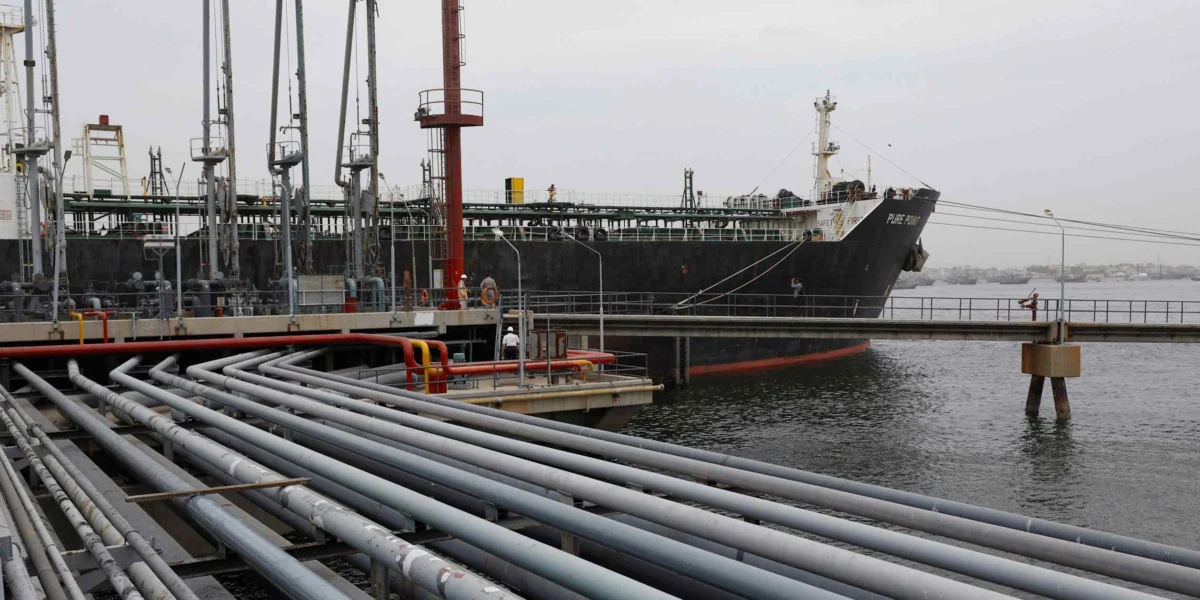
The geopolitical maelstrom enveloping the Strait of Hormuz, a critical chokepoint for global oil transit, is poised to deliver a significant jolt to Pakistan’s already precarious energy security. Government officials, speaking on condition of anonymity to Nikkei Asia, have indicated that an increasing number of oil tankers destined for Pakistani ports are expected to navigate the embattled waterway in the immediate future. This assertion comes amidst escalating tensions stemming from what are described as U.S.-Israeli attacks on Iran and Tehran’s retaliatory measures, including the potential closure of the Strait. The implications for Pakistan, a nation heavily reliant on imported crude oil to fuel its economy, are profound and far-reaching.
Escalating Tensions and Their Ripple Effects on Global Energy Flows
The Strait of Hormuz, a narrow maritime passage separating Iran from the Arabian Peninsula, is a vital artery for the global oil trade, accounting for approximately one-fifth of the world’s total oil consumption. Any disruption to its flow has immediate and significant repercussions on international energy markets, impacting prices and supply chains worldwide. In recent months, the region has witnessed a dramatic escalation in hostilities, primarily attributed to alleged Israeli strikes within Iranian territory and subsequent Iranian responses. While official confirmations remain scarce and often disputed, the frequency and intensity of these incidents have fostered an atmosphere of heightened risk.
Iran, in turn, has explicitly warned of its capacity to disrupt maritime traffic through the Strait if its interests are perceived to be under existential threat. This threat, once largely rhetorical, has gained a chilling plausibility as regional tensions intensify. The prospect of Iran closing the Strait, even temporarily, would trigger a global energy crisis, sending oil prices soaring and potentially crippling economies that depend on a steady supply of crude.
Pakistan’s Vulnerability: A Nation Reliant on Imported Energy
Pakistan’s economic landscape is intrinsically linked to its energy imports. The nation’s domestic oil production is insufficient to meet its burgeoning demand, necessitating a substantial reliance on foreign supplies. According to data from the Pakistan Bureau of Statistics, Pakistan’s total oil imports in the fiscal year 2022-23 amounted to approximately $15 billion, a significant drain on its foreign exchange reserves. The bulk of this crude oil is transported via sea, with a substantial portion transiting through the Strait of Hormuz.
The potential closure or severe disruption of this vital shipping lane presents a grave challenge for Pakistan. It could lead to:
- Soaring Import Costs: Reduced supply and increased risk premiums would inevitably drive up the price of imported crude oil, exacerbating Pakistan’s existing balance of payments crisis.
- Shortages and Rationing: A prolonged disruption could result in critical shortages of petrol, diesel, and other petroleum products, leading to widespread economic paralysis, transportation chaos, and potential social unrest.
- Impact on Industrial Production: Industries heavily reliant on energy, such as textiles, manufacturing, and agriculture, would face significant operational challenges, potentially leading to reduced output and job losses.
- Increased Inflation: Higher energy costs would translate into increased prices for a wide range of goods and services, further fueling already rampant inflation and eroding the purchasing power of citizens.
A Timeline of Growing Concern
The current situation is not a sudden development but rather a culmination of escalating geopolitical events and Pakistan’s sustained energy import strategy.
- Late 2023 – Early 2024: Reports of increased maritime incidents and heightened rhetoric surrounding the Strait of Hormuz begin to emerge, signaling a growing risk to shipping lanes.
- February 2024: Diplomatic channels and international bodies express growing concern over the potential for escalation in the Persian Gulf region.
- March 2024 (Specific to the article’s context): U.S.-Israeli attacks on Iran are reported, prompting a heightened alert from Tehran regarding its defensive capabilities and its control over strategic waterways. This directly leads to the statements from Pakistani officials regarding increased tanker traffic through the Strait.
- Present (March 21, 2026): Government officials confirm that more oil tankers are expected to transit the Strait of Hormuz in the coming days, underscoring the immediate nature of the challenge.
Supporting Data: The Shadow of Supply Chain Vulnerability
The reliance on imported crude oil is a quantifiable vulnerability for Pakistan. In January 2024, for instance, Pakistan’s oil imports stood at approximately $1.2 billion. A significant increase in the per-barrel cost of crude, which could easily occur in a conflict scenario, would disproportionately impact this figure. For example, a $10 per barrel increase on Pakistan’s average monthly import of 3 million barrels would translate to an additional $30 million in import costs per month. In a more severe disruption, where the price of Brent crude could surge to $150-$200 per barrel, the economic consequences would be catastrophic.
Furthermore, Pakistan’s foreign exchange reserves, a critical buffer against economic shocks, have been historically low. As of early 2024, reserves hovered around $8 billion, barely enough to cover a few weeks of essential imports. A significant increase in oil import bills would further deplete these reserves, potentially triggering a sovereign debt crisis.
Official Responses and Strategic Considerations
While the Nikkei Asia report cites anonymous government officials, the underlying sentiment reflects a deep-seated concern within the Pakistani administration. The government is likely engaged in several strategic considerations:
- Diplomatic Engagement: Pakistan is undoubtedly leveraging its diplomatic channels to advocate for de-escalation in the region and to urge all parties to exercise restraint. This would involve direct communication with Iran, as well as engagement with key regional and international players.
- Diversification of Supply Routes: While the Strait of Hormuz remains the most direct route, Pakistan may be exploring alternative, albeit potentially more expensive or logistically complex, supply routes. This could include overland pipelines from Central Asian countries or, in the longer term, investments in alternative energy sources.
- Strategic Reserves: The government might be considering the necessity of building up strategic petroleum reserves to cushion the impact of any short-term supply disruptions. However, this is contingent on available foreign exchange and storage infrastructure.
- Domestic Energy Production: While not a short-term solution, the situation underscores the long-term imperative for Pakistan to increase its domestic oil and gas exploration and production capabilities, thereby reducing its reliance on imports.
Broader Impact and Implications for Regional Stability
The potential disruption of oil supplies through the Strait of Hormuz extends beyond Pakistan’s immediate energy needs. It has broader implications for regional stability and the global economy:
- Economic Contagion: A significant rise in global energy prices would have a ripple effect across all economies, particularly developing nations that are already struggling with inflation and debt. This could lead to widespread economic hardship and social unrest.
- Geopolitical Realignment: Prolonged conflict or instability in the Strait could force a recalibration of regional alliances and trade routes, potentially leading to new geopolitical configurations.
- Impact on Global Trade: Beyond oil, the Strait of Hormuz is also used by container ships and other cargo vessels. Any disruption would have a cascading effect on global trade, impacting supply chains for a vast array of goods.
The coming days will be crucial in determining the immediate trajectory of oil tanker traffic through the Strait of Hormuz. Pakistan, along with other energy-importing nations, will be watching closely, acutely aware that its economic stability is precariously linked to the geopolitical currents swirling in this vital maritime passage. The situation serves as a stark reminder of the interconnectedness of global security and economic prosperity, and the profound vulnerabilities that arise from reliance on strategically sensitive energy supply routes. The decisions made by regional powers in the coming weeks will not only shape the immediate energy landscape but could also have long-lasting consequences for international relations and economic stability.