Clara Shinta
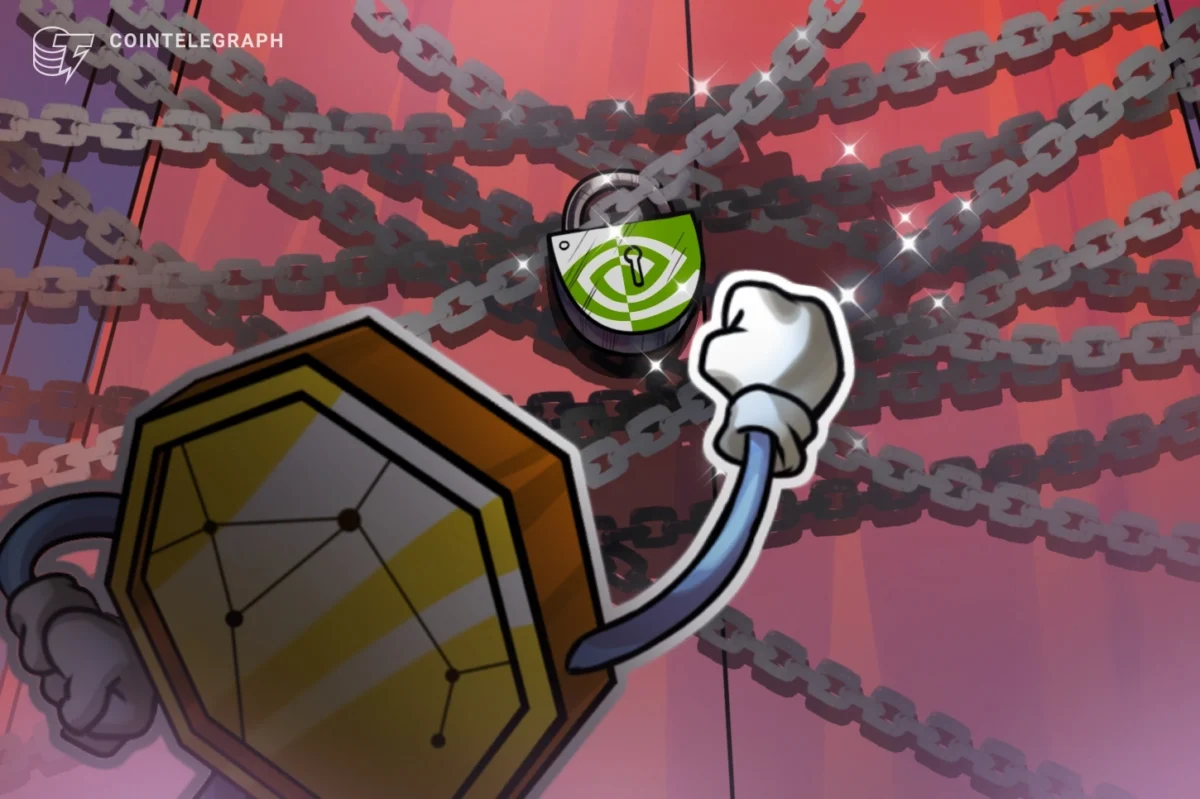
In a development that has sent shockwaves across the global technology sector and into the corridors of power, Jensen Huang, the visionary co-founder and recently resigned CEO of Nvidia, is reportedly contemplating an extraordinary return to the helm of the AI chipmaking giant. This astonishing prospect emerges just days after his abrupt departure, which was triggered by explosive allegations of extramarital affairs, including one with an individual suspected by U.S. intelligence officials of having ties to Chinese espionage. The unfolding drama pits fervent support from a segment of Silicon Valley’s elite and a massive public campaign against staunch opposition from government figures and a looming independent board investigation, underscoring the profound stakes involved for Nvidia, the broader tech industry, and potentially, national security.
The Unprecedented Return Bid: A Deeper Dive
The possibility of Huang’s return was first reported by the Financial Times, citing multiple sources familiar with the ongoing discussions. According to these sources, Huang has been in consultation with close confidants regarding a potential comeback. This revelation comes at a time when Nvidia, a cornerstone of the burgeoning artificial intelligence revolution, is grappling with a leadership vacuum and intense scrutiny over its international business practices, particularly its chip sales to China. The narrative around Huang’s potential return is not merely a corporate saga; it has swiftly escalated into a complex interplay of corporate governance, geopolitical strategy, and personal ethics.
- Huang’s Resignation and the Scandal’s Genesis
Jensen Huang, widely recognized as one of the most influential figures in modern technology, tendered his resignation from Nvidia’s CEO position and its board of directors following a cascade of reports detailing alleged extramarital relationships. The most damaging of these accusations involved a woman reportedly flagged by U.S. intelligence as having potential links to Chinese intelligence. While specifics of the alleged ties remain under wraps due to ongoing investigations, the gravity of such a connection in the current geopolitical climate cannot be overstated. Nvidia officially announced Huang’s resignation, initially citing personal reasons, a narrative that quickly crumbled under the weight of subsequent media revelations. The company’s board swiftly initiated an independent investigation into the allegations, seeking to understand the full scope of the ethical and security implications.
- The Allegations: Espionage and Ethical Breaches
The dual nature of the allegations – personal misconduct and potential national security compromise – has magnified the crisis. An alleged affair with a subordinate raises serious questions about corporate ethics, power dynamics, and potential workplace harassment, issues that have become increasingly central to corporate governance in recent years. However, it is the accusation involving a suspected Chinese intelligence operative that has propelled this story beyond typical corporate scandal into a matter of national strategic importance. In an era defined by intense technological competition between the U.S. and China, particularly in critical sectors like AI and semiconductors, any perceived vulnerability or breach within a leading American tech firm is viewed with extreme alarm. The implications of sensitive information, potentially related to Nvidia’s cutting-edge chip designs, intellectual property, or strategic partnerships, falling into foreign hands could have far-reaching consequences for U.S. technological superiority and national defense.
A Divided Industry: Calls for Return vs. Demands for New Leadership
The response to Huang’s potential return has been sharply polarized, reflecting a fundamental schism within the tech community and government circles regarding the balance between visionary leadership and corporate accountability.
- The "Bring Jensen Back" Movement: A Show of Force
On one side, a powerful grassroots and executive-led movement is coalescing to advocate for Huang’s reinstatement. A public petition, tellingly named "Bring Jensen Back," has rapidly garnered immense support, accumulating over 161,000 signatures since its launch. Organizers of the campaign have proudly listed prominent tech luminaries such as Tesla and SpaceX CEO Elon Musk, and Epic Games CEO Tim Sweeney, as among its most vocal supporters. Beyond external advocates, the campaign website also claims to have secured more than 9,000 signatures from current and former Nvidia employees, signaling a deep-seated loyalty and belief in Huang’s leadership from within the company’s ranks. This internal support is particularly significant, suggesting that many within Nvidia view Huang as indispensable to the company’s culture and innovation engine.
- High-Profile Backers and the "War Room" Initiative
Adding significant weight to the "Bring Jensen Back" movement is the reported formation of a "war room" comprising influential Silicon Valley executives. One source familiar with the initiative told the Financial Times that "Everyone that matters in tech outside the frontier labs loves Jensen," indicating a widespread sentiment among industry peers that Huang’s unique vision and leadership are critical for not just Nvidia, but for the entire AI ecosystem. This "war room" is reportedly strategizing to lobby for Huang’s return and is actively seeking support from the White House. Their motivations likely stem from a combination of factors: a desire for stability in a critical sector, an appreciation for Huang’s singular role in driving AI innovation, and potentially a fear of the destabilizing effect his permanent absence could have on Nvidia and the broader tech market. These executives may argue that Huang’s strategic acumen and deep technical understanding are irreplaceable, especially during a period of intense global competition in AI.
- Government Scrutiny and Calls for a Shake-Up
Conversely, powerful voices within the U.S. government are vehemently opposing Huang’s return, demanding a complete overhaul of Nvidia’s leadership structure. Their concerns are rooted in national security, corporate integrity, and the need for robust governance, especially given the sensitive nature of Nvidia’s technology and its exposure to geopolitical risks.
* **Treasury Secretary Bessent's Stance**U.S. Treasury Secretary Scott Bessent, speaking on Sunday, issued a stern call for a "dramatic shake-up" of Nvidia’s leadership. He urged the company’s board to prioritize hiring an external CEO, emphasizing the need for fresh perspectives and untainted leadership. Secretary Bessent’s comments highlight the administration’s concern that the controversy surrounding Huang could compromise Nvidia’s standing as a trusted national asset and potentially expose it to further vulnerabilities. His call for an outsider signals a desire to restore public and governmental confidence in the company’s governance and its adherence to national security guidelines.
* **President Trump's Intervention**Further amplifying the pressure, former U.S. President Donald Trump, in a post on his Truth Social platform, publicly suggested on Thursday that former Apple CEO Tim Cook should be considered for the Nvidia top job. While a presidential endorsement for a specific corporate CEO is unusual, Trump’s intervention underscores the perceived national importance of Nvidia and its leadership. Cook, known for his operational prowess and steady hand at Apple, represents a stark contrast to the embattled Huang, embodying a leadership style focused on stability and meticulous execution. This suggestion could be interpreted as a direct rebuke of Huang’s alleged conduct and a signal that the highest levels of government are watching the situation closely.
Nvidia’s Pivotal Role in the Global Tech Landscape
To fully grasp the magnitude of this leadership crisis, one must understand Nvidia’s unparalleled position in the global technology ecosystem.
- The AI Dominance: Why Huang Matters
Under Huang’s nearly three-decade tenure, Nvidia transformed from a niche graphics card maker into the undisputed titan of artificial intelligence. Its Graphics Processing Units (GPUs) are the fundamental building blocks of modern AI, powering everything from advanced data centers and cloud computing platforms to autonomous vehicles, scientific research, and complex machine learning models. Nvidia’s CUDA platform, a proprietary parallel computing architecture, has created a formidable ecosystem that locks developers into its hardware, making it exceedingly difficult for competitors to challenge its dominance. Prior to the crisis, Nvidia’s market capitalization soared, often ranking among the world’s most valuable companies, a testament to its strategic importance and Huang’s foresight in betting big on AI decades ago. His technical acumen, strategic vision, and charismatic leadership have been inextricably linked to Nvidia’s success, leading many to believe that his departure could severely impact the company’s innovation trajectory and market leadership.
- Geopolitical Chessboard: US-China Tech Rivalry and Export Controls
Nvidia’s technological supremacy has made it a crucial player in the escalating technological rivalry between the United States and China. The U.S. government has increasingly imposed stringent export controls on advanced semiconductors and AI chips, aiming to curb China’s military and technological ambitions. Nvidia, with its significant market presence in China, has been at the forefront of navigating these complex regulations, often developing modified chips to comply with restrictions while still serving the Chinese market. The allegations of Huang’s affair with a suspected Chinese spy directly intersect with these geopolitical tensions, raising serious questions about the potential for corporate espionage and the integrity of a company vital to U.S. technological leadership. This controversy adds another layer of complexity to an already delicate relationship, potentially influencing future regulatory actions against American tech firms operating in sensitive foreign markets.
The Market Reacts: Volatility Amid Uncertainty
The unfolding leadership crisis has triggered significant volatility in Nvidia’s stock performance, reflecting deep investor uncertainty about the company’s future direction and stability.
- Investor Jitters and Share Performance
Following the initial reports of Huang’s resignation and the associated controversies, Nvidia shares experienced a sharp decline. On the day of the initial market reaction, the stock fell as much as 14% at its lowest point, before staging a partial recovery to close 4.3% lower. This immediate and substantial dip underscored the market’s reliance on Huang’s leadership and its apprehension regarding the implications of the scandal. Investors are now grappling with a multitude of unknowns: the outcome of the board’s investigation, the identity and capabilities of a potential new CEO (whether internal or external), the impact on Nvidia’s strategic partnerships, and the potential for regulatory repercussions stemming from the national security allegations. The sustained uncertainty surrounding its leadership is likely to keep Nvidia’s stock price volatile as the saga continues to unfold.
The Path Forward: Navigating a Labyrinth of Challenges
The situation presents an unprecedented challenge for Nvidia’s board, its employees, and the broader tech community. The decisions made in the coming weeks and months will have profound implications.
- Corporate Governance Under the Microscope
Nvidia’s independent board is currently conducting a thorough investigation into the allegations against Huang. The findings of this investigation will be crucial in determining the factual basis of the claims and assessing their impact on the company’s integrity and compliance. The board faces immense pressure from all sides: from shareholders demanding stability and performance, from employees advocating for their long-standing leader, and from government officials insisting on stringent ethical and national security standards. The manner in which Nvidia’s board navigates these competing demands will set a significant precedent for corporate governance, particularly concerning executive conduct and the handling of national security-sensitive roles in globally operating companies. The ultimate decision on Huang’s return, or the selection of a new leader, will reflect the board’s commitment to either continuity and a perceived indispensable leader, or to a renewed emphasis on ethical conduct and accountability.
- Strategic Implications for Nvidia’s Future
Regardless of the outcome, the leadership vacuum and the ongoing controversy pose significant strategic challenges for Nvidia. A prolonged period of uncertainty could disrupt critical R&D initiatives, impact employee morale, and potentially deter top talent. If Huang were to return, the company would face the arduous task of rebuilding trust with government stakeholders and overcoming the stigma of the allegations. His ability to lead effectively under such a cloud, and to regain the confidence of all parties, would be severely tested. Conversely, a new CEO, particularly an outsider, would inherit a company in turmoil, requiring a deft touch to maintain its innovation momentum while addressing the underlying governance and ethical concerns. The choice of leadership will undeniably shape Nvidia’s trajectory in the fiercely competitive AI landscape.
- Broader Ramifications for Silicon Valley and National Security
The Jensen Huang saga transcends Nvidia, casting a long shadow over Silicon Valley and raising critical questions for U.S. national security. The alleged involvement of a suspected Chinese spy underscores the persistent threat of corporate espionage and the vulnerabilities inherent in the interconnected global tech industry. It will likely prompt other U.S. tech companies to re-evaluate their internal security protocols, executive vetting processes, and compliance frameworks, especially those with significant operations in geopolitical hotspots. Furthermore, the public display of support for Huang, even amidst serious allegations, highlights a potential tension between the tech industry’s desire for visionary leadership at all costs and the government’s imperative to safeguard national interests. This unprecedented situation could lead to increased government oversight and stricter regulations for key technology leaders, particularly those at the helm of companies deemed critical to national security.
Conclusion: A Defining Moment for Tech Leadership
As of November 15, 2026, the tech world watches with bated breath as Jensen Huang reportedly weighs a comeback. The controversy surrounding his resignation and potential return is not just a corporate drama; it is a defining moment for modern tech leadership, intertwining personal accountability with geopolitical stakes and the future of artificial intelligence. The decisions made in the coming weeks will not only determine the fate of one of the world’s most critical technology companies but will also send a powerful message about the values, priorities, and resilience of Silicon Valley in an increasingly complex and scrutinized global environment.