Ena Muazin
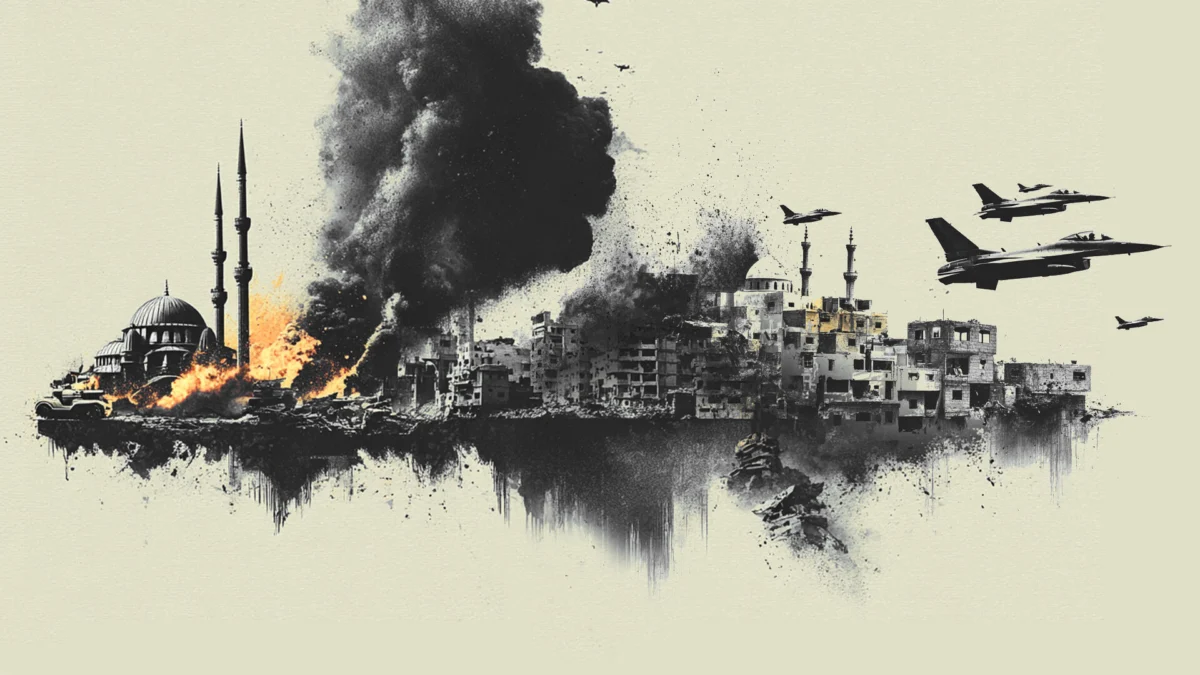
In a dramatic escalation of regional tensions, Israel launched a significant military operation on Wednesday, targeting the South Pars gas field, the world’s largest natural gas reserve, located off the coast of Iran. This audacious strike, believed to be a retaliatory measure, immediately triggered a series of retaliatory attacks by Iran against multiple targets across the Persian Gulf. Among the most severely impacted was Qatar’s vital liquefied natural gas (LNG) facility at Ras Laffan, which sustained extensive damage that its operator, Qatar Energy, estimates will require several years for comprehensive repair. The events of Wednesday mark a perilous new chapter in the ongoing proxy conflicts and direct confrontations that have destabilized the Middle East, with potentially far-reaching consequences for global energy markets and international security.
Genesis of the Conflict: A Deepening Shadow War
The assault on the South Pars gas field, a cornerstone of Iran’s energy infrastructure and a critical component of its economy, represents a significant departure from the clandestine operations that have characterized the shadow war between Iran and Israel. While both nations have a history of engaging in cyber warfare, sabotage, and supporting proxy groups, direct military strikes on such strategically vital energy assets are unprecedented. The South Pars field, shared with Qatar and known as the North Dome field on the Qatari side, is a colossal underwater gas condensate field located in the Persian Gulf. It is estimated to hold approximately 14 trillion cubic meters of proven natural gas reserves, making it a crucial global supplier and a significant revenue generator for Iran. The targeting of this field signals a deliberate attempt by Israel to inflict maximum economic and strategic damage on its adversary.
The immediate trigger for Israel’s retaliatory action remains officially unconfirmed, however, intelligence assessments and regional analysts point to a series of escalating provocations. These likely include Iran’s ongoing support for militant groups that have targeted Israeli interests, recent missile and drone attacks attributed to Iran-backed militias on Israeli soil, and the perceived threat posed by Iran’s advancing nuclear program. Israel has consistently vowed to prevent Iran from acquiring nuclear weapons and has demonstrated a willingness to take preemptive measures to achieve this objective. The strike on South Pars could be interpreted as a forceful demonstration of this resolve, coupled with a desire to disrupt Iran’s ability to fund its regional activities.
The Blow-by-Blow: A Night of Escalation
The initial Israeli strike on the South Pars gas field occurred in the early hours of Wednesday. Details of the operation remain sparse, with official statements from both Israel and Iran offering limited specifics. However, reports suggest a multi-pronged assault utilizing advanced aerial capabilities. The objective, analysts believe, was to cripple key processing facilities and export terminals associated with the gas field, thereby significantly impacting Iran’s production and export capacity.
Within hours of the Israeli strike, Iran launched its own wave of retaliatory attacks. These strikes were not confined to the South Pars field but extended to multiple strategic locations across the Persian Gulf. The primary targets appear to have been energy infrastructure, reflecting a clear intent to inflict reciprocal damage and to demonstrate Iran’s capacity to retaliate effectively.
The most significant of these retaliatory strikes hit Qatar’s Ras Laffan Industrial City. Ras Laffan is a massive hub for Qatar’s LNG production and export, hosting numerous liquefaction plants and export terminals. It is a linchpin in the global LNG supply chain, supplying energy to major consumers across Asia and Europe. The attack on Ras Laffan is particularly consequential, as it directly impacts a nation that, while having a complex relationship with Iran, is a crucial energy partner for many Western countries.
Quantifying the Damage: A Blow to Global Energy Security
The damage sustained by Qatar’s Ras Laffan LNG facility is reported to be severe. Qatar Energy, the state-owned energy company, released a statement confirming "significant and extensive damage" to several key operational units. The precise nature of the damage is still being assessed, but preliminary reports indicate that critical processing equipment, storage facilities, and export infrastructure have been compromised.
The long-term implications of these repairs are profound. Qatar Energy’s estimate of "several years" for full restoration underscores the magnitude of the attack. This protracted downtime will inevitably lead to a substantial reduction in Qatar’s LNG export capacity, creating a ripple effect across the global energy market. For nations heavily reliant on Qatari LNG, particularly in Europe, which has sought to diversify its energy sources away from Russian gas, this disruption presents a significant challenge.
Moreover, the attack on the South Pars field, if indeed crippled as intended, will similarly curtail Iran’s gas production and export. This dual blow to two of the world’s most significant gas-producing regions will tighten global supply and likely drive up energy prices. The International Energy Agency (IEA) has already warned of potential price volatility in the wake of such geopolitical events, and this incident is poised to validate those concerns. The South Pars field, in particular, is crucial for Iran’s domestic energy needs and its export revenues, with its development being a national priority. Disruptions here could lead to energy shortages within Iran itself, further exacerbating domestic challenges.
Reactions and Diplomatic Fallout: A Tipping Point?
Official reactions to the escalating crisis have been swift and, predictably, deeply divided.
Israel’s Stance: While not officially confirming responsibility for the South Pars attack, Israeli officials have issued strong statements regarding their commitment to national security and their determination to counter Iranian aggression. Prime Minister Benjamin Netanyahu’s office reiterated that "Israel will not stand idly by while its citizens are threatened" and that "all necessary measures will be taken to protect our sovereignty." The phrasing suggests a proactive defensive posture, framing the strikes as a necessary response to ongoing threats.
Iran’s Retaliation: Iran’s Islamic Revolutionary Guard Corps (IRGC) has claimed responsibility for the retaliatory strikes, including those targeting Ras Laffan. A spokesperson for the IRGC stated that the attacks were a "measured response" to Israeli aggression and a warning against further provocations. The rhetoric from Tehran emphasizes a commitment to defending its national interests and retaliating against perceived attacks on its sovereignty and economic assets.
Qatar’s Dilemma: Qatar, as the victim of the most significant retaliatory strike, finds itself in a precarious position. The nation maintains diplomatic ties with Iran but also hosts a significant US military base and is a key energy supplier to the West. The Qatari Ministry of Foreign Affairs issued a statement expressing deep concern over the escalating hostilities and condemning any attacks on civilian infrastructure. The statement called for "immediate de-escalation" and urged all parties to exercise "maximum restraint." Qatar’s priority will be to assess the damage, secure its energy infrastructure, and navigate the complex geopolitical landscape without further exacerbating the situation.
International Community’s Response: The United Nations Security Council is expected to convene an emergency session to discuss the unfolding crisis. Leading global powers, including the United States, European Union member states, and China, have issued calls for calm and urged all parties to adhere to international law. The US State Department condemned the attacks on energy infrastructure and warned of the potential for wider regional conflict. European nations, already grappling with energy security concerns, have expressed alarm at the disruption to global gas supplies and the potential for surging energy prices. China, a major importer of Iranian oil and gas, has also called for restraint and a peaceful resolution.
Analysis of Implications: A World on Edge
The ramifications of Wednesday’s events extend far beyond the immediate damage to energy infrastructure. This series of strikes represents a dangerous escalation with the potential to trigger a wider regional conflict.
Global Energy Market Instability: The most immediate and tangible impact will be on global energy markets. With two major gas-producing regions under direct attack, supply disruptions are inevitable. This will likely lead to significant price increases for natural gas and potentially crude oil, exacerbating inflationary pressures worldwide. Nations that have been striving to secure stable energy supplies, particularly in the wake of the war in Ukraine, will face renewed uncertainty and economic challenges. The long repair times for Ras Laffan mean that these supply constraints could persist for years, impacting long-term energy strategies.
Geopolitical Realignment: The conflict could force a recalibration of geopolitical alliances in the region. Qatar’s position, caught between its relationship with Iran and its strategic partnerships with Western nations, will be particularly scrutinized. The attacks may also embolden other regional actors to take more assertive stances, further fragmenting an already volatile geopolitical landscape.
Risk of Wider Conflict: The most concerning implication is the increased risk of a full-blown regional war. The cycle of retaliation and counter-retaliation, if not halted, could draw in other regional powers and potentially lead to direct confrontations between major global players who have vested interests in the region’s stability. The targeting of energy infrastructure, a critical global commodity, raises the stakes considerably, as any disruption has immediate and far-reaching economic consequences for numerous nations.
Humanitarian Concerns: Beyond the economic and geopolitical dimensions, there are also humanitarian concerns. Any military conflict in the densely populated Persian Gulf region could have devastating humanitarian consequences. Furthermore, disruptions to energy supplies could impact essential services and livelihoods for millions.
The events of Wednesday have undeniably pushed the Middle East to a perilous tipping point. The world watches with bated breath as diplomatic efforts scramble to contain the fallout and prevent a further descent into chaos. The long-term consequences of these strikes will likely shape regional dynamics and global energy security for years to come.