Farhan Pambudi
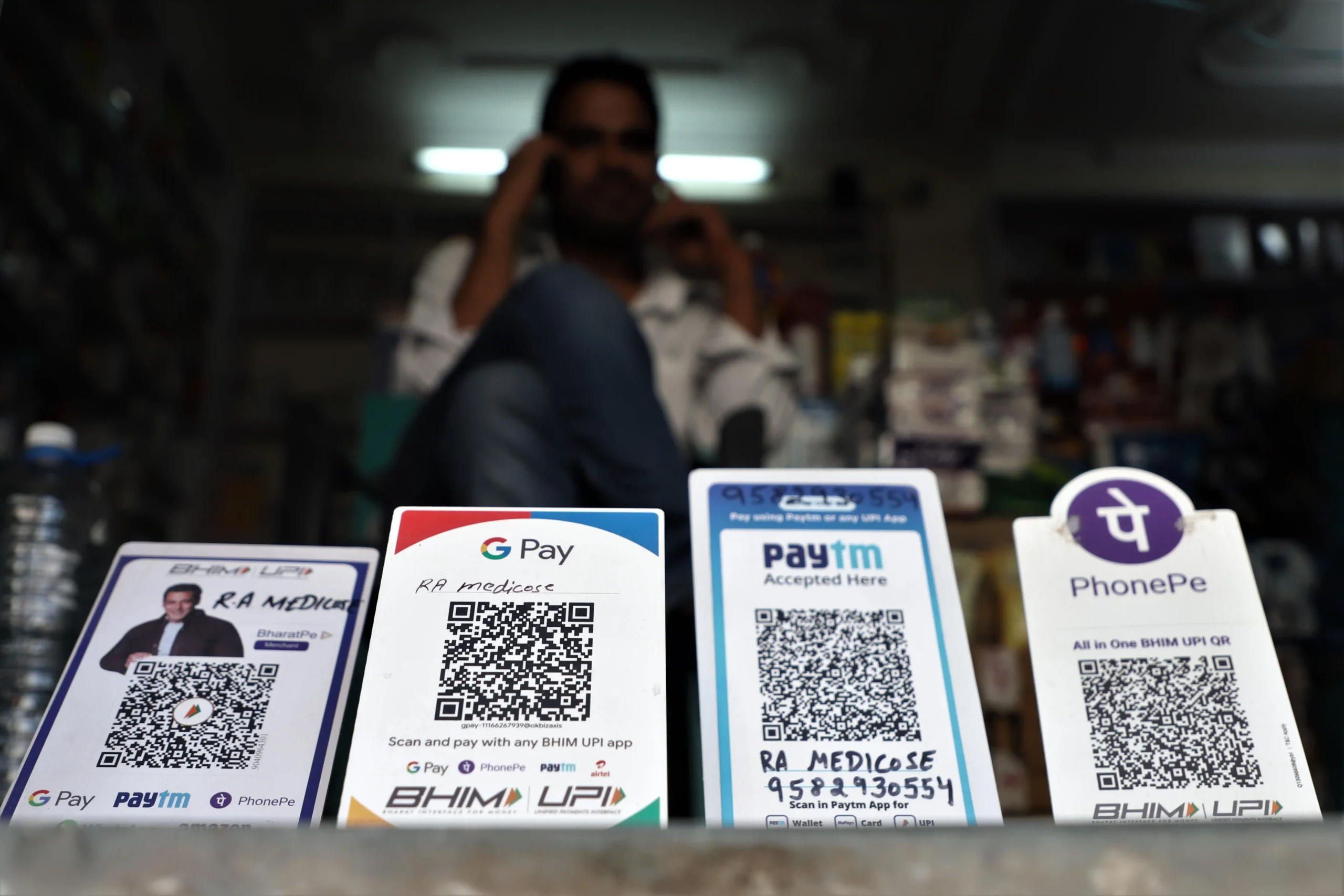
The National Payments Corporation of India (NPCI) has officially announced a delay in the implementation of a 0.4% merchant fee on high-value transactions conducted via the Unified Payments Interface (UPI). Initially scheduled to take effect on October 15, the new fee structure aimed to monetize the nation’s most popular digital payment system, which has remained largely free for users and merchants for years. The postponement follows a wave of organized protests from retail associations and petrol pump operators, coupled with the government’s desire to maintain consumer spending momentum during the high-stakes Diwali festive season.
While the NPCI cited the upcoming holidays as the primary driver for the delay, the decision highlights the complex balancing act between sustaining a multi-billion dollar digital infrastructure and ensuring the continued adoption of cashless payments in a price-sensitive market. The proposed fee, which would apply to eligible merchant transactions exceeding ₹2,000 (approximately $21), represents a significant shift in India’s digital economy policy.
The Mechanics of the Proposed UPI Merchant Fee
The proposed fee structure was designed to address the long-standing grievance of banks and payment service providers (PSPs) regarding the lack of a sustainable revenue model for UPI. Under the plan announced last month, a Merchant Discount Rate (MDR) of 0.4% would be levied on transactions above the ₹2,000 threshold. To protect the interests of smaller businesses, the NPCI included several safeguards:
- Transaction Threshold: Only transactions above ₹2,000 would attract the fee.
- Merchant Cap: Small-scale merchants receiving less than ₹100,000 (roughly $1,033) per month through the UPI network would remain exempt from the charges.
- Maximum Ceiling: The fee for any single large-value transaction would be capped at ₹300 (approximately $3), ensuring that high-ticket purchases do not become prohibitively expensive for retailers.
The revenue generated from these fees was intended to be distributed among the various participants in the UPI ecosystem. This includes the acquiring banks, the technical service providers, and the app providers like PhonePe and Google Pay, who currently dominate the market share. The funds are earmarked for critical infrastructure upgrades, server capacity expansion, cybersecurity enhancements, and advanced fraud prevention mechanisms.
A Chronology of UPI’s Evolution and the Zero-MDR Policy
To understand the weight of this postponement, it is essential to look at the timeline of UPI’s development. Launched in 2016 by the NPCI under the guidance of the Reserve Bank of India (RBI), UPI was designed to simplify peer-to-peer (P2P) and peer-to-merchant (P2M) transactions.
In its early years, banks were permitted to charge a small fee for digital transactions. However, in January 2020, the Indian government mandated a "Zero-MDR" policy for UPI and RuPay transactions. This move was a strategic pillar of the "Digital India" initiative, aimed at dismantling the dominance of cash in the economy following the 2016 demonetization exercise. By making digital payments free for merchants, the government removed the primary barrier to entry for millions of small shopkeepers (kirana stores).
Between 2020 and 2024, UPI growth exploded. What began as a convenient tool for urban tech-savvy users evolved into the backbone of India’s financial system. However, this growth came at a cost. The government has had to provide annual subsidies—often totaling thousands of crores of rupees—to banks to compensate them for the lack of MDR. The proposed 0.4% fee was the first major step toward making the ecosystem self-sustaining.
Data and Statistics: The Scale of the UPI Network
The sheer volume of transactions handled by UPI makes any change to its fee structure a matter of national economic significance. According to the latest data released by the NPCI, the network processed 24.07 billion transactions in September alone. The total value of these transactions reached a staggering ₹29.37 trillion (approximately $305 billion).
The operational costs associated with this volume are immense. Industry estimates cited by the NPCI suggest that the annual cost of maintaining the UPI infrastructure is approximately ₹200 billion (around $2.1 billion). This includes:
- Server and Cloud Infrastructure: Maintaining 99.9% uptime for a system that processes thousands of transactions per second.
- Technical Support: Integrating thousands of banks and third-party application providers.
- Security and Compliance: Real-time monitoring for fraudulent activity and ensuring data privacy for hundreds of millions of users.
Banks have argued that the government subsidies, while helpful, do not fully cover the capital expenditure required to keep pace with the 40-50% year-on-year growth in transaction volume.
Stakeholder Reactions and Merchant Pushback
The announcement of the 0.4% fee in September triggered immediate and vocal opposition from various trade bodies. The All India Mobile Retailers Association (AIMRA) and several petrol pump owner associations led the charge, arguing that the fee would eat into their already thin profit margins.
Retailers expressed concerns that while the fee is technically a "merchant fee," the cost would inevitably be passed down to the consumer or result in merchants discouraging UPI use for high-value items like smartphones or jewelry. In the petroleum sector, where margins are tightly regulated, operators warned that a 0.4% charge could make certain transactions unprofitable, leading some to threaten a total boycott of UPI payments starting October 15.
"The festive season is when we see our highest turnover," stated a representative from a regional retail collective. "Introducing a new cost during Diwali would have forced us to either absorb the loss or risk alienating customers by asking for cash or credit card surcharges. The delay is a necessary reprieve."
The Market Dominance Factor: Google Pay and PhonePe
The debate over merchant fees also intersects with concerns regarding market concentration. Currently, two entities—Walmart-owned PhonePe and Alphabet’s Google Pay—process more than 80% of all UPI transactions. Both companies have invested billions of dollars in customer acquisition but have struggled to find a path to profitability due to the zero-fee mandate.
While these fintech giants would benefit from the introduction of merchant fees, there are concerns that a fee-based model might further entrench their dominance. Smaller fintech startups have long argued that without a revenue stream like MDR, only companies with massive venture capital backing can afford to operate in the UPI space. Conversely, critics of the fee argue that if UPI becomes expensive, it loses its competitive edge over traditional banking methods or emerging private payment rails.
International Expansion and the Global Image of UPI
The NPCI’s international arm, NPCI International Payments Limited (NIPL), has been aggressively promoting UPI as a global standard for real-time payments. The network is already operational or in the process of being deployed in countries such as Singapore, the United Arab Emirates, France, Nepal, and Sri Lanka.
For India, UPI is not just a payment tool but a diplomatic and soft-power asset. The government is keen to showcase it as a "public good" that is efficient and cost-effective. Implementing a merchant fee domestically requires careful messaging to ensure it does not undermine the narrative of UPI as a low-cost alternative to global giants like Visa and Mastercard, which typically charge MDRs ranging from 1% to 3%.
Implications and Future Outlook
The postponement of the fee until "after Diwali" leaves the exact future of UPI monetization in a state of flux. While the NPCI has not provided a new definitive date, industry analysts expect the rollout to occur in early 2025, after the peak consumption period has subsided.
The delay provides the NPCI and the Ministry of Finance additional time to refine the implementation strategy. Potential adjustments could include:
- Tiered Pricing: Implementing a more granular fee structure based on the type of merchant or industry.
- Higher Thresholds: Increasing the ₹2,000 limit to further insulate middle-class consumers and mid-sized retailers.
- Enhanced Subsidies: The government may choose to increase its budgetary allocation for UPI incentives to further delay the need for merchant fees.
The fundamental challenge remains: how to transition a "free" public utility into a commercialized infrastructure without breaking the habit of digital payments that has taken a decade to build. As India moves toward a $5 trillion economy, the stability and scalability of its digital payment backbone will be paramount. For now, merchants and shoppers can breathe a sigh of relief as they head into the year’s busiest shopping season without the burden of additional transaction costs. However, the conversation regarding who pays for the "free" ride on the UPI network is far from over.