Putri Inara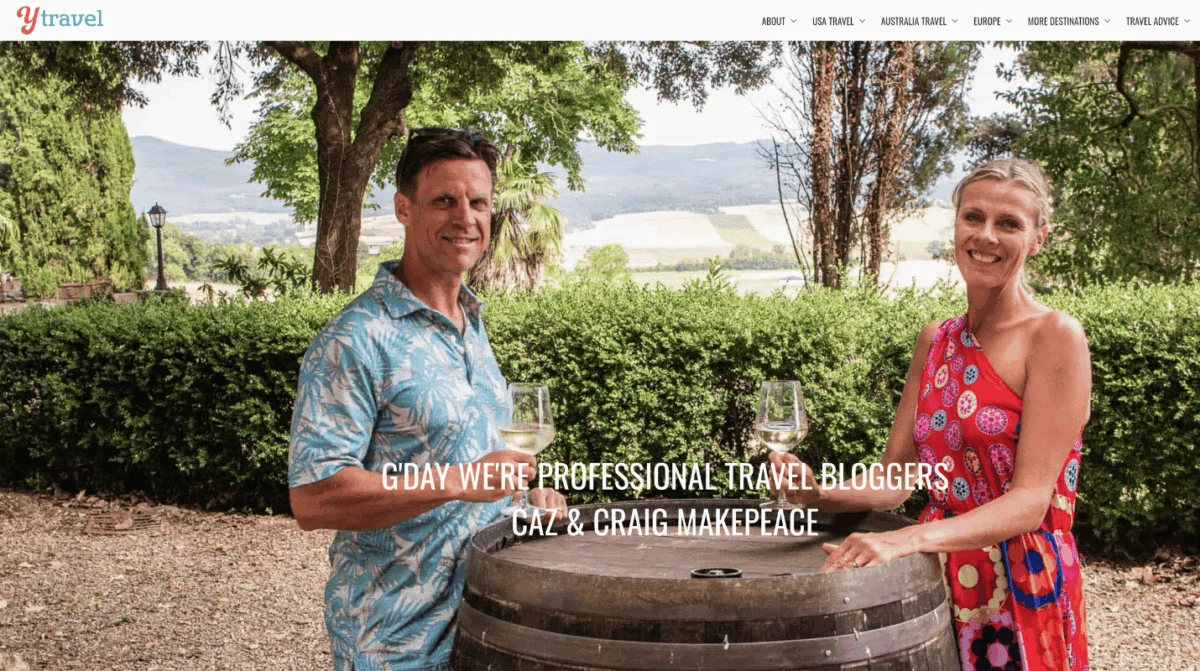
The global digital landscape has witnessed an unprecedented surge in content production, with current estimates from the Content Marketing Institute indicating that over 70 million new blog posts are published each month on the WordPress platform alone. In this saturated market, technical proficiency—encompassing search engine optimization (SEO), structured formatting, and software mastery—has become a baseline requirement rather than a competitive advantage. Industry analysts observe that a significant percentage of technically sound blogs fail to achieve meaningful audience retention due to a lack of "brand personality," a qualitative factor that differentiates a transient information source from a community-driven platform. Personalization has transitioned from a stylistic choice to a strategic necessity for digital entrepreneurs seeking to establish authority and trust in the contemporary "Attention Economy."
The Evolution of the Digital Narrative: From Information to Connection
The history of blogging has undergone three distinct phases. The "Pioneer Era" (1994–2004) was defined by online journals and personal diaries with limited commercial intent. This was followed by the "Professionalization Era" (2005–2015), where the focus shifted toward monetization, keyword density, and corporate-style content hubs. The current "Authenticity Era," which began around 2016, prioritizes the "Human-to-Human" (H2H) marketing model. Data from Sprout Social reveals that 64% of consumers want brands to connect with them, and personalizing a blog is the primary mechanism for achieving this connection in the creator economy.
To understand how personalization functions at the highest levels of digital publishing, it is necessary to examine the methodologies employed by industry leaders who have successfully converted personal traits into scalable business assets.
Visual Storytelling and High-Fidelity Imagery
In the travel and lifestyle sectors, visual personalization serves as the primary hook for reader engagement. Caz and Craig of YTravel illustrate a critical shift in content strategy: the move from stock photography to high-fidelity, candid personal imagery. According to research by Skyword, content including relevant images receives an average of 94% more views than content without.
For YTravel, personalization is achieved by integrating family dynamics into professional travel guides. This approach serves two functions: it validates the "family travel" niche through social proof and lowers the barrier of intimidation for readers. Journalistic analysis suggests that the success of such blogs is rooted in "vicarious participation," where the reader does not just consume data about a destination but experiences the narrative through the eyes of a relatable family unit.

The Role of Humor and Relatability in Professional Authority
Pat Flynn of Smart Passive Income has redefined the "Business Expert" persona by integrating self-deprecating humor and pop-culture references into highly technical financial content. By identifying as a "protector of Baby Yoda" alongside his credentials as a "serial entrepreneur," Flynn utilizes a psychological technique known as the "Pratfall Effect." This phenomenon suggests that the perceived attractiveness and relatability of a high-performing individual increase when they exhibit a minor flaw or a quirky human interest.
In a professional context, this level of personalization mitigates the "expert-layman" divide. Data suggests that 86% of consumers say authenticity is a key factor when deciding which brands to support. Flynn’s strategy demonstrates that professional authority is not diluted by personality; rather, it is reinforced by the trust that personality builds.
Polarization as a Strategy for Audience Filtration
The case of Shannon Kelly White presents a more radical approach to personalization: the use of strong, unfiltered language to define a brand’s boundaries. While conventional professional wisdom often advises neutrality to avoid alienating potential readers, White utilizes a "polarization strategy."

By maintaining a consistent, salty tone throughout her navigation menus and taglines, White performs an automated filtration of her audience. This results in a highly loyal, high-engagement "tribe" of readers who share her sensibilities, while simultaneously repelling individuals who would likely not convert into long-term followers or customers. From a marketing perspective, this reduces "churn" and increases the lifetime value of the remaining audience.
Visual Identity Through Custom Illustrations and Avatars
Ramsey of Blog Tyrant utilizes custom illustrations to maintain a consistent presence without relying solely on photography. The "red-shirted blogging superhero" avatar functions as a brand mascot, providing a recognizable visual anchor across various media, including lead magnets and header images.
The use of an avatar allows for a unique form of personalization that is both scalable and flexible. It creates a "character" for the blog, which cognitive psychologists argue is easier for the human brain to remember than a standard logo. This strategy is particularly effective for bloggers who wish to maintain a degree of personal privacy while still building a person-centric brand.

The Strategic Importance of the ‘About’ Page
Elsie and Emma of A Beautiful Mess demonstrate the tactical use of the "About" page to humanize a large-scale lifestyle brand. Heatmap studies frequently show that the "About" page is the second or third most visited page on any given website. The sisters utilize this space to provide a "quick glimpse" into their lives, combining bold photography with catchy, high-energy introductions.
This personalization serves as a "virtual handshake." For new visitors who land on a specific tutorial or blog post via search engines, the "About" page acts as the conversion point where a random visitor becomes a follower of the creators themselves, rather than just a consumer of a single piece of information.
Omnichannel Branding and Cross-Platform Consistency
Chris Ducker’s approach to personalization focuses on the "Rule of Seven," a marketing principle suggesting that a prospect needs to see a brand at least seven times before taking action. Ducker maintains a strict consistency in his visual branding—using identical, high-quality headshots across his blog, Twitter, Facebook, and LinkedIn profiles.

This professional-grade consistency ensures that the brand personality is not fragmented. In the digital age, a reader’s journey often spans multiple platforms; Ducker’s strategy ensures that the "personality" remains the same regardless of the touchpoint, thereby accelerating the development of the "Know, Like, and Trust" factor.
Psychological Impact of Color Coordination
Jadah Sellner utilizes color psychology to create an immersive brand experience. By aligning her wardrobe in professional photos with the warm, earthy palette of her website, Sellner creates a "seamless" aesthetic. Color increases brand recognition by up to 80%, according to studies by the University of Loyola, Maryland.
Sellner’s personalization is subtle yet profound; it communicates a sense of order, intentionality, and warmth. This "visual harmony" reduces the cognitive load on the visitor, making the site more pleasant to navigate and the creator more approachable.

Brand Statements and Audience Identification
James Schramko of SuperFastBusiness utilizes a direct brand statement to personalize the user experience by immediately identifying the target demographic. By stating exactly who his services are for, Schramko creates an immediate "identity match" for the visitor.
This is a form of "reverse personalization," where the blogger personalizes the content for the reader’s specific needs. When a visitor sees their own challenges or goals reflected in a brand statement, the perceived relevance of the blog increases exponentially.
Streamlining Conversion Through Direct Calls to Action
Kelly Exeter emphasizes the intersection of personality and utility. Her strategy involves a concise tagline that explains her role and her target audience, followed by a direct "Find Out Here" call to action.

Exeter’s approach rejects the "complicated email auto-responder" model in favor of immediate transparency. This personalizes the brand as one that respects the reader’s time and provides direct solutions, a trait that is highly valued in the fast-paced digital environment.
Defining the Reader: The Multipotentialite Concept
Emily Wapnick of Puttylike offers perhaps the most sophisticated form of personalization by creating a new identity for her readers: the "Multipotentialite." By defining a personality type that her readers can adopt, she transforms her blog into a movement.
The use of a quiz as a lead magnet ("Are You a Multipotentialite?") is a masterclass in interactive personalization. It shifts the focus from the blogger to the reader, allowing the visitor to discover something about themselves through the blogger’s framework. This creates a deep, psychological bond between the audience and the platform.

Analytical Implications and Future Trends
The collective data from these ten examples suggests that the future of digital publishing lies in "Aggressive Authenticity." As generative AI continues to flood the internet with technically perfect but personality-devoid content, the "Human Premium" will rise. Blogs that successfully integrate these personalization techniques are likely to see higher engagement rates, lower bounce rates, and more resilient monetization models.
The broader implication for the digital economy is a shift away from "anonymous authority" toward "curated transparency." The most successful bloggers of the next decade will not be those with the best SEO alone, but those who can most effectively translate their unique human traits into a digital format that resonates with a specific, well-defined audience. Personalization is no longer an "extra" feature; it is the core engine of digital growth in an increasingly crowded marketplace.