Putri Inara
The psychological driver behind digital subscriptions is rooted in the promise of future value, a concept that necessitates a strategic approach to content presentation and audience engagement. In the competitive landscape of digital publishing, readers do not merely subscribe to a platform based on a single interaction; rather, they commit to a long-term relationship when they perceive that the creator will continue to enhance their lives or professional capabilities in the coming months and years. This sense of anticipation is rarely accidental; it is the result of intentional architectural choices within a blog or website designed to showcase authority and consistency.
The Strategic Importance of Future-Oriented Content
At its core, a subscription is an investment of attention. To secure this investment, a blogger must bridge the gap between what has been created and what is yet to be produced. The most effective method for establishing this trust is through the strategic highlighting of past and current high-quality content. By demonstrating a track record of excellence, publishers provide the necessary evidence for readers to extrapolate future performance. This "proof of concept" serves as the primary advertisement for a continued relationship, transforming a casual visitor into a loyal subscriber.
The logic follows a simple trajectory: if a reader finds a specific post helpful, entertaining, or informative, they naturally look for more. If the platform makes it easy to find similar high-quality material, the reader’s confidence in the brand increases. Consequently, the act of clicking an RSS feed icon or signing up for an email newsletter becomes a rational response to the expectation of future utility.
A Chronology of Content Curation in Professional Blogging
The evolution of blog architecture has shifted from a strictly reverse-chronological format to a more curated, evergreen discovery model. In the early 2000s, blogs were primarily digital journals where the newest content was the only focus. However, as the medium matured into a professional industry, the "archive problem" became apparent—valuable content was being buried under newer, sometimes less relevant, posts.

By 2007 and 2008, industry leaders began implementing "Sneeze Pages" and "Best of" sections to combat this decay. This period marked a significant shift in how digital authority was constructed. Instead of relying on the "latest" post to drive subscriptions, savvy publishers began building "content hubs" that redirected traffic to their most impactful work. This historical shift allowed blogs to function more like comprehensive libraries and less like ephemeral news tickers, a trend that continues to dominate modern SEO and user experience (UX) design today.
Technical Strategies for Highlighting Authority
To effectively build anticipation, publishers utilize several architectural techniques that serve to resurface their most compelling work. These methods are designed to capture the attention of first-time visitors, who are statistically the most likely to convert into new subscribers if presented with the right incentives.
The Implementation of Sneeze Pages
A "Sneeze Page" is a curated landing page that organizes a blog’s best content by theme or popularity. Unlike a standard archive page, which lists posts by date, a Sneeze Page acts as a thematic guide. By directing readers to these pages, publishers can "propel" them deeper into the site’s ecosystem. Data suggests that subscription rates from these pages are significantly higher than from standard blog posts because they immediately establish the author’s depth of knowledge and comprehensive coverage of a specific niche.
The "Best of" Sidebar and Heat Map Analysis
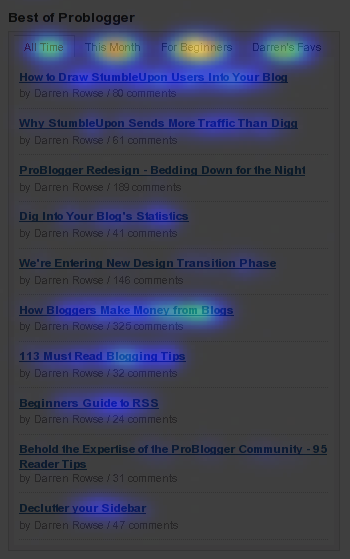
Utilizing the sidebar or the homepage to feature a "Best of" section remains a cornerstone of high-conversion blog design. Tools like CrazyEgg, which generate heat maps of user clicks, have historically shown that these sections are among the most engaged-with areas of a website. When a visitor sees a list of popular, high-value articles, it triggers a "social proof" response—if thousands of others found this content valuable, the visitor assumes the future content will be equally essential.
Targeted Landing Pages and Referral Sensing
Modern blogging often involves the use of plugins that detect a visitor’s origin. For instance, if a user arrives via a search engine looking for "digital photography tips," a targeted landing site can display a customized greeting or a list of the site’s most authoritative posts on that specific topic. This creates an immediate sense of relevance, suggesting to the user that the blog is a definitive source of information, thereby increasing the likelihood of a subscription.

The Spiderweb Effect of Interlinking
Internal linking is not merely an SEO tactic; it is a vital component of building anticipation. By regularly linking to previous high-quality posts within new content, publishers create a "spiderweb" of value. Each link serves as a pathway to further proof of expertise. The more pages a visitor views that they find useful, the more convinced they become that the creator’s future output is worth monitoring.
Supporting Data and User Behavior Analysis
Market research in the field of digital marketing consistently highlights the "Rule of Seven," which suggests that a prospect needs to see a brand’s message at least seven times before they take action. In the context of blogging, this translates to multiple exposures to high-quality content.
Internal data from prominent blogging platforms indicates that:
- Retention Rates: Visitors who view more than three pages during their first visit are 40% more likely to subscribe than those who view only one.
- Click-Through Rates (CTR): "Best of" sections in the sidebar typically see a 5% to 15% higher CTR compared to standard category links.
- Conversion Optimization: Landing pages that curate content based on user intent see a 20% increase in newsletter sign-ups compared to generic homepages.
These statistics underscore the necessity of moving beyond the "post and forget" mentality. The data proves that the archive is not just a graveyard of old ideas, but a powerful engine for growth when managed correctly.
Industry Reactions and Expert Perspectives
The shift toward anticipation-based marketing has drawn significant praise from SEO specialists and digital strategists. Many experts argue that the "anticipation economy" is the next frontier of content creation. By focusing on the future value of the brand, bloggers can insulate themselves against algorithm changes that might temporarily affect search rankings.
"The goal of a professional blog is no longer just to get a click," notes one digital media analyst. "The goal is to own the audience’s attention. You do that by proving your worth through your archives and promising even better things to come. If a reader feels they might miss something important if they don’t subscribe, you’ve won."
Furthermore, UX designers emphasize that clear content hierarchy—such as the "Sneeze Pages" mentioned earlier—reduces cognitive load for the user. When a site is easy to navigate and its best work is prominently displayed, it builds a sense of professional reliability that is essential for long-term subscriber retention.
Broader Impact and Future Implications
The principles of creating anticipation are currently expanding beyond traditional blogging into the realms of social media and video platforms. The "thread" culture on X (formerly Twitter) and the "series" format on TikTok and YouTube are direct descendants of the blog-based anticipation strategies pioneered in the late 2000s.
As Artificial Intelligence (AI) begins to play a larger role in content discovery, the importance of human-curated "Best of" lists and thematic guides will likely increase. AI-driven search engines often prioritize comprehensive, authoritative sources. A blog that is well-structured and highlights its own high-quality archives provides clearer signals to these AI models, potentially leading to higher visibility in generative search results.
In conclusion, creating a sense of anticipation is a multi-faceted endeavor that requires a deep understanding of user psychology and technical site architecture. By treating past content as a gateway to future engagement, publishers can build a sustainable model for growth. The transition from a casual reader to a dedicated subscriber is paved with the evidence of previous excellence. For the modern blogger, the archive is not a relic of the past, but the most persuasive argument for the future. As the digital landscape continues to evolve, those who master the art of intentional anticipation will remain at the forefront of the attention economy, securing a loyal audience in an increasingly fragmented market.