Ena Muazin
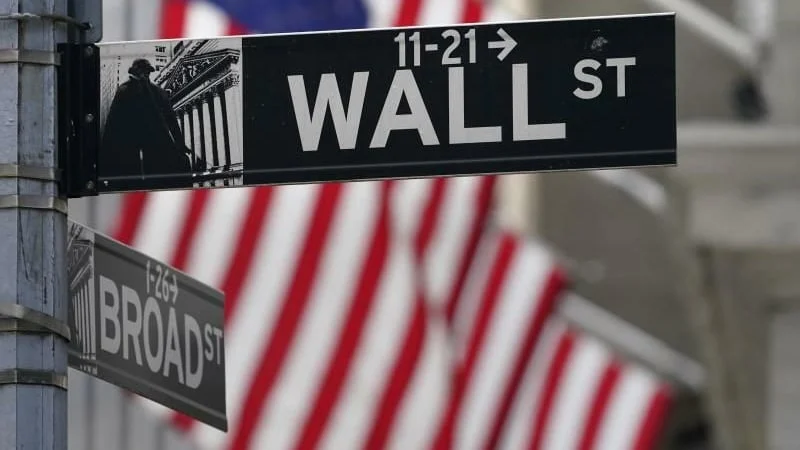
The global financial markets are exhibiting signs of stabilization as Wall Street indexes posted significant gains on Monday, marking a recovery from the sell-off experienced in the preceding week. This rebound follows a period of heightened volatility that saw investor sentiment shift dramatically within a two-day span. Initially buoyed by optimism surrounding the U.S. midterm elections and a decline in oil prices, markets then became increasingly concerned about the implications of artificial intelligence (AI) advancements. This sentiment spillover even impacted Germany, where the DAX index experienced a substantial drop of up to 1,000 points, just 24 hours after reaching a record high.
Market Volatility and the AI Enigma
The recent market fluctuations underscore the inherent sensitivity of financial systems to evolving economic narratives and technological disruptions. The initial positive sentiment was largely attributed to the perceived outcome of the U.S. midterm elections, which often provide clarity on future economic policy and regulatory landscapes. Concurrently, a dip in crude oil prices typically translates to lower inflation expectations and reduced operating costs for many businesses, fostering a generally bullish outlook.
However, this optimism was swiftly overshadowed by growing anxieties surrounding the rapid advancements and potential economic ramifications of artificial intelligence. While AI promises transformative innovation and productivity gains, it also presents complex challenges related to job displacement, data security, and the potential for market concentration. The market’s reaction suggests that investors are grappling with the dual nature of AI – its promise of progress and its potential to disrupt existing economic structures and labor markets.
The rapid sell-off, particularly the sharp decline in the DAX, illustrates how interconnected global markets are. News and sentiment originating in one major economic bloc can quickly reverberate across others, demonstrating the need for a nuanced understanding of global economic forces.
Expert Analysis: A Tentative Recovery
Market analysts are urging caution, characterizing the current rebound as a modest counter-movement rather than a definitive end to market turbulence. Kyle Rodda, Senior Financial Market Analyst at capital.com, articulated this sentiment, stating, "The markets are not out of the woods yet. The movement was merely a small counter-movement to the sell-off." This perspective highlights the underlying concerns that continue to influence investor behavior.
The core of this apprehension appears to stem from the realization that the Democratic Party, having emerged as a significant force following the midterms, may actively seek to curb the expansion of data centers. These facilities are crucial for the development and deployment of AI technologies, and their growth has been a key focus of investment and policy under the Trump administration. Any regulatory headwinds or slowdowns in data center construction could have a cascading effect on the AI sector and related industries.
Data Center Growth Under Scrutiny
The implications of a potential slowdown in data center development are substantial. According to estimates from UBS strategists, a significant portion of planned computing power scheduled to come online in the United States by 2028 could be jeopardized. This represents a considerable risk to the future trajectory of AI development and its associated economic benefits.
A primary area of concern is Texas, which has been a focal point for planned data center expansions. The recent gubernatorial election in Texas saw Democrat Gina Hinojosa defeat Republican incumbent Greg Abbott. Hinojosa has signaled her intention to halt new permits for data centers, a move that would represent a significant policy shift in a state that has actively courted such investments. The fact that a Democrat last won the governorship in Texas in 1990 underscores the historical significance of this electoral outcome and its potential to reshape the state’s economic landscape, particularly in the tech sector.
Timeline of Recent Market Events
- Early to Mid-Week Before Monday: Investor sentiment was generally positive, influenced by the anticipated outcomes of the U.S. midterm elections and a decline in global oil prices. This period saw a generally upward trend in major stock markets.
- Mid-to-Late Week Before Monday: A sharp reversal in market sentiment occurred. Concerns over the rapid advancements and potential economic disruptions of artificial intelligence began to dominate investor thinking. This led to a significant sell-off across global stock markets.
- Day Before Monday: The impact of the AI-related anxieties became acutely visible. The German DAX index, which had recently reached an all-time high, experienced a sharp decline of up to 1,000 points within a single trading day.
- Monday: Wall Street indexes, including the Dow Jones Industrial Average, the S&P 500, the Nasdaq Composite, and the Russell 2000, all showed notable gains, indicating a partial recovery and a stabilization of market prices after the previous week’s sell-off.
Broader Economic and Technological Implications
The interplay between political outcomes, technological advancements, and market reactions highlights several critical themes for the broader economy:
- The Dual Nature of Technological Advancement: Artificial intelligence, while a powerful engine for innovation, also necessitates careful consideration of its societal and economic impacts. Policymakers and investors alike are grappling with how to harness its benefits while mitigating potential risks.
- The Evolving Role of Government in Technology: The potential for regulatory intervention in the data center sector underscores the increasing influence of government policy on the pace and direction of technological development. The outcomes of elections, therefore, carry significant weight for industries reliant on infrastructure and policy support.
- Geopolitical and Regional Economic Shifts: The specific focus on Texas illustrates how regional political shifts can have national and even global economic consequences, especially for emerging industries. The changing political landscape in key economic hubs can directly influence investment flows and industry growth.
- Market Volatility as a Constant: The recent events serve as a reminder that financial markets are dynamic and susceptible to a multitude of factors, from geopolitical events to technological breakthroughs. Investors must remain agile and informed to navigate these fluctuations.
The current market stabilization, while welcome, appears to be built on a foundation of ongoing uncertainty. The long-term implications of the political shifts and the rapid evolution of AI will continue to be a focal point for investors, policymakers, and industry leaders in the coming months and years. The ability of markets to absorb and adapt to these complex forces will be a key determinant of future economic growth and stability. The focus now shifts to how these concerns will be addressed by policymakers and how the technology sector will adapt to potential regulatory shifts, ultimately shaping the future landscape of the digital economy.