Putri Inara
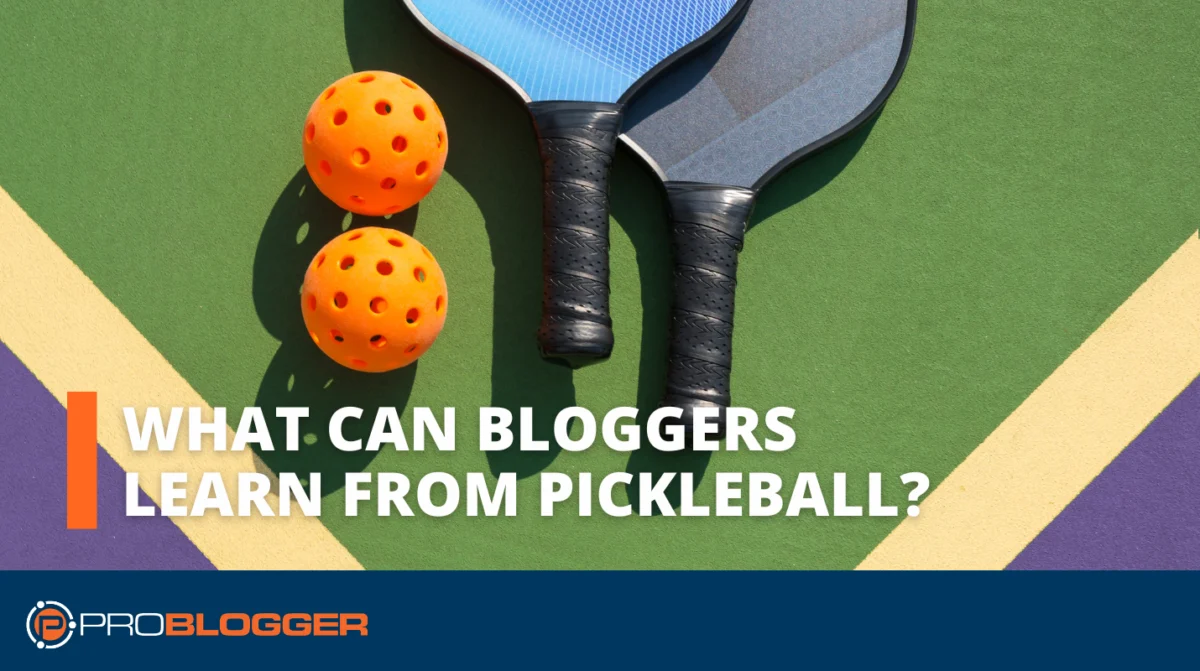
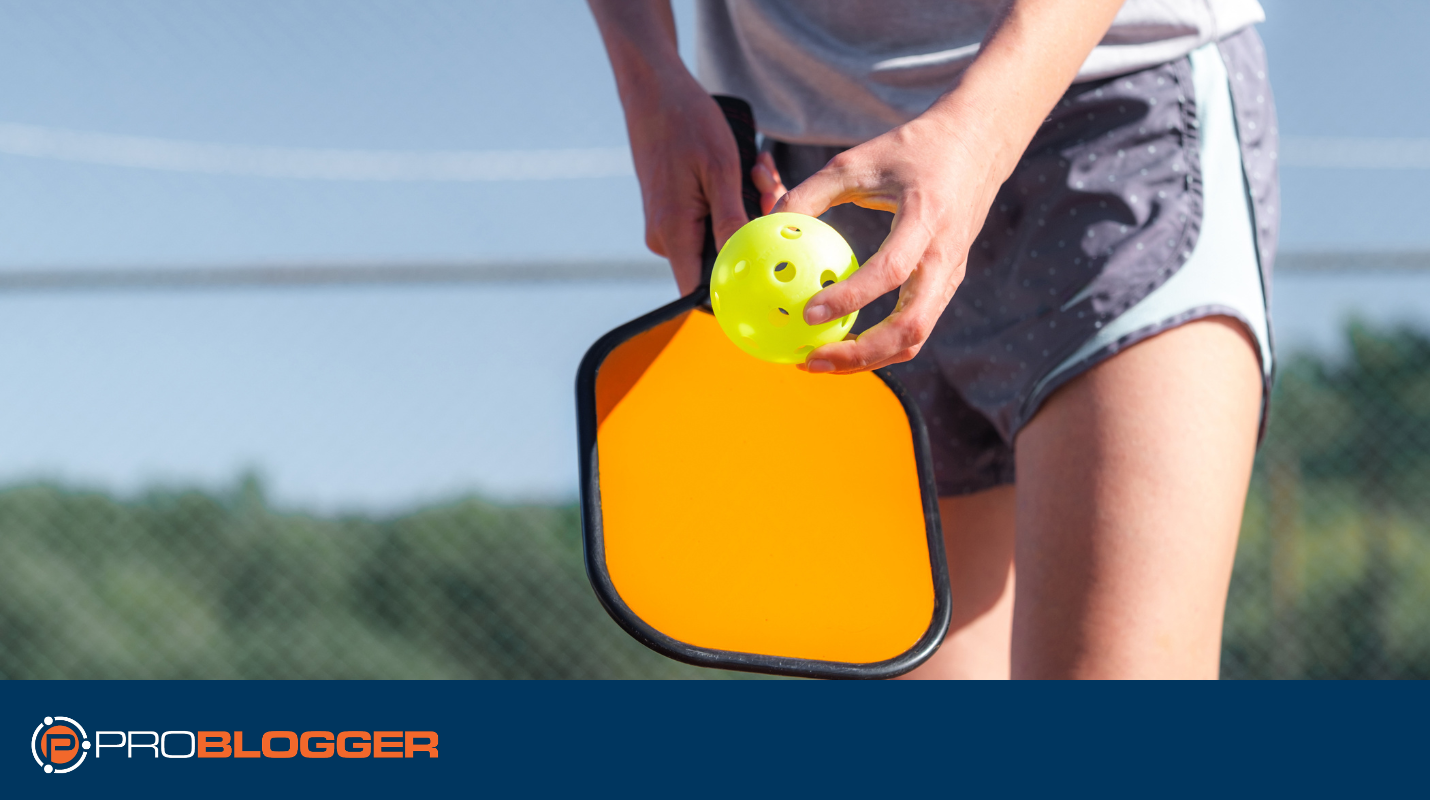
The rapid ascent of pickleball from a niche Pacific Northwest pastime to the fastest-growing sport in the United States has provided an unexpected blueprint for success in the increasingly competitive digital publishing industry. As the "creator economy" matures into a sector projected by Goldman Sachs to reach a valuation of $480 billion by 2027, professional bloggers and digital strategists are increasingly looking toward the mechanics of the paddle sport to refine their engagement models and content delivery strategies. The intersection of these two seemingly disparate worlds—recreational athletics and digital content creation—reveals a shared reliance on accessibility, community-driven growth, and tactical simplicity.
The Historical Trajectory of Pickleball and the Blogosphere
To understand the synergy between pickleball and blogging, one must examine the chronological development of the sport. Pickleball was conceptualized in the summer of 1965 on Bainbridge Island, Washington. The founders—Joel Pritchard, Bill Bell, and Barney McCallum—sought to create a game that was accessible to all family members regardless of athletic prowess. Using a perforated plastic ball and improvised plywood paddles on a badminton court, they established a low-impact, high-engagement activity.
For three decades, the sport remained a localized phenomenon. It was not until the early 21st century that technological advancements in equipment and the rise of social media allowed the sport to transcend its regional roots. According to the Sports & Fitness Industry Association (SFIA), pickleball participation grew by 158.6% over the last three years, reaching an estimated 36.5 million players in the United States alone by 2023.
This timeline mirrors the evolution of the blogosphere. What began in the late 1990s as "weblogs"—simple online journals for hobbyists—has transformed into a sophisticated multi-billion-dollar industry. Just as pickleball combined elements of tennis, badminton, and table tennis to create something new, successful modern bloggers synthesize various media formats—text, video, and interactive graphics—to occupy unique market niches. Both sectors have moved from the "backyard" to the professional stage, requiring a shift from casual participation to disciplined strategy.
The Strategic Importance of ‘Dinking’ in Information Architecture
In pickleball, the "dink" is a soft, controlled shot intended to land in the opponent’s non-volley zone, commonly known as "the kitchen." While beginners often attempt to power the ball past their opponents, seasoned players know that the dink is the most effective tool for controlling the tempo of the game and forcing errors.
In the context of digital content, "dinking" represents the art of radical simplicity and the strategic use of micro-content. As attention spans shorten—a trend documented by Microsoft research indicating a drop in average human attention span to eight seconds—the ability to distill complex data into digestible "dinks" is paramount. Industry analysts suggest that long-form content remains essential for Search Engine Optimization (SEO), but its success is often predicated on the inclusion of simplified summaries, bulleted lists, and clear headers.
Strategic "dinking" in blogging involves:
- Clarity over Complexity: Avoiding industry jargon that creates barriers to entry.
- Visual Pacing: Utilizing whitespace and clean layouts to reduce cognitive load.
- Controlled Delivery: Releasing information in a cadence that sustains interest without overwhelming the reader.
By adopting the dink mentality, content creators can manage the "flow" of their audience’s experience, ensuring that users remain engaged with the core message rather than being deterred by "power shots" of dense, unformatted data.
Rallying the Community: The Social Dynamics of Retention
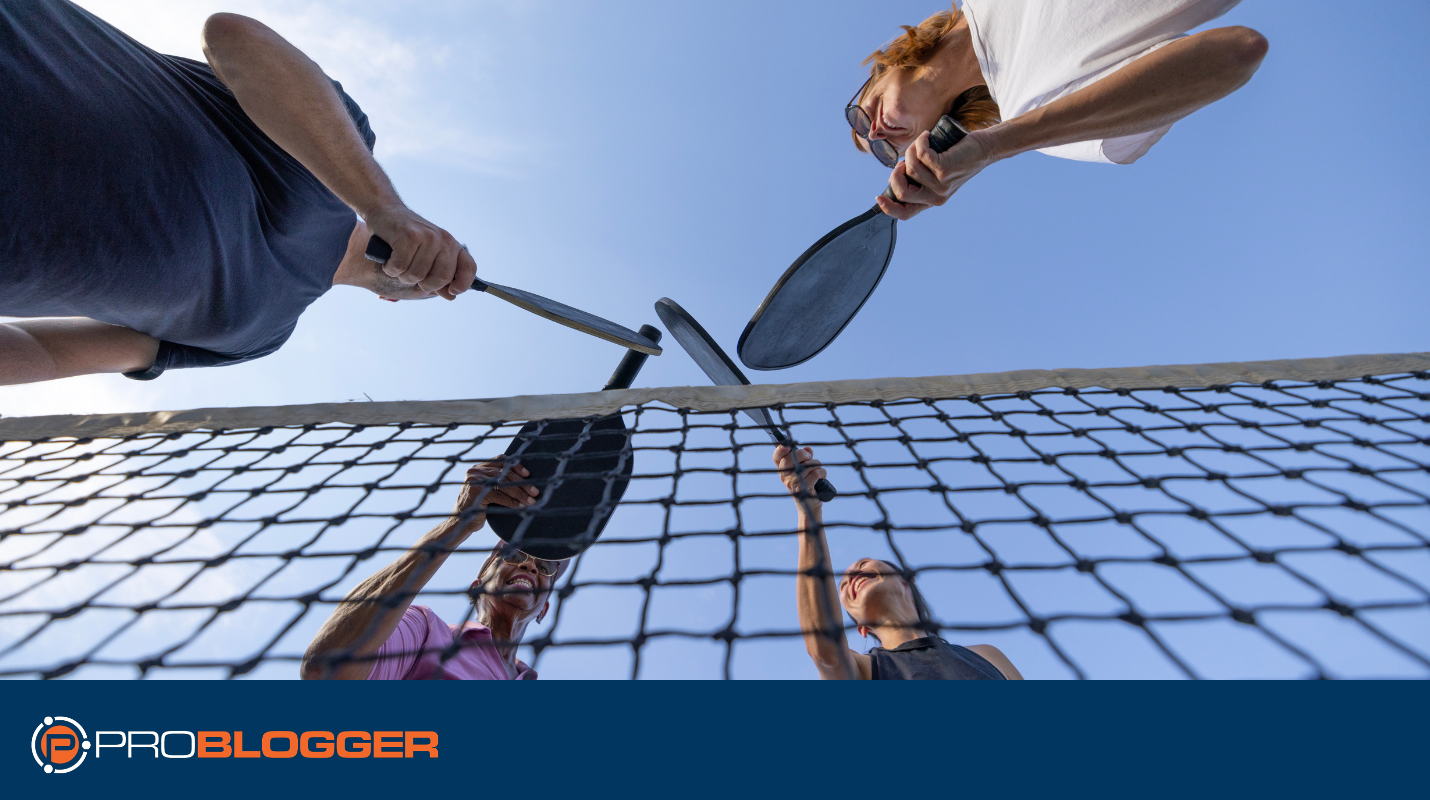
One of the primary drivers of pickleball’s growth is its inherently social nature. Unlike tennis, which requires a large court and significant distance between players, pickleball’s smaller court dimensions (20 by 44 feet) facilitate constant communication. This proximity fosters a sense of community that is often cited as the reason for the sport’s high retention rates.
For the modern blogger, the "rally" is the equivalent of the feedback loop between the creator and the audience. Data from HubSpot indicates that blogs with active comment sections and high social media engagement see a 25% higher return-visitor rate than static sites. The transition from a "broadcaster" to a "community leader" is a critical pivot.
Digital marketing professionals emphasize that a successful "rally" requires:
- Active Responsiveness: Acknowledging reader contributions to the discourse.
- Multi-Platform Integration: Extending the conversation from the blog to platforms like LinkedIn, X (formerly Twitter), and specialized Discord servers.
- Live Engagement: Utilizing Q&A sessions and webinars to simulate the real-time interaction found on a pickleball court.
The goal is to move the visitor from a spectator role into an active participant in the content ecosystem, mirroring how pickleball spectators are frequently integrated into local club rotations.
Managing the ‘Whiff’: Resilience and Data-Driven Adaptation
In pickleball, a "whiff" occurs when a player swings and misses the ball entirely. Even at the professional level, unforced errors are a statistical reality. The key to victory is not the absence of errors, but the speed of recovery and the ability to adjust tactics for the next serve.
In the digital space, not every post will achieve viral status or meet Key Performance Indicators (KPIs). A "whiff" in blogging—such as a poorly performing lead magnet or a decline in organic search traffic following an algorithm update—is an opportunity for A/B testing and refinement.
A data-driven approach to "whiffs" involves:
- Post-Mortem Analysis: Using tools like Google Analytics 4 (GA4) to identify where users dropped off.
- A/B Testing: Adjusting headlines, meta-descriptions, and calls-to-action (CTAs) to see what resonates.
- Algorithmic Flexibility: Recognizing that search engines, much like opponents on the court, frequently change their "playstyle," necessitating a shift in keyword strategy or content format.
The ‘Kitchen’ and Ethical Boundaries: Finding the Sweet Spot
The "kitchen," or non-volley zone, is a seven-foot area on both sides of the net where players are prohibited from volleying the ball. This rule prevents players from simply standing at the net and smashing the ball down. It forces a more nuanced, strategic game.
For bloggers, the "kitchen" represents the ethical and brand boundaries that must not be overstepped. In an era of aggressive monetization, many creators fall into the trap of "over-selling," which leads to audience fatigue and loss of trust. Finding the "sweet spot" involves balancing value-driven content with commercial interests.
Market research suggests that "influencer fatigue" is on the rise, with consumers increasingly favoring "authentic" and "educational" content over blatant promotion. The "sweet spot" is reached when a blogger provides 80% educational value and 20% promotional content—a ratio that maintains the integrity of the "game" while still allowing for professional sustainability.
Professional Analysis: The Future of Niche Authority
Industry experts suggest that the "pickleball-ification" of blogging points toward a future defined by niche authority and strategic positioning. Just as pickleball found success by carving out a space between high-intensity tennis and low-intensity leisure, modern bloggers must find the "unfilled gap" in their respective markets.
"The saturation of the digital market means that generalists are struggling," notes a senior strategist at a leading digital marketing firm. "The winners are those who, like pickleball enthusiasts, find a specific ‘court’—a niche topic—and master the unique mechanics of that audience. It’s about being the big fish in a specialized pond rather than getting lost in the ocean of generic content."
This strategic positioning is supported by the rise of "micro-influencers" (creators with 10,000 to 100,000 followers), who often boast engagement rates 60% higher than those of major celebrities. By focusing on a specific community and mastering the "dinks" and "serves" of that niche, bloggers can build a more resilient and profitable brand.
Conclusion: The Long-Term Impact of Strategic Play
The parallels between pickleball and blogging extend beyond mere metaphor; they reflect a fundamental shift in how humans interact with information and recreation in the 21st century. Both require a low barrier to entry but offer a high ceiling for mastery. Both thrive on the tension between individual skill and community engagement.
As the digital landscape continues to evolve under the influence of Artificial Intelligence and changing search behaviors, the core lessons from the pickleball court—simplicity, agility, community, and focus—will remain constant. For the content creator, the message is clear: success is not merely about the power of the "hit," but the strategy of the "play." By maintaining a focus on the audience (the ball), refining the introduction (the serve), and embracing the inherent fun of the process, bloggers can ensure their platforms remain as vibrant and enduring as the sport that inspired them. In the end, whether on a court of asphalt or a page of HTML, the principles of engagement remain the same: play smart, stay agile, and always keep the rally going.