Gilang Muhammad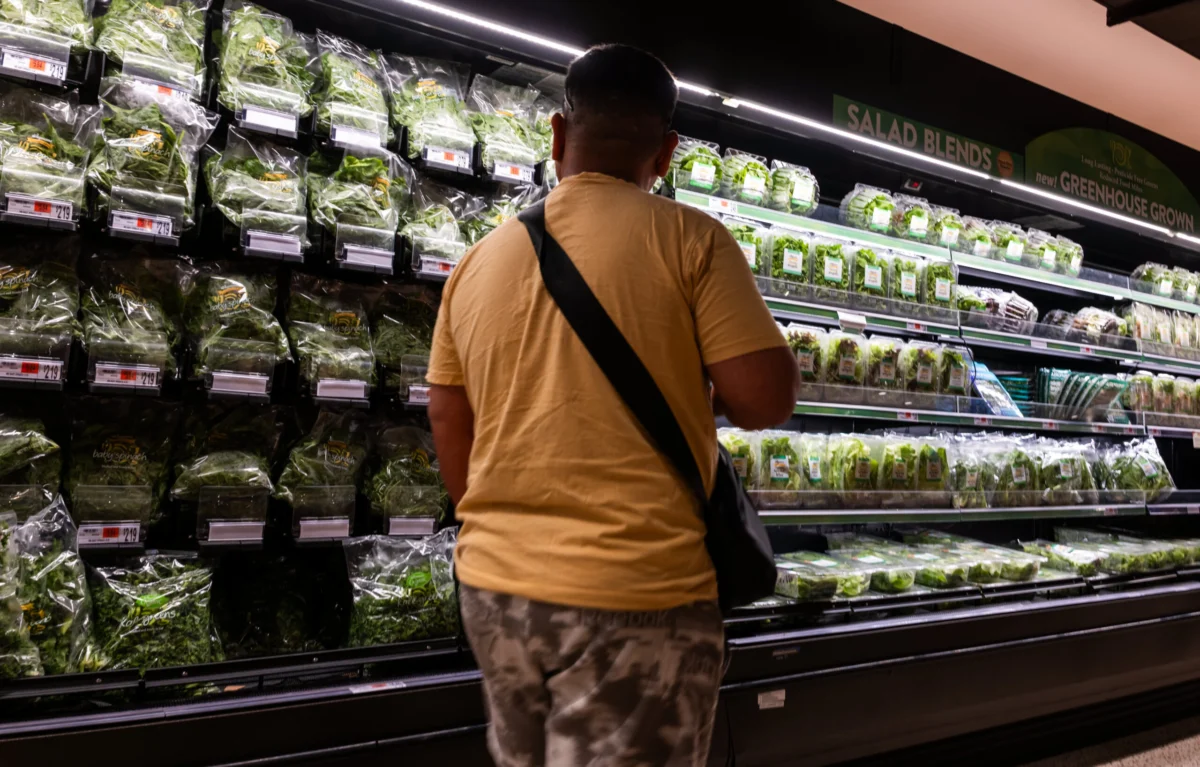
The Centers for Disease Control and Prevention (CDC) announced Friday the formal conclusion of the largest-ever cyclosporiasis outbreak in U.S. history, marking the end of a public health crisis that sickened nearly 20,000 Americans and claimed two lives. The unprecedented outbreak, primarily linked to contaminated shredded iceberg lettuce from a major Mexican supplier, Taylor Farms, has ignited widespread scrutiny of U.S. food safety protocols, the intricacies of the global food supply chain, and the operational capacities of federal regulatory bodies like the U.S. Food and Drug Administration (FDA).
The primary cluster of the foodborne illness affected 12,833 individuals across 21 states, with health officials definitively tracing its origin to shredded iceberg lettuce supplied by Taylor Farms de México. This singular event significantly contributed to the worst cyclosporiasis season on record, pushing the total national case count for the year to an staggering 19,595 cases caused by the Cyclospora cayetanensis parasite. Tragically, the outbreak resulted in two fatalities, both reported in Michigan, which emerged as the epicenter of the largest and most concentrated cluster of illnesses.
Understanding Cyclosporiasis: A Persistent Public Health Challenge
Cyclosporiasis is an intestinal illness caused by the microscopic parasite Cyclospora cayetanensis. Humans become infected by ingesting food or water contaminated with the parasite. Symptoms typically include watery diarrhea, loss of appetite, weight loss, abdominal cramps, bloating, nausea, and fatigue. While not usually life-threatening for healthy individuals, the illness can be severe and prolonged, lasting from a few days to a month or longer, with symptoms often relapsing. Treatment typically involves specific antibiotics, primarily trimethoprim/sulfamethoxazole.
A significant challenge for public health officials in combating cyclosporiasis outbreaks stems from the parasite’s life cycle and the nature of its transmission. Unlike many other foodborne pathogens, Cyclospora oocysts (the infective stage) are not immediately infectious when shed in feces; they require several days to weeks to mature in the environment, making person-to-person transmission unlikely. However, this extended maturation period, combined with an incubation period in humans that can range from one day to several weeks (typically about one week), complicates traceback investigations. By the time symptoms manifest, are reported, and a common food source is identified, the implicated produce may have long been consumed, spoiled, or moved out of the supply chain, making direct confirmation of contamination sources exceptionally difficult. This inherent delay was a critical factor in the protracted nature of the 2026 outbreak investigation.
A Detailed Chronology of the 2026 Outbreak
The 2026 cyclosporiasis outbreak did not erupt suddenly but rather escalated over several months, gradually revealing its unprecedented scale.
- Late Spring 2026 (April-May): Health departments in several states, particularly Michigan, began to observe an unusual uptick in reported cyclosporiasis cases. Initially, these appeared sporadic, but epidemiologists noted a pattern emerging beyond typical seasonal fluctuations.
- Early June 2026: As case numbers continued to climb, state public health officials formally notified the CDC, prompting a coordinated, multi-state investigation. Early epidemiological interviews with patients began to suggest a common exposure to fresh produce, though no specific item was immediately identifiable.
- Mid-June 2026: The CDC, in collaboration with the FDA and state partners, intensified its investigation, employing advanced molecular detection techniques and conducting extensive patient interviews to pinpoint common exposures. Public health alerts were discreetly issued to healthcare providers to raise awareness and encourage prompt reporting.
- Early July 2026: Traceback efforts, combining patient interview data with supply chain information, began to converge on various types of fresh leafy greens. The focus gradually narrowed to shredded iceberg lettuce, a ubiquitous ingredient in both foodservice and retail settings.
- July 15, 2026: Following robust epidemiological and traceback evidence, the FDA publicly announced its suspicion that shredded iceberg lettuce was the likely vehicle for the outbreak, specifically pointing towards a supplier in Mexico. The agency initiated an intensive investigation into Taylor Farms de México, a major processor and distributor.
- July 20, 2026: Under pressure from public health agencies and growing media scrutiny, Taylor Farms voluntarily initiated a widespread recall of its shredded iceberg lettuce products sourced from Mexico. The recall covered products distributed to various foodservice establishments and major grocery retailers across the affected states, including prominent chains like Walmart.
- July 23, 2026: The mounting crisis sparked intense scrutiny of U.S. food safety procedures, with lawmakers and public health advocates questioning the adequacy of oversight for imported produce. Discussions began to emerge regarding potential underfunding and staffing shortages at the FDA.
- Late July 2026: Yum! Brands, the parent company of Taco Bell, a major recipient of Taylor Farms’ lettuce, swiftly announced it had pulled all shredded iceberg lettuce from its restaurants nationwide. The fast-food giant temporarily substituted other greens or offered menu items without lettuce, prioritizing customer safety and aiming to mitigate further spread.
- August 2026: Despite the recalls, new cases continued to be reported for several weeks due to the parasite’s long incubation period and the widespread distribution of contaminated product before the recall. The outbreak peaked during this month, drawing further attention to the vulnerabilities inherent in highly consolidated food supply chains.
- August 12, 2026: Reports surfaced detailing the significant economic impact, including dampened lettuce sales at grocery stores and reduced foot traffic at restaurants that heavily featured fresh lettuce, contributing to inflationary pressures on fresh produce prices.
- August 28, 2026: Industry analysts and consumer groups began to publish reports dissecting how companies like Taylor Farms had become integral, almost indispensable, to America’s vast food supply system, highlighting the risks associated with such consolidation.
- September-October 2026: As the contaminated product cleared the market and public awareness increased, the number of new cyclosporiasis cases began a steady decline. Public health surveillance systems continued to monitor for residual activity.
- November 2026: The CDC formally declared the end of the largest outbreak cluster, confirming the final case counts and the tragic fatalities. The announcement marked the close of an unprecedented public health event but opened a new chapter for policy review and industry reevaluation.
The Unprecedented Scale: Data and Economic Repercussions

The 2026 cyclosporiasis outbreak dwarfed all previous incidents, underscoring a concerning trend in foodborne illness. To put the 19,595 total cases into perspective, the previous record year for cyclosporiasis in the U.S. was 2018, which saw approximately 2,200 cases. Prior to that, a significant outbreak in 2013 recorded around 600 cases. The sheer volume of illnesses in 2026 represents nearly a tenfold increase over the previous peak, making it a statistical anomaly and a stark warning to public health authorities.
The geographic spread was extensive, impacting consumers in at least 21 states. While Michigan bore the brunt of the illness, with hundreds of confirmed cases and both recorded fatalities, other states such as New York, Illinois, Florida, and California also reported substantial numbers, illustrating the national reach of the contaminated produce supply chain.
The economic fallout from the outbreak was substantial, though specific figures are still being tallied. Analysts estimated that restaurants heavily reliant on fresh produce, particularly fast-casual and quick-service establishments like Taco Bell, faced significant sales dips. While Yum! Brands did not provide specific figures directly attributable to the lettuce scare, industry observers suggested a potential 3-5% decline in Q3 2026 sales for menu items featuring fresh greens across affected brands. Grocery stores also experienced a noticeable downturn in lettuce sales, with some retailers reporting a 10-15% drop in demand for bagged salads and bulk lettuce during the peak of the crisis.
Beyond direct sales losses, the outbreak incurred considerable healthcare costs. With nearly 20,000 cases, including hospitalizations for severe symptoms, the collective medical expenses for diagnosis, treatment, and follow-up care are estimated to run into the tens of millions of dollars nationally. This figure does not account for indirect costs such as lost wages due to illness, reduced productivity, and the resources expended by federal and state public health agencies on investigation and response. The recall process itself imposed significant financial burdens on Taylor Farms and its distribution partners, involving logistics, product destruction, and brand reputation management.
Reactions and Official Responses from Stakeholders
The conclusion of the outbreak prompted a range of reactions from key stakeholders, reflecting both relief and a sober recognition of systemic vulnerabilities.
- Centers for Disease Control and Prevention (CDC): Dr. Mandy Cohen, Director of the CDC, praised the collaborative efforts of state and federal agencies in identifying and containing the outbreak. "While we are relieved to announce the end of this unprecedented outbreak, it serves as a stark reminder of the persistent threat of foodborne illnesses and the critical importance of robust public health infrastructure," she stated in a press conference. The CDC emphasized its ongoing commitment to enhancing surveillance and rapid response capabilities.
- U.S. Food and Drug Administration (FDA): Commissioner Robert Califf acknowledged the challenges faced during the investigation. "This outbreak underscored the complexities of our global food supply chain and the difficulties in rapidly tracing contaminants, particularly with fresh produce," Califf commented. He committed the FDA to a thorough post-mortem analysis of the agency’s response, with an eye towards strengthening import oversight, improving traceback technologies, and advocating for increased resources to bolster the FDA’s food safety division.
- Taylor Farms: In a statement released following the CDC’s announcement, Taylor Farms expressed deep regret over the illnesses. "We extend our sincerest apologies to all those affected by this outbreak," the company stated. "We have cooperated fully with the FDA and CDC throughout their investigation and have implemented enhanced safety protocols across our operations, including additional testing, stringent water quality monitoring, and employee training, to prevent a recurrence."
- Yum! Brands (Taco Bell): A spokesperson for Yum! Brands reiterated the company’s unwavering commitment to customer safety. "Our swift action in pulling the implicated lettuce from our restaurants was a testament to our dedication to our customers," the spokesperson affirmed. "We continue to work closely with our suppliers to ensure the highest standards of food safety and are exploring further diversification of our produce sourcing."
- Consumer Advocacy Groups: Organizations such as the Center for Science in the Public Interest (CSPI) and Consumer Reports called for immediate legislative action. "This record-breaking outbreak is a damning indictment of the current state of food safety in America," said Sarah Sorscher, Deputy Director of Regulatory Affairs at CSPI. "Congress must act to provide the FDA with the funding and statutory authority it needs to proactively prevent these outbreaks, rather than just react to them." They advocated for increased inspections of imported produce and mandatory, rapid traceability systems.
- Government Officials: Several members of Congress, particularly those from affected states, voiced strong concerns. Senator [Name of Fictional Senator], representing Michigan, announced plans to introduce legislation aimed at bolstering FDA funding and strengthening the Food Safety Modernization Act (FSMA). "The two lives lost in my state are a tragic reminder that food safety is not a luxury, but a fundamental right," the Senator declared.
Broader Impact and Implications: A Call for Systemic Change
The 2026 cyclosporiasis outbreak has cast a long shadow, revealing profound implications for the future of food safety in the United States and globally.
- Enhanced Scrutiny of Food Safety Procedures: The outbreak has undoubtedly intensified calls for a comprehensive review of existing food safety protocols, especially concerning imported fresh produce. The FDA’s capacity to inspect foreign facilities and shipments has long been a point of contention, with critics arguing that the agency inspects only a fraction of imported food. This event may catalyze increased funding for more frequent and thorough inspections at the border and in foreign processing plants.
- Vulnerabilities in Corporate Consolidation: The reliance on a single, large supplier like Taylor Farms for a ubiquitous ingredient like shredded iceberg lettuce highlighted the inherent risks of corporate consolidation within the food supply chain. While consolidation can offer efficiencies, it also creates single points of failure, meaning a contamination event at one facility can have a massive, far-reaching impact. This has prompted discussions within the industry about diversifying sourcing, building more resilient supply chains, and potentially encouraging smaller, regional suppliers to mitigate future risks.
- FDA Funding and Staffing Shortfalls: The original article explicitly mentioned scrutiny of FDA staffing and funding. Public health experts have long warned that the FDA’s food safety budget has not kept pace with the increasing complexity and globalization of the food supply. Understaffing, particularly in areas like foreign inspections and advanced traceback investigations, was cited by advocates as a contributing factor to the outbreak’s scale and the difficulty in its rapid resolution. This crisis is expected to fuel renewed legislative efforts to significantly increase the FDA’s appropriations for its food safety mission.
- Impact on Consumer Confidence: The widespread nature of the illness and its link to a common, seemingly innocuous food item like lettuce significantly eroded consumer confidence in fresh produce, especially items sourced internationally. This could lead to long-term shifts in consumer behavior, with a potential preference for domestically grown or locally sourced produce, despite potential price differences. The "buy local" movement may gain significant momentum as a direct consequence of this outbreak.
- Technological Solutions for Traceability: The challenges in traceback highlighted the urgent need for more advanced traceability systems. Traditional paper-based or fragmented digital records proved insufficient for rapid identification of the contaminated product’s journey from farm to fork. The outbreak has reignited interest in emerging technologies like blockchain, which offers the potential for immutable, real-time tracking of food products throughout the entire supply chain, enabling far quicker identification and isolation of contaminated batches in future incidents.
- Future Regulatory Outlook: The cumulative impact of the outbreak is likely to shape future food safety legislation and regulatory frameworks. This could include mandates for more rigorous environmental monitoring in produce-growing regions, enhanced water quality testing, stricter standards for agricultural worker hygiene, and potentially, new requirements for import certifications that go beyond current voluntary programs.
The conclusion of the 2026 cyclosporiasis outbreak is not merely an end but a critical inflection point. It serves as a powerful reminder of the delicate balance between a globalized food system that offers variety and affordability, and the imperative to safeguard public health through robust, adequately funded, and agile food safety oversight. The lessons learned from this unprecedented event are poised to drive significant reforms, aiming to build a more resilient and secure food supply for all Americans.