Gilang Muhammad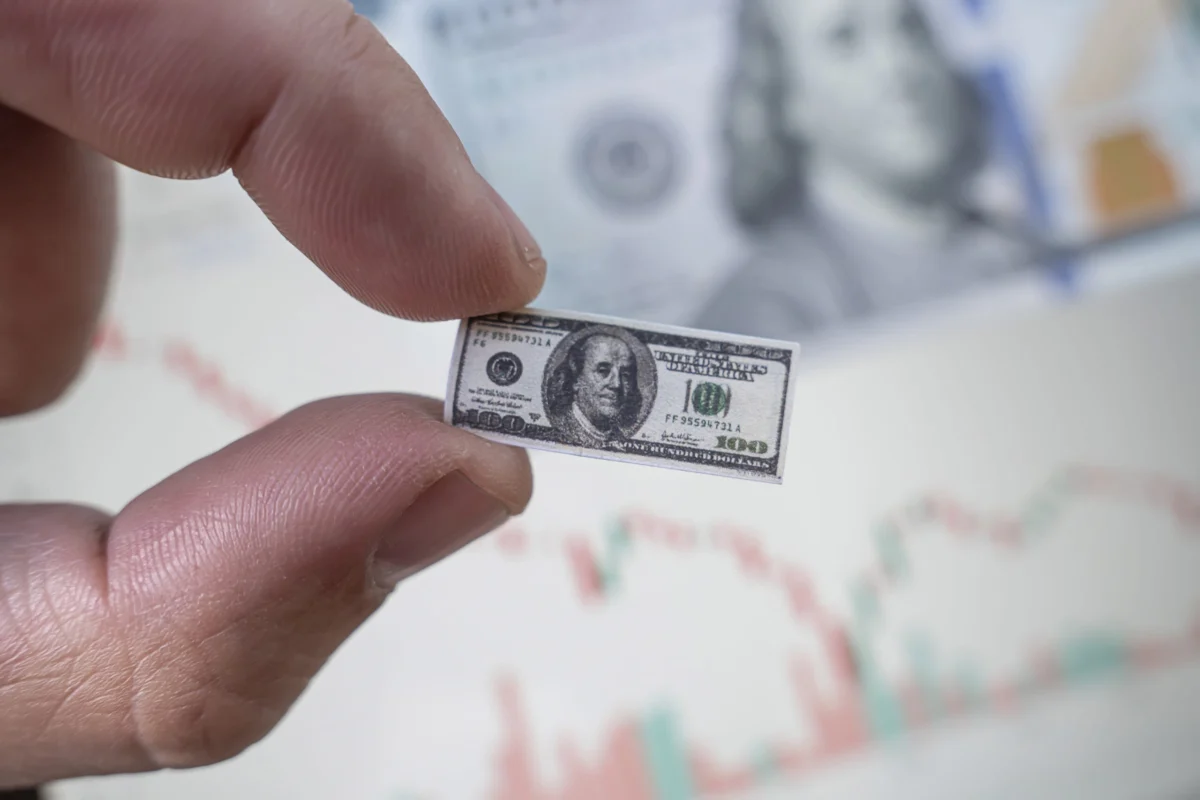
American households are grappling with a significant reversal of economic fortunes as inflation has once again begun to outpace wage growth, creating a renewed squeeze on consumer finances and threatening the stability of post-pandemic recovery. This shift, evident in recent economic data, marks a stark departure from a period where workers had slowly been regaining ground against rising prices, pushing a substantial number of individuals into a more precarious financial position. The confluence of elevated inflation and decelerating wage increases is generating considerable economic pressure, impacting everything from daily grocery shopping to broader consumer spending patterns across the nation.
The Widening Gap: Inflation’s Relentless Ascent
The latest reports from the U.S. Bureau of Labor Statistics (BLS) paint a concerning picture of the current economic landscape. Consumer prices, as measured by the Consumer Price Index (CPI), surged by 3.4% in August compared to a year earlier. This figure, while lower than the peak inflation rates observed in 2022, remains persistently high and continues to erode the value of the dollar. Simultaneously, average hourly earnings for American workers increased by a more modest 3.1% over the same period. This seemingly small differential of 0.3 percentage points has profound implications: when inflation rises faster than wages, the real purchasing power of a paycheck diminishes.
Further illustrating this erosion, real average hourly earnings, which are adjusted for inflation, registered a decline of 0.1% from July to August and were down 0.3% from a year earlier. This negative trajectory for real wages signifies that despite nominal pay raises, the average American worker is effectively earning less in terms of what their money can buy. Heather Long, chief economist at Navy Federal Credit Union, articulated this challenge plainly to CNBC, stating, "A substantial number of Americans are worse off, their incomes are not keeping up with the price increases right now." This sentiment resonates deeply with many who find their budgets strained by the persistent upward march of everyday costs.
A Crucial Turning Point: From Recovery to Retrenchment
The current scenario represents a significant and disheartening turning point for household finances. For a considerable stretch, from approximately May 2023 until April of the current year, workers had been slowly but steadily regaining lost ground against inflation. During this period, wage growth generally outpaced or kept pace with the rate of price increases, offering a glimmer of hope that the worst of the post-pandemic inflationary shock was subsiding. Heather Long herself had previously charted this relationship, initially highlighting the positive trend where wages were gradually catching up, even as overall price levels remained frustratingly high for consumers.
However, this hard-won progress began to reverse course dramatically in the spring, with April marking the clear inflection point. "The basics are that inflation is wiping out wage gains," Long explained, underscoring the severity of this shift. What was once a slow but steady recovery in real wages has now been undermined, forcing consumers to re-evaluate their spending habits and financial strategies. The optimism that characterized the earlier part of the year has given way to renewed apprehension as the economic headwinds gather strength.
The Energy Catalyst: Geopolitical Tensions Fueling Price Spikes
A primary driver behind this sudden reversal is the sharp increase in energy costs. Energy prices, particularly gasoline, have emerged as a major source of inflationary pressure. In August alone, gasoline prices surged by 3.9%, accounting for more than one-third of the overall gain in the Consumer Price Index. This increase is not isolated; diesel fuel prices also saw a significant spike, reaching $6 per gallon for the first time on record during the same period. These increases are directly linked to ongoing geopolitical tensions and supply chain disruptions, most notably stemming from conflicts in Ukraine and an inferred war in Iran, which have destabilized global energy markets.
The war in Ukraine continues to impact global oil and gas supplies, while inferred conflicts in the Strait of Hormuz, a critical chokepoint for oil shipments, contribute to heightened volatility. These international events translate directly into higher costs at the pump and for transportation, which in turn feeds into the prices of nearly all goods and services. Navy Federal’s internal estimates previously indicated that gasoline prices jumped an alarming 21% in March, pushing its measure of car ownership costs to a record high. This substantial increase in a non-discretionary expense like fuel places immense pressure on household budgets, diverting funds that might otherwise be spent on other goods or services, or saved.
Beyond Energy: A Broader Inflationary Landscape
While energy costs have been a prominent accelerant, the inflationary environment is multifaceted. Other key components of the CPI continue to exert upward pressure on prices, contributing to the overall elevated cost of living. Housing costs, including rent and owners’ equivalent rent, remain a significant factor, despite some signs of moderation in certain real estate markets. Food prices, though not rising as rapidly as at their peak, continue to climb, forcing households to spend more on essential groceries. Service sector inflation, encompassing everything from healthcare to personal care services, has also proven sticky, reflecting strong demand and ongoing labor cost pressures.
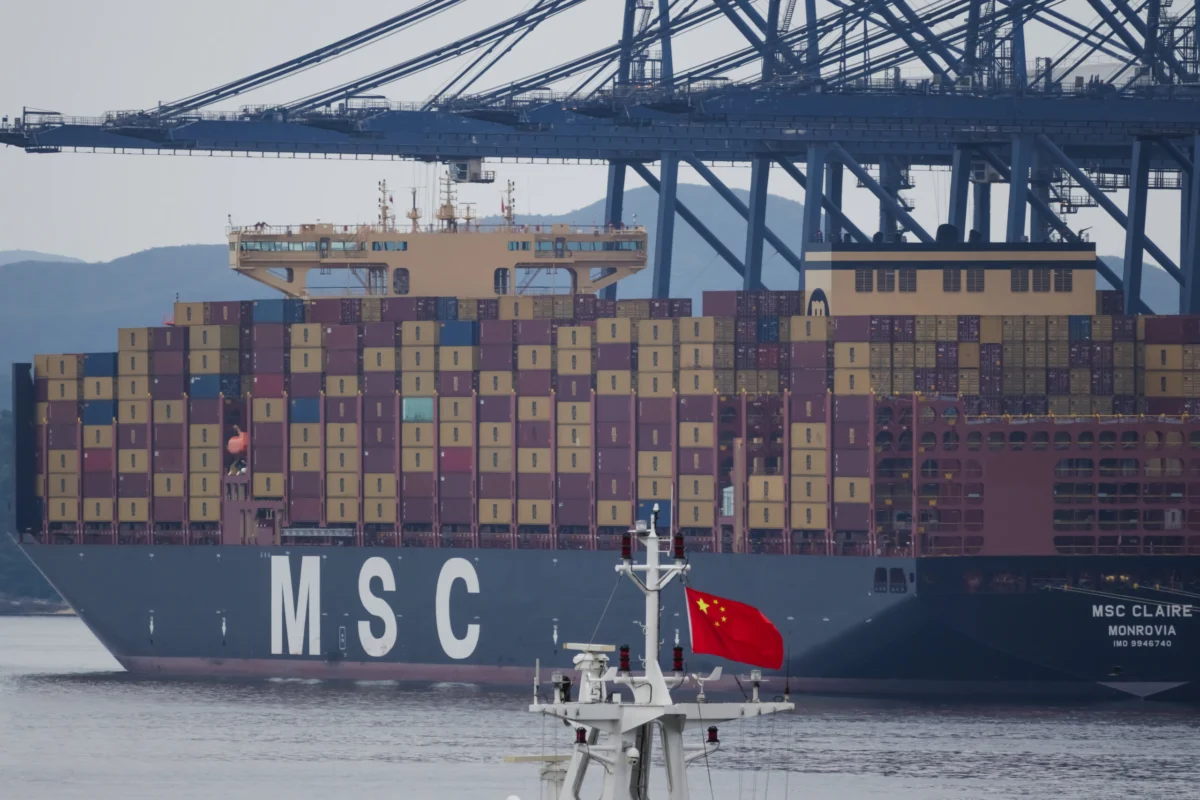
The cumulative effect of these various inflationary drivers means that even if energy prices were to stabilize or decline, consumers would still face a challenging environment of elevated costs across the board. The supply chain issues that characterized the immediate post-pandemic period, while somewhat alleviated, have not entirely disappeared and can still contribute to price volatility. Furthermore, robust consumer demand, fueled in part by accumulated savings from the pandemic era and a relatively strong labor market, has given businesses the leeway to pass on higher costs to consumers.
The Federal Reserve’s Tightrope Walk: Monetary Policy and Its Impact
Against this backdrop of persistent inflation and eroding purchasing power, the Federal Reserve faces a daunting challenge. Its primary mandate is to maintain price stability and maximum sustainable employment. To combat inflation, the Fed has aggressively raised interest rates over the past year and a half, aiming to cool down the economy by making borrowing more expensive, thereby reducing demand. These interest rate hikes affect everything from mortgage rates to credit card APRs, impacting consumer spending and business investment.
However, the Fed’s actions operate on a lag, and the full effects of its tightening policy are still unfolding. The goal is to achieve a "soft landing" – bringing inflation down without triggering a severe recession. The current situation, where wage growth is slowing while inflation remains elevated, complicates this task. If wage growth falls too far behind inflation, it risks embedding a perception of economic hardship that could lead to broader economic contraction. Policymakers are keenly aware that a prolonged period of negative real wage growth could dampen consumer confidence and spending, which accounts for roughly two-thirds of U.S. economic activity.
Consumers Adjusting: A Shift Towards Frugality
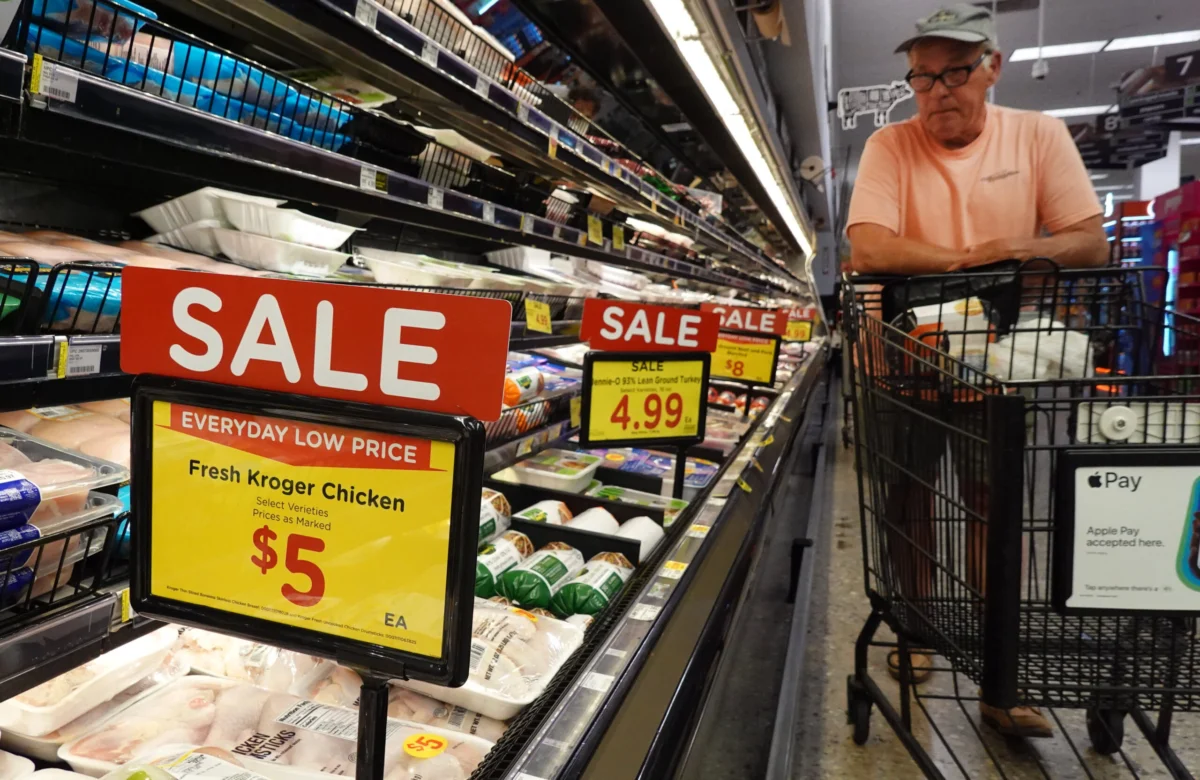
The squeeze on household finances is already manifesting in observable shifts in consumer behavior. Data from various sources indicates that Americans, across income brackets, are adjusting their spending habits to cope with higher prices. YouGov data, for instance, highlights a trend where higher-income shoppers are increasingly turning to warehouse clubs like Costco for groceries, a domain traditionally associated with value shopping. Concurrently, Walmart Supercenter remains the preferred grocery destination for middle- to lower-income households, underscoring the ongoing search for affordability.
Heather Long noted that Navy Federal’s internal spending data, which covers approximately 15 million members, corroborates this trend. "People who used to shop at Whole Foods are now at Costco, Aldi, and so you can see that people are still really trying to stretch every dollar," she stated. What is particularly striking is that this behavior is appearing "almost across the income spectrum," suggesting that the pressure of inflation is pervasive, affecting even those with higher incomes. This widespread shift towards discount and warehouse stores, and a general move towards greater frugality, is a clear indicator of the "frustration [that] is real on inflation and affordability." Consumers are actively seeking ways to mitigate the impact of shrinking purchasing power, whether by trading down brands, buying in bulk, or reducing discretionary spending.
Economic Implications and the Road Ahead
The implications of this prolonged squeeze on purchasing power are far-reaching. A slowdown in consumer spending is a natural consequence when paychecks buy less. Given that consumer spending is the primary engine of the U.S. economy, any significant contraction in this area could lead to a broader economic slowdown or even a recession. Businesses, particularly those reliant on discretionary spending, may see reduced demand, potentially impacting profits and investment.
The outlook, according to economists like Heather Long, suggests that significant relief may not be immediate. She believes it is difficult to foresee inflation falling substantially while geopolitical pressures continue to destabilize energy markets, especially as wage growth simultaneously slows. Her "best-case outcome" projects a convergence of wage growth and inflation around the beginning of 2027. However, even this scenario offers little comfort: "But that’s still going to feel pretty miserable on Main Street if inflation equals wage growth," Long cautioned. A state where wages merely keep pace with inflation means no real improvement in living standards, only a cessation of further decline.
For policymakers, the challenge is immense. They must navigate a complex economic environment where the tools to combat inflation, such as higher interest rates, can also risk stifling economic growth and exacerbating the very pressures on consumers they aim to alleviate. The debate over targeted relief measures, strategies to strengthen supply chains, and approaches to energy independence will likely intensify as the economic reality continues to bite.
In conclusion, the American economy stands at a critical juncture. The recent data indicating that inflation is once again outpacing wage growth marks a concerning reversal, eroding the purchasing power of millions of households. Driven significantly by volatile energy prices linked to global conflicts, this trend is forcing consumers to adjust their spending habits and creating palpable frustration across the income spectrum. The path forward remains challenging, with economists forecasting a prolonged period of economic pressure. The ability of the U.S. economy to weather this storm, and the effectiveness of policy responses, will be crucial in determining the financial well-being of American workers in the years to come.