Ena Muazin
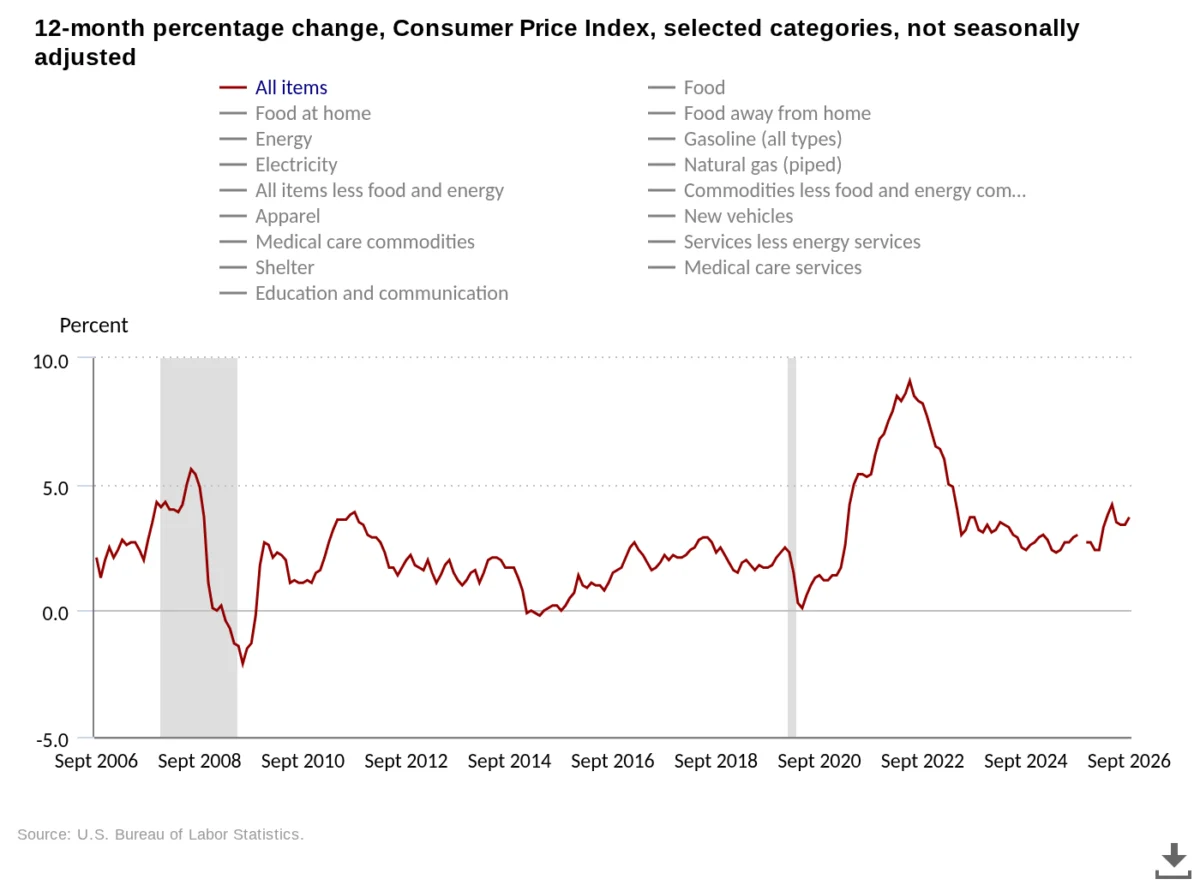
The world’s financial markets are experiencing a significant downturn, with both stock and bond prices continuing their downward trajectory. This decline is largely attributed to the persistent oil price shock, exacerbated by escalating geopolitical tensions in the Middle East. The escalating conflict has sent shockwaves through global commodity markets, with crude oil prices surging and consequently impacting inflation expectations and investor sentiment worldwide. The precious metal, gold, a traditional safe haven, has also come under pressure, reflecting a broader market flight from risk assets.
Escalating Middle East Conflict Fuels Market Instability
The renewed surge in oil prices is a direct consequence of the intensifying conflict in the Middle East. Attacks on oil and gas infrastructure in the Gulf states by Iran have significantly disrupted supply chains and heightened fears of a wider regional conflagration. This geopolitical instability has created a climate of extreme uncertainty, prompting investors to reassess their portfolio allocations and move away from assets perceived as risky.
The impact on the global economy is multifaceted. Higher energy prices translate into increased operational costs for businesses across all sectors, from manufacturing and transportation to agriculture and retail. This inflationary pressure can erode corporate profit margins and consumer purchasing power. Furthermore, the uncertainty surrounding the conflict’s duration and potential escalation discourages long-term investment and economic planning, potentially leading to a slowdown in global growth.
Dow Jones Hits Multi-Month Low Amidst Risk Aversion
The United States stock markets, a bellwether for global financial sentiment, have reflected the prevailing unease. On Friday, the major indices on Wall Street opened in negative territory, continuing the bearish trend observed throughout the week. The Dow Jones Industrial Average, a key indicator of the health of large-cap American companies, particularly felt the brunt of the sell-off.
On Thursday, after a subdued trading session, US markets managed to partially recover some of their earlier losses, closing only slightly in the red. However, the fragile recovery was short-lived as renewed fears of rising oil and gas prices, directly linked to the conflict in the Middle East, resurfaced. These price hikes have amplified concerns that the ongoing hostilities could reignite inflation and dampen economic growth.
The Dow Jones Industrial Average, in particular, touched a low not seen since October, as investors abandoned riskier assets. The escalating situation involving Iran and its continued aggressions against oil and gas infrastructure in the Gulf states has led investors to seek safer havens, resulting in significant sell-offs in equity markets.
Market Performance Data and Trends
As of the close of trading on Friday, the Dow Jones Industrial Average stood 0.6 percent lower, settling at 45,760 points. During intraday trading, the index reached a low of 45,712 points, its weakest performance since October. This marks a significant weekly decline, with the index registering a cumulative loss of 1.7 percent for the week.
The broader market sentiment is also reflected in other major indices. The S&P 500 and the Nasdaq Composite also experienced downward pressure, although specific figures for Friday’s close are still being consolidated. The overarching theme remains one of risk aversion, driven by the geopolitical instability and its tangible economic consequences.
Historical Context: Oil Shocks and Market Reactions
This current market downturn echoes historical patterns observed during periods of significant geopolitical upheaval and oil price shocks. The oil crisis of the 1970s, triggered by the Yom Kippur War and subsequent OPEC embargo, led to soaring oil prices, rampant inflation, and a prolonged period of economic stagflation in many Western economies. Similarly, the 1990-1991 Gulf War saw a sharp, albeit temporary, spike in oil prices and a subsequent market correction.
These historical precedents underscore the profound impact that oil price volatility, often linked to geopolitical events, can have on global financial markets and the broader economy. The interconnectedness of energy markets, inflation, and economic growth means that disruptions in one area can have cascading effects across the entire system.
Analysis of Implications: Inflationary Pressures and Growth Concerns
The immediate implication of the sustained high oil prices is a significant acceleration of inflationary pressures. Energy costs are a fundamental component of inflation, affecting everything from transportation to the production of goods and services. As businesses face higher energy bills, they are likely to pass these costs on to consumers through higher prices, leading to a reduction in real disposable income and potentially dampening consumer spending.

Furthermore, the persistent geopolitical uncertainty surrounding the Middle East conflict is likely to deter business investment and hiring. Companies may adopt a more cautious approach, delaying expansion plans and capital expenditures until the situation stabilizes. This cautious sentiment can lead to a slowdown in economic growth, potentially tipping some economies into recession if the current trends persist.
The central banks of major economies are now facing a difficult balancing act. They are tasked with controlling inflation without stifling economic growth. Historically, central banks have responded to inflationary pressures by raising interest rates. However, in the current environment, where growth is already showing signs of weakness, aggressive rate hikes could exacerbate the economic downturn. This dilemma highlights the complex challenges policymakers face in navigating the current volatile economic landscape.
Broader Economic and Political Ramifications
The current situation has significant implications beyond financial markets. Governments worldwide are grappling with the dual challenges of managing energy security and mitigating the economic fallout of the conflict. In Europe, for instance, which relies heavily on imported energy, the surge in oil and gas prices poses a substantial threat to economic stability. Policymakers are exploring various strategies to secure alternative energy sources and cushion the impact on consumers and businesses.

The political ramifications are also considerable. The conflict could reshape geopolitical alliances and influence international relations. It also puts pressure on governments to demonstrate leadership and provide solutions to the economic anxieties of their citizens. Issues such as energy affordability, job security, and the overall cost of living are likely to become prominent political talking points.
Expert Reactions and Market Outlook
Financial analysts and economists are closely monitoring the evolving situation. Many express concern about the potential for a prolonged period of market volatility and economic uncertainty.
"The confluence of escalating geopolitical tensions and sustained high oil prices creates a challenging environment for global financial markets," commented a senior market strategist at a major investment bank. "Investors are prioritizing capital preservation, leading to a flight towards perceived safe-haven assets, though even traditional havens like gold are experiencing some headwinds due to broader risk aversion."

The outlook for the coming weeks and months remains uncertain. The trajectory of the conflict in the Middle East, the response of major oil producers, and the effectiveness of policy interventions by governments and central banks will all play crucial roles in shaping market sentiment and economic performance. Investors and policymakers alike will be watching closely for any signs of de-escalation or stabilization in the region, which could provide a much-needed catalyst for market recovery. Until then, a cautious approach and a focus on risk management are likely to remain the dominant themes in the global financial arena.