Ena Muazin
Frankfurt – The European Central Bank (ECB) may be compelled to consider an interest rate hike as early as April if medium-term inflation prospects worsen and inflation expectations become persistently elevated, according to a stark warning issued by ECB Governing Council member Joachim Nagel on Friday. Speaking to Bloomberg News, Nagel emphasized that a more restrictive monetary policy stance would likely become necessary should these adverse trends materialize, with crucial data to inform such a decision expected within the next six weeks. This statement underscores the delicate balancing act facing the ECB as it navigates persistent inflationary pressures and the potential for economic headwinds.
The Shifting Inflation Landscape
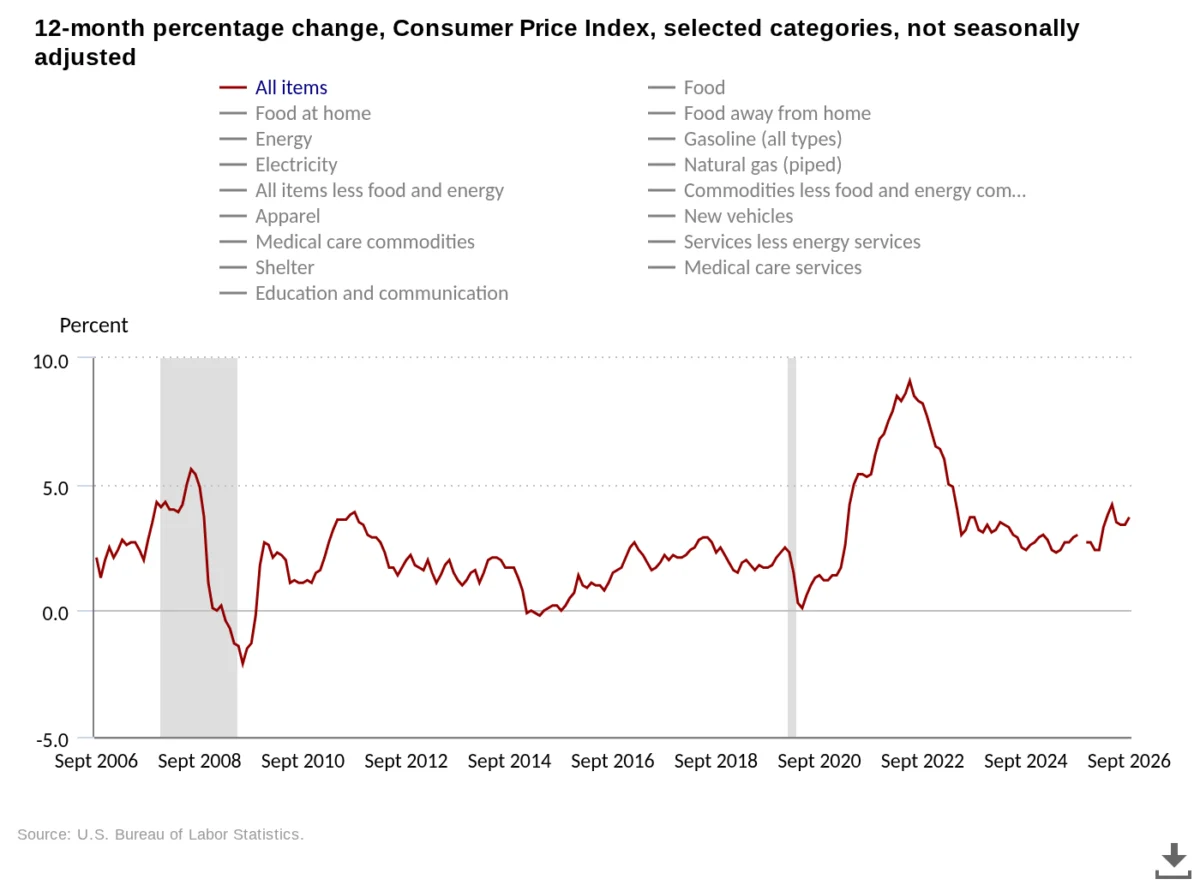
Nagel’s remarks come at a critical juncture for the Eurozone economy. While headline inflation has shown signs of moderation in recent months, core inflation – which excludes volatile energy and food prices – has remained stubbornly high. This persistence has fueled concerns among policymakers that underlying price pressures may be more entrenched than initially anticipated. The ECB has been engaged in a vigorous campaign of monetary tightening since mid-2022, raising interest rates at an unprecedented pace in an effort to bring inflation back to its 2% medium-term target. However, the effectiveness and optimal endpoint of this tightening cycle are subjects of ongoing debate.
The current inflation rate for the Eurozone, as reported by Eurostat, stood at [insert latest available headline inflation figure]% in [insert latest month]. This represents a [insert percentage point change] decrease from the [insert previous month’s inflation figure]% recorded in the preceding month. However, core inflation, a key focus for central bankers, remained at a more concerning [insert latest available core inflation figure]% in [insert latest month]. This disparity highlights the complex nature of the current inflationary environment, where supply-side shocks, particularly in energy markets, have begun to recede, but demand-driven pressures and wage growth are proving more resilient.
Background: The ECB’s Anti-Inflationary Stance
The ECB’s aggressive monetary policy pivot began in July 2022, when it raised its key interest rates for the first time in over a decade. Since then, the Governing Council has implemented a series of hikes, bringing the deposit facility rate from -0.50% to its current level of [insert current deposit facility rate]%. This swift and substantial tightening has been driven by a commitment to anchor inflation expectations and prevent a wage-price spiral.
However, the lag effect of monetary policy means that the full impact of these rate hikes is still filtering through the economy. Businesses are facing higher borrowing costs, consumers are experiencing increased mortgage payments and loan servicing, and investment decisions are being weighed down by tighter financial conditions. The risk now is that the ECB might over-tighten, pushing the Eurozone into a recession while failing to fully subdue inflation.
Nagel’s Warning: A Forward-Looking Perspective
Joachim Nagel, President of the Deutsche Bundesbank, is known for his hawkish leanings, often advocating for a more decisive stance against inflation. His statement to Bloomberg signals that the "wait-and-see" approach that has characterized some recent ECB meetings may be giving way to a more proactive stance if incoming data confirms a deterioration in the inflation outlook.
"Nach dem derzeitigen Stand sei es denkbar, dass sich die mittelfristigen Inflationsaussichten verschlechterten und die Inflationserwartungen nachhaltig steigen könnten," Nagel stated. This translates to: "According to the current state, it is conceivable that medium-term inflation prospects could worsen and inflation expectations could rise sustainably." This is a direct acknowledgment of the possibility that the current trajectory of inflation might not be sufficient to reach the ECB’s target, and that a shift in market and public perceptions of future price increases could become self-fulfilling.
He further elaborated that this would necessitate a more restrictive monetary policy. "Dies würde bedeuten, dass ein restriktiverer geldpolitischer Kurs wahrscheinlich notwendig wäre," he said. This directly implies that another rate hike, potentially at the upcoming monetary policy meeting in April, could be on the table.
The timeframe provided by Nagel is also significant. "Zuverlässigere Daten hierzu werden voraussichtlich bereits bei der nächsten Sitzung des EZB-Rats in sechs Wochen vorliegen," he added, meaning: "More reliable data on this will likely be available at the next ECB Governing Council meeting in six weeks." This suggests that the Governing Council is closely monitoring a specific set of economic indicators that are expected to be released and analyzed in the lead-up to their April meeting.
Key Data Points to Watch
The ECB’s decision-making process is heavily reliant on a range of economic data. For the upcoming April meeting, several key indicators will be under intense scrutiny:
- Inflation Reports: The latest Harmonised Index of Consumer Prices (HICP) for both the Eurozone and its member states will be paramount. Beyond headline figures, the focus will be on the persistence of core inflation components, such as services inflation and manufactured goods prices.
- Wage Growth Data: Wage settlements are a critical factor in determining the sustainability of inflation. Strong wage growth can fuel consumer spending and prompt businesses to pass on higher labor costs to consumers, creating a wage-price spiral. Recent reports from [mention a specific country or sector if data is available] have shown [insert details about wage growth trends].
- Inflation Expectations Surveys: Surveys of both consumers and businesses regarding their expectations for future inflation are closely watched. If these expectations become unanchomred and start to rise significantly, it can influence actual price-setting behavior. The ECB’s own surveys, such as the Consumer Expectations Survey, will be crucial.
- Labor Market Conditions: While the Eurozone labor market has remained remarkably resilient, signs of cooling could influence the ECB’s stance. Unemployment rates and job vacancy data will be important indicators. The unemployment rate in the Eurozone currently stands at [insert latest unemployment rate]%, near historical lows.
- Economic Growth Proxies: Leading economic indicators, such as Purchasing Managers’ Indices (PMIs) for manufacturing and services, will provide insights into the health of the economy and the potential impact of higher interest rates. The latest Eurozone Composite PMI for [insert latest month] was [insert latest PMI figure], indicating [insert description of PMI trend, e.g., slight contraction, modest expansion].
Potential Implications of an April Hike
A rate hike in April, if enacted, would signal a continued hawkish bias from the ECB and could have several significant implications:
- Further Tightening of Financial Conditions: Borrowing costs for businesses and consumers would likely increase further, potentially dampening investment and consumption. This could lead to a more pronounced slowdown in economic growth.
- Strengthening of the Euro: A more aggressive monetary policy stance by the ECB, relative to other major central banks, could lead to an appreciation of the Euro. This would make imports cheaper, potentially helping to reduce inflation, but it could also hurt Eurozone exporters.
- Increased Pressure on Vulnerable Economies: Countries with high levels of government debt and variable-rate mortgages would face increased financial strain. This could exacerbate existing economic vulnerabilities within the Eurozone.
- Market Volatility: Such a move could trigger volatility in financial markets, as investors reassess their expectations for future interest rates and economic growth. Bond yields could rise, and equity markets might experience downward pressure.
Expert Reactions and Divergent Views
While Nagel’s comments reflect a significant portion of the hawkish sentiment on the Governing Council, there remain voices advocating for a more cautious approach. Some economists and policymakers point to the risks of overtightening and the potential for an economic downturn.
"The ECB needs to be extremely careful not to push the economy into a deep recession," commented [Hypothetical Economist Name], Chief Economist at [Hypothetical Financial Institution]. "While inflation is a concern, the full impact of past rate hikes is yet to be felt. A premature or overly aggressive move in April could prove counterproductive."
Others emphasize the importance of data dependency. "The ECB has rightly stressed that its decisions are data-driven," said [Hypothetical Policy Analyst Name], a senior analyst at [Hypothetical Think Tank]. "The next six weeks will be crucial for the Governing Council to assess whether the current inflation trajectory is indeed deteriorating or if the recent moderation is sustainable. Any decision should be based on a thorough analysis of all available information."
The ECB’s communication strategy will be closely watched in the coming weeks. Any hints or signals from other Governing Council members that corroborate or contradict Nagel’s assessment will be keenly analyzed by markets and the public alike. The central bank faces the unenviable task of navigating a complex economic landscape, balancing the imperative to control inflation with the need to avoid triggering a severe economic contraction. The decision in April, if it involves a rate hike, will be a clear indication of the ECB’s assessment of the prevailing risks and its commitment to its price stability mandate.