Ella Zulfa
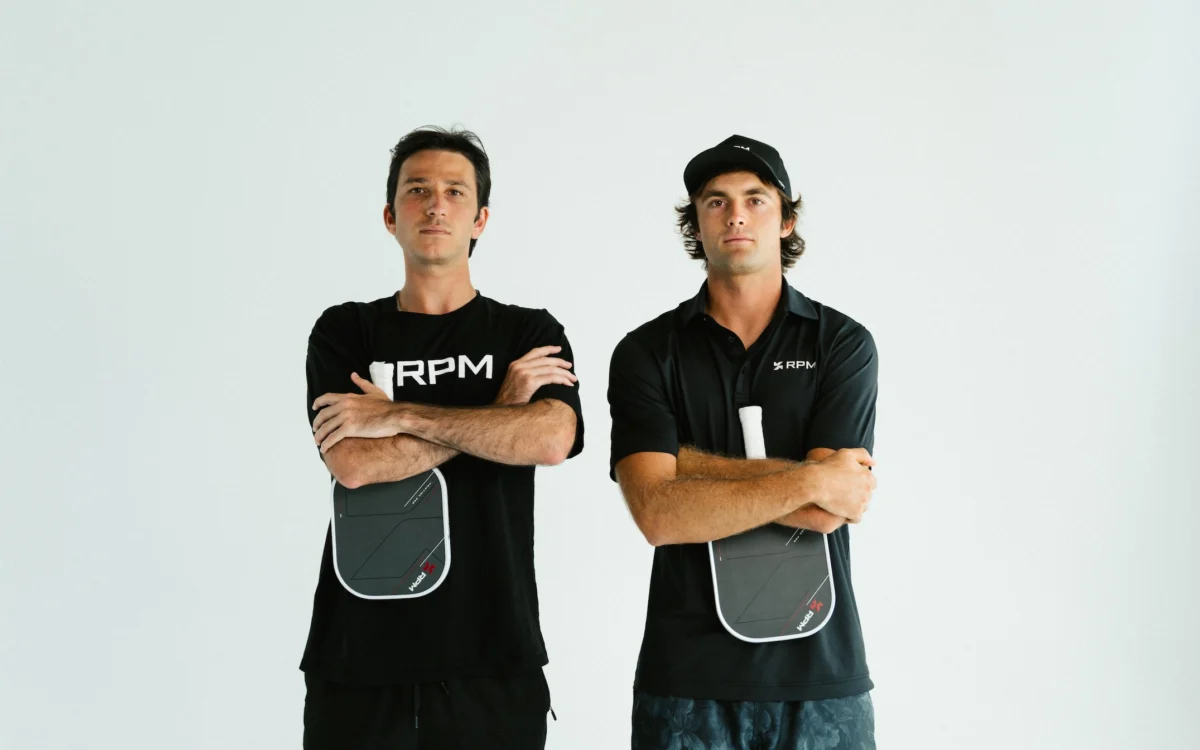
The meteoric rise of pickleball, a sport that has captured the attention of millions worldwide, is not just a story of athletic achievement but also a fertile ground for entrepreneurial innovation. At the heart of this burgeoning industry, a compelling narrative is unfolding about James Ignatowich, a four-time PPA champion and former world No. 2 pickleball player, and his childhood friend, Marwan Abaza. Their shared dissatisfaction with existing pickleball equipment, coupled with a long-held dream of launching a business together, has culminated in the creation of RPM Pickleball, a brand that has rapidly ascended to the upper echelons of the market, projecting $31 million in annual sales within its first year of operation.
The genesis of RPM Pickleball can be traced back to a period of intense frustration for Ignatowich. Despite his consistent success on the professional circuit, he harbored a deep-seated dissatisfaction with his pickleball paddle. This sentiment, born from the very equipment he used to dominate matches, became a recurring topic of conversation with Abaza. The two, who first crossed paths at a South Florida tennis tournament around the age of 12, shared a bond forged over years of athletic pursuits. Abaza, who went on to compete in NCAA Division I tennis, brought a unique analytical perspective to their discussions, currently pursuing studies in computational data science.
"I kept calling Marwan, venting about the paddles," Ignatowich recalled in a recent interview. "It felt like there was a disconnect between what was available and what serious players needed. We had always talked about going into business together since we were kids, but this was the catalyst. We knew we had to fix it."
The Genesis of a Business Venture
The persistent dialogue between Ignatowich and Abaza eventually solidified into a concrete plan. Recognizing a significant gap in the market, they decided to leverage their combined expertise – Ignatowich’s intimate knowledge of professional play and Abaza’s analytical acumen – to create a superior product. In September of the previous year, with no external investment, they launched RPM Pickleball. The venture, born from a shared vision and a tangible problem, has since experienced an unprecedented trajectory of growth.
"We saw an opportunity to apply the principles of high-performance equipment design, something more common in sports like tennis or golf, to pickleball," Abaza explained. "The market was flooded with paddles that, while functional, weren’t truly engineered for the demands of competitive play at the highest levels."
Identifying a Market Discrepancy
The core of RPM Pickleball’s success lies in its astute identification of a fundamental flaw in the existing pickleball equipment landscape. Historically, the market had converged on a one-size-fits-all approach, where beginner-friendly paddles were often the default choice for players across all skill levels, including professionals. This stands in stark contrast to established sports like tennis, where racquet manufacturers prioritize the design and performance characteristics sought by elite athletes, understanding that recreational players often aspire to emulate their idols and purchase equipment used by the pros.
"In tennis, you see brands meticulously crafting racquets for Grand Slam champions, and then everyday players gravitate towards those same models," Ignatowich elaborated. "We observed that pickleball hadn’t yet adopted this philosophy. The majority of paddles were designed with the novice player in mind, which meant a compromise on the precision, power, and control that serious competitors require."
This realization fueled their mission: to develop a pickleball paddle engineered specifically for professionals, thereby setting a new standard for performance and catering to the aspirational segment of the market.
A Dedication to Craftsmanship and Innovation
The commitment of Ignatowich and Abaza to creating a high-caliber product is evident in their hands-on approach to manufacturing. They have dedicated significant portions of their year to being present on factory floors in China, meticulously overseeing the production process. This deep immersion allows them to fine-tune every minute detail, from the precise densities of the core foam materials to the optimal heating times for the composite surfaces.
"It’s not just about selecting materials; it’s about understanding how each element interacts and contributes to the overall feel and performance of the paddle," Abaza stated. "We’re not just ordering from a catalog; we’re collaborating with engineers, pushing the boundaries of what’s possible in paddle construction."
This dedication has led to the development of multiple patent-pending technologies, further differentiating RPM Pickleball from its competitors. Abaza describes their role as "paddle connoisseurs," emphasizing the level of detailed feedback and technical insight they provide to manufacturers, far exceeding what a typical large corporation might offer. This granular approach to product development ensures that each RPM paddle is a testament to their pursuit of excellence.
Navigating Rapid Growth and Demand
The overwhelming market reception to RPM Pickleball’s innovative approach has been a double-edged sword. While the demand for their high-performance paddles has been astronomical, it has also presented significant operational challenges, primarily in keeping pace with production. For approximately half of their inaugural year, the company struggled with substantial backorders, leaving many eager customers waiting for their prized equipment.
"The biggest headache has undoubtedly been managing the sheer volume of demand," Ignatowich admitted. "We were constantly dealing with frustrated customers who were patiently waiting for their orders. It was a testament to the product’s appeal, but also a stark reminder of the supply chain complexities we had to navigate."
The company’s sales figures underscore this demand. In the past month alone, RPM Pickleball generated $4.5 million in revenue, projecting an impressive $31 million in annual sales. Their reach has extended globally, with over 35,000 paddles sold in more than 100 countries. This rapid expansion highlights the universal appeal of a product that addresses a perceived void in the market.
Analyzing the Market Landscape and Future Opportunities
The success of RPM Pickleball serves as a compelling case study in understanding and capitalizing on emerging trends within a rapidly evolving sport. The pickleball market, experiencing exponential growth fueled by its accessibility and social appeal, is ripe for further innovation. While paddles have been the initial focus for Ignatowich and Abaza, they are already looking towards the next frontier.
Ignatowich identifies training tools as the next significant opportunity within the pickleball ecosystem. He draws a parallel to the golf industry, which boasts a vast and lucrative market for specialized training aids. Currently, the pickleball market for such tools is nascent, presenting a considerable void that RPM Pickleball is poised to fill.
"We’re seeing a similar pattern to what happened with golf," Ignatowich observed. "As the sport matures and players become more serious about improvement, the demand for sophisticated training equipment will skyrocket. We’re actively exploring the development of innovative training solutions that can help players enhance their skills, much like advanced simulators and practice tools in golf."
This forward-thinking approach suggests that RPM Pickleball’s impact on the sport may extend beyond equipment manufacturing. By identifying and addressing unmet needs, the company is positioned to become a multifaceted contributor to the advancement of pickleball.
The Broader Implications for the Sports Equipment Industry
The entrepreneurial journey of James Ignatowich and Marwan Abaza with RPM Pickleball carries significant implications for the broader sports equipment industry. Their success demonstrates that even in seemingly saturated markets, a deep understanding of athlete needs and a commitment to product innovation can unlock substantial growth potential. The strategy of designing for the elite and allowing that aspiration to trickle down to the recreational market, successfully employed by tennis brands, is now proving equally effective in pickleball.
Furthermore, their story highlights the value of founder-led businesses, particularly those with direct ties to the sport they are serving. Ignatowich’s firsthand experience as a top-tier player provides an invaluable perspective on performance requirements, while Abaza’s analytical background ensures a data-driven approach to product development and business strategy. This blend of practical expertise and strategic thinking is a potent combination for navigating the complexities of building a successful company.
The rapid ascent of RPM Pickleball also underscores the agility and responsiveness that smaller, more focused companies can bring to market. While larger, established sporting goods manufacturers may be slower to adapt to niche demands, startups like RPM can quickly identify and address specific market gaps, capturing early market share and building a loyal customer base.
As pickleball continues its global expansion, the entrepreneurial spirit exemplified by Ignatowich and Abaza will undoubtedly inspire further innovation. Their story is a compelling testament to the fact that passion, coupled with a keen business sense and a dedication to quality, can transform a personal frustration into a thriving enterprise, leaving an indelible mark on the landscape of a beloved sport. The trajectory of RPM Pickleball suggests that this is just the beginning of their impact, as they continue to explore new avenues for growth and contribute to the evolution of pickleball.